Can Hamsters Eat Zucchini? Raw, Cooked, and Skin
By Dr. Zubair Khalid, DVM, MS, PhD ·
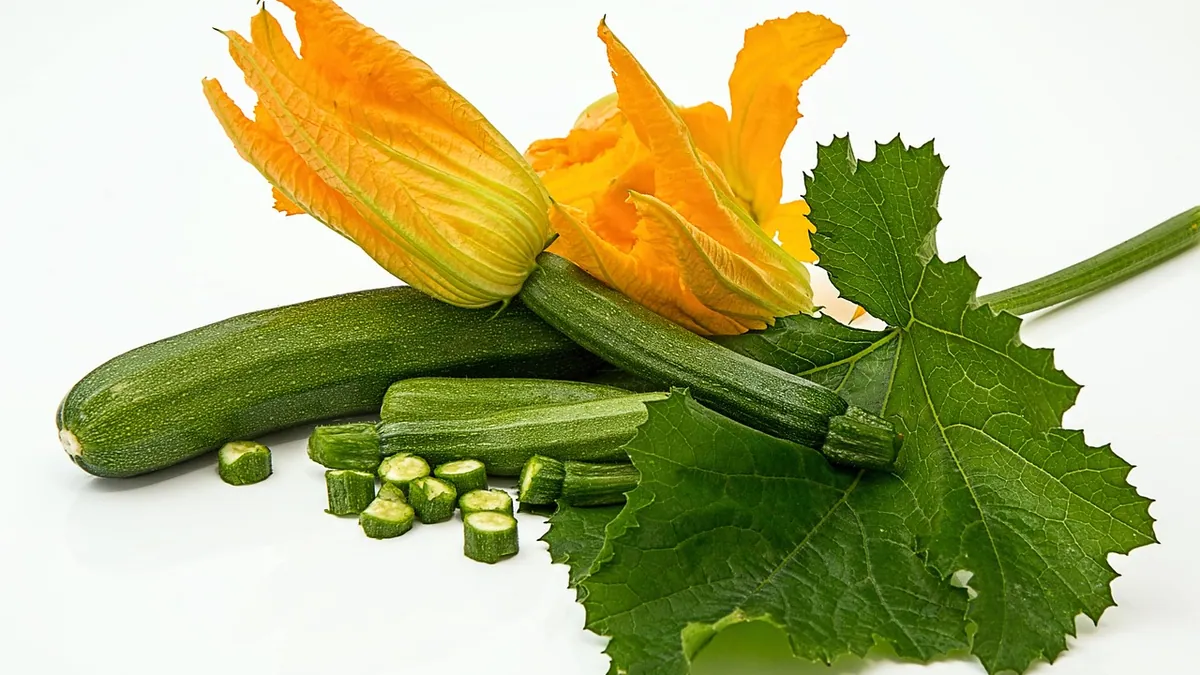
Yes, hamsters can eat zucchini. Raw zucchini flesh is safe for Syrian hamsters and dwarf hamsters in small, occasional pieces. It is a low-calorie vegetable, so it works best as a treat alongside a complete commercial hamster diet.
This article is educational and is not a substitute for veterinary diagnosis or treatment.
Quick Answer
- Safe: raw zucchini flesh, washed, cut into a piece about the size of your hamster's ear or smaller.
- Safe: raw yellow zucchini (summer squash), treated the same way as green zucchini.
- Unsafe: cooked zucchini, especially any version cooked with oil, butter, salt, garlic, onion, or xylitol-sweetened ingredients.
- Unsafe or risky: zucchini skin and seeds in large amounts, which can cause choking or digestive upset in small hamsters.
- Limit: one or two small pieces per week. Zucchini should never replace pellets, hay, or a balanced diet.
Can Hamsters Eat Zucchini? The Verdict
Zucchini is safe for hamsters when it is raw and plain. The flesh is mostly water and fiber, with very little sugar or starch. That makes it a reasonable occasional treat for both Syrian hamsters and dwarf hamsters.
The main rule is portion size. A hamster's stomach is tiny. A piece larger than a thumbnail can cause loose stool or make your pet skip its regular food. Treat zucchini as a garnish, not a meal.
Yellow zucchini, also called summer squash, is safe in the same way. The color does not change the safety. What matters is the preparation and the amount.
If you keep other small pets, the feeding rules differ by species. Our guide on what guinea pigs can and cannot eat explains how their needs compare.
Nutrition: What Zucchini Offers Your Hamster
Zucchini is low in calories and high in water content. It provides small amounts of vitamin C, potassium, and dietary fiber. For a hamster on a complete diet, these amounts are minor.
Fiber matters for hamster digestion. Research in hamsters shows that dietary fiber can improve lipid homeostasis and influence metabolic markers such as adiponectin and leptin [1]. Other work found that certain fibers increase fecal excretion of fats and bile acids in hamsters fed rich diets [2]. These findings come from controlled studies using purified fiber sources, not zucchini. Still, they support the general idea that fiber belongs in a hamster's diet.
Zucchini is not a fiber supplement. It is a low-calorie vegetable that adds variety and moisture. Your hamster's main fiber should come from its commercial food and, for some species, hay.
Weight control is another reason owners reach for vegetables. Hamsters can gain weight on high-fat diets, and individual animals respond differently to the same food. One study in striped hamsters found that some gained weight, some stayed stable, and some lost weight on the same high-fat diet, with differences linked to energy intake and gut bacteria [3]. That is a reminder that treats add up. A few zucchini pieces will not cause obesity, but a bowl of them every day can crowd out balanced nutrition.
Risks and What to Avoid
Choking and Digestive Upset
Small pieces are the safest choice. A large chunk of firm raw zucchini can lodge in the cheek pouch or throat. Hamsters stuff food into their cheek pouches, so a piece that is too big may sit there and cause irritation.
Too much zucchini can also cause soft stool or diarrhea. Introduce any new food one piece at a time and watch your hamster for a day.
Zucchini Skin and Seeds
The skin is not toxic, but it is tougher than the flesh. Small amounts of thin skin are usually fine for a healthy adult hamster. Peel it for dwarf hamsters, young hamsters, or any pet with dental problems. Seeds should be removed. They are a choking risk and offer no benefit.
Cooked Zucchini and Added Ingredients
Cooked zucchini is not automatically toxic, but it is not a good choice. Cooking softens the vegetable and concentrates sugars slightly. More importantly, cooked zucchini is usually prepared with other ingredients.
Watch for these additions:
- Xylitol, a sweetener that is dangerous to many small animals
- Garlic and onion, which can damage red blood cells
- Salt, oil, butter, and cheese, which add fat and sodium
- Breadcrumbs or stuffing, which add empty calories
If your zucchini dish contains any of these, do not feed it to your hamster. The same caution applies to cooked bones and rich table scraps for other pets, as covered in can dogs eat cooked bones.
Pesticides and Contaminants
Wash zucchini well under running water before cutting. If you grow your own or buy organic, a quick rinse is still wise. Do not feed moldy, slimy, or fermented zucchini.
How to Feed Zucchini Safely
Step by Step
- Wash the zucchini and pat it dry.
- Cut a piece no larger than your hamster's ear.
- Peel it for dwarf hamsters or any hamster with dental issues.
- Remove all seeds.
- Offer it in a clean ceramic dish, not on bedding.
- Remove any uneaten zucchini after a few hours so it does not spoil.
How Much and How Often
One or two small pieces per week is plenty. Some owners offer a piece the size of a pea every other day. Either approach works if your hamster stays healthy and eats its regular food.
Never let zucchini replace pellets. A hamster's base diet should be a species-appropriate commercial mix. Fresh vegetables are a supplement.
Which Parts to Avoid
| Form | Safe? | Notes |
|---|---|---|
| Raw flesh, peeled | Yes | Best choice. Small piece, no seeds. |
| Raw flesh with thin skin | Usually | Fine for healthy adults. Peel for dwarfs. |
| Raw seeds | No | Choking risk. Remove them. |
| Cooked plain | Not recommended | Soft texture, no real benefit. |
| Cooked with oil, salt, garlic, onion | No | Can cause serious illness. |
| Zucchini bread or muffins | No | Sugar, fat, and possible xylitol. |
| Pickled or fermented zucchini | No | High salt and acidity. |
What If Your Hamster Ate Too Much or the Wrong Kind?
If your hamster ate a small piece of plain raw zucchini, there is usually nothing to worry about. Watch for loose stool, bloating, or reduced appetite over the next 24 hours.
If your hamster ate cooked zucchini with garlic, onion, or xylitol, contact your veterinarian or an animal poison control service right away. Do not wait for symptoms. Bring the ingredient list or a photo of the package if you have it.
If your hamster is choking, pawing at its mouth, or having trouble breathing, this is an emergency. Seek veterinary care immediately.
For any suspected poisoning, call your veterinarian or a pet poison hotline. Your vet will calculate any treatment dose based on your hamster's weight and health. Never give human medication to a hamster without veterinary guidance.
Safer Alternatives for Hamsters
Zucchini is one option among many. Other hamster-safe vegetables include:
- Broccoli florets, in tiny amounts
- Cucumber slices, peeled
- Bell pepper, small pieces
- Carrot, a thin slice
- Romaine lettuce, a small leaf
Offer one new food at a time. Keep portions small. If your hamster has a history of digestive problems, ask your vet before adding anything new.
For a full overview of housing, diet, and health, see our hamster care guide.
Limitations and When to Contact a Veterinarian
This article covers general guidance. Every hamster is an individual. Age, weight, dental health, and existing conditions change what is safe. A veterinarian who examines your pet can give advice for your specific situation.
Contact your veterinarian the same day if your hamster:
- Ate cooked zucchini with garlic, onion, or xylitol
- Has diarrhea that lasts more than a few hours
- Is not eating its normal food
- Seems bloated or uncomfortable
- Has a piece of food stuck in its cheek pouch
Go to an emergency clinic right away if your hamster:
- Is struggling to breathe
- Is choking or gagging
- Collapses or seems unresponsive
- Has seizures or tremors
For routine questions about diet, portion sizes, or weight management, schedule a regular visit. Bring a list of everything your hamster eats, including treats.
Frequently Asked Questions
Can dwarf hamsters eat zucchini?
Yes, dwarf hamsters can eat raw zucchini in very small pieces. Their mouths are smaller than Syrian hamsters, so peel the skin and cut the flesh into a piece about the size of a pea. Offer it once or twice a week at most.
Can Syrian hamsters eat zucchini?
Yes, Syrian hamsters can eat raw zucchini. A piece about the size of your hamster's ear is a reasonable treat. Remove the seeds and any uneaten pieces after a few hours.
Can hamsters eat cooked zucchini?
Plain cooked zucchini is not toxic, but it is not recommended. Cooking softens the texture and adds no nutritional benefit. Most cooked zucchini dishes contain oil, salt, garlic, onion, or sweeteners that can harm your hamster.
Can hamsters eat yellow zucchini?
Yes, yellow zucchini is safe in the same way as green zucchini. Wash it, remove the seeds, and offer a small piece of the raw flesh. The color does not affect safety.
Do hamsters eat zucchini in the wild?
Hamsters in the wild eat a mix of seeds, grains, grasses, and occasional vegetables. Zucchini is a cultivated vegetable, so it is not a natural wild food. In captivity, it works as an occasional treat within a balanced diet.
If you also have dogs, their vegetable rules are different. Our article on can dogs eat zucchini covers portions and preparation for them.
Related Articles
- Hamster Care Guide: Habitat, Diet, and Health
- Can Hamsters Eat Carrots? How Much Is Safe
- Can Hamsters Eat Lettuce? Safe Types and Serving Tips
- Can Hamsters Eat Fruit? Safe Fruits, Portions, and Risks
References
- Dietary fiber improves lipid homeostasis and modulates adipocytokines in hamsters. Journal of diabetes, 2009.
- Dietary hydroxypropyl methylcellulose increases excretion of saturated and trans fats by hamsters fed fast food diets. Journal of agricultural and food chemistry, 2011.
- Individual differences in response to a chronic high-fat diet in striped hamsters (Cricetulus barabensis). Comparative biochemistry and physiology. Part A, Molecular & integrative physiology, 2025.