Why Guinea Pigs Eat Their Poop (Cecotropes Explained)
By Dr. Zubair Khalid, DVM, MS, PhD ·
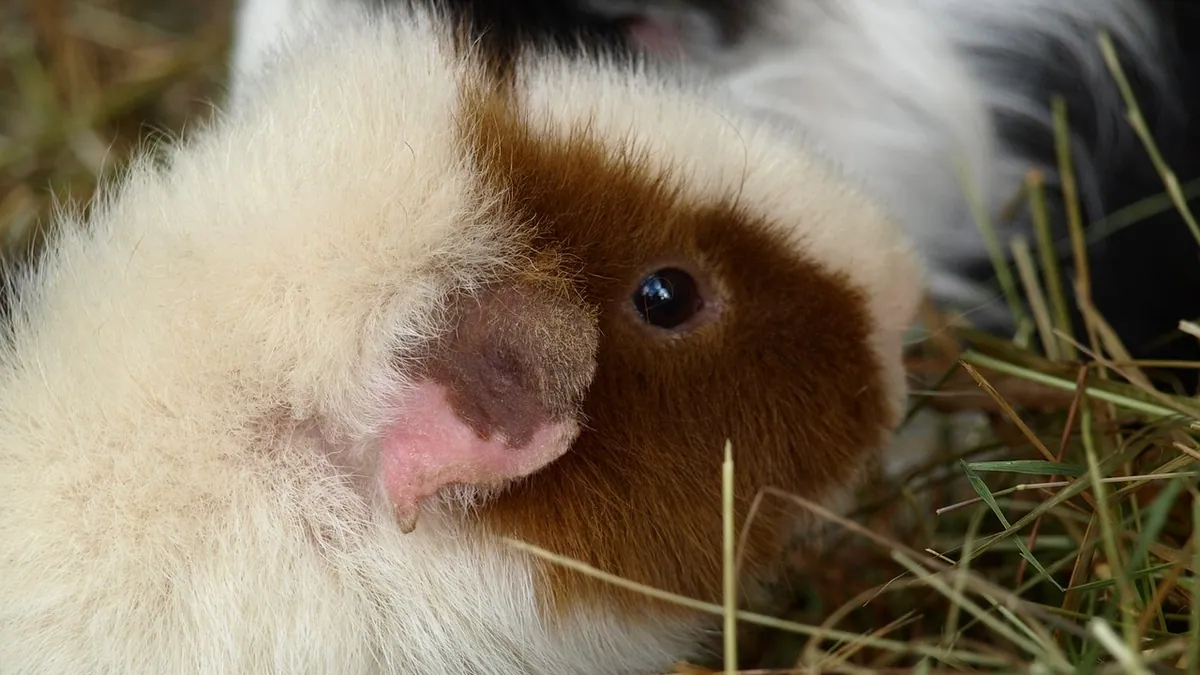
Yes, this is normal. Guinea pigs eat a special type of soft dropping called a cecotrope, and it is one of the most important meals of their day. If you are asking "why does my guinea pig eat his poop," the short answer is that he is recycling nutrients his body cannot get any other way.
This article is educational and is not a substitute for veterinary diagnosis or treatment.
Quick Answer
- Guinea pigs produce two kinds of droppings: soft cecotropes, which they eat directly from the body, and hard fecal pellets, which they leave in the cage.
- Eating cecotropes is called cecotrophy, and it lets guinea pigs absorb vitamins, protein, and fiber that their gut makes but cannot fully absorb the first time through [1][2].
- A healthy guinea pig usually eats cecotropes at night or in the early morning, so you may never see it happen [3].
- You should not stop this behavior or try to clean cecotropes away before your guinea pig can eat them.
- If you see your guinea pig eating hard, dry pellets from the bedding, or if soft stool is left uneaten in the cage, that is different and worth a vet call.
What Cecotropes Are and Why Your Guinea Pig Makes Them
Guinea pigs are herbivores, meaning they eat plants [4]. Their digestive system is built around fermenting fiber in a large pouch called the cecum. Bacteria in the cecum break down hay and other plant material into nutrients the guinea pig can use.
Not all of those nutrients get absorbed on the first pass. So the cecum packages some of the fermented material into a soft, moist pellet called a cecotrope. Your guinea pig eats that pellet straight from the anus, usually without chewing it much, and it gets a second chance to absorb the nutrients.
This is not a quirk or a bad habit. It is a required part of how guinea pigs digest food. Research on guinea pigs fed only hay found they have a specific gut mechanism (called a mucous-trap colonic separation mechanism) that sorts particles so cecotropes can form [1]. Without cecotrophy, guinea pigs lose a meaningful amount of nitrogen and other nutrients [2].
Do guinea pigs eat their poop every day?
Yes, cecotrophy is a daily event. In one study, guinea pigs ate most of their food during the light period and produced most fecal pellets during the light period too, with almost no defecation overnight [3]. That overnight quiet time is when cecotropes are typically produced and eaten. Because it happens mostly when the cage is dark, many owners never notice it.
Is it normal for guinea pigs to eat their poop?
It is normal and expected. The behavior is so routine that researchers studying guinea pig digestion treat cecotrophy as a baseline function, not a symptom [1][2]. A guinea pig that stops eating cecotropes can actually lose condition over time.
Do guinea pigs eat their own poop, or each other's?
Guinea pigs eat their own cecotropes. They do not need another guinea pig to supply them, and they do not rely on eating the hard pellets in the cage. Young guinea pigs may eat cecotropes from their mother early in life, which helps seed their gut bacteria, but adult guinea pigs produce and eat their own.
How Often Do Guinea Pigs Poop?
Guinea pigs poop a lot. Fecal output follows their eating pattern, with most pellets produced during the day and very little overnight [3]. That means a healthy guinea pig in a normal cage will have a steady supply of hard pellets to clean up.
The hard pellets you see in the bedding are the waste left after digestion. The soft cecotropes are a separate product, and they are usually eaten before you ever see them. If you suddenly notice a lot of soft, clumped, or smelly stool left in the cage, that is not the same as normal cecotrophy and should be checked.
Medical Causes to Rule Out
Most poop eating in guinea pigs is normal cecotrophy. But a few medical problems can change what you see.
Vitamin C deficiency
Guinea pigs cannot make their own vitamin C and must get it from food [5]. Low vitamin C can cause a rough coat, lameness, weight loss, diarrhea, dental problems, and sudden illness [5]. A guinea pig that feels unwell may leave cecotropes uneaten or may seem to eat odd things. Vitamin C in pellets breaks down over time with heat, light, and moisture, so pellets that have sat around may not supply enough [5]. Adult guinea pigs need at least 10 mg of vitamin C per kg of body weight per day, and pregnant females need 30 mg per kg per day [5]. Because most guinea pigs weigh about 1 kg, and vitamin C is safe at higher doses, giving 10 mg per guinea pig daily (30 mg for a pregnant female) is considered safe [5]. Ask your veterinarian how to apply this to your specific pet.
Digestive upset or diet imbalance
A diet low in hay and high in pellets, treats, or fruit can change gut fermentation and stool consistency. Grass hay such as timothy or orchard grass should be the main food, offered in a rack to keep it clean and dry [4]. Hay wears down continuously growing teeth and supplies the fiber guinea pigs need for proper digestion [4]. Pellets should be limited to about 2 tablespoons (1/8 cup) daily, and adult guinea pigs do better on timothy-based pellets that are lower in calcium [4].
Dental pain
Guinea pigs with overgrown or painful teeth may eat less, drop food, or leave soft stool behind. Hay chewing helps wear teeth down, so a guinea pig that avoids hay is at higher risk [4]. Dental problems are also a known consequence of vitamin C deficiency [5].
Gut infection or parasites
Diarrhea, mucus in the stool, or a sudden change in droppings can point to an infection or parasite problem. This is not something you can diagnose at home. A veterinarian needs to examine your guinea pig and may test the stool.
If your guinea pig is eating hard waste from the bedding instead of cecotropes, that is unusual and worth mentioning to your vet. It can happen when a guinea pig is very hungry, bored, or not getting enough fiber, but it is not the same as normal cecotrophy.
When Eating Poop Becomes a Problem
The behavior itself is not the problem. What matters is what else you see.
Normal cecotrophy looks like this:
- Your guinea pig is eating, drinking, and passing hard pellets normally.
- Weight is stable.
- The coat is smooth and the eyes are clear.
- You rarely or never see soft stool in the cage because it gets eaten.
A problem may look like this:
- Soft, pasty, or watery stool left in the cage instead of eaten.
- A swollen belly, gas, or a guinea pig that sits hunched.
- Dropping food, drooling, or losing weight.
- Eating hard pellets from the bedding.
- Eating less hay than usual.
- Rough coat, weakness, or swollen joints, which can suggest vitamin C deficiency [5].
If you see any of these, do not wait to see if it passes. Guinea pigs hide illness well and can decline quickly.
What to Do: Step by Step
1. Fix the diet first
Offer unlimited grass hay as the main food, in a clean rack [4]. Give about 2 tablespoons of high-fiber, low-carbohydrate pellets daily, choosing timothy-based pellets for adults and alfalfa-based pellets only for young, growing, or pregnant guinea pigs [4]. Add small amounts of vegetables and limited fruit. Introduce new foods slowly, because guinea pigs form food preferences early and can be picky [4].
2. Cover vitamin C
Because pellets lose vitamin C over time, plan a reliable daily source [5]. Your veterinarian can tell you the best form and amount for your guinea pig. The minimum is 10 mg per kg per day for adults and 30 mg per kg per day for pregnant females [5].
3. Keep the cage clean but not too clean
Remove soiled bedding and hard pellets, but do not scrub away soft cecotropes the moment you see them. If your guinea pig is producing cecotropes normally, he will eat them quickly. If soft stool is sitting around for hours, that is a sign to call your vet, not a sign to clean faster.
4. Watch the pattern
Note when you see soft stool, how much, and whether your guinea pig seems to be eating it. Track weight weekly on a small kitchen scale. Bring your notes to the vet visit.
5. Reduce stress and boredom
Guinea pigs are social animals. A single guinea pig in a bare cage may develop odd behaviors. Provide hiding spots, chew-safe items, and daily interaction. If your guinea pig is alone, talk with your veterinarian about whether a companion is right for him.
6. Do not change everything at once
If you switch hay, pellets, and vegetables in the same week, you will not know what helped. Change one thing at a time and give it a week or two.
If you also have a dog with a poop-eating habit, the motivation is completely different. See Why Does My Dog Eat Poop? and How to Stop a Dog from Eating Poop: Causes and Solutions for that species.
What Not to Do
Do not punish your guinea pig for eating cecotropes. He is not being gross or naughty. He is doing what his gut requires. Punishment will only make him stressed and may make him hide signs of illness.
Do not try to block cecotrophy. Some research has physically prevented guinea pigs from eating cecotropes to study the effects, and those animals show changes in how they use nitrogen and other nutrients [2]. You do not want that for your pet.
Do not assume all poop eating is the same across species. Dogs eat poop for reasons that have nothing to do with cecotrophy. If you are comparing pets, read Why Is My Dog eating stools? Coprophagia Causes and Deterrents. If your dog is also eating grass, that is a separate question covered in Why Does My Dog Eat Grass?.
Do not rely on pellets alone. Hay is the main food for a reason, and pellets are a measured supplement, not the base of the diet [4].
Do not skip vitamin C because the pellet bag says it is added. Vitamin C in pellets is unstable and degrades with heat, light, and moisture, and foods with added nutrients can lose much of it within a few months [5].
Do not give alfalfa pellets to adult guinea pigs as a routine. Alfalfa is higher in calcium and is meant for young, growing, or pregnant guinea pigs [4].
When a Veterinarian or Certified Behavior Professional Should Be Involved
Call your veterinarian if you see soft stool left uneaten, diarrhea, weight loss, drooling, a rough coat, lameness, or a guinea pig that stops eating hay. These can point to vitamin C deficiency, dental disease, or a gut problem [5].
A certified behavior professional is rarely needed for cecotrophy itself, because it is a normal behavior. Behavior help may be useful if your guinea pig is alone, housed in a small barren cage, or showing repetitive behaviors that suggest stress.
Limitations and When to Contact a Veterinarian
This article covers the normal pattern and common problems, but it cannot tell you what is happening with your individual guinea pig. Only a veterinarian who examines your pet can do that.
Contact a veterinarian the same day if:
- You see watery diarrhea or a sudden change in droppings.
- Your guinea pig stops eating hay or pellets.
- You notice drooling, dropping food, or trouble chewing.
- Your guinea pig seems weak, wobbly, or has swollen joints.
- You see a lot of uneaten soft stool in the cage.
Go to an emergency clinic now if:
- Your guinea pig is not eating at all.
- He is lying on his side and will not right himself.
- He is having trouble breathing.
- He has not passed stool for many hours and seems bloated or painful.
Schedule a routine visit if:
- You are unsure whether the behavior you see is normal cecotrophy.
- You want help planning a hay-based diet and a vitamin C plan [4][5].
- Your guinea pig is losing weight slowly or has a dull coat.
- You are thinking about adding a companion guinea pig.
For general diet guidance, see What Guinea Pigs Can and Cannot Eat.
Frequently Asked Questions
Should I stop my guinea pig from eating his poop?
No. Eating cecotropes is a normal and necessary part of guinea pig digestion. Blocking it can reduce how well your guinea pig uses nutrients from his food [2]. If you are worried about how often it happens, talk to your veterinarian instead of trying to stop it.
Can I get sick from my guinea pig eating his poop?
Cecotrophy is a normal species behavior, and the cecotropes are formed inside your guinea pig's gut. Normal hygiene, such as washing your hands after cleaning the cage, is enough for routine care. If your guinea pig has diarrhea or is unwell, ask your veterinarian about any extra precautions.
Why does my guinea pig eat hard poop from the bedding?
Eating hard pellets from the bedding is not the same as cecotrophy. It can happen when a guinea pig is very hungry, bored, or not getting enough hay. Check that hay is unlimited and fresh, pellets are measured, and the cage has enrichment. If it continues, have your vet check for dental or digestive problems.
How can I tell cecotropes apart from diarrhea?
Cecotropes are soft, moist, and usually eaten right away, so you rarely see them. Diarrhea is watery or pasty, often left in the cage, and may come with a messy bottom, a swollen belly, or a guinea pig that acts unwell. Diarrhea is a same-day vet call.
Do guinea pigs need vitamin C even if they eat cecotropes?
Yes. Cecotrophy helps with nutrient recycling, but it does not replace vitamin C from the diet. Guinea pigs cannot make vitamin C and need at least 10 mg per kg per day, or 30 mg per kg per day for pregnant females [5]. Your veterinarian can set the exact amount and form for your pet.
Related Articles
References
- Intake, selection, digesta retention, digestion and gut fill of two coprophageous species, rabbits (Oryctolagus cuniculus) and guinea pigs (Cavia porcellus), on a hay-only diet. Journal of animal physiology and animal nutrition, 2011.
- Effect of fructo-oligosaccharide on nitrogen utilization in guinea pigs. Animal science journal = Nihon chikusan Gakkaiho, 2013.
- Good to Know: Baseline Data on Feed Intake, Fecal Pellet Output and Intestinal Transit Time in Guinea Pig as a Frequently Used Model in Gastrointestinal Research. Animals : an open access journal from MDPI, 2021.
- Diet for a Guinea Pig - All Other Pets. Merck Veterinary Manual.
- Nutritional Problems of Guinea Pigs - All Other Pets. Merck Veterinary Manual.