Can Gerbils Climb? Climbing and Enrichment Needs
By Dr. Zubair Khalid, DVM, MS, PhD ·
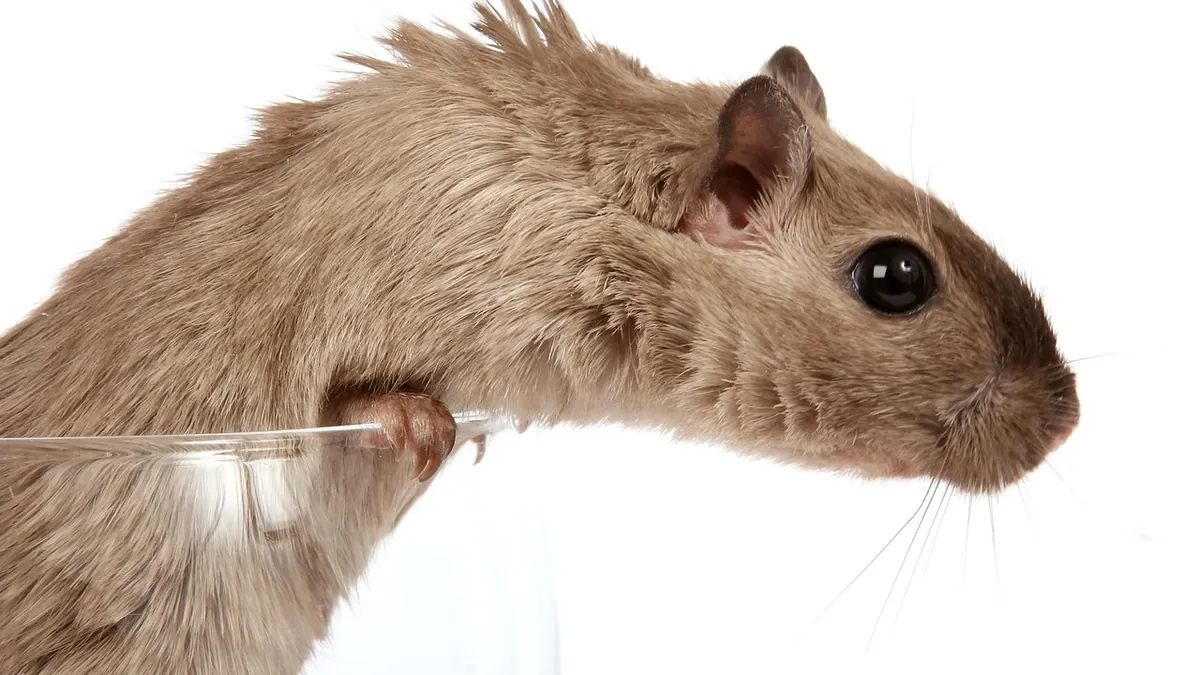
Yes, gerbils can climb, and many do climb a little, but they are not natural climbers like rats or mice. Gerbils are desert rodents built for digging, and they spend most of their time in burrows under soft soil [1]. Climbing is a secondary behavior for them, so the goal is to offer safe, low climbing options without turning the cage into a tower that invites falls.
This article is educational and is not a substitute for veterinary diagnosis or treatment.
Quick Answer
- Gerbils can climb, but digging is their main natural behavior. Wild Mongolian gerbils live in burrows 2 to 3 feet long and spend most of their time underground [1].
- Rearing up on the hind legs (vertical activity) is normal and peaks in young adult gerbils, then declines with age [2].
- Safe climbing means low platforms, gentle ramps, and stable items placed over deep bedding, not tall wire walls or high shelves.
- Never lift or catch a gerbil by the tail, and hold it low over the cage or your lap so a fall cannot hurt it [3].
- Gerbils are social and do best with compatible company, so plan climbing and digging space for more than one animal [4].
Do Gerbils Climb? What Is Normal for the Species
Gerbils are terrestrial rodents. The word terrestrial means they live and move mainly on the ground [1]. In the wild, Mongolian gerbils inhabit clay and sandy deserts, bush country, and arid steppes, and they dig simple burrows where they spend most of their time [1]. That background explains what you see in a cage. A gerbil will dig in bedding, push bedding into corners, tunnel under hides, and sit on top of low objects. It will also stand up on its back legs to look around. That standing behavior is called rearing, and it is a form of vertical activity [2].
So do gerbils like to climb? Some do, in short bursts. A gerbil may scramble onto a low ledge, a ceramic hide, or a branch near the floor. It may climb the cage bars for a moment, especially when it wants attention or food. But you will rarely see a gerbil spend long periods high off the ground the way a rat or a squirrel would. Digging, chewing, and exploring at ground level come first.
One study that tracked spontaneous movement in Mongolian gerbils found that vertical activity increased from about 62 days of age to about 151 to 172 days of age, then decreased in older groups [2]. In plain terms, young adult gerbils are the most likely to rear and climb. Older gerbils slow down. If an older gerbil suddenly starts climbing more, or seems unable to climb at all, that change is worth a closer look.
Why Gerbils Dig More Than They Climb
Digging is not a hobby for a gerbil. It is a behavioral need. When laboratory gerbils were housed without a burrow, they developed stereotypic digging, which is repeated digging that serves no purpose and can become compulsive [5][6]. Adding an artificial burrow significantly reduced that behavior [5]. This tells you something practical: a gerbil that cannot dig will often redirect that drive into bar chewing, constant scratching at cage corners, or repetitive digging at the glass.
Bar chewing is a separate problem. One study found that bar chewing was linked to premature separation of juvenile gerbils from their parents before the birth of younger siblings, not to a lack of gnawing material or the position of food [5]. That is a husbandry and social issue, not a climbing issue, but it shows how much gerbil behavior depends on a proper environment and stable social grouping.
Gerbils are also very social. They live in family groups in the wild, and they do best in the company of other gerbils [4]. Housing a gerbil alone can act as a psychosocial stressor. In one study, individually housed male gerbils showed increased anxiety on an elevated plus maze, and both sexes showed more passive immobility, which is a freezing response [7]. A lonely gerbil may climb the bars more, pace more, or dig at the walls more. Before you treat climbing as the problem, check whether the gerbil has appropriate company and enough digging space.
Medical Causes to Rule Out
A change in climbing or digging can be a health clue. Gerbils are small, and they hide illness well. If your gerbil stops climbing, stops digging, or starts climbing in a frantic way, consider these possibilities and have a veterinarian examine the animal.
- Injury or tail damage. Gerbil tails are delicate and easily injured [3]. A fall, a caught tail, or rough handling can cause pain that makes a gerbil avoid climbing and rearing.
- Dental problems. Gerbils gnaw constantly. Painful teeth or overgrown incisors can reduce activity and chewing.
- Arthritis or age-related stiffness. Vertical activity naturally declines in older gerbils [2], but a sudden drop or obvious limping is not normal aging.
- Respiratory or systemic illness. A sick gerbil often becomes quiet, hunched, and less active in all directions.
- Seizure activity. Gerbils are used as a model species in epilepsy research [6], and some lines have a known seizure tendency. A gerbil that falls off a platform during an episode needs veterinary care.
Never guess at a diagnosis from behavior alone. A veterinarian who sees small mammals can examine the gerbil, check the teeth, feel the limbs and tail, and decide whether testing or treatment is needed.
When Climbing Becomes a Problem
Climbing is a problem when it risks injury or when it replaces normal behavior.
Watch for these signs:
- Repeated falls from height, or a gerbil that slips off smooth plastic or wire.
- Climbing the cage bars for long stretches, especially with bar chewing or nose rubbing.
- Climbing to reach the cage lid and pushing at it, which can lead to escape.
- A gerbil that climbs because the floor space is crowded, dirty, or has no burrow to use.
- A gerbil that cannot climb at all when it used to, which suggests pain or weakness.
- A gerbil that falls and then holds a limb oddly, drags a tail, or stops eating.
Bar chewing and stereotypic digging are signs that the environment is missing something the gerbil needs [5][6]. Fix the environment first. If the behavior continues after you add a burrow, deep bedding, and proper social housing, involve a veterinarian.
How to Add Safe Climbing and Enrichment Step by Step
Step 1: Build the digging zone first
Climbing should sit on top of a good digging setup, not replace it. Use deep bedding so your gerbil can tunnel. Add an artificial burrow or a hide with a tunnel entrance. In laboratory settings, an artificial burrow that fits the cage significantly reduced stereotypic digging [5]. A sturdy hide with two openings works the same way at home. For a full setup walkthrough, see the Gerbil Care Guide.
Step 2: Keep climbing low
Choose platforms no more than a few inches off the floor, and place them over deep bedding so a fall lands on something soft. A gerbil that falls from a low height onto bedding is far less likely to be hurt than one that falls onto a hard plastic shelf or the cage base. This matches the handling rule from veterinary guidance: hold a gerbil close to the ground and over its cage or your lap so a fall cannot hurt it [3].
Step 3: Use stable, grippy surfaces
Smooth plastic and thin wire are hard for small feet to grip. Use untreated wood, cork, natural branches that are safe for rodents, and ceramic hides with a rough texture. Set every item on a solid base so it cannot tip when a gerbil pushes against it. Test each piece by pressing on it the way a gerbil would.
Step 4: Add a ramp, not a ladder
A gentle ramp with a textured surface lets a gerbil move between levels without a long drop. Avoid vertical ladders and tall wire walls. If you want to add a second level, keep the height low and put a soft landing zone under the edge.
Step 5: Rotate enrichment
Change the layout every week or two. Move a hide, add a new tunnel, or swap in a fresh branch. Novelty keeps a gerbil busy and reduces repetitive behavior. Positive reinforcement training is another form of cognitive enrichment. A 2025 study trained 43 Mongolian gerbils with a 10-day clicker protocol, and the animals learned to approach and interact with a human hand for a food reward [8]. You can use the same idea at home with a clicker and small food rewards, which gives your gerbil something to think about besides climbing.
Step 6: Support social housing
Keep gerbils in compatible pairs or groups when possible, because they are social and do best with company [4]. Provide two of every key resource (water bottle, food dish, hide, burrow) so no gerbil is blocked. If you must house a gerbil alone for medical reasons, add more enrichment and more handling time, and talk to your veterinarian about the best long-term plan.
Step 7: Handle safely
Scoop a gerbil with both hands under the belly. Do not squeeze. Do not lift by the tail, because gerbil tails are delicate and easily injured [3]. Until your gerbil is used to handling, keep it low and over the cage or your lap [3]. Gerbils cannot withstand rough handling and are not recommended as pets for very young children [3].
If you enjoy planning enrichment for other species, the same principles of species-appropriate challenge appear in Designing Environmental Enrichment Programs for Captive Reptiles and Ferret Enrichment: Mental Stimulation and Play.
What Not to Do
- Do not punish climbing. Punishment does not teach a gerbil what to do instead, and it damages trust. Redirect the behavior with a burrow, a ramp, or a low platform.
- Do not grab the tail. This is the most common handling mistake. Gerbil tails are delicate and easily injured [3].
- Do not build tall towers. A gerbil is not a rat. High shelves and vertical wire climbs raise the risk of falls without meeting a real behavioral need.
- Do not assume climbing means the cage is too small. Often the missing piece is a burrow or deep bedding, not more height [5][6].
- Do not skip company. A single gerbil may climb and pace more because it is stressed by isolation [7].
- Do not use exercise wheels with open rungs or wire tracks. Small feet and tails can catch. A solid running surface is safer if you offer a wheel at all.
Limitations and When to Contact a Veterinarian
Behavior advice cannot replace an exam. Individual cases need a veterinarian who can see your gerbil, check its teeth and limbs, and review its housing.
Contact a veterinarian the same day if your gerbil:
- Falls from a height and then limps, drags a limb, or holds its tail oddly.
- Stops eating, stops drinking, or becomes suddenly quiet.
- Has a visible wound, swelling, or a bent or bleeding tail.
- Shows a sudden change in climbing, digging, or balance.
Seek emergency care now if your gerbil:
- Has trouble breathing, breathes with its mouth open, or makes clicking sounds.
- Has a seizure, especially a seizure that lasts more than a minute or repeats.
- Is limp, unresponsive, or cannot right itself.
- Has heavy bleeding or a deep wound.
Schedule a routine visit if your gerbil:
- Gradually slows down, stops climbing, or seems stiff.
- Chews the bars or digs repetitively despite a burrow and deep bedding.
- Lives alone and shows increased anxiety or freezing behavior [7].
Frequently Asked Questions
Can gerbils climb cage bars?
Yes, gerbils can climb cage bars, but it is usually a short burst, not a preferred activity. Frequent bar climbing often signals boredom, crowding, or a missing burrow. Add deep bedding and a hide with a tunnel, then watch whether the behavior settles.
Do gerbils like to climb or dig more?
Gerbils dig far more than they climb. Wild Mongolian gerbils live in burrows and spend most of their time underground in soft soil [1]. Climbing is a secondary behavior, so build the cage around digging first and treat climbing as a bonus.
Are tall cages good for gerbils?
Tall cages are not necessary and can add fall risk. A wide cage with deep bedding and low climbing options suits a gerbil better. If you use a taller enclosure, keep platforms low and place soft bedding under every edge.
Can a gerbil get hurt from a fall?
Yes. Gerbils are small and cannot withstand rough handling, which is why veterinary guidance says to hold them close to the ground and over the cage or your lap [3]. A fall onto a hard surface can injure the body or the delicate tail. Keep climbing heights low and landings soft.
Should I get a second gerbil if mine climbs a lot?
Company often helps, because gerbils are social and do best with other gerbils [4]. A lone gerbil may climb and pace more from isolation stress [7]. Introduce a compatible companion carefully, and provide two of every resource so both animals have access.
Related Articles
- Gerbil Care Guide
- Do Gerbils Need a Wheel? Exercise Wheel Guide
- Do Gerbils Need a Friend? Social Needs Explained
- Do Gerbils Like to Be Held? Taming and Handling Tips
References
- Gerbils - Exotic and Laboratory Animals. Merck Veterinary Manual.
- A multivariate assessment of spontaneous locomotor activity in the Mongolian gerbil (Meriones unguiculatus): influences of age and sex. Physiology & behavior, 1995.
- Special Considerations for Gerbils - All Other Pets. Merck Veterinary Manual.
- Introduction to Gerbils - All Other Pets. Merck Veterinary Manual.
- Housing and husbandry conditions affect stereotypic behaviour in laboratory gerbils. ALTEX, 2007.
- Refinement of gerbil housing and husbandry in the laboratory. Alternatives to laboratory animals : ATLA, 2004.
- The effects of individual housing on 'anxious' behaviour in male and female gerbils. Physiology & behavior, 2007.
- Enhancing Gerbil Welfare Through Positive Reinforcement Training in Research Environments. Journal of visualized experiments : JoVE, 2025.