Are Plastic Cat Bowls Bad for Cats?
By Dr. Zubair Khalid, DVM, MS, PhD ·
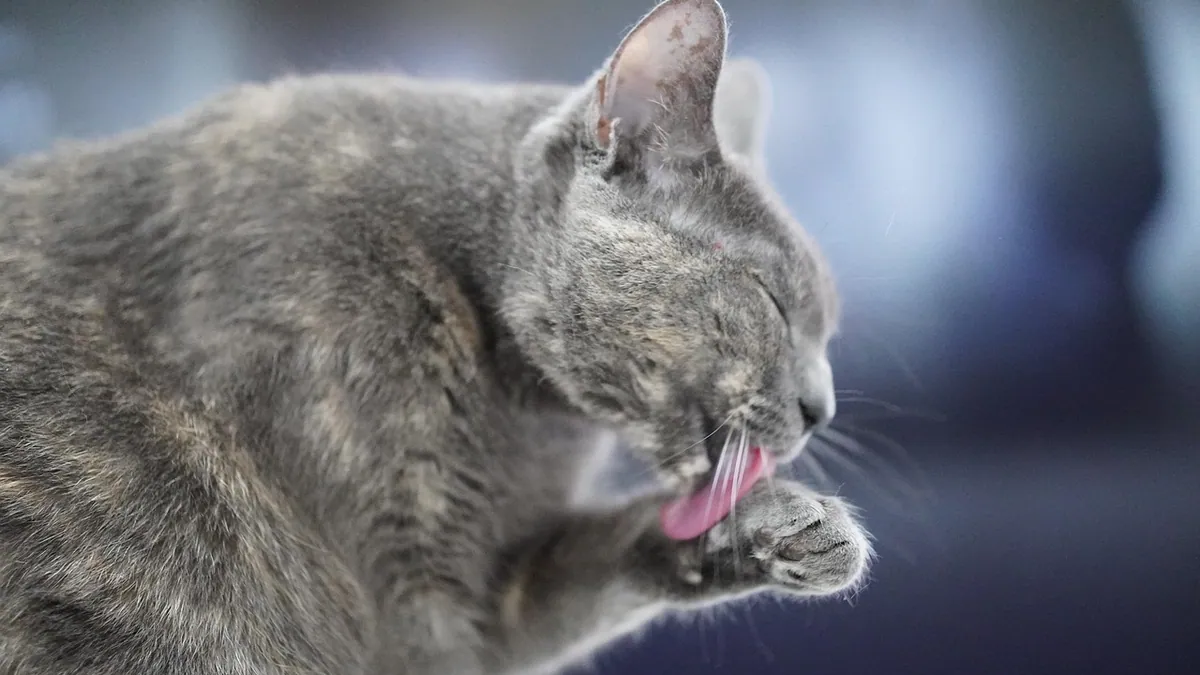
Are plastic cat bowls bad for cats? They are not toxic in the way many owners fear, but they are the bowl material most often linked to feline chin acne and stubborn odor. Plastic scratches easily, and those tiny scratches trap bacteria, oils, and food residue that can irritate a cat's chin. Stainless steel and ceramic are usually better choices for most households.
This article is educational and is not a substitute for veterinary diagnosis or treatment.
Quick Answer
- Plastic bowls are not poisonous, but scratched plastic holds bacteria and can worsen chin acne in cats.
- Stainless steel or glazed ceramic bowls are the easiest materials to keep clean and are the usual first recommendation for cats with chin problems.
- Wash food and water bowls daily with hot water and dish soap, and replace any bowl that feels rough, scratched, or cloudy.
- Switch to a shallow, wide bowl if your cat's chin or whiskers rub the sides during meals.
- If the chin has black specks, swelling, bleeding, or your cat seems painful, see a veterinarian instead of only changing bowls.
Why Plastic Bowls Get Blamed
Feline chin acne is a common skin condition on the lower lip and chin. It looks like blackheads, small dark crusts, or red bumps. The exact cause is not fully established in veterinary research, but the usual suspects are poor grooming, stress, hormonal factors, and contact with dirty or scratched food and water dishes.
Plastic is a porous material. Even a bowl that looks clean can develop microscopic scratches from forks, scoops, and repeated washing. Those grooves give bacteria and oils a place to sit. When your cat eats, the chin rests against the bowl rim for minutes at a time. That repeated contact with a contaminated surface is a reasonable explanation for why plastic bowls show up so often in chin acne cases.
There is also a broader contamination story with plastics in pet food. Microplastics have been found in dry cat and dog food, and one comparison of commercially available dry pet food from Spain and Ecuador found significantly different amounts and types of microplastics between markets. Loose, unsealed samples from Ecuador reached concentrations of 12.33 ± 1.53 microplastics per 5 grams, while Spanish samples stayed lower at 3.33 to 11.33 microplastics per 5 grams [1]. That study looked at the food itself, not the bowl, so it does not prove your plastic bowl is shedding into dinner. It does show that plastic exposure in pet food is a real area of research.
Bisphenol A (BPA) is another plastic-related chemical that has been measured in commercially available chicken-based cat kibbles in Italy [2]. Again, this is about food packaging and food content, not bowls specifically. The honest answer is that we do not have strong evidence that a plastic bowl itself causes systemic illness in cats. The clearer, more practical problem is local skin irritation and hygiene.
Are Plastic Cat Bowls Bad for Cats? A Material Comparison
The table below compares the three materials owners ask about most.
| Material | Chin acne risk | Odor and staining | Durability | Notes |
|---|---|---|---|---|
| Plastic | Higher, especially once scratched | Higher, oils cling to scratches | Degrades with heat and scrubbing | Lightweight and cheap, but replace often |
| Stainless steel | Low | Low, easy to rinse clean | Very long lasting | Dishwasher safe, no coating to chip |
| Glazed ceramic | Low if glaze is intact | Low | Long lasting if not dropped | Check for cracks and worn glaze |
A few practical points about each.
Plastic. Fine as a temporary or travel bowl. If you use plastic, hand wash it, skip the dishwasher's hottest cycle, and replace it at the first sign of scratching. Never microwave food in a plastic bowl.
Stainless steel. The most forgiving option. It does not scratch easily, does not hold odor, and does not chip. Some cats dislike the sound of a metal bowl sliding, so a rubber mat underneath helps.
Ceramic. Heavy, stable, and easy to clean if the glaze is smooth and unbroken. A cracked or chipped ceramic bowl can harbor bacteria in the same way plastic does, so retire damaged ones. Avoid unglazed pottery, which is porous.
Container type matters for food too, not just bowls. A study of canned cat food found that container size and type affected thermal processing and the retention of B vitamins during retort processing [3]. That is a manufacturing issue instead of a home bowl issue, but it is a reminder that the container touching your cat's food is not a trivial detail.
Step-by-Step: Fixing a Chin Problem at Home
If your cat has a mild chin issue and seems comfortable, this routine is a reasonable starting point.
- Photograph the chin today. Take clear pictures in good light. This helps you judge whether things are improving or worsening over the next week.
- Switch bowls. Move to stainless steel or glazed ceramic for both food and water. Use shallow, wide dishes so the chin and whiskers do not press against the rim.
- Wash bowls daily. Hot water, dish soap, and a bottle brush or sponge dedicated to pet dishes. Rinse well.
- Wash water bowls daily too. Water bowls build up a biofilm that is easy to miss.
- Change the water at least twice a day. Fresh water reduces how much your cat's chin contacts a stale surface.
- Keep the chin dry. Gently pat the chin after meals if your cat tolerates it. Do not scrub.
- Do not pick or squeeze the bumps. This can cause bleeding, pain, and infection.
- Skip human acne products unless your veterinarian prescribes them. Many are irritating or toxic to cats if licked off.
- Recheck in 7 to 10 days. If the chin is unchanged or worse, call your veterinarian.
If your cat also nibbles plants around the house, review which ones are dangerous. See Are Lilies Toxic to Cats? and Houseplants Toxic For Cats With Pictures.
Daily and Weekly Bowl Care Schedule
| Frequency | Task |
|---|---|
| Every meal | Rinse food bowl, remove leftover wet food within 30 minutes |
| Daily | Wash food and water bowls with hot water and soap |
| Daily | Refill water at least twice, more in warm weather |
| Weekly | Inspect all bowls for scratches, cracks, cloudiness, or worn glaze |
| Weekly | Wash bowls, mats, and the floor area around the feeding station |
| As needed | Replace any plastic bowl that feels rough or looks cloudy |
A dishwasher is fine for stainless steel and most glazed ceramic. Check the manufacturer's guidance for anything else. Heat can warp plastic and open up new scratches.
Signs That Something Is Wrong
Chin acne is usually mild, but it can progress. Watch for these signs.
- Black specks or crusts on the chin and lower lip
- Red, swollen, or shiny skin on the chin
- Bleeding, oozing, or a bad smell from the chin
- Your cat pawing at the mouth or chin
- Drooling, dropping food, or refusing to eat
- Fur loss around the chin
- Bumps that spread up the muzzle or to the lips
Some of these signs overlap with other conditions, including fungal infections, allergies, and dental disease. A veterinarian can tell the difference.
Common Mistakes Owners Make
Only changing the bowl. A new bowl helps, but if the chin is already inflamed, it may need medical treatment. Bowl changes are prevention and support, not a cure.
Washing the bowl every few days. Daily washing is the standard for wet food. Biofilm forms fast.
Using a bowl that is too small. A narrow, deep bowl forces the chin and whiskers against the sides. Cats often prefer wide, shallow dishes.
Keeping a scratched bowl because it still holds food. Scratches are the problem. If you can feel them with a fingernail, replace the bowl.
Sharing bowls between pets. Shared bowls spread bacteria and make it harder to track who is eating what.
Ignoring the water bowl. Many owners wash the food bowl and forget the water bowl. Both touch the chin.
Assuming all plastic is the same. Some plastics are harder and more scratch resistant than others, but none stay smooth forever. Stainless steel and intact ceramic are simpler to maintain.
Using harsh cleaners and not rinsing. Residue can irritate skin and may be licked off. Rinse thoroughly.
Supplies and Setup That Matter for Health
The bowl is one part of the feeding station. These details reduce chin contact and bacterial load.
- Bowl shape. Wide and shallow beats narrow and deep for most cats.
- Bowl height. A slightly raised bowl can reduce neck strain for some cats, though evidence for this in cats is limited.
- Non slip mat. Keeps bowls from sliding and reduces spills that attract pests.
- Separate food and water bowls. Keeps water cleaner and makes washing easier.
- A dedicated cleaning brush. Do not use the same sponge you use for human dishes.
- A backup set. Having two sets means one can dry while the other is in use.
- Storage for dry food. Keep kibble in a sealed container. One case report described a cat becoming trapped in a new style pet food container, a reminder that packaging design can create hazards for pets [4].
If you have a dog in the house, do not let it share your cat's food. Cat food is not formulated for dogs. See Why Cat Food Is Bad For Dogs.
Limitations and When to Contact a Veterinarian
This article covers bowl hygiene and mild chin irritation. It cannot tell you what is happening on your specific cat's skin. Individual cases need a veterinarian, and some chin conditions require prescription treatment.
Contact your veterinarian the same day if:
- The chin is bleeding, oozing, or has a foul smell
- Your cat is pawing at the face or seems painful
- Swelling is spreading or the chin feels hot
- Your cat is drooling or having trouble eating
Go to an emergency clinic now if:
- Your cat cannot eat or drink
- There is heavy bleeding
- Your cat is lethargic, hiding, or breathing abnormally
- You suspect your cat swallowed a foreign object or got into a toxin
Schedule a routine visit if:
- The chin has not improved after 7 to 10 days of daily bowl hygiene
- Bumps keep coming back after they clear
- You notice similar lesions elsewhere on the body
- Your cat has other skin, ear, or dental problems
Your veterinarian will examine the chin, check for underlying causes, and decide whether topical or oral treatment is needed. The dose and product are chosen for your cat's weight and health, so do not use leftover medication from another pet or a previous episode.
Frequently Asked Questions
Do plastic cat bowls cause chin acne?
They are a common contributing factor, not the only cause. Scratched plastic traps bacteria and oils that sit against the chin during meals, which can worsen acne in prone cats. Switching to stainless steel or glazed ceramic and washing daily often improves mild cases.
What is the best cat bowl material?
Stainless steel is the easiest to keep clean and the most durable for most homes. Glazed ceramic is a good second choice if the glaze is smooth and intact. Plastic is acceptable short term but should be replaced as soon as it scratches.
Can I keep using plastic bowls if I wash them every day?
Yes, if the surface stays smooth and you replace the bowl at the first sign of scratching. Daily washing helps, but it cannot restore a scratched surface. If your cat has chin acne, switch materials instead of relying on washing alone.
How often should I replace cat bowls?
Replace plastic bowls as soon as they feel rough, look cloudy, or hold a smell, which may be every few months with daily use. Stainless steel and intact ceramic can last for years. Check all bowls weekly for cracks, chips, and worn glaze.
Should I use a raised bowl for my cat?
Raised bowls help some cats with neck or joint discomfort, but the evidence in cats is not strong. The bigger factors for chin health are bowl width, material, and cleanliness. Ask your veterinarian if your cat has arthritis or a swallowing problem.
Related Articles
- Why Cat Food Is Bad For Dogs
- Houseplants Toxic For Cats With Pictures
- Houseplants Toxic To Cats Reddit
- Are Lilies Toxic to Cats?
- House Plants Toxic To Cat
- Plants Toxic To Cats
- Is My Cat Allergic to Plastic Bowls or Polyester?
- Why Does My Cat Eat Plastic? Risks and What to Do
- Why Does My Cat Chew on Plastic? Pica and Safety
References
- Occurrence and characterization of microplastics in dry pet food: Investigating geographical variations between European and South American markets. Environmental pollution (Barking, Essex : 1987), 2026.
- Multiple contaminant detection in commercially available chicken-based cat kibbles in Italy. Frontiers in veterinary science, 2026.
- Effects of container type and size on thermal processing characteristics and B-vitamin retention of canned cat food. Frontiers in veterinary science, 2023.
- Entrapment of a cat in a new-style pet food container. Journal of forensic sciences, 1991.