Cat Skin Pink or Purple: What Does It Mean?
By Dr. Zubair Khalid, DVM, MS, PhD ·
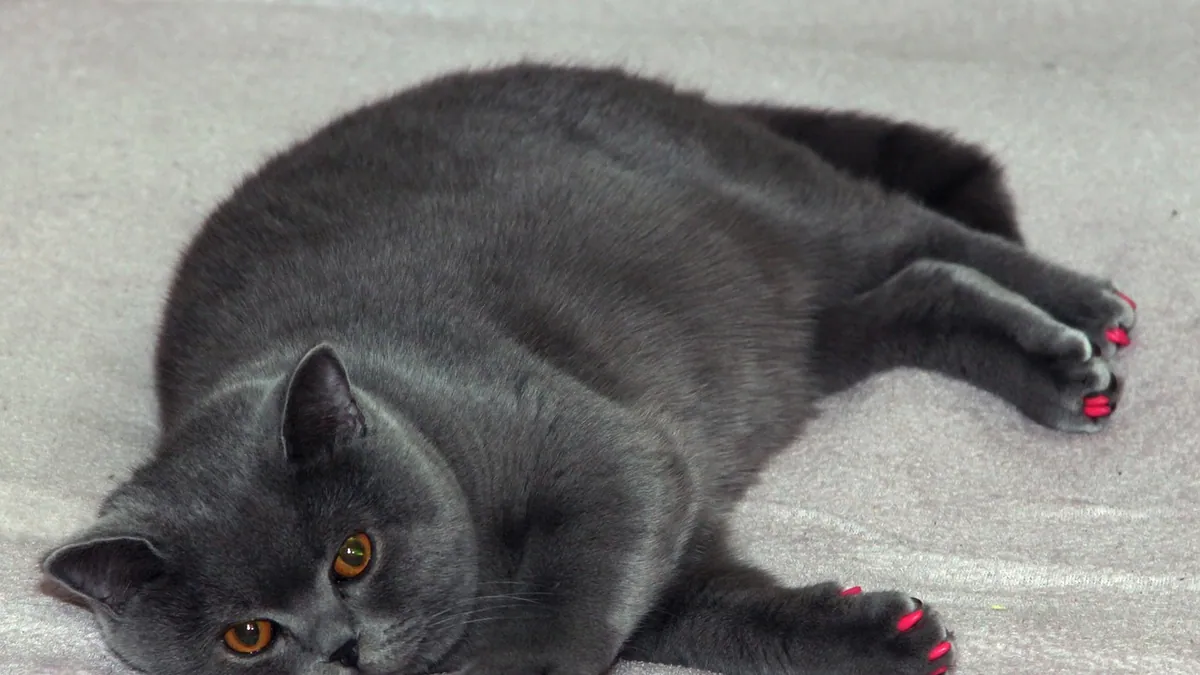
Pink skin is normal for most cats, especially where fur is thin, such as the belly, ears, and paw pads. Purple, deep red, or blue-tinged skin is not normal and usually points to bruising, poor blood flow, or another problem that needs veterinary care. This article is educational and is not a substitute for veterinary diagnosis or treatment.
Quick Answer
- Normal cat skin is pale pink to gray-pink, and it may look brighter pink after scratching, grooming, or lying in a warm spot.
- Purple, blue, or black-and-blue patches on the skin usually mean bruising or bleeding under the skin, which can follow trauma or a clotting problem.
- Red, inflamed skin with hair loss, crusting, or itching often points to allergies, parasites, or infection.
- Skin tumors are the most commonly seen tumors in cats, partly because they are easy to see and the skin is exposed to many tumor-causing factors in the environment [1].
- Any sudden color change, especially with swelling, pain, bleeding, or lethargy, should be checked by a veterinarian.
What Normal Cat Skin Looks Like
Cat skin color varies by breed, coat color, and body area. Most cats have pale pink skin under light-colored fur. Cats with dark coats often have gray, brown, or black skin, and that is normal. The nose leather, eyelids, and paw pads may be pigmented differently from the rest of the body.
A few things can make normal skin look pinker than usual. Warmth, recent grooming, rubbing against a rough surface, or a mild scratch can all boost blood flow and make skin look flushed for a short time. This kind of pink usually fades within minutes to hours.
What matters most is change. If a patch of skin looks different from the skin around it, or if the color change does not go away, that is worth a closer look.
When Pink Is Not Normal
Pink skin becomes a concern when it comes with other signs. Watch for redness that spreads, warmth, swelling, hair loss, crusting, oozing, or pain when you touch the area. A cat that licks, chews, or scratches one spot until the skin looks raw and pink may have an allergy or a skin infection. You can read more about that pattern in Cat Itchy Skin: Causes and When to See the Vet.
Causes of Cat Skin Discoloration
Skin color changes in cats fall into a few broad groups. Some are minor and self-limiting. Others need treatment. The table below lists the most common causes and how urgent each one tends to be.
| Cause | Typical clues | How urgent |
|---|---|---|
| Normal flushing from warmth, grooming, or mild irritation | Pink color fades within hours, no swelling or pain | Monitor at home |
| Bruising (trauma or clotting problem) | Purple, blue, or dark red patches, may spread, often after a fall or fight | Same-day vet visit, emergency if large or spreading |
| Allergies (flea, food, environmental) | Red, itchy skin, hair loss, scabs, often on belly, legs, or face | Routine visit, sooner if severe |
| Skin infection (bacterial or fungal) | Redness, crusting, odor, hair loss, sometimes oozing | Routine visit |
| Parasites (fleas, mites) | Red bumps, intense itching, visible fleas or flea dirt | Routine visit |
| Immune-mediated skin disease | Erythema (redness), hair loss, scaling, crusting, erosions, with or without itching [2][3] | Prompt vet visit |
| Skin tumors | New lump, color change in a spot, non-healing sore | Prompt vet visit |
| Poor circulation or low oxygen | Blue-tinged gums and skin, weakness, trouble breathing | Emergency |
Bruising and Purple Skin
Purple or blue-purple skin in a cat usually means blood has leaked into the tissue under the skin. This can happen after a fall, a car accident, a fight with another animal, or even rough handling. It can also happen with a clotting disorder, where the blood does not clot normally.
Bruising is easier to see on light skin and thin fur, such as the belly and inner thighs. On dark skin, you may notice swelling or tenderness instead of a color change. If you find a bruise and you do not know how it happened, or if bruises keep appearing, call your veterinarian.
Red Skin and Itching
Red skin (erythema) is one of the most common reasons owners notice a color change. Erythema often comes with hair loss, scaling, crusting, and erosions, and it can look like many other skin diseases, including allergies and infections [2][3]. Because the signs overlap so much, a veterinarian often needs to run tests to sort out the cause.
If your cat is itchy along with the redness, the problem may be an allergy. Flea allergy is one of the most common triggers, and it often shows up as redness and scabs near the tail base and lower back. To compare the patterns, see Cat Skin Allergy or Flea Allergy? How to Tell the Difference. Redness on the belly or legs can have its own set of causes, which are covered in Cat Skin Rash on Belly: What to Look For and Cat Skin Rash on Legs: What to Look For and How to Help.
Immune-Mediated Skin Disease
In immune-mediated skin disease, the cat's own immune system attacks the skin. These conditions are rare in cats, but they can be serious. They often cause redness, hair loss, scaling, crusting, and erosions, and they can be mistaken for allergies or infections at first glance [2][3]. Some cats with these diseases also develop severe systemic signs that affect their quality of life [2][3]. Early diagnosis gives your cat the best chance at good control.
Tumors and Color Change
Skin tumors are the most commonly seen tumors in cats [1]. They can appear as a new lump, a sore that will not heal, or a change in the color or texture of an existing spot. Some skin tumors are benign, and some are malignant. Lymphoma, a cancer of the blood and lymphatic system, can occasionally spread to the skin and cause distinctive tumors [1]. Because you cannot tell a benign growth from a malignant one just by looking, any new or changing lump deserves a veterinary exam.
Pigment Changes in the Eye
A dark spot on the iris (the colored part of the eye) is a different situation from skin color change, but owners often notice both at once. Iris hyperpigmentation can progress to feline diffuse iris melanoma, a serious eye tumor. In one review of 92 cats with iris hyperpigmentation, 22% had an eye removed, and all of those were confirmed as feline diffuse iris melanoma [4]. If you see a new dark spot on your cat's eye, have it checked.
Red Flags: When to Seek Emergency Care
Some color changes mean your cat needs to be seen right away. Go to an emergency clinic if you notice any of these:
- Purple, blue, or black patches that appear suddenly or spread quickly
- Pale white or blue-tinged gums along with weakness or collapse
- Trouble breathing, open-mouth breathing, or a blue tint to the tongue
- Bleeding that will not stop, or blood in the urine or stool
- A large swollen area after a fall, fight, or accident
- A sore that bleeds, smells, or grows fast
Blue-tinged skin and gums mean the tissues are not getting enough oxygen. This is always an emergency. In one report, a cat with a tracheal mass had cyanosis (a blue tint) along with breathing difficulty for several days before dying [5]. Breathing problems in cats can worsen quickly, so do not wait to see if it improves on its own.
What You Can Do at Home While You Wait
You cannot treat most skin color changes at home, but you can keep your cat safe and comfortable until the vet visit.
- Take photos of the area in good light, and note the date. This helps your vet see whether the change is spreading.
- Do not apply human creams, ointments, or antibiotics to your cat's skin. Cats lick their skin, and many human products are toxic to them.
- Do not give any human pain reliever. Common ones such as ibuprofen and acetaminophen are dangerous for cats.
- Keep your cat indoors and away from other animals if there has been a fight or a wound.
- Check the gums. They should be pink. Pale, white, or blue gums need emergency care.
- Keep the area clean and dry. Do not scrub or pick at scabs.
- Note any other signs, such as not eating, hiding, vomiting, or limping.
If you think your cat swallowed a medication, a plant, or a household product, call your veterinarian or a pet poison control hotline right away. Have the product container with you when you call.
What Your Veterinarian Will Check
Your vet will start with a full physical exam, including the skin, gums, eyes, and lymph nodes. They will ask when you first noticed the change, whether it has spread, and whether your cat has been itching, licking, or acting different.
Common Tests
- Skin scraping or tape prep to look for mites and other parasites
- Fungal culture or a Wood's lamp exam if ringworm is suspected
- Skin cytology to check for bacteria and yeast
- A skin biopsy, where a small sample is sent to a lab, if a tumor or immune-mediated disease is possible
- Blood work, including a clotting panel if bruising is the main sign
- Imaging such as X-rays or ultrasound if trauma or internal bleeding is a concern
Your veterinarian will explain which tests make sense for your cat. Not every cat needs every test. The choice depends on the signs, the exam findings, and how urgent the problem seems.
Treatment Depends on the Cause
Treatment is different for each cause. Bruising from trauma may need rest, pain control, and monitoring. Allergies may need flea control, diet changes, or medication. Infections need the right antibiotic or antifungal. Immune-mediated diseases often need medication that calms the immune system, and the dose is set by your veterinarian based on your cat's weight and health. Tumors may need surgery, and the plan depends on the type and location. Your vet will calculate any medication dose for your cat specifically.
Prevention and Monitoring
You cannot prevent every skin problem, but you can catch many of them early.
- Brush your cat weekly and run your hands over the body. You will learn what normal skin and coat feel like, so changes stand out.
- Part the fur on the belly, inner thighs, and ears once a month to check for color changes, lumps, or scabs.
- Keep flea prevention current. Flea allergy is a common cause of red, itchy skin.
- Limit sun exposure for light-skinned cats, since solar radiation is one factor that can cause skin tumors [1].
- Keep your cat indoors to lower the risk of fights, accidents, and exposure to other cats.
- Schedule a vet visit for any lump, sore, or color change that lasts more than a few days.
If your cat has a known skin condition, follow your vet's recheck schedule. Many skin diseases look better before they are fully controlled, and stopping treatment early can lead to a relapse.
Limitations and When to Contact a Veterinarian
This article cannot tell you what is causing your cat's skin color change. Only a veterinarian who examines your cat can do that. Individual cases need a veterinarian, and the timing matters.
Call for an emergency visit now if you see blue or purple skin with breathing trouble, collapse, uncontrolled bleeding, or a large bruise after trauma.
Call for a same-day visit if you find new purple or dark patches, a wound that will not stop oozing, or gums that look pale or blue.
Call for a routine visit if you notice a small pink or red patch, mild itching, a new lump, or a color change that has lasted more than a few days without other signs.
When in doubt, call your vet's office and describe what you see. A quick phone call can help you decide whether to come in now or watch at home.
Frequently Asked Questions
Is pink skin on a cat normal?
Yes, pale pink skin is normal for most cats, especially where the fur is thin. Pink skin becomes a concern when it is new, spreading, or paired with swelling, hair loss, crusting, or pain. A short-lived flush after grooming or warmth is usually nothing to worry about.
Why does my cat have purple skin?
Purple skin usually means bruising, which is blood leaking into the tissue under the skin. It can follow a fall, a fight, or a car accident, and it can also happen with a clotting problem. Because you cannot tell the difference at home, have your cat examined.
Can cat skin discoloration go away on its own?
Some mild redness from warmth or a small scratch fades on its own within hours. Bruising from a minor bump may also fade over days. However, color changes that spread, last more than a few days, or come with other signs need a vet visit. Do not assume a purple or blue patch will resolve without care.
What does red skin on a cat mean?
Red skin, also called erythema, often points to inflammation from allergies, parasites, or infection. It can also be a sign of an immune-mediated skin disease, which can look like many other conditions [2][3]. Your vet can narrow down the cause with an exam and simple tests.
Are skin tumors common in cats?
Yes, tumors of the skin and the tissue just under the skin are the most commonly seen tumors in cats [1]. They can be benign or malignant, and they may show up as a lump, a sore, or a color change. Any new or changing growth should be checked by your veterinarian.
Related Articles
- Cat Skin Rash on Belly: What to Look For
- Cat Skin Allergy or Flea Allergy? How to Tell the Difference
- Cat Skin Rash on Legs: What to Look For and How to Help
- Cat Itchy Skin: Causes and When to See the Vet
- Why Is My Cat So Itchy?
- Cat Vomiting Yellow Liquid: What It Means
- Cat Skin Color Under the Fur: What's Normal and What's Not
- Why Is My Cat's Skin Turning Blue?
- Cat Losing Fur and Skin Color: Causes to Know
References
- Tumors of the Skin in Cats - Cat Owners. Merck Veterinary Manual.
- Feline immune-mediated skin disorders: Part 2. Journal of feline medicine and surgery, 2025.
- Feline immune-mediated skin disorders: Part 1. Journal of feline medicine and surgery, 2025.
- Iris Hyperpigmentation in Cats: Progression, Globe Retention and Long-Term Survival. Veterinary ophthalmology, 2026.
- Tracheal melanoma in a cat. Journal of veterinary diagnostic investigation : official publication of the American Association of Veterinary Laboratory Diagnosticians, Inc, 2026.