Why Does My Dog Keep Nibbling His Legs and Paws?
By Dr. Zubair Khalid, DVM, MS, PhD ·
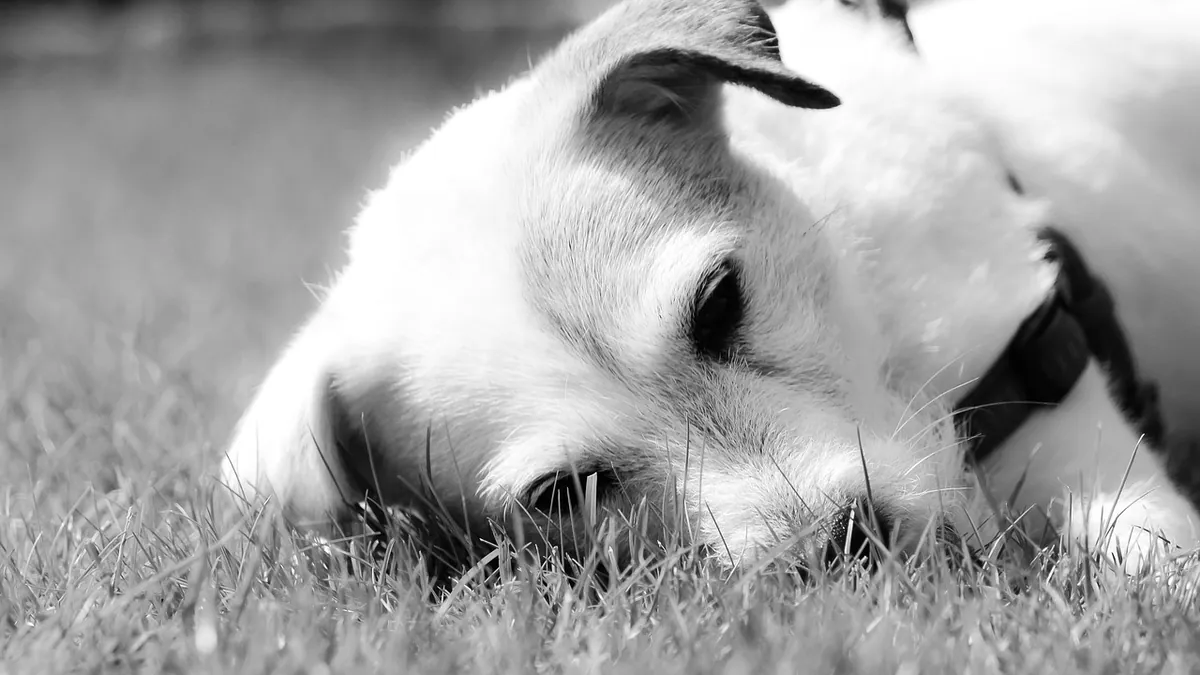
If your dog keeps nibbling his paws, that repeated chewing is a sign something feels wrong, most often itchiness, irritation, or pain in that spot. Dogs cannot tell you what bothers them, so they use their mouth to scratch, soothe, or self-treat. The pattern of the nibbling (when it happens, where it happens, and what the skin looks like) is your best clue to the cause.
This article is educational and is not a substitute for veterinary diagnosis or treatment.
Quick Answer
- Nibbling at paws, legs, or the rear end is a symptom, not a diagnosis. Itching from allergies and fleas is the most common reason, but pain and anxiety can look similar.
- Look at the skin first. Redness, hair loss, crusts, saliva staining, or a bad smell point toward a skin problem. Normal-looking skin with sudden licking often points toward pain or a foreign object.
- Check for fleas even if you do not see them. Fleas and flea allergy are top causes of rear-end and tail-base chewing.
- Do not give human medications, especially pain relievers, without veterinary guidance. Some are toxic to dogs.
- If the nibbling started suddenly, is constant, or comes with limping, swelling, or open sores, call your veterinarian.
What Normal Paw and Leg Chewing Looks Like
Dogs chew. Chewing is a normal behavior for dogs of all ages, and it keeps their jaws strong and their teeth clean [1]. Puppies chew heavily while they teethe, and that intense phase usually ends by about six months of age [1]. Adult dogs chew for fun, for stimulation, and to relieve anxiety [1].
So how do you tell normal from a problem? Normal grooming is brief and casual. A dog might lick a paw for a few seconds after a walk and then stop. Problem nibbling looks different:
- It repeats many times a day and lasts longer each time.
- It targets the same paw, leg, or spot every time.
- The dog stops to chew during play, meals, or walks.
- The skin changes over days or weeks (redness, thinning hair, dark saliva stains, sores).
- The dog seems uncomfortable, restless, or cranky when you touch the area.
If your dog keeps nibbling her legs in the same spot and the skin is changing, treat it as a medical sign worth investigating. For a closer look at licking that centers on the paws and mouth area, see Dog Keeps Licking Paws And Lips.
Main Causes of Nibbling at Paws, Legs, and the Rear End
Allergies and Itchy Skin
Allergic skin disease is one of the most common reasons dogs chew at themselves. Canine atopic dermatitis is a common chronic, itchy, and inflammatory skin disease [2]. It tends to be long-lasting and comes back again and again [3]. Dogs with atopic dermatitis often develop redness and itching between the toes, a condition called interdigital dermatitis, and these lesions can be stubborn to treat [4].
Food allergies can look identical to environmental allergies. In dogs with nonseasonal itching, common food allergens include chicken, beef, dairy, wheat, and lamb [5]. In one study of dogs in Malaysia, Singapore, and Indonesia, chicken protein was the most common allergen reported, affecting 65% of cases in Malaysia, 31% in Singapore, and 63% in Indonesia [5]. The only reliable way to sort out a food allergy is a proper elimination diet trial followed by a food challenge, which your veterinarian can guide.
Fleas and Other Parasites
Fleas are a classic cause of chewing at the rear end, tail base, and back legs. Many dogs are not just bitten, they are allergic to flea saliva, so a single flea can set off intense itching. Mites (such as sarcoptic or demodectic mange) and other parasites cause similar signs. Because these pests are small and good at hiding, owners often miss them.
Pain and Joint Problems
A dog in pain may lick, chew, or nibble at the painful area. Pain aggression is a defensive reaction that happens when a dog is in pain, and it may occur when a dog expects to be moved or touched [6]. That is one reason a dog with a sore hip, knee, or spine may suddenly snap when you handle the rear end. Arthritis, a torn ligament, a pinched nerve, or a cracked toenail can all trigger focused chewing on one leg.
Foreign Objects, Cuts, and Skin Growths
A thorn, grass awn, splinter, or burr stuck between the toes causes sudden, intense licking of one paw. So can a small cut, a hot spot, or a cyst. Rare skin conditions can also cause nodules and itching. In one report, a dog with a rare skin condition called cutaneous plasmacytosis had nodules on the face and limbs along with progressive itching [7]. This is uncommon, but it shows why a skin problem that does not respond to basic care needs a closer look.
Behavior and Anxiety
Chewing can be a way to relieve anxiety [1]. Boredom, stress, confinement, or a change in routine can push a dog to chew at himself. Behavior problems and medical problems often overlap, which is why veterinarians rule out medical causes before treating a behavior as purely behavioral [6].
Cause Table
| Cause | Typical clues | How urgent |
|---|---|---|
| Fleas or flea allergy | Chewing at tail base and rear end, live fleas or flea dirt, seasonal flare-ups | Routine visit, sooner if skin is broken |
| Environmental allergy (atopic dermatitis) | Itchy paws, face, ears, and armpits, redness between toes, long-term or seasonal pattern [2][4] | Routine visit |
| Food allergy | Nonstop itching with no clear season, often year-round, gut signs sometimes [5] | Routine visit |
| Pain (joint, spine, nail, or bone) | One leg or one side, limping, flinching when touched, crankiness [6] | Same day if sudden or severe |
| Foreign object or wound | Sudden licking of one paw, swelling, discharge, odor | Same day |
| Anxiety or boredom | Chewing when alone or confined, normal skin, no limping [1] | Routine visit |
| Rare skin disease | Nodules plus itching that keeps getting worse [7] | Routine visit, sooner if growing fast |
Red Flags That Mean Emergency or Same-Day Care
Most nibbling is not an emergency, but some signs need fast action.
Call an emergency clinic now if you see:
- A swollen, hot, or bleeding paw or leg, or a wound that will not stop bleeding.
- Sudden collapse, weakness, or inability to bear weight on a leg.
- Vomiting, diarrhea, drooling, or tremors after your dog chewed something, including a plant, medication, or household product.
- A swollen face, hives, or trouble breathing, which can signal a severe allergic reaction.
- A leg that looks bent the wrong way or a toenail torn away from the quick.
Call your veterinarian the same day if you see:
- Sudden, nonstop chewing at one spot that started within hours.
- Limping that gets worse or does not improve after a day of rest.
- A bad smell, pus, or yellow crust on the skin.
- Your dog crying out or snapping when the area is touched [6].
- A firm lump or nodule that is growing or bleeding [7].
If your dog is licking one paw and limping but you cannot see anything wrong, that combination deserves a prompt exam. See Dog Keeps Licking Paw And Limping But Nothing There.
Safe Things You Can Do at Home While You Wait
You cannot diagnose the cause at home, but you can gather useful information and keep your dog comfortable.
Look and Record
- Check the paws, between the toes, the pads, the nails, and up the leg. Note which leg and which exact spot.
- Part the hair at the rear end and tail base and look for fleas, flea dirt (small dark specks), redness, or bald patches.
- Take clear photos of any skin changes, since they can look different by the time you reach the clinic.
- Write down when the nibbling happens (after meals, after walks, at night, when alone) and how long it lasts.
- Note any diet changes, new treats, new bedding, or new outdoor areas in the past few weeks.
Comfort Measures
- Use a cone or a soft recovery collar to stop chewing that is breaking the skin. This prevents infection while you wait for your appointment.
- Rinse a dirty paw with plain lukewarm water and pat it dry. Do not scrub an open sore.
- Keep the area dry. Moisture between the toes makes irritation worse.
- Give your dog a frozen toy or a frozen wet washcloth to chew. This can help numb mouth discomfort in teething puppies [1].
- Offer appropriate chew toys. Dogs need to learn what is okay to chew, and that teaching should be gentle and humane [1].
What Not to Do
- Do not give human pain relievers such as ibuprofen or acetaminophen. These can be toxic to dogs.
- Do not apply human creams, ointments, or essential oils unless your veterinarian approves them.
- Do not use flea products meant for other animals or for a different weight range.
- Do not punish the chewing. Punishment can increase fear and make behavior problems worse [6].
What Your Veterinarian Will Check and Test
Your veterinarian will start with a full history and a hands-on exam. Expect them to:
- Examine the skin, coat, paws, ears, and rear end under good light.
- Check for fleas, flea dirt, and other parasites, sometimes with a comb or skin scraping.
- Feel the joints, spine, and muscles for swelling, heat, or pain [6].
- Watch your dog walk and trot to look for lameness.
- Check the nails and the spaces between the toes for foreign objects.
Depending on what they find, they may recommend:
- A skin cytology or tape prep to look for bacteria and yeast.
- A skin scraping or hair sample to check for mites.
- A trial flea control plan for every pet in the home.
- An elimination diet trial if a food allergy is suspected [5].
- Blood work, especially if the itching is severe or the dog is not acting normally. Dogs with atopic dermatitis can show signs of inflammation beyond the skin, and researchers are still working out how blood markers relate to severity [2][3].
- A referral to a veterinary dermatologist for stubborn cases. Newer options exist for hard-to-treat interdigital itching, including localized cryotherapy, which has been studied for atopic interdigital dermatitis [4].
Treatment depends on the cause. Your veterinarian will calculate any medication dose from your dog's weight and health, so never guess a dose on your own.
Prevention and Monitoring
- Keep flea prevention current all year for every pet in the house.
- Dry paws after walks and after swimming or bathing.
- Trim nails and check between the toes weekly during petting sessions.
- Keep a simple log of flare-ups, including season, diet, and location on the body. Patterns help your veterinarian narrow the cause.
- Stick with the treatment plan even when the skin looks better. Allergic skin disease is chronic and tends to return [3].
- Give your dog daily exercise, puzzle toys, and chew toys to reduce boredom-driven chewing [1].
- Watch for behavior changes. A dog that becomes irritable when touched may be in pain, and pain can lead to defensive aggression [6].
If your dog keeps nibbling his back end, check the tail base and rear legs for fleas and redness first, then book an exam if the behavior continues. For more on repetitive paw chewing, see Dog Constantly Chewing On Paws.
Limitations and When to Contact a Veterinarian
This article gives general information only. Individual cases need a veterinarian who can examine your dog, because itching, allergies, pain, and behavior problems can look almost identical from the outside.
Contact an emergency clinic right away for bleeding that will not stop, a swollen or deformed limb, trouble breathing, collapse, or any suspected poisoning. For suspected poisoning in the United States, call the ASPCA Animal Poison Control Center at (888) 426-4435 or the Pet Poison Helpline at (855) 764-7661.
Call for a same-day appointment if the nibbling started suddenly, targets one spot, comes with limping, or if your dog cries or snaps when touched [6]. Schedule a routine visit if the nibbling is mild but keeps coming back, if the skin looks red or thinning, or if you see lumps or nodules that are changing [7].
Frequently Asked Questions
Why does my dog keep nibbling his paws?
The most common reason is itching from allergies, fleas, or irritated skin. Pain, foreign objects, and anxiety can cause the same behavior. A veterinarian exam is the fastest way to tell these apart.
Is nibbling at the legs always a sign of allergies?
No. Allergies are common, but joint pain, nail injuries, and behavior problems can also cause it. A dog that flinches or snaps when you touch the leg is more likely to be in pain [6].
Can food allergies cause paw chewing?
Yes. Food allergies can cause year-round itching that looks just like environmental allergies. Common triggers include chicken, beef, dairy, wheat, and lamb [5]. Diagnosis requires an elimination diet trial and a food challenge.
Should I stop my dog from chewing his paws?
Stop chewing that breaks the skin by using a cone, and call your veterinarian. Do not punish the behavior, since punishment can worsen fear and aggression [6]. Gentle redirection to appropriate chew toys is safer [1].
How long can I wait before seeing a vet?
If the skin looks normal and the nibbling is occasional, you can monitor for a day or two. If it is constant, one-sided, or the skin is red, raw, or smelly, book a visit promptly. Sudden severe signs need same-day care.
Related Articles
- Dog Keeps Licking Paws And Lips
- Dog Constantly Chewing On Paws
- Dog Keeps Licking On Paw
- Dog Keeps Licking Paw And Limping But Nothing There
- Dog Keeps Licking My Feet
- Dog Licking Paws Constantly
- Why Does My Dog Nibble Himself? Normal vs Problem
- Why Is My Puppy Biting His Foot? Paw Chewing Causes
- Bump on Your Dog's Leg or Foot: Causes and When to Worry
References
- Destructive Chewing. ASPCA Animal Poison Control Center.
- Systemic Inflammation in Dogs With Atopic Dermatitis Compared to Healthy Dogs and Dogs With Pemphigus Foliaceus: A Study Using a Limited Cytokine Panel. Veterinary dermatology, 2026.
- Serum Cytokine Profiles and Their Association with Clinical Severity in Dogs with Atopic Dermatitis. Animals : an open access journal from MDPI, 2026.
- Effect of localized cryotherapy on interdigital pruritus of dogs with canine atopic dermatitis. Journal of veterinary science, 2025.
- Clinical Signs and Offending Food Allergens in Canine Cutaneous Adverse Food Reactions in Malaysia, Singapore and Indonesia: A Prospective Study. Veterinary dermatology, 2026.
- Behavior Problems in Dogs - Dog Owners. Merck Veterinary Manual.
- Cutaneous plasmacytosis with atypical clinical behavior in two dogs. The Journal of veterinary medical science, 2026.