Why Does My Dog Nibble Himself? Normal vs Problem
By Dr. Zubair Khalid, DVM, MS, PhD ·
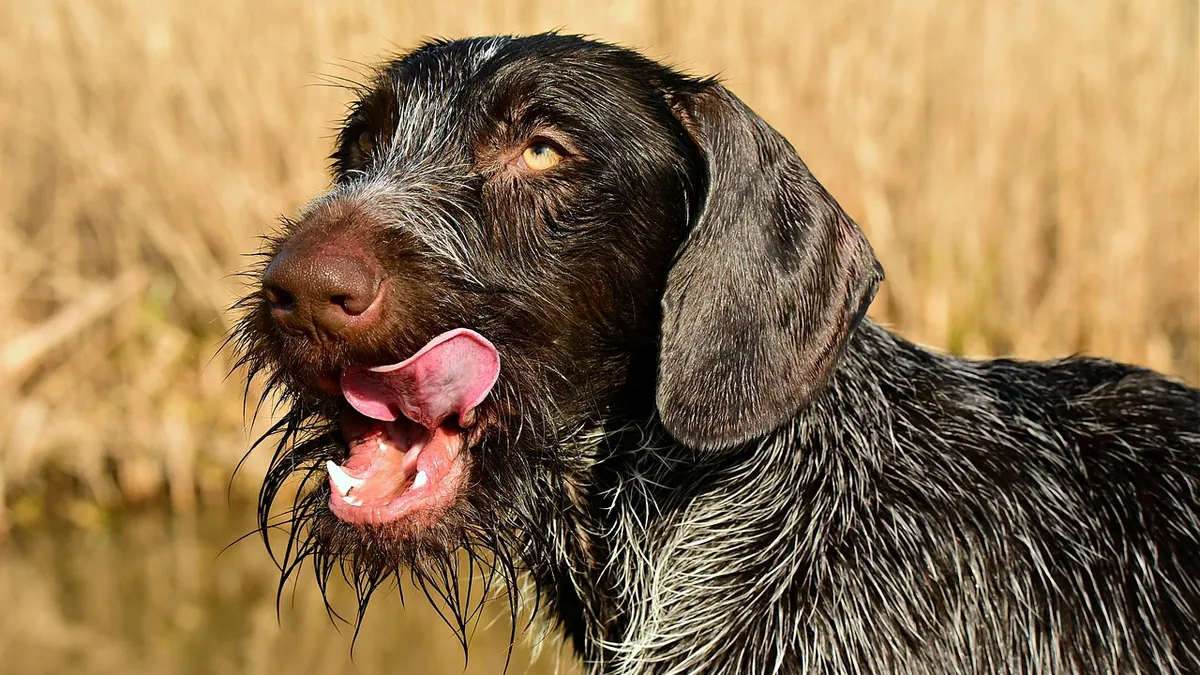
Occasional nibbling is normal for dogs. Dogs use their mouths and tongues to groom, scratch an itch, and clean their coats, so a few quick nibbles after a walk or a nap are usually nothing to worry about. The question of whether it is normal for dogs to nibble themselves gets harder to answer when the nibbling becomes constant, focused on one spot, or intense enough to pull hair or break skin.
This article is educational and is not a substitute for veterinary diagnosis or treatment.
Quick Answer
- Brief nibbling at the paws, flank, or tail base after activity is normal grooming behavior.
- Nibbling that lasts more than a few minutes, happens many times a day, or targets one spot is a sign to call your veterinarian.
- The most common causes of problem nibbling are allergies, fleas and other parasites, skin infections, and anxiety.
- Pain is a major trigger for behavior changes in dogs, and a veterinary behavior caseload review found that 28% to 82% of patients showed signs of pain [1].
- Never give human antihistamines, steroids, or flea products without a veterinarian's guidance, because doses are calculated from your dog's weight and health.
What Dog Nibbling Actually Looks Like
Nibbling can mean several different things, and the exact motion matters.
Some dogs nibble with their front teeth in quick, small bites, almost like they are chewing on themselves. Others lick or chew at a paw, a leg, the base of the tail, or the belly. Some dogs nibble the air or their own flank in a repetitive pattern.
Normal grooming behavior
Normal grooming is short and casual. Your dog might nibble a paw for a few seconds after coming inside, then stop and move on. The skin underneath looks normal, the coat is intact, and your dog is not bothered by it.
Puppies nibble for their own reasons. Puppies explore the world with their mouths, and they also nibble as part of play and teething. It is normal for puppies to nibble themselves briefly during grooming, and it is normal for puppies to nibble on you during play, though that behavior should be redirected to toys early.
When nibbling looks different
Problem nibbling has a different feel. Your dog may stop mid-walk to chew a paw. The nibbling may go on for minutes at a time. You may hear licking at night. Hair may be stained brown from saliva, thinned, or missing. The skin may look red, scabby, or moist.
Some dogs nibble in a trance-like way and are hard to interrupt. That pattern points more toward a compulsive or anxiety-driven behavior than simple itch relief.
Is It Normal for Dogs to Nibble Themselves? Normal vs Problem
The honest answer is that it depends on frequency, intensity, and location.
A dog who nibbles once or twice a day and has healthy skin is likely fine. A dog who nibbles the same spot every day, or who cannot be distracted from it, needs a veterinary visit.
Veterinarians draw a line between normal but undesirable behaviors and behaviors caused by an underlying disorder [1]. Chewing, digging, and mouthing are all part of the normal canine behavior repertoire, but they become problems when they happen in excess or cause harm [1].
Nibbling is the same. It is a normal behavior that becomes a medical or behavioral problem when it is frequent, focused, or damaging.
Main Causes of Problem Nibbling
| Cause | Typical clues | How urgent |
|---|---|---|
| Allergies (environmental or food) | Licking and chewing paws, face rubbing, red skin, seasonal or year-round itching | Routine visit, sooner if skin is broken |
| Fleas and other parasites | Nibbling at the tail base and rear, visible fleas or flea dirt, scabs | Routine visit, treat promptly |
| Skin infection (bacterial or yeast) | Red, greasy, smelly skin, hair loss, dark thickened skin | Routine visit within days |
| Anxiety or compulsive behavior | Nibbling when alone or stressed, trance-like chewing, other repetitive habits | Routine visit, sooner if self-injury |
| Pain or nerve discomfort | Nibbling one limb or one area, limping, flinching when touched | Same-day call |
| Hormonal or immune conditions | Symmetric hair loss, thin coat, changes in appetite or thirst | Routine visit |
| Rare skin tumors or growths | New lumps, nodules, or non-healing sores | Routine visit, sooner if growing fast |
Allergies
Allergies are one of the most common reasons dogs chew on themselves. Canine atopic dermatitis is a prevalent allergic skin disorder tied to environmental allergens such as house dust mites [2]. Dogs with atopic dermatitis often itch intensely at the paws, face, ears, and belly.
Interdigital dermatitis, meaning inflammation between the toes, is a significant problem in dogs with atopic dermatitis, and these lesions can be stubborn to treat with standard therapies [3]. That is why paw nibbling is such a common complaint in allergy dogs.
Allergen-specific immunotherapy is one long-term option veterinarians use for dogs with atopic dermatitis, and it is given over months, not days [2].
Fleas and parasites
Flea bites cause intense itching, especially at the tail base and lower back. Dogs with fleas often nibble and bite at their rear end instead of their paws.
Mites and other parasites can cause similar signs. Your veterinarian can check for these with a skin scraping or tape prep.
Skin infections
Once a dog breaks the skin barrier by chewing, bacteria and yeast move in. That creates more itching, which creates more chewing. This itch-scratch cycle is why skin infections often need treatment alongside the original cause.
Anxiety and compulsive behavior
Behavior problems rooted in fear, anxiety, excessive arousal, and impulsivity can develop from genetic factors, stressful early environments, poor socialization, medical conditions affecting the brain, or traumatic events [1]. Repetitive movement disorders fall into this group [1].
Fearfulness is common in family dogs and can show up as trembling, hiding, flinching at noises, panting, or ears held back [4]. A fearful dog may nibble as a self-soothing behavior. If your dog shows these signs along with the nibbling, see Why Is My Dog Shaking? for more on what trembling can mean.
Pain
Pain deserves special attention. Pain is an important risk factor for behavior problems, and in one review of veterinary behaviorists' cases, 28% to 82% of patients showed signs of pain [1]. A dog nibbling at one leg, one paw, or one spot on the flank may be reacting to discomfort instead of itch.
If your dog has other behavior changes along with the nibbling, Why Is My Dog Having Behavior Problems covers the broader picture.
Rare causes
Some conditions are uncommon but serious. Cutaneous plasmacytosis is a rare condition of multiple skin tumors, and while typical cases do not itch, atypical cases with progressive itching have been reported [5]. In one report, a dog with this condition continued to worsen despite treatment and died on day 170 [5].
Self-mutilation by biting has also been linked to severe internal disease in at least one animal case, where a raccoon dog died after biting its own tail and developing anorexia, with widespread infection found after death [6]. These cases are rare, but they show why persistent self-biting should never be ignored.
Red Flags That Make It an Emergency
Call an emergency clinic right away if you see any of these.
- Bleeding, open wounds, or a sore that will not stop oozing
- Sudden intense chewing that started within hours
- Swelling of the face, hives, or trouble breathing
- Vomiting, diarrhea, or refusal to eat along with the nibbling
- Weakness, collapse, or a swollen, painful limb
- Nibbling that started after your dog ate something unusual or got into medication
For swallowed toxins or suspected poisoning, call the ASPCA Animal Poison Control Center at (888) 426-4435 or the Pet Poison Helpline at (855) 764-7661. These lines may charge a consultation fee.
If your dog stops eating during any of this, see Why Is My Dog Not Eating? for guidance on how quickly that needs attention.
What You Can Do at Home While You Wait
You cannot diagnose the cause at home, but you can gather useful information and keep your dog comfortable.
Track the pattern
Write down when the nibbling happens. Note the time of day, what your dog was doing, whether it was after eating, after a walk, or when you left the room. Photograph the area. Note any season changes, new foods, new bedding, or new pets in the home.
Check the skin gently
Part the fur and look at the skin. Note redness, scabs, bumps, hair loss, or a smell. Do not scrub or apply ointments unless your veterinarian tells you to.
Use a cone if needed
If your dog is breaking skin, an Elizabethan collar or a soft recovery cone can stop the damage while you wait for your appointment. This is a temporary measure, not a treatment.
Keep up flea prevention
Use only flea products labeled for your dog's weight and species. Never use a product made for cats on a dog, and never use a product made for a large dog on a small one.
Reduce stress
If the nibbling seems tied to anxiety, keep routines predictable. Give your dog a quiet space, avoid punishment, and add gentle exercise and chew toys. Punishment can make anxiety-driven behavior worse.
Do not give human medications
Do not give antihistamines, steroids, or pain relievers from your own cabinet. Your veterinarian calculates any dose from your dog's weight and health, and some human drugs are toxic to dogs.
What Your Veterinarian Will Check and Test
Your veterinarian will start with a full history and a physical exam. Expect questions about diet, flea prevention, home environment, and when the nibbling started.
Skin and parasite checks
Your veterinarian may do a skin scraping, tape prep, or hair pluck to look for mites and other parasites. A skin cytology can check for bacteria and yeast. In some cases, a fungal culture is needed.
Allergy workup
If allergies are suspected, your veterinarian may recommend a diet trial, skin or blood allergy testing, or both. Allergy testing is not a one-visit answer, and results are interpreted alongside your dog's history.
Pain and orthopedic exam
Because pain is such a common driver of behavior change [1], your veterinarian will likely check your dog's joints, spine, and limbs for tenderness, stiffness, or reduced range of motion.
Behavior assessment
If medical causes are ruled out, your veterinarian may assess for anxiety, fear, or compulsive disorders [1]. In some cases, referral to a veterinary behaviorist is helpful.
Treatment options
Treatment depends on the cause. Options may include parasite control, antibiotics or antifungals for skin infection, allergy management, anxiety medication, or behavior modification. For atopic interdigital dermatitis, newer options such as localized cryotherapy are being studied, and treated dogs showed improvement in redness and severity scores after treatment [3]. Ask your veterinarian whether any newer option fits your dog.
If your dog has other behavior concerns, My Dog Has Behavior Problems walks through how veterinarians approach these cases.
Prevention and Monitoring
You cannot prevent every cause of nibbling, but you can lower the odds and catch problems early.
- Stay current on flea, tick, and parasite prevention all year.
- Bathe and brush your dog regularly, and check the skin during grooming.
- Treat dry, irritated skin with veterinarian-approved products only.
- Keep a consistent routine to reduce anxiety triggers.
- Watch for early signs like paw licking after walks or increased licking at night.
- Schedule a checkup if the nibbling pattern changes, even if the skin still looks normal.
Dogs with allergies often need long-term management, not a one-time cure. Allergen immunotherapy for atopic dermatitis is typically given over many months, and clinical and immune markers are tracked over that time [2]. Plan for follow-up visits.
Limitations and When to Contact a Veterinarian
This article cannot tell you what is causing your dog's nibbling. Only a veterinarian who examines your dog can do that, and individual cases need a veterinarian's judgment.
Call your veterinarian the same day if your dog is nibbling one spot raw, limping, yelping when touched, or suddenly much more focused on the behavior than usual.
Go to an emergency clinic now if there is heavy bleeding, a deep wound, facial swelling, trouble breathing, collapse, or if your dog cannot be distracted from chewing itself.
Schedule a routine visit if the nibbling is frequent but your dog is otherwise acting normal, eating well, and the skin looks healthy. Bring your notes and photos so your veterinarian has the full picture.
Frequently Asked Questions
Is it normal for puppies to nibble themselves?
Yes, brief nibbling during grooming and play is normal for puppies. Puppies explore with their mouths and may nibble their own paws or tail during play. Watch for the same warning signs as with adult dogs, such as constant chewing, hair loss, or broken skin.
Is it normal for puppies to nibble on you?
Puppies nibbling on people is common during play and teething, but it should be redirected to toys. Play biting is a normal canine behavior that owners usually find undesirable [1]. If the biting is hard, frequent, or paired with growling or stiff body language, talk to your veterinarian.
Why does my dog chew on himself at night?
Nighttime chewing often points to allergies, dry skin, or anxiety when the house is quiet. Some dogs lick or chew as a self-soothing habit when they are alone or bored. If it happens most nights, it is worth a veterinary visit.
Can fleas cause my dog to nibble at his back?
Yes, fleas commonly cause nibbling and biting at the tail base and lower back. Flea bites itch intensely, and dogs often react more than the number of fleas would suggest. Year-round flea prevention is the best defense.
Will changing my dog's food stop the nibbling?
Only if a food allergy is the cause, and food allergies are less common than environmental allergies. A proper diet trial must be done with your veterinarian's guidance, using a specific diet for a set period. Changing foods on your own rarely solves the problem and can make the history harder to sort out.
Related Articles
- Why Is My Dog Having Behavior Problems
- Why Is My Dog Not Eating?
- My Dog Has Behavior Problems
- Why Is My Dog Shaking?
- Why Is My Dog Drooling?
- Dog Growling When Touched: Pain or Behavior Problem?
- Why Does My Dog Keep Nibbling His Legs and Paws?
- Why Is My Dog Acting Weird or Not Acting Normal?
- Why Does My Puppy Chase His Tail? Normal or Problem?
References
- Behavior Problems of Dogs - Behavior. Merck Veterinary Manual.
- Clinical and Immunological Responses to Dermatophagoides farinae Allergen Immunotherapy in Dogs With Atopic Dermatitis. Veterinary dermatology, 2026.
- Effect of localized cryotherapy on interdigital pruritus of dogs with canine atopic dermatitis. Journal of veterinary science, 2025.
- Targeted lipidomics showed altered serum phosphatidylcholine levels in fearful dogs. PloS one, 2026.
- Cutaneous plasmacytosis with atypical clinical behavior in two dogs. The Journal of veterinary medical science, 2026.
- Disseminated nocardiosis in a Japanese raccoon dog (Nyctereutes procyonoides viverrinus). The Journal of veterinary medical science, 2026.