Dog Itchy Paws: Causes and How to Stop the Itching
By Dr. Zubair Khalid, DVM, MS, PhD ·
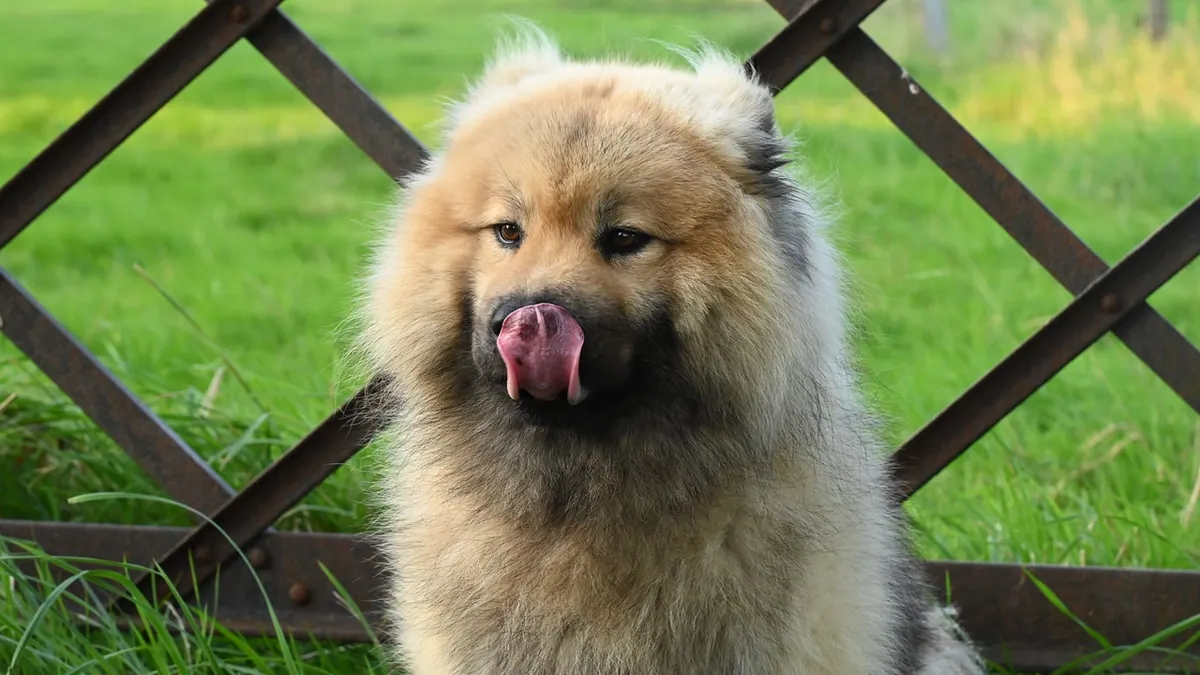
Itchy paws are one of the most common reasons dogs lick, chew, and bite at their feet. Most cases come down to allergies, yeast or bacterial infections, or contact irritation from something your dog walks on [1][2]. Learning how to treat dog itchy paws starts with figuring out which of those is most likely, because the right fix depends on the cause.
This article is educational and is not a substitute for veterinary diagnosis or treatment.
Quick Answer
- Allergies are the most common long-term cause of itchy paws in dogs, and food or environmental allergens can both be involved [3].
- Yeast and bacterial infections often develop on top of allergies and cause licking, odor, redness, and brown staining on the paws [1].
- A vet visit is needed if you see swelling, discharge, odor, open sores, limping, or itching that does not improve within a week or two.
- At home, rinse and dry the paws after walks, keep the fur between the toes trimmed, and prevent licking with a cone or sock.
- An 8 to 12 week elimination diet trial is the only reliable way to diagnose a food allergy, and it must be done with guidance from your veterinarian [4].
What Itchy Paws Look Like and What Is Normal
Some paw licking is normal. Dogs groom their feet, clean off debris, and occasionally nibble at a minor irritation. What you want to watch for is a change in pattern.
Problem licking tends to be focused on one or more paws, happens many times a day, and continues even when your dog is resting or about to sleep. The fur between the toes may look stained reddish-brown from saliva. The skin can be red, thickened, or scaly. You may notice a musty or yeasty smell, or see hair loss on the top of the paw [2].
Dogs with atopic dermatitis often start showing signs at a young age, and the itching is usually chronic and comes back in flares [5]. If your dog has been licking for months with brief breaks, that pattern points toward an underlying allergy instead of a one-time irritation.
Why Are My Dog's Paws Itchy? The Main Causes
Itching is a sign, not a diagnosis. The most common causes of itching in dogs are parasites, infections, and allergies [1]. Your veterinarian will typically rule out parasites first, then look for infection, then consider allergies [1].
| Cause | Typical clues | How urgent |
|---|---|---|
| Fleas and mites | Intense itching, hair loss, crusting, often starts suddenly | See a vet soon, parasites are treatable and contagious to other pets |
| Yeast infection | Musty odor, brown staining, thickened skin, licking between toes | See a vet within days, needs specific treatment |
| Bacterial infection | Redness, pus, odor, fluid discharge, sometimes painful | See a vet within days, often needs 21 to 30 days of antibiotics [1] |
| Environmental allergy (atopic dermatitis) | Seasonal or year-round itching, paws and face affected, starts young [5] | Routine visit, long-term management |
| Food allergy | Non-seasonal itching, often paws, ears, and rear end, no response to seasonal changes [4] | Routine visit, needs an elimination diet trial |
| Contact irritation | Itching only on paws that touch the ground, improves when away from the trigger | Usually improves with rinsing and avoidance |
Food allergies deserve a closer look because owners often ask about them. In a study of dogs with confirmed cutaneous adverse food reactions, chicken was the most common offending protein in Malaysia, Singapore, and Indonesia [4]. Beef, dairy, chicken, wheat, and lamb are the most frequently reported offenders in dogs from Australia, Europe, and North America [4]. If you are searching for dog food for itchy paws, the honest answer is that no over-the-counter diet can diagnose or treat a food allergy. Only a proper elimination diet trial with a novel protein or hydrolyzed diet, followed by a challenge, can confirm it [4].
If your dog's itching is body-wide and not just on the paws, see Why Is My Dog So Itchy?. If you are seeing redness, bumps, or crusting specifically on the feet, Dog Skin Rash on Paws: Causes and Treatment walks through the visual signs.
Red Flags That Mean It Is an Emergency
Most itchy paws are not emergencies. A few situations are.
Call an emergency clinic right away if your dog is limping badly, cannot bear weight on a paw, has a swollen foot that is hot to the touch, or has a deep wound or a foreign object stuck in the pad. Swelling with fever, lethargy, or loss of appetite also needs same-day care.
If your dog has been licking so much that the skin is raw, bleeding, or oozing, that is a same-day vet visit. Open skin is a doorway for infection, and the longer it stays open, the harder it is to treat.
If your dog is on a prescription medication for itching and develops vomiting, diarrhea, or wobbliness, stop and call your vet. Do not give human antihistamines, steroid creams, or pain relievers without veterinary guidance. Some common human medications are toxic to dogs.
Safe Things You Can Do at Home While Waiting
These steps will not cure an allergy, but they reduce the itch load and prevent the problem from getting worse while you wait for your appointment.
Rinse and dry the paws
After every walk, rinse your dog's paws with plain lukewarm water and dry them thoroughly, including between the toes. This removes pollen, grass, and road salt that can trigger contact irritation. Damp paws also feed yeast, so drying matters as much as rinsing.
Keep the fur between the toes short
Long fur traps moisture and debris. A quiet trim with blunt-tipped scissors, or a clipper if your dog tolerates it, keeps the area drier. Do not cut into the skin. If you are not comfortable doing this, ask your groomer or vet tech.
Block the licking
A cone, a soft recovery collar, or a clean sock taped loosely around the paw stops the licking cycle. Licking feels good for a moment, then damages the skin, which makes the itch worse. Breaking that loop is one of the most useful things you can do.
Use a vet-approved paw wipe or soak
Plain water is fine for most dogs. If your vet has recommended a medicated wipe or an epsom salt soak, follow their instructions exactly. Do not use essential oils, vinegar, or human creams on your dog's paws unless your vet says so. Some topical products have evidence behind them, but they are specific formulations tested in clinical settings, not kitchen remedies [6].
Consider a topical product only if your vet approves it
A clinical trial of a topical cream containing essential oils, zinc, and salicylic acid found a greater reduction in itching compared to placebo in dogs with chronic noninfectious itching [6]. A separate trial of a topical spray for allergic pododermatitis found more than 50 percent improvement in itching and lesion scores over 28 days [7]. These are prescription or vet-recommended options, not something to pick up at a pet store on your own. Your veterinarian will decide if one is appropriate for your dog.
Do not start a random diet change
Switching to a random "hypoallergenic" or grain-free food rarely helps and can make a true diagnosis harder later. If you suspect a food allergy, talk to your vet about a structured elimination diet trial first [4]. For more on stopping the licking habit itself, see Dog Licking Paws How To Stop.
What the Veterinarian Will Check and Test
Your vet will start with a full history. They will ask when the itching started, whether it is seasonal, what your dog eats, what treats and chews are given, what cleaning products you use, and whether other pets in the home are itchy.
The physical exam focuses on the paws, ears, face, and rear end. Your vet will look for redness, swelling, hair loss, scaling, odor, and discharge [2]. They will check for fleas and mites, often with a skin scraping or tape prep, because parasites are the first cause they want to rule out [1].
If infection is suspected, your vet may take a swab or impression smear to identify bacteria or yeast. Bacterial skin infections often need a 21 to 30 day course of antibiotics, and stopping early leads to relapse [1]. Yeast infections need antifungal treatment, which may be topical, oral, or both.
If parasites and infection are ruled out and the itching is chronic, your vet will consider allergies. Atopic dermatitis is a chronic genetic condition involving a defective skin barrier, allergen sensitization, and changes in the skin microbiome [5]. Diagnosis is based on history, exam, and ruling out other causes [5].
For food allergy, the only reliable test is an elimination diet trial followed by a challenge [4]. Blood and saliva allergy tests for food are not reliable, and your vet will likely advise against them.
Treatment for atopic dermatitis is often multimodal. It can include systemic medications for immunomodulation, topical treatments, and management of secondary infections [5]. Newer options include targeted topicals such as a TRPV1 channel antagonist spray, which showed improvement in dogs with allergic pododermatitis [7], and focal cryotherapy, which improved redness and lesion scores in dogs with atopic interdigital dermatitis [8]. Your vet will choose based on your dog's age, health, severity, and how well you can apply treatment at home.
Prevention and Monitoring
Once you know the cause, the goal shifts to keeping flares rare and short.
Keep a simple log. Note the date, which paws are affected, what the paws look like, and anything that changed that week (new food, new walking route, weather, grooming). Patterns show up fast in a written record.
Stick to the plan even when your dog looks better. Atopic dermatitis is chronic, and stopping treatment during a good stretch is one of the most common reasons dogs flare again [5]. Long-term management depends on owners carrying out treatments consistently, and vets who explain the plan clearly tend to get better results [5].
Rinse paws after walks during pollen season. Wash bedding weekly. Keep up flea prevention year-round. If your dog is on a prescription diet for a confirmed food allergy, no table scraps, no flavored medications, and no chews unless your vet approves them.
If your dog has been licking paws raw, see Dog Licking Paws Raw: Causes and How to Stop It for a closer look at skin damage and healing. For a broader overview of paw allergies specifically, Dog Paw Allergies: Signs, Causes, and Treatment covers the allergy workup in more detail.
Limitations and When to Contact a Veterinarian
This article cannot tell you what is causing your dog's itching. Only a veterinarian who examines your dog can do that, and individual cases need individual care.
Contact your vet the same day if you see swelling, heat, discharge, a bad smell, open sores, limping, or a sudden worsening. Go to an emergency clinic now if your dog cannot walk on the paw, has a deep cut or a foreign object in the pad, or is bleeding heavily.
Schedule a routine visit if the itching has lasted more than two weeks, keeps coming back, affects more than one paw, or has not improved with home care. Also book a visit if your dog is losing weight, vomiting, or has diarrhea along with the itching, since that can point to a food-related problem [4].
If you are unsure whether it is urgent, call your vet's office and describe what you see. A quick phone call often settles the question.
Frequently Asked Questions
Can I give my dog Benadryl for itchy paws?
Do not give any human medication without asking your veterinarian first. Antihistamines help only a small number of itchy dogs, and the dose depends on your dog's weight and health. Your vet will tell you if an antihistamine is appropriate and what dose to use.
How long does it take for a food allergy diet trial to work?
Most elimination diet trials run about 8 to 12 weeks before a challenge is done to confirm the allergy [4]. Improvement is often gradual, and some dogs need the full trial period before you see a clear change. Do not judge the diet after two weeks.
Is grain-free food good for itchy paws?
Grain-free food is not the same as hypoallergenic food, and grains are not the most common food allergens in dogs. Beef, dairy, chicken, wheat, and lamb are the proteins most often reported [4]. If you suspect a food allergy, ask your vet about a proper elimination diet instead of picking a grain-free bag.
Can yeast infections on the paws go away on their own?
No, yeast infections usually need specific antifungal treatment. Yeast overgrowth often sits on top of an underlying allergy, so treating only the yeast without addressing the cause leads to repeat infections [1]. Your vet can confirm yeast with a simple swab.
Will paw licking stop once the allergy is treated?
It often improves a lot, but some dogs keep licking out of habit even after the skin heals. Breaking the habit with a cone, sock, or distraction, plus keeping the skin healthy, gives the best results. If licking continues after treatment, tell your vet so the plan can be adjusted [5].
Related Articles
- Why Is My Dog So Itchy?
- Dog Skin Rash on Paws: Causes and Treatment
- Dog Licking Paws Raw: Causes and How to Stop It
- Dog Paw Allergies: Signs, Causes, and Treatment
- Dog Licking Paws How To Stop
- Dog Licking Paws How To Treat
- How to Stop a Dog From Itching and Scratching
- Red and Itchy Dog Skin: Causes and How to Soothe It
- Dog Itchy Skin Treatment: Medicines and Remedies That Work
References
- Itching (Pruritus) in Dogs - Dog Owners. Merck Veterinary Manual.
- Dermatitis and Dermatologic Problems in Dogs - Dog Owners. Merck Veterinary Manual.
- Allergies in Dogs - Dog Owners. Merck Veterinary Manual.
- Clinical Signs and Offending Food Allergens in Canine Cutaneous Adverse Food Reactions in Malaysia, Singapore and Indonesia: A Prospective Study. Veterinary dermatology, 2026.
- Canine atopic dermatitis - Special consideration of caregiver burden and quality of life of affected dogs and owners. Tierarztliche Praxis. Ausgabe K, Kleintiere/Heimtiere, 2025.
- Topical cream with essential oils, zinc and salicylic acid reduces pruritus and skin lesion scores in pruritic dogs. Australian veterinary journal, 2026.
- Efficacy and tolerance of a novel topical TRPV-1 channel antagonist in dogs with allergic pododermatitis. Veterinary dermatology, 2023.
- Effect of localized cryotherapy on interdigital pruritus of dogs with canine atopic dermatitis. Journal of veterinary science, 2025.