Dog Eye or Skin Zit: What Those Bumps Are and What to Do
By Dr. Zubair Khalid, DVM, MS, PhD ·
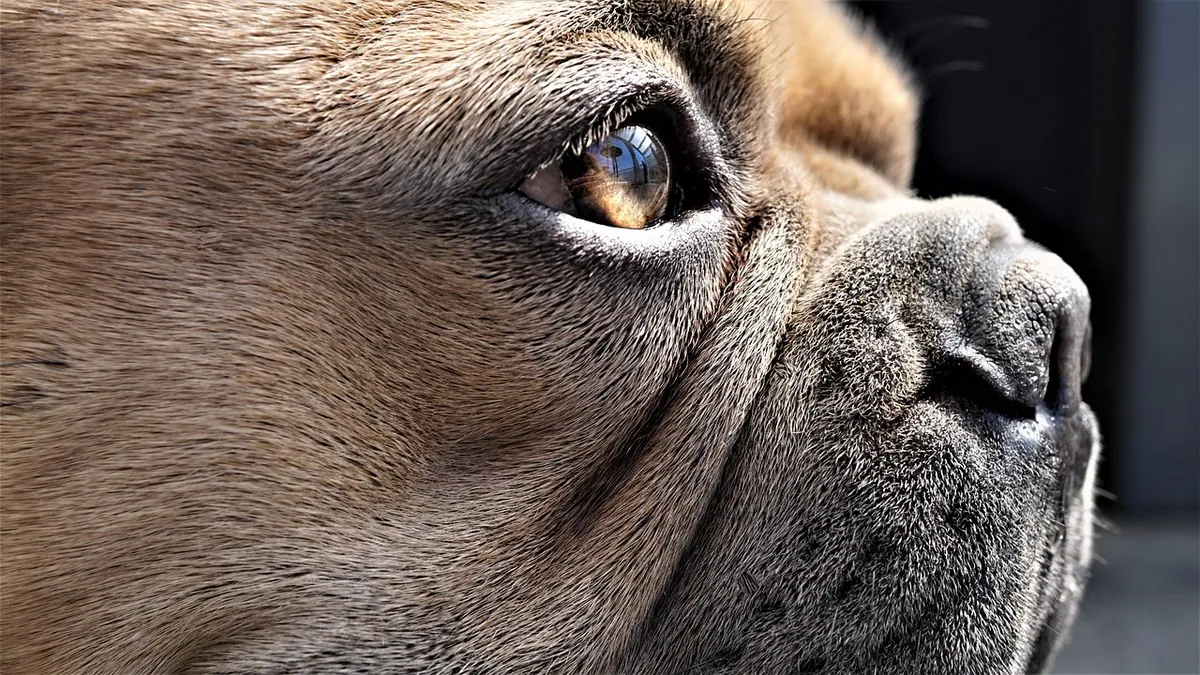
A dog eye zit is most often a small blocked oil gland, a benign bump, or a minor infection along the eyelid margin. Many of these lumps are harmless and settle on their own, but some growths on the eye or skin need a veterinarian to look at them. The tricky part is that a harmless pimple and a serious tumor can look almost identical at home.
This article is educational and is not a substitute for veterinary diagnosis or treatment.
Quick Answer
- A small, round, hairless bump on the eyelid or skin is often a blocked gland, a benign histiocytoma, or a minor infection, and many of these shrink or disappear over weeks [1].
- Skin tumors are the most common tumors seen in dogs, and they can look like simple pimples, so a veterinarian should identify any lump that does not resolve [2].
- Never squeeze, pop, or apply human acne products to a bump near your dog's eye. You can cause damage to the eye or push infection deeper.
- See a vet the same day if the eye is red, cloudy, swollen shut, or your dog is squinting, pawing at it, or holding it closed.
- Book a routine visit for any lump that grows, changes color, bleeds, or is still present after a few weeks.
What a Dog Eye Zit or Skin Zit Looks Like
A dog eye zit is a small raised bump on or near the eyelid margin, the thin edge where the eyelid meets the eye. Owners often describe it as a dog eye pimple. It may be white, pink, or the same color as the surrounding skin. Some are hairless and round. Others look like a tiny wart or a crusty speck.
A dog skin zit elsewhere on the body can look similar. You might find a single bump on the muzzle, chin, back, or leg. Some are soft. Some feel firm. Some sit flat against the skin, and others stick out like a pea.
Here is the hard part. A simple blocked gland, a benign tumor, and a malignant tumor can all start as a small lump. Skin tumors in dogs can appear as small lumps or bumps, but they can also show up as hairless, discolored patches, rashes, or sores that will not heal [2]. Because skin growths are so varied, telling them apart should be left to a veterinarian [2].
Common Causes of Bumps on a Dog's Eyelid or Skin
Several conditions cause pimple-like bumps in dogs. Some are harmless. Some need treatment. A few need prompt care.
Blocked glands and folliculitis
Dogs have oil glands along the eyelid margin, including the meibomian glands. When one gets blocked, it can swell into a small bump that looks like a pimple. These are common and often benign. Meibomian gland tumors are among the most common eyelid tumors in dogs [3]. Many are slow growing and do not spread, but a veterinarian still needs to confirm what the bump is.
Folliculitis is inflammation around hair follicles. It can cause small red bumps, crusts, or pustules on the skin. A form of this condition has been reported in Labrador Retrievers, where it produced raised, wart-like plaques on the skin [4]. This shows that even breed-linked skin conditions can look like simple zits.
Histiocytoma
A histiocytoma is a common benign skin tumor in young dogs. It starts from a type of immune cell in the skin. It usually appears as a small, round, hairless lump that grows quickly, often on the face or ears [1]. The good news is that most histiocytomas shrink and go away on their own within a few months [1]. Even so, a veterinarian may want to sample it to rule out more serious tumors such as mast cell tumors or squamous cell carcinoma [1].
Infections and abscesses
A bacterial infection in a hair follicle or gland can form a red, tender bump. If it fills with pus, it becomes an abscess. Abscesses near the eye are a concern because swelling can press on the eyeball. In one reported case, a dog developed a bulging eye after dental work, and imaging showed a pocket of infection behind the eye along with inflammation of a salivary gland [5]. That case was rare, but it shows how infection near the eye can cause serious problems.
Tumors, benign and malignant
Skin tumors are the most common tumors in dogs, partly because the skin is easy to see and constantly exposed to things in the environment that can cause tumors, including chemicals, solar radiation, and viruses [2]. Hormones and genetics may play a role too [2].
Some eyelid tumors are benign, like the meibomian gland epithelioma [3]. Others are malignant and can invade nearby tissue. Large eyelid masses sometimes need surgery and reconstruction, and veterinary surgeons have techniques to rebuild the eyelid margin after removing a mass [6]. That is one reason early evaluation matters. Smaller masses are usually easier to remove.
Table: Cause, Clues, and Urgency
| Cause | Typical clues | How urgent |
|---|---|---|
| Blocked oil gland | Small, firm, skin-colored bump on the eyelid edge, slow growing | Routine visit if it persists or grows |
| Folliculitis | Red bumps, crusts, pustules, often on the trunk or face | Routine visit, sooner if spreading |
| Histiocytoma | Round, hairless, rapidly growing lump on face or ears in a young dog | Routine visit to confirm, often regresses on its own [1] |
| Bacterial infection or abscess | Red, warm, painful swelling, pus, possible eye bulging | Same day, emergency if the eye bulges or the dog is in pain |
| Benign eyelid tumor | Firm lump on the eyelid margin, may ulcerate or rub the eye | Routine to urgent depending on size and eye irritation [3] |
| Malignant tumor | Fast growth, color change, bleeding, nonhealing sore | Urgent, do not wait |
Red Flags That Make It an Emergency
Some signs mean you should stop watching and waiting. Call your veterinarian right away or go to an emergency clinic.
- The eye is swollen shut, bulging, or the eyeball looks pushed forward.
- Your dog is squinting, holding the eye closed, or pawing at the face.
- The eye is cloudy, red, or has a sore on the surface.
- The bump is bleeding, ulcerated, or oozing.
- Your dog seems painful when you touch near the mouth or eye.
- The lump grew quickly over days.
- Your dog is not eating, is lethargic, or has a fever.
A bulging eye is especially serious. In the reported case of zygomatic sialadenitis, the dog had a sudden bulging eye, pain when opening the mouth, an inability to fully close the eyelid, and a corneal ulcer [5]. That combination needed imaging, antibiotics, pain control, and other treatment [5]. Eye problems can worsen fast, so do not delay.
Safe Things You Can Do at Home While You Wait
You cannot diagnose a dog eye zit at home, but you can keep your dog comfortable and avoid making things worse.
Do
- Keep the area clean with a warm, damp cloth if your vet approves it.
- Prevent rubbing by using an Elizabethan collar if your dog paws at the eye.
- Take a photo each day so you can show your vet how the bump changes.
- Note the size, color, and texture, and whether it is attached to the skin or moves freely.
- Keep your dog's regular flea, tick, and skin care routine going.
Do not
- Do not squeeze, pop, or pick at the bump.
- Do not apply human acne creams, benzoyl peroxide, or hydrocortisone near the eye.
- Do not use leftover antibiotics or eye drops from a previous pet.
- Do not cover the eye with a tight bandage.
- Do not wait months if the bump is growing or bothering your dog.
If your dog has other skin bumps, our guide on Dog Skin Bumps and Lumps: When to See the Vet can help you decide how soon to book a visit. For a broader look at causes, see Dog Skin Bumps: Comprehensive Veterinary Reference Guide.
What Your Veterinarian Will Check and Test
Your vet will start with a full eye exam. They will check the eyelid margin, the conjunctiva, the cornea, and the inside of the eye. They will also feel around the eye and under the jaw for swollen lymph nodes or other lumps.
Next, they may test the bump directly. Common steps include:
- Fine needle aspirate. A thin needle collects cells from the lump. The cells are examined under a microscope. This is often enough to identify a histiocytoma or an infection [1].
- Cytology and culture. If infection is suspected, a sample can be sent to identify the bacteria so the right antibiotic can be chosen [5].
- Biopsy. A small piece of tissue is removed and sent to a lab. This gives a definitive diagnosis for tumors [2].
- Imaging. X-rays or a CT scan may be used if the lump is deep, behind the eye, or if the eye is bulging [5].
Treatment depends on the diagnosis. Benign bumps may need no treatment beyond monitoring. Infected bumps need antibiotics and sometimes drainage. Tumors may be removed surgically. For large eyelid masses, a surgeon may use a graft from the lip to rebuild the eyelid margin so the eye can still close and blink [6].
If your dog also scratches at the ears or eyes, that behavior can worsen eyelid irritation. Our article on Dog Scratching Ears And Eyes explains why that happens and what to check.
Prevention and Monitoring
You cannot prevent every bump, but you can lower some risks and catch problems early.
- Check your dog's skin and eyelids during grooming or petting. Run your hands over the body weekly.
- Protect light-colored dogs from too much sun. Solar radiation is one factor linked to skin tumors in dogs [2].
- Keep up with flea, tick, and skin care to reduce infections.
- Treat skin allergies and hot spots early so they do not become infected.
- Measure lumps with a ruler and write down the date. A change in size over weeks is useful information for your vet.
- Ask your vet to look at any new lump during routine exams.
If you are unsure whether a bump is a skin tag or something more serious, our guide on Dog Skin Tag or Tumor? How to Tell and What to Do walks through the differences. A rash with many small bumps may have a different cause, which is covered in Dog Skin Rash with Bumps: What Could It Be?.
Limitations and When to Contact a Veterinarian
No article can tell you what a specific lump is. Only a veterinarian who examines your dog and possibly tests the bump can do that. Individual cases need a veterinarian.
Contact your veterinarian the same day if:
- Your dog's eye is red, painful, or partly closed.
- The bump appeared suddenly and is growing fast.
- Your dog is squinting or rubbing the eye.
- There is discharge, bleeding, or an open sore.
- Your dog seems uncomfortable eating or opening the mouth.
Go to an emergency clinic now if:
- The eye is bulging out of the socket.
- The eyeball looks cloudy or there is a visible sore on the eye surface.
- Your dog cannot close the eyelid.
- Your dog is in severe pain, crying, or collapsing.
- The bump is bleeding heavily and will not stop.
Book a routine visit within a few weeks if:
- The bump is small, not painful, and not changing.
- It has been there for more than two to three weeks without shrinking.
- You want a baseline check so future changes are easier to spot.
Frequently Asked Questions
Can I pop a dog eye zit?
No. Never pop a bump near your dog's eye. The skin there is thin, and squeezing can damage the eyelid, spread infection, or injure the eyeball. Let a veterinarian decide whether the bump needs drainage or removal.
Are dog eyelid bumps usually cancer?
Many eyelid bumps in dogs are benign, including meibomian gland tumors, which are among the most common eyelid tumors in dogs [3]. However, some eyelid growths are malignant, and they can look similar to harmless ones. A veterinarian can sample the bump to tell the difference.
How long should I wait before seeing a vet for a skin zit?
If the bump is small and not bothering your dog, you can watch it for about two to three weeks. If it is still there, growing, or changing, book a visit. Any bump near the eye that causes squinting or redness should be seen sooner.
Do dog skin zits go away on their own?
Some do. Histiocytomas often shrink and disappear within a few months without treatment [1]. Blocked glands may also resolve. Others, including infections and tumors, will not go away on their own and may worsen without care.
What if my dog has many small bumps all over?
Many small bumps can point to allergies, folliculitis, or another skin condition instead of a single pimple. A form of folliculitis has been reported in Labrador Retrievers with raised, wart-like skin plaques [4]. Your vet can examine the pattern and test the skin to find the cause.
Related Articles
- Dog Skin Bumps and Lumps: When to See the Vet
- Dog Skin Bumps: Comprehensive Veterinary Reference Guide
- Dog Skin Rash with Bumps: What Could It Be?
- Dog Skin Tag or Tumor? How to Tell and What to Do
- Dog Scratching Ears And Eyes
- Eye Goop In Dogs
- Lump on Your Dog's Eyelid or Face: Causes and Next Steps
- Bump on My Dog: What It Means and When to Worry
- Dog Paw Zit or Pimple: Causes and When to Worry
References
- A case report of massive cutaneous histiocytoma in a 12-year-old intact bitch: Cytologic, radiologic, pathologic investigation. Open veterinary journal, 2025.
- Tumors of the Skin in Dogs - Dog Owners. Merck Veterinary Manual.
- Meibomian Gland Epithelioma Mimicking Eyelid Squamous Cell Carcinoma in a Hereford-Cross Steer. Veterinary ophthalmology, 2026.
- Proliferative, lymphocytic, infundibular mural folliculitis and dermatitis with prominent follicular apoptosis and parakeratotic casts in a Labrador retriever: Clinical, histopathological and dermoscopic features and co-morbidities. Veterinary dermatology, 2024.
- Zygomatic Sialadenitis as a Rare Cause of Exophthalmos in a Dog. Veterinary ophthalmology, 2026.
- Free labial mucocutaneous graft for eyelid reconstruction in four dogs. Veterinary ophthalmology, 2025.