Dog Eye Allergies: Home Remedies and When to See a Vet
By Dr. Zubair Khalid, DVM, MS, PhD ·
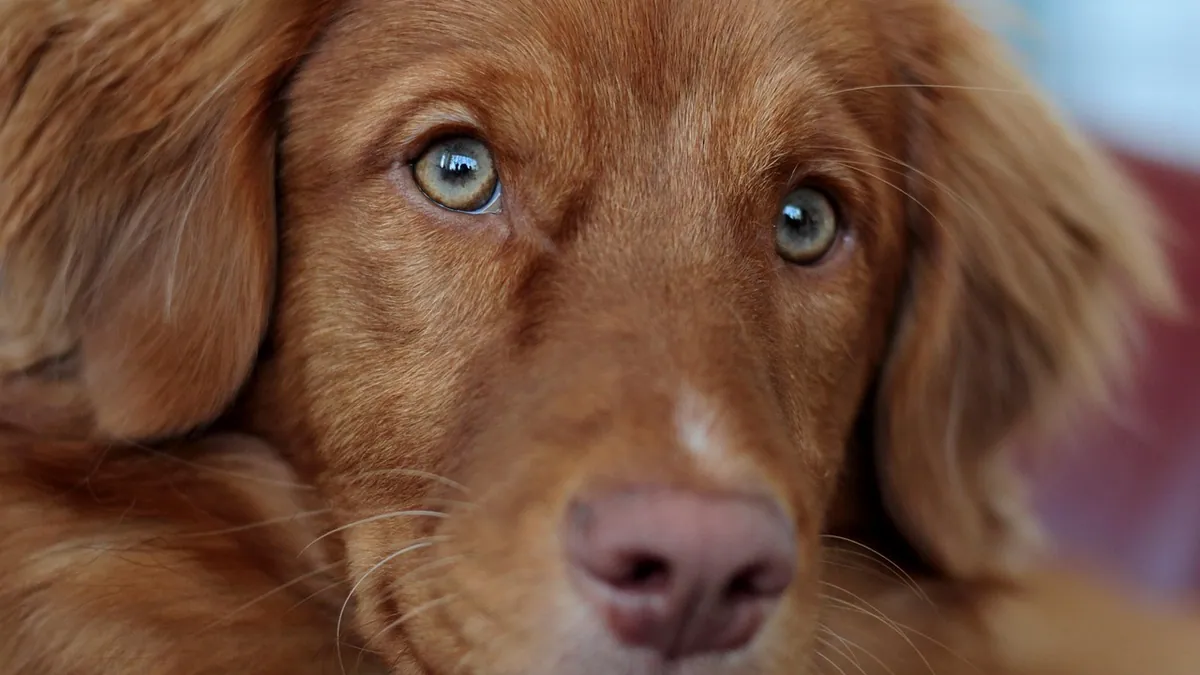
Dog eye allergies home remedies can safely manage mild redness, watery discharge, and pawing at the eyes in many dogs. Cool compresses, gentle saline rinses, and keeping allergens off your dog's face often calm early symptoms. Home care has limits, though, and some eye problems that look like allergies need a veterinarian. This article is educational and is not a substitute for veterinary diagnosis or treatment.
Quick Answer
- A plain saline eye rinse and a cool compress are the safest first steps for mild, watery, itchy eyes.
- Never use human eye drops such as Visine on your dog. The active ingredient, tetrahydrozoline HCL, has not been tested in detail in animals and can cause harmful cardiac and neurological effects [1].
- Keep all eye drops, including your own, out of your dog's reach. Many over-the-counter drops contain imidazoline, which is toxic if swallowed [2].
- Goopy yellow or green discharge, squinting, cloudiness, or a swollen eye are not allergy signs. Call your vet.
- If symptoms last more than a day or two or keep coming back, your dog needs an exam, not more home care.
What Are Dog Eye Allergies?
An eye allergy is an immune reaction that happens on the surface of the eye and the eyelids. When your dog breathes in or contacts something they are allergic to, immune cells release histamine and other chemicals. That leads to redness, itching, tearing, and swelling.
Allergens that trigger eye symptoms are the same ones that trigger skin and airway allergies. They include pollens, house dust mites, mold spores, and storage mites [3]. These proteins travel through the air on tiny particles like dander and dust, so your dog can react even without direct contact [4][5].
Eye allergies often show up alongside allergic skin disease. If your dog also chews their paws, rubs their face, or has itchy ears, the eyes are likely part of a broader allergy problem. You can read more about that pattern in Dog Allergy Home Remedies.
Signs Owners Notice: Goopy, Gunky, or Watery Eyes
Mild allergic eyes usually look red and watery. You may see clear discharge, frequent blinking, or your dog rubbing their face on furniture. The tissue around the eye (the conjunctiva) can look pink and puffy.
Here is how common signs usually sort out:
| Sign | Typical with allergies | Needs urgent vet care |
|---|---|---|
| Discharge | Clear and watery | Yellow, green, or thick |
| Eye appearance | Red, puffy, both eyes | Cloudy, blue, or one eye only |
| Comfort | Mild rubbing | Squinting, holding eye shut |
| Response to rinse | Improves within a day | No change or worse |
| Other signs | Itchy paws, ears, skin | Vomiting, lethargy, swelling |
A home remedy for dog goopy eye can help when the discharge stays clear. A home remedy for dog gunky eye is a different situation. Gunk means mucus or pus, and that points toward infection or another problem that home care will not fix.
Causes and Risk Factors
Allergies in dogs have both genetic and environmental drivers. Dogs with atopic dermatitis, an allergic skin disease, often have eye involvement too. Environmental allergens such as house dust mites are common triggers in these dogs [6].
Season matters for some allergens. In one large study of dogs suspected of allergy, positivity to weed pollen was highest in spring and summer [3]. If your dog's eyes flare at the same time each year, pollen is a likely culprit.
Breed plays a role as well. Dogs with flat faces, prominent eyes, or heavy facial folds tend to have more eye surface irritation. Dry eye, eyelid abnormalities, and blocked tear ducts can also mimic or worsen allergic symptoms.
Other things that cause red, watery eyes include:
- Foreign material such as grass seeds or hair
- Bacterial or viral conjunctivitis
- Corneal ulcers
- Dry eye
- Entropion (eyelids rolling inward)
- Glaucoma
This is why a diagnosis matters. Treating an ulcer with a home rinse while it worsens can cost your dog vision.
How Veterinarians Diagnose Eye Allergies
Your vet starts with a full eye exam. They check tear production, stain the cornea to look for ulcers, and measure eye pressure when glaucoma is a concern. These tests are quick and usually done in the exam room.
Your vet will also ask about timing. Seasonal flare-ups, indoor versus outdoor exposure, and itching elsewhere on the body all point toward allergy. Allergy testing, either blood or skin, may be recommended when immunotherapy is being considered. Serum allergen-specific IgE levels can fluctuate with environmental exposure, so timing of sampling can affect results [3].
It helps to distinguish allergy from infection. Allergy is not contagious and does not respond to antibiotics. Infection often follows allergy because scratching and rubbing let bacteria in, so some dogs have both at once.
Home Remedies for Dog Eye Allergies
These steps are safe for mild, clear-discharge eye irritation. Stop and call your vet if anything gets worse.
Saline Rinse
A plain saline rinse flushes pollen, dust, and discharge off the eye surface. Use a preservative-free saline made for eyes, or ask your vet which product they prefer. A saline solution is a safer alternative to Visine, but getting the right concentration matters, so let your veterinarian point you to a dog-friendly product [1].
Warm the saline to room temperature. Flush gently from the inner corner outward. Use a fresh gauze pad for each wipe, and never touch the eye itself with the bottle tip.
Cool Compress
A cool, damp washcloth over closed eyes for a few minutes can reduce swelling and itching. Use a clean cloth each time, and keep it separate from human washcloths. This is one of the simplest home remedies for dog eye irritation.
Keep the Face Clean
Wipe your dog's face after walks with a damp cloth to remove pollen. Wash bedding weekly in hot water. If pollen counts are high, rinse your dog's paws and face when they come inside. These steps lower the allergen load that reaches the eyes.
Run an Air Cleaner and Manage Dust
House dust mites are a common allergen in allergic dogs [6]. Wash bedding often, vacuum with a HEPA filter, and keep humidity moderate. Reducing indoor allergens helps dogs whose eyes flare year-round.
Do Not Use Human Eye Drops
This is the most common mistake owners make. Visine and similar products are not approved for pets, and the FDA has not approved the drug for animals [1]. The drug narrows blood vessels and contains preservatives that can irritate eyes further [1]. If your dog swallows eye drops, many contain imidazoline, which can cause toxic symptoms. Call your veterinarian and Pet Poison Helpline right away if that happens [2].
Ask Before Any Oral Medication
Owners often ask what they can give a dog for eye allergies. Antihistamines are sometimes used in dogs with allergic disease, but the dose depends on your dog's weight and health, and your veterinarian calculates it. Never guess a dose from a human label. Some human allergy products contain decongestants or other ingredients that are dangerous to dogs.
If your dog's eyes are part of a wider allergy picture, more ideas are covered in What Home Remedies For Dog Allergies and Dog Allergy Remedies Home Remedies.
Treatment Options Your Vet May Recommend
Veterinary treatment depends on what the exam finds.
- Prescription eye drops or ointments to control inflammation
- Antibiotics if a bacterial infection is present
- Antihistamines or other oral allergy medication, dosed by your vet
- Medicated rinses for chronic discharge
- Treatment of underlying dry eye or eyelid problems
- Allergy testing and allergen-specific immunotherapy for long-term control
Allergen-specific immunotherapy is a long-term option for dogs with environmental allergies. In a study of dogs with atopic dermatitis sensitized to house dust mite, dogs received immunotherapy for 12 months with clinical and immune marker monitoring [6]. This kind of treatment is planned and managed by your veterinarian.
If your dog has an eye infection instead of allergies, see Dog Eye Infection Home Care: What Is Safe and When to See a Vet.
Recovery, Outlook, and Long-Term Management
Mild allergic eye flare-ups often settle within a few days once the trigger is reduced. Dogs with seasonal allergies tend to flare at the same times each year, so you can plan ahead. Start rinses and cleaning before the season peaks.
Dogs with year-round allergies usually need ongoing management. That may mean daily medication, regular eye checks, and a home routine that limits dust and pollen. Allergy is managed, not cured, in most dogs.
Keep a simple log of flare-ups. Note the date, the weather, and what your dog was doing. Patterns help your vet adjust treatment.
Prevention
- Wipe your dog's face after outdoor time during pollen season.
- Wash bedding and soft toys often.
- Use a HEPA filter and control indoor dust.
- Keep your dog's own eye medications separate from human ones.
- Store all human eye drops where your dog cannot reach them [2].
- Keep routine vet visits so eye changes get caught early.
- Treat skin and ear allergies, since they often travel with eye allergies.
Limitations and When to Contact a Veterinarian
Home remedies are only for mild, clear-discharge eye irritation in a dog who is otherwise comfortable. They are not appropriate for pain, cloudiness, or colored discharge. Individual cases need a veterinarian, so when in doubt, call.
Call your veterinarian the same day if you see:
- Yellow or green discharge
- Squinting or holding one eye closed
- Redness in only one eye
- A cloudy or blue tint to the eye
- Your dog rubbing the eye constantly
- Symptoms that do not improve after a day of gentle rinsing
Go to an emergency clinic now if:
- The eye looks swollen or bulging
- Your dog cannot open the eye at all
- There is bleeding or a visible wound
- Your dog yelped, then started pawing at the eye (possible injury)
- Your dog swallowed human eye drops [2]
For eye injuries, timing matters a great deal. See Dog Eye Injury: When to Go to the Vet.
Frequently Asked Questions
Can I use human allergy eye drops on my dog?
No. Human eye drops are not approved for dogs, and products like Visine can cause harm because the active ingredient has not been well tested in animals and the preservatives can irritate the eye [1]. Ask your vet for a dog-safe option.
Is a warm or cool compress better for allergic eyes?
A cool compress is the better choice for itching and swelling from allergies. Warm compresses are sometimes used for other eye conditions, so ask your vet which one fits your dog's diagnosis.
Can allergies cause a dog's eye to swell shut?
Severe allergic swelling can make the eyelids puffy, but an eye that is swollen shut or bulging needs emergency care. That sign can also mean injury, infection, or glaucoma, which are not home-remedy problems.
How long can I try home care before calling the vet?
Give gentle rinsing and compresses about a day. If the eye is not clearly better, or if it gets worse at any point, call your veterinarian. Do not stretch home care past a day or two.
Are dog eye allergies contagious to my other pets or to me?
No. Eye allergies are an immune response in the affected dog and do not spread to other animals or people. However, the allergens that trigger them, such as dog and cat proteins, can travel through the environment on dust and dander [4][5].
Related Articles
- What Home Remedies For Dog Allergies
- Dog Eye Infection Home Care: What Is Safe and When to See a Vet
- Dog Allergy Home Remedies
- Dog Allergy Remedies Home Remedies
- Dog Eye Injury: When to Go to the Vet
- Dog Eye Redness: When to See a Vet and When to Monitor
- Dog Conjunctivitis Treatment: What You Can Use at Home
- Dog Itching and Allergies: Home Remedies That Work
- Dog Eye Infection: Symptoms, Treatment, and When to Worry
References
- Can You Give Dogs Visine Eye Drops. Pet Poison Helpline.
- Are Eye Drops Poisonous to Dogs If. Pet Poison Helpline.
- Seasonality of Serum Allergen-Specific IgE Levels in Scandinavian Dogs Suspected of Allergy. Veterinary sciences, 2026.
- Human Allergy to Cats and Dogs: Molecular and Environmental Determinants, Diagnosis, and Precision Management. Veterinary sciences, 2026.
- Cat, Dog, and Exotic Animal Allergy. The journal of allergy and clinical immunology. In practice, 2025.
- Clinical and Immunological Responses to Dermatophagoides farinae Allergen Immunotherapy in Dogs With Atopic Dermatitis. Veterinary dermatology, 2026.