Bump on My Dog: What It Means and When to Worry
By Dr. Zubair Khalid, DVM, MS, PhD ·
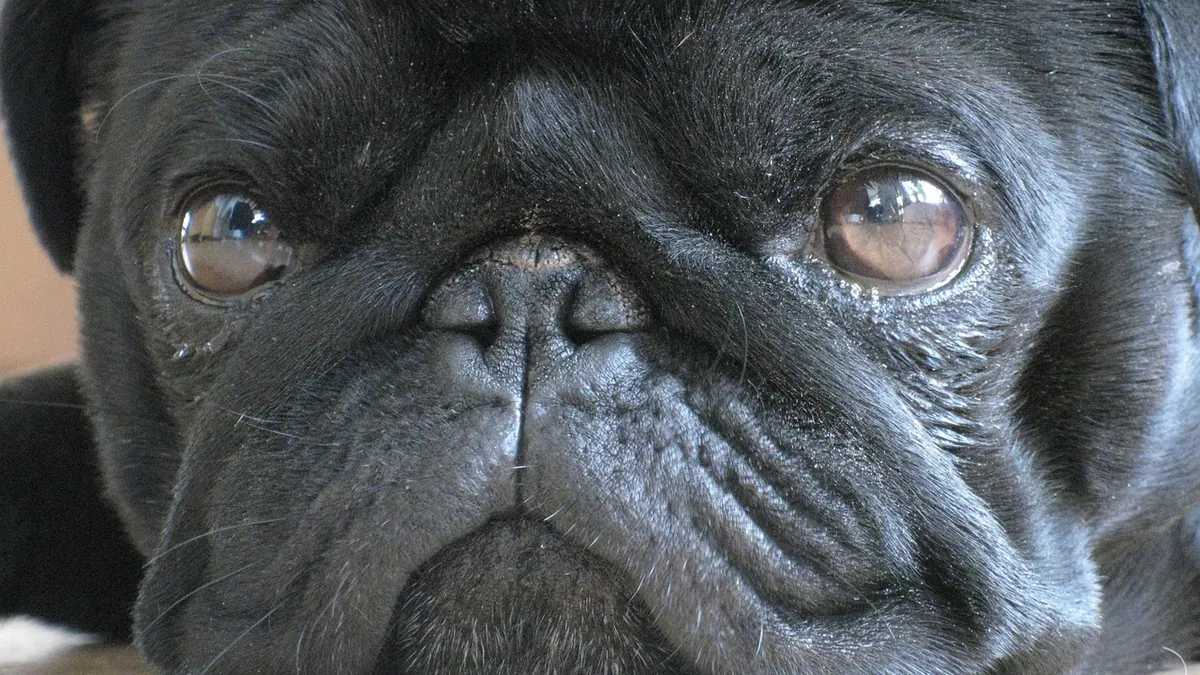
A bump on your dog is a lump or raised area on or under the skin, and most turn out to be harmless things like cysts, warts, or fatty tumors. What does a bump on my dog mean in practice? It means you should look closely, measure it, and watch for changes, because the only way to know for certain is for a veterinarian to sample it. Some bumps are malignant and need prompt care.
This article is educational and is not a substitute for veterinary diagnosis or treatment.
Quick Answer
- Most skin bumps in dogs are benign, including cysts, warts (papillomas), and lipomas, which are soft fatty lumps under the skin.
- Size alone does not tell you whether a bump is safe. Fast growth, color change, bleeding, or ulceration are more concerning than a stable lump.
- Measure the bump with a ruler, take a photo next to a coin for scale, and note the date so you can show your vet real change over time.
- Book a veterinary visit for any new bump, especially one that appeared quickly, feels firm and fixed, or sits near the mouth, eyes, or genitals.
- Do not squeeze, pierce, or apply human creams or essential oils to a bump. That can cause infection or hide the surface your vet needs to see.
What a Bump on Your Dog Looks Like and What Is Normal
Dogs get lumps the way people get freckles. A bump can sit on the skin surface like a small cauliflower, or it can hide under the coat as a soft dome you find while petting. Some are hairless, some are pigmented, and some are covered in normal fur.
Normal skin varies a lot between dogs. Older dogs commonly develop small warts and skin tags. Breeds with loose skin may have harmless folds that feel like lumps. A bump that has been the same size and shape for years is usually low concern, though it still deserves a baseline check.
What matters is change. A bump that grows, changes color, becomes painful, or starts bleeding is telling you something new is happening. That is your signal to call your veterinarian.
If your dog also has widespread redness or itching, our guide to Dog Skin Rash: When to Worry and How to Soothe can help you sort skin irritation from a true lump.
Common Causes of a Lump on a Dog
Veterinarians group bumps into non-neoplastic (not cancer), benign tumors, and malignant tumors. In a study of 338 oral masses in dogs, non-neoplastic lesions made up 52.7% of cases, and among confirmed tumors, benign growths (73.7%) were far more common than malignant ones (26.3%) [1]. Oral masses are only one location, but the pattern is reassuring: most lumps are not cancer.
| Cause | Typical clues | How urgent |
|---|---|---|
| Cyst or sebaceous gland bump | Round, soft to firm, often hairless, may drain a cheesy material | Routine visit |
| Wart (papilloma) | Small, cauliflower-like, often on the face or paws, common in young dogs | Routine visit |
| Lipoma | Soft, movable, under the skin, slow growing, often on the trunk | Routine visit |
| Abscess or infected bite | Warm, painful, swollen, may drain pus, dog may feel unwell | Same day |
| Mast cell tumor | Raised, often hairless, can change size day to day, may itch or redden | Prompt visit |
| Squamous cell carcinoma | Firm, ulcerated, often on sun-exposed or unpigmented skin | Prompt visit |
| Malignant melanoma | Dark, firm, often in the mouth or on the lip or nail bed | Prompt visit |
| Mammary tumor | Firm nodule along the mammary chain, most common in unspayed females | Prompt visit |
Mammary tumors are the most frequently diagnosed tumors in female dogs, and they can involve the mammary gland tissue or the nipple itself [2]. A case report described a malignant adenomyoepithelioma in the mammary papilla of a 13-year-old female dog that appeared as a soft to firm nodule about 1 centimeter across [2]. Not every mammary lump is malignant, and benign forms exist too. A giant fibroadenoma, a benign tumor that can exceed 5 centimeters, has been documented in female dogs and is treated with surgical removal [3].
Young dogs can also develop malignant skin tumors. A 5-month-old golden retriever had a solitary, rapidly growing mass on the chest wall that was diagnosed as Merkel cell carcinoma, a malignant tumor that can be confused with other skin cancers in young dogs [4]. Despite being malignant, it carried a good prognosis after complete surgical removal with clean margins [4]. That case shows why a fast-growing bump in a puppy still needs a real diagnosis.
When to Worry About a Dog Lump: Red Flags
Call your veterinarian promptly if a bump shows any of these features:
- It grew noticeably in weeks, not years.
- It is firm, fixed to the tissue underneath, or irregular in shape.
- It bleeds, oozes, or will not heal.
- It changed color, especially to dark black or purple.
- It sits in the mouth, on a toe, near the eye, or on the genitals.
- Your dog licks, chews, or scratches at it.
- Your dog has lost weight, is limping, or seems tired.
Some of these signs overlap with other problems. A dog who scratches at the ears or shakes the head may have an ear issue instead of a skin lump, which is covered in What Does It Mean When Your Dog Scratches Their Ears.
Signs That Make It an Emergency
Most bumps can wait a day or two for an appointment. A few cannot.
Go to an emergency clinic now if a bump is bleeding heavily and will not stop, if it ruptured and your dog is in obvious pain, or if your dog has trouble breathing, collapses, or has a rapidly swelling area around the throat or face. A fast-growing mass in the mouth that interferes with eating or swallowing also needs urgent care.
If a lump suddenly becomes hot, red, and painful with fever, that suggests infection, and same-day care is best.
Safe Things You Can Do at Home While You Wait
You cannot diagnose a bump at home, but you can gather good information.
- Measure the bump in millimeters or centimeters with a ruler and write down the date.
- Take two photos, one from the side and one in published veterinary research, with a coin or ruler in the frame for scale.
- Check the bump weekly and note any change in size, color, or texture.
- Keep a simple log of when you first noticed it and how it has behaved since.
- Prevent licking with an Elizabethan collar or a dog shirt if your dog is bothering it.
Do not squeeze, poke, or try to drain a bump. Do not apply human antibiotic ointments, hydrogen peroxide, or essential oils. These can irritate the skin, cause poisoning if licked, and make the surface harder for your vet to evaluate.
If your dog has many small itchy bumps instead of one lump, that pattern often points to allergy or infection. Our article on Dog Skin Rash with Bumps: What Could It Be? walks through those causes.
What Your Veterinarian Will Check and Test
Your vet starts with history and hands. They will ask when you noticed the bump, how it has changed, and whether your dog has other symptoms. Then they will palpate the lump to judge size, depth, mobility, and texture, and check the surrounding lymph nodes.
The next step is usually a fine needle aspirate. Your vet inserts a thin needle into the bump, collects cells, and looks at them under a microscope. This is quick, inexpensive, and often done in the exam room. It can identify many lipomas, cysts, and mast cell tumors.
Sometimes cytology is not enough. A study of splenic masses in dogs found that cytology and histopathology agreed in only 55% of cases, with disagreement in 24% [5]. When a possibly neoplastic cytology result was counted as neoplastic, agreement rose to 67% and disagreement was 33% [5]. That study looked at spleen masses, not skin lumps, but the lesson applies broadly: cell samples can miss the full picture.
If cytology is inconclusive or cancer is suspected, your vet may recommend a biopsy or surgical removal so the whole lump can be examined under a microscope. That gives a definitive diagnosis and, in many cases, treatment at the same time. Blood work and imaging may be added if cancer is confirmed or suspected to have spread.
Prevention and Monitoring
You cannot prevent every bump, but you can catch problems earlier.
- Do a monthly nose-to-tail check. Run your hands over your dog's body, including the mouth, paws, tail base, and between the toes.
- Record every new lump with a date, location, and measurement.
- Spaying female dogs before their first or second heat reduces mammary tumor risk, which is standard veterinary advice.
- Limit sun exposure for light-skinned, thin-coated dogs, since sun damage plays a role in some skin cancers.
- Keep routine wellness visits, especially for dogs over 8 years old. Older dogs were significantly more likely to have malignant oral tumors (median 12.0 years) than benign ones (median 9.0 years) [1].
If you are unsure whether a lump needs a visit, our overview on Dog Skin Bumps and Lumps: When to See the Vet can help you decide.
Limitations and When to Contact a Veterinarian
No article can tell you what a specific bump is. Only a veterinarian who examines your dog and tests the lump can do that. Individual cases need a veterinarian.
Contact your vet the same day for a bump that is warm, painful, draining pus, or accompanied by lethargy or fever. Go to an emergency clinic now for heavy bleeding, a ruptured mass, difficulty breathing, or a swelling that is closing off the airway. Schedule a routine visit for any new bump that is stable, small, and not bothering your dog, and sooner if it is growing, changing color, or located in the mouth, on a toe, or near the eye.
Frequently Asked Questions
Can a benign bump turn into cancer?
Usually no. Most benign lumps, such as lipomas and warts, stay benign. A few types of tumors can behave unpredictably, which is why a changing bump needs rechecking even if it was previously sampled.
Should I have every bump removed?
No. Many benign lumps can be monitored if they are not bothering your dog. Removal is recommended when a bump is growing, painful, infected, in a location that interferes with function, or when testing suggests it could be malignant.
Are fatty lumps on dogs dangerous?
Lipomas are benign fatty tumors and are generally not dangerous. They can become large enough to affect movement if they sit in certain spots, and some lumps that feel fatty can actually be something else, so a vet check is still worthwhile.
Do bumps on dogs go away on their own?
Some do. Cysts can drain and shrink, and warts in young dogs often resolve as the immune system matures. A bump that persists beyond a few weeks, grows, or changes should be examined.
Does my dog's age matter when a bump appears?
Yes. Older dogs are more likely to develop tumors, and malignant oral tumors were seen at a median age of 12 years compared with 9 years for benign ones [1]. Young dogs can still get malignant skin tumors, so age alone never rules out cancer [4].
Related Articles
- Dog Coughing: When Should You Worry?
- Dog Skin Rash: When to Worry and How to Soothe
- What Does It Mean When Your Dog Scratches Their Ears
- Dog Skin Rash with Bumps: What Could It Be?
- Dog Skin Bumps and Lumps: When to See the Vet
- Dog Vomiting: When Should You Worry?
- Bump on Your Dog's Leg or Foot: Causes and When to Worry
- Bump on Your Dog's Belly or Stomach: Causes and Next Steps
- Bump on a Young Dog That Keeps Growing: What It Means
References
- Lesion distribution based on oral biopsy and histopathology in dogs: A retrospective study of 338 cases (2015-2025). Veterinary journal (London, England : 1997), 2026.
- Malignant adenomyoepithelioma with papillary arrangement in the mammary papilla of a dog: Case report. Acta veterinaria Hungarica, 2026.
- Giant mammary fibroadenoma in four female dogs. Topics in companion animal medicine, 2026.
- Diagnosis and treatment of Merkel cell carcinoma in a puppy: A comparative oncology approach. The Canadian veterinary journal = La revue veterinaire canadienne, 2026.
- Cytology and histopathology have poor to fair agreement for determination of neoplastic or nonneoplastic lesions in dogs with splenic masses or nodules. Journal of the American Veterinary Medical Association, 2026.