Home Remedies for Dog Odor: What Works and What Doesn't
By Dr. Zubair Khalid, DVM, MS, PhD ·
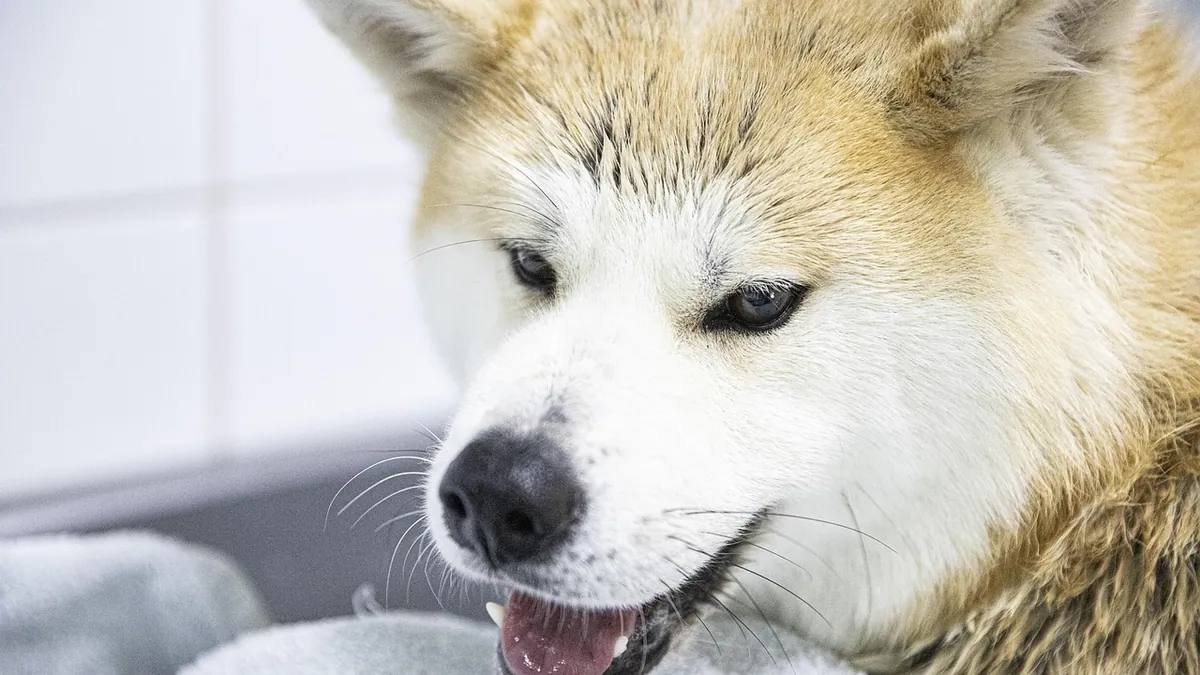
A home remedy for dog odor works best when you match the fix to the source. Surface smells from bedding, carpet, or a dirty coat usually respond to washing and ventilation. Odors that come from your dog's body, breath, or urine often point to a medical problem that no cleaner can fix.
This article is educational and is not a substitute for veterinary diagnosis or treatment.
Quick Answer
- Baking soda, plain white vinegar, and enzyme cleaners handle most household dog odors, including urine in carpet. Enzyme products break down the uric acid crystals that keep urine smell coming back.
- Never mix vinegar and hydrogen peroxide in the same container. Store them separately and use one at a time.
- A dog who smells bad even after a bath needs a vet visit, not a stronger shampoo. Yeast, bacteria, and skin disease are common causes.
- Bad breath that returns within days of brushing is a dental problem, not a breath problem. Dental disease needs professional treatment.
- Keep human medications away from your dog unless your veterinarian gives you the exact dose. Pepcid AC and Benadryl are sometimes used in dogs, but only under veterinary direction [1][2].
What Actually Removes Dog Odor From Your Home
Start With the Source, Not the Smell
If your dog smells, the house will smell. Bathe your dog with a dog-specific shampoo, then wash every washable item your dog touches. That means bedding, crate pads, couch covers, and throw blankets. Use the hottest water the fabric label allows.
For hard surfaces, a 1:1 mix of white vinegar and water works as a general wipe-down. Vinegar neutralizes many odor compounds and is safe on most sealed floors. Test a hidden spot first on wood or stone.
Home Remedies for Dog Odor in Carpet
Carpet holds odor longer than any other surface because urine soaks into the pad and subfloor.
- Blot fresh urine with paper towels. Press down, do not rub.
- Rinse the spot with cool water and blot again.
- Apply an enzyme cleaner made for pet urine. These products break down uric acid crystals, which is the reason old spots keep smelling after cleaning.
- Cover the area with a thin layer of baking soda once dry. Let it sit for several hours, then vacuum.
- For old or repeated spots, lift the carpet and treat the pad and subfloor. If the smell survives that, the pad may need replacing.
Steam cleaners can set urine odor deeper into the pad if the stain is not already broken down by an enzyme product. Treat first, then steam.
Home Remedy for Dog Pee Smell and Dog Urine Smell
A home remedy for dog pee smell and a home remedy for dog urine smell are the same job. Urine contains uric acid, and uric acid does not dissolve in regular soap. Enzyme cleaners are the product class that targets it.
Avoid ammonia-based cleaners. Urine contains ammonia, so cleaning with ammonia can invite your dog to mark the same spot again.
For outdoor spots on concrete or patio stone, scrub with vinegar and water, rinse well, and let the sun dry the surface. Sunlight helps break down remaining odor compounds.
Home Remedy for Dog Odor in the House
Ventilation does more than any spray. Open windows, run exhaust fans, and wash or replace furnace and air conditioning filters on schedule. Activated charcoal or baking soda placed in open bowls can absorb some airborne odor in small spaces like closets or cars, though the effect is modest.
Skip plug-in air fresheners and scented candles around dogs. Many contain essential oils that are toxic to pets, and the Pet Poison Helpline advises contacting them or your veterinarian with any questions about what is safe for your dog [1].
Home Remedies for Dog Mouth Smell
What Helps at Home
Brushing your dog's teeth with a dog-safe toothpaste is the most effective home step for mouth odor. Daily brushing removes the plaque that odor-causing bacteria feed on.
A recent study found that sugar cane polyphenols reduced oral malodor in dogs in both a short spray test and a 30 day intervention, with decreases in volatile sulfur compounds and shifts in odor-associated oral bacteria [3]. This is a food-grade option, but it supports oral care, it does not replace it. If your dog's breath stays bad despite brushing, the problem is likely below the gumline.
What Does Not Help
Dental chews and water additives help a little. They do not remove tartar under the gumline, which is where dental disease lives. Bad breath that returns within days of a cleaning, or that comes with drooling, dropping food, or chewing on one side, points to dental disease that needs a veterinarian.
For more on this topic, see Home Remedy Dog Bad Breath.
When Dog Odor Is a Medical Sign
Odor is information. A dog who smells different than usual is telling you something changed.
Skin and Coat Odors
A greasy, musty, or yeasty smell that survives a bath usually means a skin problem. Allergies, yeast overgrowth, and bacterial infections are common causes. Dogs with allergies often itch, and treating the itch treats the smell. A 90 day trial found that oral baicalin reduced itching and clinical signs in dogs with mild to moderate atopic dermatitis and was well tolerated [4]. That is a prescription-level decision, so ask your veterinarian.
If your dog is itchy and smelly, see Dog Itchy Skin Home Remedies: What Actually Works?.
Urine and Genital Odors
Strong urine smell, frequent licking of the genital area, or accidents in the house can signal a urinary tract infection or another urinary problem. Do not treat this at home with cranberry or apple cider vinegar. See Dog UTI Home Remedies: What Works and What's Risky.
Anal Gland and Rear-End Odors
A fishy smell from the rear often comes from anal glands that need expressing. Some dogs need this done by a veterinarian or groomer on a schedule. Scooting, licking, and straining to poop are clues.
Gut and Diet Odors
Gas and stool odor vary with diet and gut bacteria. A 30 day pilot study in healthy dogs found that a combination of Aloe vera, Artemisia annua, and Curcuma longa shifted the gut microbiome toward bacteria linked to short-chain fatty acid production and reduced some opportunistic groups [5]. This is early research, so talk to your veterinarian before adding supplements.
A Weekly Odor Control Schedule
| Task | How Often | Notes |
|---|---|---|
| Brush teeth with dog toothpaste | Daily | Best single step for mouth odor |
| Wipe ears and check skin | Weekly | Look for redness, discharge, greasy coat |
| Wash bedding and crate pads | Weekly | Hot water, dog-safe detergent |
| Vacuum carpets and rugs | 2 to 3 times weekly | Follow with baking soda if needed |
| Treat urine spots with enzyme cleaner | Same day | Old spots may need pad treatment |
| Bathe your dog | Every 4 to 8 weeks | More often only if your vet advises |
| Replace HVAC filter | Every 1 to 3 months | Check manufacturer guidance |
Common Mistakes That Make Dog Odor Worse
- Masking instead of cleaning. Air fresheners and perfumes cover odor for hours. They do not remove the source, and some contain oils that are toxic to dogs [1].
- Using human shampoo. Human products strip the coat and change skin pH. Use a dog-specific shampoo.
- Over-bathing. Bathing too often dries the skin and can trigger more oil production and more odor.
- Giving human medication without a dose from your vet. Pepcid AC and Benadryl are sometimes used in dogs, but you need your veterinarian to confirm the drug is right and calculate the dose from your dog's weight and health [1][2]. Never use a multi-symptom formula that contains a decongestant or other extra ingredients [6].
- Ignoring a smell that keeps coming back. A recurring odor is a symptom, not a cleaning problem.
- Mixing cleaning chemicals. Vinegar and hydrogen peroxide are both useful separately. Combined in one container, they form a stronger acid that can damage surfaces and irritate skin and lungs.
Supplies That Matter
Keep a small odor kit so you can act the same day a mess happens.
- Enzyme cleaner labeled for pet urine
- White vinegar
- Baking soda
- Dog-specific shampoo
- Dog toothbrush and dog toothpaste
- Paper towels and a scrub brush
- Rubber gloves
- A spray bottle for the vinegar and water mix
Store vinegar and hydrogen peroxide in separate bottles, never premixed. Keep all cleaning products, including natural ones, out of reach of your dog.
Limitations and When to Contact a Veterinarian
Home remedies handle surfaces and routine grooming. They cannot diagnose or treat disease.
Contact your veterinarian the same day if your dog has new bad breath with drooling or trouble eating, a strong urine smell with accidents or straining, a sudden greasy or yeasty coat odor, or a fishy rear-end smell with scooting and licking.
Go to an emergency clinic now if your dog has facial swelling, hives, or trouble breathing. Swelling after a bug bite, a plant, treated mulch, or a recent vaccine can be an allergic reaction, and a veterinarian needs to see your dog right away [6]. If you think your dog ate something toxic, call Pet Poison Helpline at (855)-764-7661 or your veterinarian immediately [1][2].
Schedule a routine visit for odor that keeps returning after bathing, bad breath that comes back within days of brushing, or any odor you cannot explain. Individual cases need a veterinarian who can examine your dog, so use this article as a starting point, not a diagnosis.
Frequently Asked Questions
Does vinegar really remove dog urine smell?
Vinegar helps on hard surfaces and fresh spots, but it does not break down uric acid crystals in carpet. Use an enzyme cleaner for carpet and pad, then follow with a vinegar and water wipe on hard floors.
Can I use baking soda on my dog's coat?
No. Baking soda is for carpets, upholstery, and hard surfaces, not for your dog's skin. Use a dog-specific shampoo for the coat and rinse well.
Why does my dog still smell right after a bath?
A smell that survives a bath usually comes from the skin, ears, or mouth, not the coat. Yeast, bacterial skin infections, ear disease, and dental disease are common causes, so have your veterinarian examine your dog.
Is bad breath ever normal in dogs?
Mild morning breath can be normal, but strong or persistent bad breath is not. It usually means plaque, tartar, or gum disease, and daily brushing plus a veterinary dental exam is the fix.
Are essential oil diffusers safe around dogs?
Many essential oils are toxic to dogs, and Pet Poison Helpline advises contacting them or your veterinarian with any questions about what is safe for your pet [1]. Skip diffusers and scented sprays, and use ventilation and cleaning instead.
Related Articles
- Dog Constipation Home Remedies That Actually Work
- Dog Itchy Skin Home Remedies: What Actually Works?
- Dog UTI Home Remedies: What Works and What's Risky
- Home Remedy Dog Bad Breath
- What Home Remedies For Dog Allergies
- Dog Allergy Home Remedies
- What Causes Dog Odor? Body, Breath, and House Smells
- How to Treat Dog Dandruff: Home Remedies That Work
- Dog Gas: Causes and How to Reduce It at Home
References
- Home Remedies for Dogs. Pet Poison Helpline.
- Easy Home Remedies for Dogs. Pet Poison Helpline.
- The Control of Canine Halitosis By Sugar Cane Polyphenols: Effects and Potential Mechanisms. Journal of agricultural and food chemistry, 2026.
- Efficacy of Oral Baicalin in Canine Atopic Dermatitis: A Randomised Placebo Controlled Trial. Veterinary dermatology, 2026.
- Impact of Combined Botanical Functional Ingredients on the Canine Gut Microbiome. Veterinary sciences, 2026.
- Home Remedies For Cats. Pet Poison Helpline.