Dog Ear Gunk: What Brown Discharge Means and How to Treat It
By Dr. Zubair Khalid, DVM, MS, PhD ·
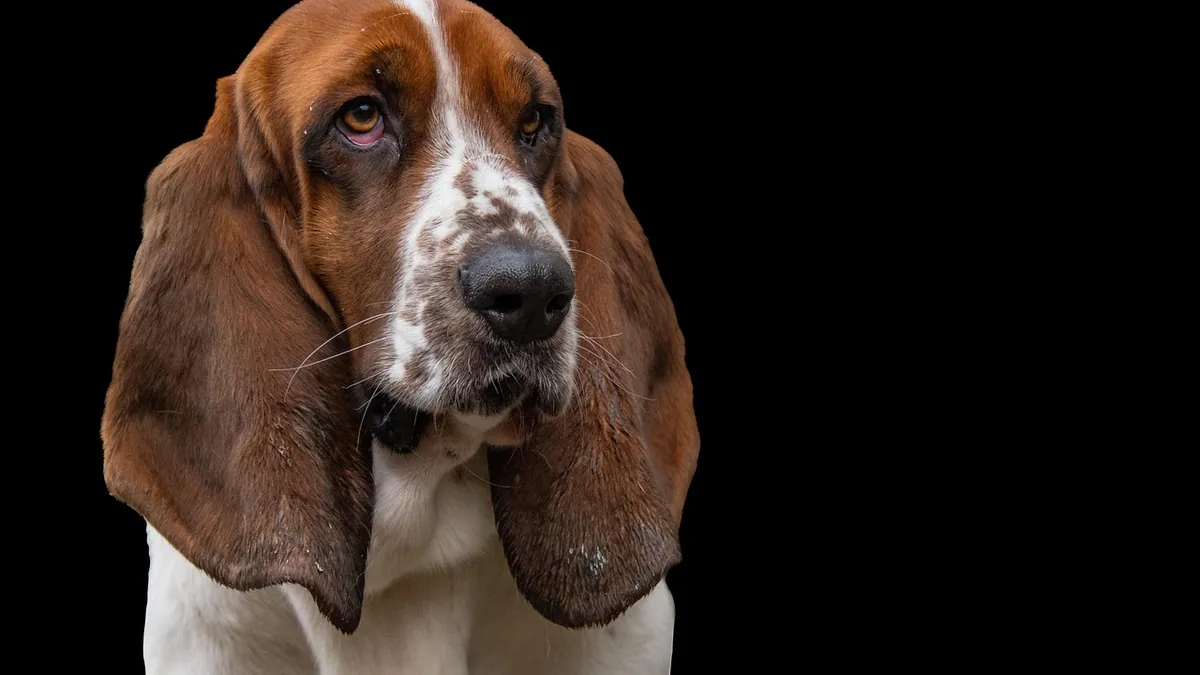
Brown dog ear gunk is most often a mix of normal ear wax and one of a few common problems: yeast overgrowth, ear mites, or a bacterial infection. The color alone does not tell you which one it is, but the smell, the amount, and your dog's behavior give strong clues. This article is educational and is not a substitute for veterinary diagnosis or treatment.
Quick Answer
- A small amount of light brown wax in a healthy ear is normal. A lot of dark brown gunk, especially with a bad smell or head shaking, is not.
- The three most common causes of brown discharge are yeast (Malassezia), ear mites, and bacterial infection. Allergies often sit behind them and keep them coming back.
- Do not use cotton swabs down the canal, do not pour home remedies in, and do not use leftover ear medicine from a previous problem.
- See a veterinarian if there is pain, swelling, odor, head tilting, or if the ear looks red and raw.
- Cleaning is only safe when the eardrum is intact. A veterinarian should confirm that before you flush anything into the ear.
What Brown Ear Gunk Looks Like and What Is Normal
A healthy dog ear canal makes a little wax. It is usually pale yellow to light brown, thin to slightly waxy, and has almost no smell. You might see a small smear on a cotton ball once a week or so. That is normal housekeeping.
What owners usually mean by dog ear gunk is something different. It is the dark brown, crumbly, greasy, or coffee-ground-looking material that builds up fast, sometimes within days. It may coat the inside of the ear flap, sit in the folds, or smear onto your finger when you lift the flap. It often comes with a smell that ranges from musty to yeasty to plainly foul.
Ear problems are one of the most common reasons dogs see a veterinarian. The most common disorder of the ear canal is otitis externa, which is inflammation of the canal lining [1]. Signs include head shaking, foul odor, redness, swelling, scratching, ear discharge, and scaly skin, and the ear can be painful or itchy [1]. One or both ears can be involved, and the problem can start suddenly or drag on for weeks [1].
If your dog is also scratching hard at one ear, see Dog Itchy Ear Brown Discharge.
Main Causes of Brown Dog Ear Gunk
Yeast Overgrowth (Malassezia)
Yeast is the most common match for brown, greasy, musty-smelling gunk. The smell is often described as corn chips or stale bread. The ear canal looks red and swollen, and your dog may scratch or rub the ear on furniture. Yeast overgrowth with limited bacterial involvement is common in dogs [2]. Allergic dogs are the usual candidates because allergies are the leading primary cause of otitis externa in dogs [3].
Ear Mites
Mites produce dark, dry, crumbly debris that looks a lot like coffee grounds. Itching is often intense, and both ears are usually affected because mites spread easily. Mites are a direct cause of otitis externa, along with objects stuck in the canal, allergies, and bacterial or yeast infection [1].
Bacterial Infection
Bacterial otitis often follows a yeast problem or an allergy flare. The discharge may be brown, yellow, or pus-like, and the odor is sharper and more foul. The bacteria involved are usually Staphylococcus pseudintermedius, which made up 41% of isolates in one analysis, followed by Staphylococcus aureus at 23% and Pseudomonas aeruginosa at 19% [4]. Pseudomonas is the hardest to clear and had the highest recurrence rate, with 90% of those cases highly resistant to certain beta-lactam antibiotics [4]. This is why guessing at treatment with leftover pills is a bad idea.
Wax Buildup and Anatomy
Some dogs simply make more wax, especially breeds with narrow canals or heavy ear flaps. The shape of the pinna or ear canal can make a dog more likely to get otitis externa [1]. Extra wax traps moisture and debris, which feeds yeast and bacteria.
Allergies and Skin Disease
Allergies are the engine behind many repeat ear infections. When the skin barrier is inflamed, the ear canal environment changes and the normal microbe mix gets out of balance. Unless every cause is treated, the condition often returns [1]. That means the allergy has to be managed too, not only the infection.
| Cause | Typical clues | How urgent |
|---|---|---|
| Yeast (Malassezia) | Brown greasy gunk, musty or corn-chip odor, red swollen canal, itching | See a vet within a few days |
| Ear mites | Dark dry coffee-ground debris, intense itching, both ears, often a new pet in the home | See a vet within a few days |
| Bacterial infection | Brown or yellow discharge, foul odor, pain when the ear is touched | See a vet within 24 to 48 hours |
| Wax buildup or anatomy | Light brown wax, no odor, no pain, dog is comfortable | Routine visit, monitor at home |
| Allergy-driven otitis | Recurrent episodes, itching elsewhere, paw licking, seasonal pattern | Routine visit for a full workup |
Red Flags That Make It an Emergency
Most ear problems are not emergencies, but a few are. Get veterinary care right away if you see any of these.
- A head tilt that started suddenly, especially with circling, falling, or trouble walking. This can point to middle or inner ear involvement.
- Severe pain. Your dog cries, snaps, or will not let you near the head.
- A swollen, hot, red ear flap that feels like a pillow. This can be a hematoma from violent head shaking.
- Facial drooping, drooling, or an eye that will not blink on the same side.
- Discharge that is bloody, green, or has a strong rotting smell.
- A foreign object, like a grass awn or seed, visible in the canal.
- Your dog stops eating or seems depressed.
If your dog has green discharge instead of brown, the cause is often different. See Dog Ear Infection with Green Discharge: What to Do.
What You Can Safely Do at Home While Waiting
Home care is about comfort and hygiene, not curing the problem. Keep it simple.
Clean Only the Outer Ear
Use a veterinary ear cleaner and cotton balls or gauze. Lift the flap, wipe what you can see, and stop there. Never push a cotton swab into the canal. You can pack wax deeper or puncture the eardrum.
Do Not Flush If You Are Unsure
Flushing a cleaner into an ear with a torn eardrum can cause serious damage. A veterinarian should check the eardrum before you start any flushing routine. If you are not sure, wipe the outer flap only.
Skip the Home Remedies
Do not use hydrogen peroxide, vinegar, alcohol, olive oil, or human ear drops unless your veterinarian tells you to. These can burn inflamed tissue or make the canal worse. Do not use leftover antibiotic or antifungal ear medicine from a past visit. The wrong drug for the wrong bug wastes time and feeds resistance.
Reduce Scratching
A soft cone can stop your dog from reopening the skin. Trim the hair around the ear opening if it is matted with discharge, but leave the canal alone.
Keep the Ear Dry
Dry the ears gently after swimming or bathing. Moisture in the canal is fuel for yeast and bacteria.
Watch for Worsening
Take a photo of the discharge each day. If the gunk increases, the smell gets worse, or your dog starts tilting the head, call your veterinarian.
What Your Veterinarian Will Check and Test
Your veterinarian will start with a full physical and skin exam. The ear flaps and nearby areas might show self-trauma, redness, and skin changes, and deformed flaps, growths in the canal, or head shaking suggest chronic discomfort [1]. A detailed history matters because it helps identify every possible cause [1].
Otoscopic Exam
The veterinarian looks into the canal with a scope to check for swelling, discharge, foreign objects, growths, and the condition of the eardrum. This step decides whether the ear can be safely cleaned and treated.
Ear Swab and Cytology
A swab sample is rolled onto a slide and stained. This shows whether yeast, bacteria, or both are present and in what numbers. Cytology is how veterinarians tell a yeast-predominant ear from a bacterial one, which changes the treatment plan.
Culture and Sensitivity
If the infection is severe, recurrent, or not responding, a sample is sent for culture. This identifies the exact bacteria and which antibiotics will work. It matters because resistance is common. Pseudomonas aeruginosa showed high resistance to beta-lactams in one analysis, with 93% resistance to amoxicillin-clavulanic acid and over 70% resistance to third-generation cephalosporins [4]. Staphylococcus species other than the usual suspects have also been found in canine otitis, including Staphylococcus schleiferi, Staphylococcus simulans, and Staphylococcus haemolyticus [5].
Allergy Workup
If infections keep coming back, your veterinarian may recommend allergy testing or a food trial. Treating the infection without addressing the underlying allergy usually means another episode in a few months.
Treatment Options
Treatment depends on what is found. Yeast-predominant otitis can be treated with an antifungal, and a study of a topical terbinafine and betamethasone gel showed it was effective for yeast otitis in dogs [2]. Antibiotics are not needed for yeast-only ears, and using them anyway goes against careful antimicrobial use [2]. Bacterial infections need the right antibiotic, chosen from culture results when possible. Probiotic-based ear drops have been studied for non-infected erythroceruminous otitis, and researchers evaluated them over 28 days of use [3]. Your veterinarian will calculate any dose from your dog's weight and health, so never adjust treatment on your own.
If your dog has thick black debris instead of brown, see Dog Ear Infection with Black Discharge: What It Means.
Preventing and Monitoring Ear Problems
Prevention is mostly about moisture, allergies, and early action.
- Check ears weekly. Look and smell. Catching a mild problem early is easier than treating a chronic one.
- Dry after water. Swimming, baths, and rainy walks all leave moisture behind.
- Manage allergies. If your dog has itchy skin, paw licking, or seasonal flare-ups, talk to your veterinarian about a plan.
- Clean only when needed. Over-cleaning strips the canal and can irritate it. Once a week or less is plenty for most dogs.
- Finish the full treatment. Stopping early is a common reason infections come back.
- Recheck as scheduled. Many ear infections look better before they are cured.
- Know your dog's pattern. Some dogs get ear trouble every spring or every time the pollen count rises. Track it so you can act fast.
For a broader look at signs and treatment, see Dog Ear Infection Signs Treatment. If the discharge changes color, see Dog Ear Infection with Discharge: What the Color Tells You.
Limitations and When to Contact a Veterinarian
This article cannot tell you what is growing in your dog's ear. Only an exam and a swab can do that. Individual cases need a veterinarian, because the right treatment depends on the cause, the eardrum, and your dog's health.
Call your veterinarian the same day if your dog has pain when the ear is touched, a foul odor, swelling, redness, or discharge that is getting worse. Book a routine visit within a few days if the gunk is mild, there is no pain, and your dog is acting normal.
Go to an emergency clinic now if you see a sudden head tilt with circling or balance loss, facial drooping, a swollen ear flap, bloody or green discharge, a visible foreign object, or severe pain. These signs can mean the problem has moved deeper than the outer canal.
Frequently Asked Questions
Is brown ear gunk always an infection?
No. A small amount of light brown wax is normal. The problem is when the gunk is dark, heavy, smelly, or comes with itching, pain, or head shaking. Those signs point to yeast, mites, bacteria, or an underlying allergy that needs treatment.
Can I just clean my dog's ears and wait?
You can wipe the outer flap while you wait for an appointment, but cleaning alone will not cure an infection. If the cause is yeast, mites, or bacteria, the ear needs the right medication. Waiting too long lets the problem spread deeper and makes it harder to treat.
How do I know if it is yeast or ear mites?
You usually cannot tell by looking. Both can cause dark debris and intense itching. A veterinarian uses a swab and a scope to find yeast, mites, or bacteria. That is the only reliable way to know which treatment will work.
Are over-the-counter ear cleaners enough?
Ear cleaners help remove debris and dry the canal, but they do not kill yeast, mites, or bacteria. They are useful as part of a treatment plan, not as a replacement for one. Ask your veterinarian which cleaner is safe for your dog's eardrum.
Will my dog's ear infection come back?
It can, especially if allergies or ear anatomy are involved. Unless every cause is treated, the condition often returns [1]. Managing the underlying trigger, finishing treatment, and keeping ears dry lower the odds of another episode.
Related Articles
- Dog Itchy Ear Brown Discharge
- Dog Ear Infection with Black Discharge: What It Means
- Dog Ear Infection with Discharge: What the Color Tells You
- Dog Ear Infection with Green Discharge: What to Do
- Dog Ear Infection Signs Treatment
- Dog Shaking Head Brown Stuff In Ear
- Dog Ear Exudate: What Discharge Means and When to See a Vet
- Dog Ear Leaking Fluid: Causes of Clear or Yellow Discharge
- Ketoconazole for Dog Ear Infections: Does It Help?
References
- Ear Infections and Otitis Externa in Dogs - Dog Owners. Merck Veterinary Manual.
- A Randomised Placebo-Controlled Study to Evaluate the Efficacy and Safety of a Two-Dose Topical Terbinafine and Betamethasone Gel for the Treatment of Yeast (Malassezia pachydermatis) Otitis Externa in Dogs. Veterinary dermatology, 2026.
- Clinical Efficacy of Probiotic-Based Ear Drops Containing Lactobacilli in Canine Erythroceruminous Otitis Externa: An Open Label, Multicentre Study. Veterinary dermatology, 2026.
- Bacterial Agents and Antimicrobial-Resistance Patterns in Canine Otitis Externa. Animals : an open access journal from MDPI, 2025.
- Microbiology of Otitis externa in dogs reveals wide variation in Staphylococcus species. Veterinaria italiana, 2025.