Dog Ear Exudate: What Discharge Means and When to See a Vet
By Dr. Zubair Khalid, DVM, MS, PhD ·
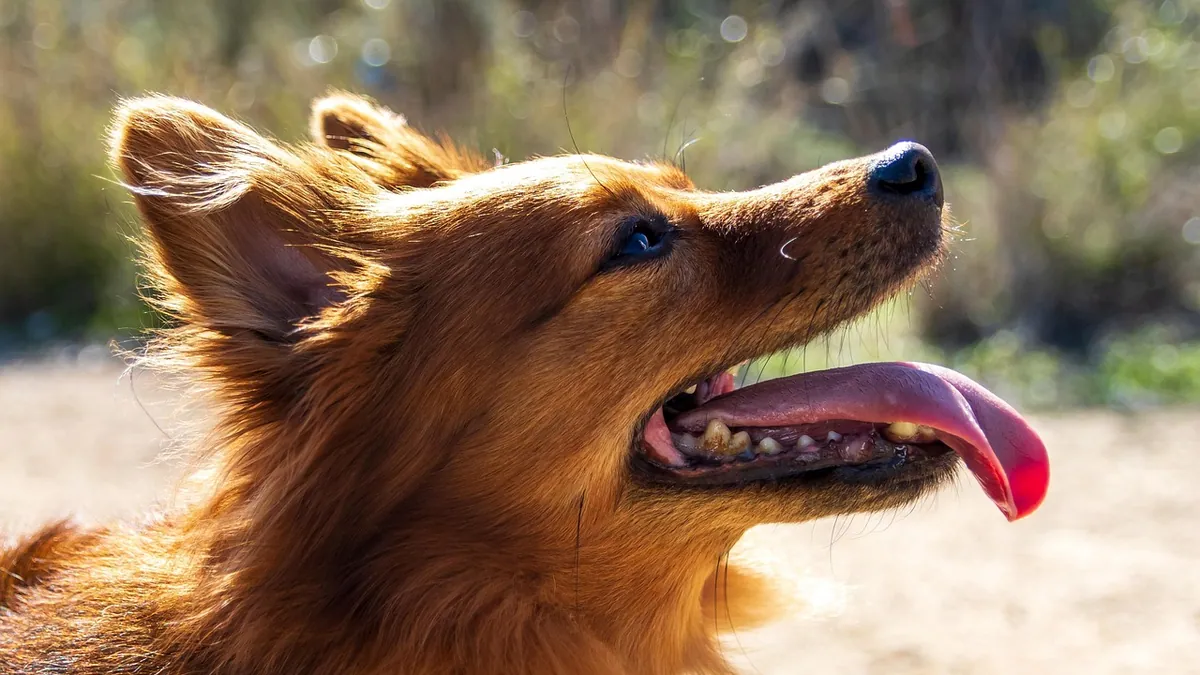
Dog ear exudate is any fluid or debris that comes out of your dog's ear canal, and it can range from normal light wax to thick pus or blood. The color, smell, and amount give strong clues about what is happening inside the ear. Some discharge is harmless and easy to manage, while other discharge signals an infection that needs veterinary care.
This article is educational and is not a substitute for veterinary diagnosis or treatment.
Quick Answer
- A small amount of pale yellow or light brown wax is normal and helps protect the ear canal.
- Dark brown, black, or coffee-ground discharge often points to yeast or ear mites, though bacteria and mixed infections can look the same [1][2].
- Slimy green discharge with a strong pungent odor is a red flag for a tough bacterial infection, often Pseudomonas [2].
- Head shaking, scratching, redness, swelling, and pain are common signs that go along with ear discharge [1].
- Do not push cotton swabs or pour anything into an ear that is painful, swollen, or bleeding. Let a veterinarian look first.
What Dog Ear Exudate Looks Like and What Is Normal
Every dog's ear canal makes some cerumen, the technical word for ear wax. A healthy ear canal is mostly self-cleaning. You might see a trace of pale yellow or light brown wax at the opening, and it should not smell bad.
Normal ear tissue is pale pink and smooth. Your dog should not flinch when you touch the ear flap or the base of the ear. There should be no swelling, crusting, or redness [1].
Exudate is the catch-all term for material that leaks or collects in the canal. It can be thin and watery, thick and waxy, creamy, or crumbly. It can be clear, yellow, brown, black, green, or bloody. The amount matters too. A little wax is fine. A canal that is packed with debris is not.
One or both ears can be affected, and problems can start suddenly or build up slowly over weeks [1]. If you notice a change in what comes out of the ear, that is your cue to look closer.
Dog Ear Exudate Color, Smell, and Amount: What Each Clue Means
Color alone does not diagnose anything, but it narrows the list.
- Pale yellow to light brown wax. Usually normal cerumen. If the amount is small and there is no odor, pain, or redness, this is likely fine.
- Dark brown or black discharge. Often seen with yeast overgrowth or ear mites. It can also appear with bacterial or mixed infections, so the color by itself does not tell you which one [1].
- Coffee-ground discharge. This dark, crumbly appearance is strongly associated with ear mites in cats, and the same mite can affect dogs [2].
- Creamy yellow or white pus. Suggests infection with bacteria or yeast, especially when paired with redness and pain [1].
- Slimy green discharge. Highly suggestive of Pseudomonas, a gram-negative rod-shaped bacterium. These infections often carry a particularly pungent odor [2].
- Red or bloody discharge. Means the canal lining is ulcerated or scratched. This needs a vet visit.
Smell is just as useful as color. A foul odor is one of the classic signs of otitis externa, the medical name for inflammation of the outer ear canal [1]. A mildly waxy smell can be normal. A sour, yeasty, or rotten smell is not.
Amount tells you about severity. A thin film of wax you can wipe away with a soft cloth is minor. Discharge that refills within hours, drips down the ear flap, or blocks your view of the canal is a sign the problem is active and likely getting worse.
Main Causes of Ear Discharge in Dogs
Otitis externa can be triggered directly by parasites, objects stuck in the canal, allergies, bacterial or yeast infection, or a middle ear infection [1]. The shape of the ear flap or canal can make some dogs more prone to the problem [1]. Finding every cause matters, because the condition often comes back unless each one is treated [1].
| Cause | Typical clues | How urgent |
|---|---|---|
| Ear mites | Dark, coffee-ground debris, intense scratching, often both ears [2] | See a vet soon, usually within a few days |
| Yeast overgrowth | Dark brown discharge, musty or yeasty smell, redness, itching [1] | See a vet soon |
| Bacterial infection | Creamy or green pus, foul or pungent odor, pain, swelling [1][2] | See a vet soon, same day if severe |
| Allergies | Recurrent episodes, often seasonal or tied to food or environment, both ears may be involved [1] | Routine visit, but recurring cases need a full workup |
| Foreign object | Sudden onset, one ear, violent head shaking, pain [1] | Same day |
| Middle ear infection | Head tilt, pain, discharge, sometimes facial paralysis or balance loss [3] | Same day, or emergency if balance or facial signs appear |
Bacterial infections are a major driver of otitis externa. One analysis of bacterial isolates from dogs with the condition found Staphylococcus pseudintermedius in 41% of cases, Staphylococcus aureus in 23%, and Pseudomonas aeruginosa in 19% [4]. Pseudomonas had the highest recurrence rate, with 90% of those cases highly resistant to certain beta-lactam antibiotics [4]. This is one reason vets take samples instead of guessing.
Staphylococcus species vary more than owners expect. A separate study identified S. pseudintermedius, S. schleiferi, S. simulans, and S. haemolyticus in dogs with otitis externa, and some of these have zoonotic potential, meaning they can pass to people [5].
Recurrent otitis externa is a clue that a middle ear infection may be present [3]. That is why a dog with repeated ear trouble needs a deeper look, not just another bottle of drops.
Red Flags That Make It an Emergency
Most ear discharge can wait for a scheduled visit. Some signs cannot.
- Loss of balance, difficulty rising or walking, or uncontrollable eye movements. These point to otitis interna, the inner ear form, and need emergency care [3].
- Facial paralysis or drooping eyelid on the same side as the affected ear. Nerves to the face run through the middle ear, so this is a serious sign [3].
- Head tilt that does not improve or gets worse. A head tilt toward the affected side is typical of inner ear disease [3].
- Neurological signs such as seizures or confusion. Infection can spread to the brain in severe cases [3].
- Heavy bleeding from the ear canal.
- A swollen, hot, very painful ear that your dog will not let you touch.
- Sudden deafness.
If you see any of these, call your vet or an emergency clinic right away.
Safe Things You Can Do at Home While You Wait
Home care has limits. Your job is to keep your dog comfortable and avoid making things worse.
Do not use cotton swabs inside the canal. You can push debris deeper or injure the eardrum. Wipe only the visible outer part of the ear flap with a soft cloth or cotton ball.
Do not use hydrogen peroxide, alcohol, or vinegar unless your vet tells you to. These can irritate an already inflamed canal.
Do not use leftover ear medication from a previous episode. The infection may be different this time, and the wrong product can delay healing.
Do not pluck hair from the canal on your own. Plucking is controversial even among vets and may be needed in some cases, but it should be a veterinary decision [2].
Do keep your dog from scratching. An Elizabethan collar can prevent self-trauma if your dog is pawing at the ear constantly.
Do use a vet-approved ear cleaner only if your vet has cleared it. Cleaning helps remove debris, but a canal that is swollen, painful, or packed with exudate may not be safe to clean at home.
Do note what you see. Write down the color, smell, amount, which ear, and when symptoms started. This helps your vet choose the right tests.
For more on spotting ear problems early, see Dog Ear Infection: How to Spot It and When to See the Vet.
What Your Veterinarian Will Check and Test
Your vet will start with a hands-on exam of the ear flap, the canal opening, and the area around the ear. They will look for redness, swelling, pain, and scaly skin [1].
Next comes otoscopy. This means looking into the canal with a special scope called an otoscope [1]. This step lets the vet find foreign objects, built-up debris, parasites, and a damaged or abnormal eardrum [1]. If the ear is very painful or blocked, sedation or anesthesia may be needed to do this safely [1].
Otoscopy is not always possible. Excessive tissue growth, swelling, pain, or a canal packed with exudate can block the view [2]. In those cases, imaging such as CT can help. CT has shown high sensitivity for diagnosing otitis externa and is a standard tool for assessing middle ear disease [6].
Your vet will likely take samples of the discharge. A cotton swab smear can quickly show whether bacteria, yeast, or parasites are present [1]. Normal ears contain small numbers of harmless microbes that can overgrow when the ear environment changes [1]. The vet will also check for ear mite eggs, larvae, or adults [1][2].
If a Gram stain is available, it helps identify the type of bacteria. When it is not, a slimy green discharge plus rod-shaped organisms on cytology is highly suggestive of Pseudomonas [2]. Cytology findings and clinical severity do not always move together, and the relationship varies by which pathogen is involved [7].
Treatment depends on what is found. Many acute cases are managed with glucocorticoids and ear cleaning, and antibiotics are used in a minority of cases [8]. Your vet will calculate any medication dose based on your dog's weight and health. Never adjust or repeat a dose on your own.
If the problem keeps coming back, surgery may be discussed. A study of lateral ear canal resection for chronic otitis externa found the procedure can reduce how often ears need cleaning, based on owner reports at least 12 months after surgery [9]. This is not a first-line option, but it can help dogs who do not respond to medical management alone.
For a closer look at what different discharge colors mean, see Dog Ear Infection with Discharge: What the Color Tells You.
Preventing and Monitoring Ear Problems
You cannot prevent every ear infection, but you can lower the odds and catch problems early.
Check ears weekly. Lift the flap, look at the canal opening, and take a quick sniff. Know what normal looks like for your dog.
Keep the canal dry. After swimming or bathing, gently dry the outer ear with a soft cloth. Moisture feeds yeast and bacteria.
Treat the underlying cause. Allergies are a leading reason ears flare up again and again. If your dog has repeated ear infections, ask your vet about allergy testing or a food trial.
Follow treatment to the end. Stopping ear drops early is a common reason infections return. Finish the full course your vet prescribes.
Ask about cleaning frequency. Some dogs need regular cleaning. Others do better with less. Your vet can tell you what fits your dog's ears.
Watch for recurrence. Repeated episodes suggest the original cause was never fully resolved [1]. Recurrent otitis externa also raises the question of middle ear involvement [3].
Probiotic-based ear drops have been studied for non-infected erythroceruminous otitis externa, a waxy, red form without active infection [10]. This is an emerging area, and it is not a substitute for treating a confirmed infection. Ask your vet whether it fits your dog's situation.
For dogs with dark discharge specifically, see Dog Ear Infection with Black Discharge: What It Means.
Limitations and When to Contact a Veterinarian
This article gives general guidance. Your dog's case needs a veterinarian who can examine the ear, run tests, and prescribe treatment.
Contact your vet the same day if you see:
- Green, bloody, or pus-like discharge
- A foul or pungent odor
- Marked pain when the ear is touched
- Swelling or redness that is getting worse
- Discharge that returns within hours of cleaning
- Symptoms that have lasted more than a few days
Go to an emergency clinic now if you see:
- Loss of balance, stumbling, or trouble walking
- Uncontrollable eye movements
- Facial drooping or paralysis
- Head tilt that is new or worsening
- Seizures or confusion
- Sudden deafness
- Heavy bleeding from the ear
Schedule a routine visit if you see:
- A small amount of wax with no odor, pain, or redness
- Mild itching that comes and goes
- A history of recurrent ear problems that need a full workup
Do not wait to see if discharge clears on its own when your dog is in pain or the smell is strong. Ear infections rarely resolve without treatment, and delay can let the problem spread deeper.
Frequently Asked Questions
Is dog ear exudate always a sign of infection?
No. A small amount of pale wax is normal. Infection is more likely when discharge comes with redness, swelling, pain, a bad smell, or head shaking. If the ear looks and smells normal and your dog is comfortable, watch it for a day or two.
Can I use human ear drops on my dog?
No. Human ear products are not made for the shape or pH of a dog's ear canal, and some ingredients can harm a damaged eardrum. Your vet will choose a product based on what the exam and tests show.
How do I know if the discharge is wax or pus?
Wax is usually soft, pale, and only mildly scented. Pus tends to be creamy, yellow, green, or bloody, and it often smells foul. If you are unsure, let your vet look. A quick swab under the microscope settles the question.
Will my dog's ear infection clear up without treatment?
Mild wax buildup sometimes resolves on its own. A true infection usually does not. Bacteria and yeast keep multiplying in the warm, moist canal, and the problem can spread to the middle ear if it is ignored [3].
How often should I clean my dog's ears?
There is no single schedule that fits every dog. Some need weekly cleaning, and some need it only when the vet recommends it. Over-cleaning can irritate the canal. Ask your vet for a plan based on your dog's ear shape and history.
Related Articles
- Dog Ear Infection: How to Spot It and When to See the Vet
- Dog Ear Infection with Black Discharge: What It Means
- Dog Ear Infection: Signs, Home Care, and When to See the Vet
- Dog Ear Infection with Discharge: What the Color Tells You
- Dog Eye Discharge: What's Normal and When to Call the Vet
- Cat Ear Infection with Green Discharge: When to See a Vet
- Dog Ear Gunk: What Brown Discharge Means and How to Treat It
- Dog Ear Leaking Fluid: Causes of Clear or Yellow Discharge
- Red Dog Ear: Causes, Symptoms, and When to See a Vet
References
- Ear Infections and Otitis Externa in Dogs - Dog Owners. Merck Veterinary Manual.
- Otitis Externa in Animals - Ear Disorders. Merck Veterinary Manual.
- Otitis Media and Interna (Middle and Inner Ear Infections) in Dogs - Dog Owners. Merck Veterinary Manual.
- Bacterial Agents and Antimicrobial-Resistance Patterns in Canine Otitis Externa. Animals : an open access journal from MDPI, 2025.
- Microbiology of Otitis externa in dogs reveals wide variation in Staphylococcus species. Veterinaria italiana, 2025.
- Computed Tomographic Findings in Canine Otitis Externa. Veterinary radiology & ultrasound : the official journal of the American College of Veterinary Radiology and the International Veterinary Radiology Association, 2026.
- Associations Between Otic Cytological Findings and Clinical Severity by Pathogen Group in Canine Otitis Externa: A Retrospective Study of 318 Cases. Veterinary dermatology, 2026.
- Treatment Choices for Acute Canine Otitis Externa in Sweden, Finland and Norway: A Comparative Study With a Focus on Antibiotic Use. Veterinary dermatology, 2026.
- Clinical outcomes of lateral ear canal resection performed in routine clinical practice for chronic otitis externa in dogs: a retrospective descriptive study of 58 ears (2016-2025). The Journal of small animal practice, 2026.
- Clinical Efficacy of Probiotic-Based Ear Drops Containing Lactobacilli in Canine Erythroceruminous Otitis Externa: An Open Label, Multicentre Study. Veterinary dermatology, 2026.