Dog Ear Leaking Fluid: Causes of Clear or Yellow Discharge
By Dr. Zubair Khalid, DVM, MS, PhD ·
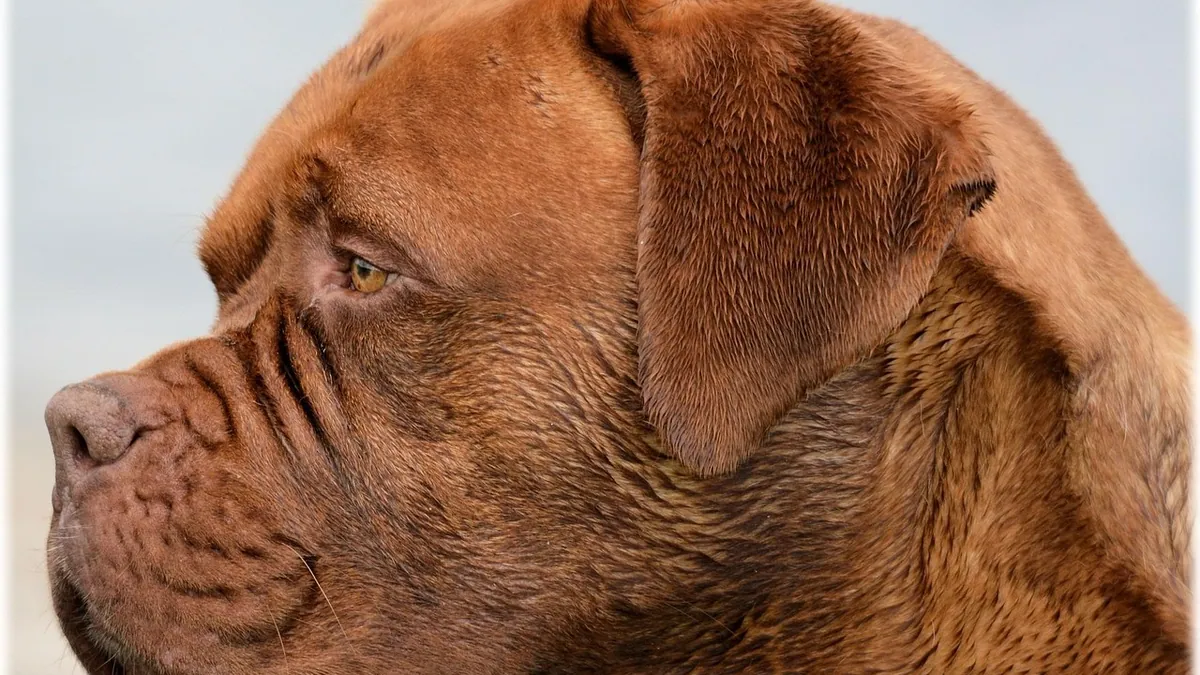
Dog ear leaking fluid usually means the ear canal or ear flap is inflamed, infected, or injured. Clear fluid often points to early inflammation or allergies, yellow or pus-like fluid suggests infection, and bloody fluid often follows scratching or a burst blood vessel in the flap. This article is educational and is not a substitute for veterinary diagnosis or treatment.
Quick Answer
- Clear, watery fluid often means early inflammation, allergies, or a mild irritant, and it can turn into an infection if the cause is not treated.
- Yellow, creamy, or pus-like fluid is the classic sign of a bacterial or yeast infection in the ear canal [1].
- A soft, squishy swelling on the ear flap that leaks blood is more likely an aural hematoma than an infection.
- Head shaking, scratching, odor, redness, and pain are the signs that go along with otitis externa, the most common ear canal disorder in dogs [1].
- Any fluid plus head tilt, loss of balance, facial drooping, or severe pain needs same-day veterinary care [2].
What Dog Ear Leaking Fluid Looks Like and What Is Normal
A healthy dog ear canal should be clean, pale pink, and mostly dry. A small amount of light brown wax is normal. Fluid that drips, pools, or stains the fur is not normal.
The fluid can look different depending on the cause:
- Clear and watery, like tears or thin serum
- Yellow, cream, or greenish, which usually means pus
- Brown or black, which often mixes wax with debris
- Red or bloody, which points to broken skin, scratching, or a hematoma
You may notice the fluid on the ear flap, inside the canal, or on your dog's bedding after a night of head shaking. Some dogs hold the ear lower or tilt the head toward the sore side. Others rub the ear along the floor or yelp when you touch it.
The ear canal carries sound to the eardrum, and inflammation of its lining is called otitis externa [1]. This is the most common disorder of the ear canal in dogs [1]. Otitis externa affects 10 to 20 percent of dogs, so leaking ears are something most owners will see at some point [3].
Causes of a Dog Ear Leaking Fluid
The color and texture of the fluid give useful clues, but they do not confirm a diagnosis. A veterinarian needs to look inside the ear to know what is really going on.
| Cause | Typical clues | How urgent |
|---|---|---|
| Otitis externa (bacterial or yeast infection) | Yellow or brown discharge, odor, redness, scratching, head shaking [1] | See a vet within a day or two |
| Allergies (environmental or food) | Clear fluid, both ears often affected, itching elsewhere on the body | Routine visit, but sooner if worsening |
| Ear mites or other parasites | Dark debris, intense scratching, clear to brown fluid | Routine visit |
| Foreign object (grass awn, seed, foxtail) | Sudden onset, one ear, violent head shaking, clear or bloody fluid | Same-day visit |
| Aural hematoma | Soft, fluid-filled swelling on the flap, often bloody when it drains | See a vet promptly |
| Otitis media or interna | Discharge plus head tilt, pain, balance problems, facial weakness [2] | Same-day or emergency |
| Trauma or self-trauma from scratching | Bloody fluid, visible cuts or scabs on the flap | Same-day if bleeding is heavy |
| Canine juvenile cellulitis | Pus-filled raised areas on the face and ears in puppies 3 weeks to 4 months old, swollen lymph nodes, poor appetite [4] | See a vet right away |
Clear Fluid
Clear fluid is often the earliest sign. The canal lining is irritated and weeping serum, but bacteria have not taken over yet. Allergies are a common trigger. If the clear fluid sits in the canal, it creates a warm, moist environment where yeast and bacteria grow well, so clear discharge can become yellow over a few days.
Yellow Fluid
Yellow fluid is usually pus. Bacterial organisms are a common cause of otitis externa, and infection can lead to severe and chronic inflammation [3]. The most common bacteria found in dogs with otitis externa is Staphylococcus pseudintermedius, followed by Staphylococcus aureus and Pseudomonas aeruginosa [5]. Pseudomonas infections tend to come back, with 90 percent of cases showing high resistance to certain beta-lactam antibiotics [5]. That is one reason ear infections should be treated with the right medication, not whatever is left in the cabinet.
Yeast overgrowth can also produce yellow to brown discharge with a musty smell. Your vet can tell bacteria from yeast by looking at a sample under the microscope [1].
Bloody Fluid
Blood in the ear fluid usually comes from scratching or head shaking that breaks small blood vessels. A hematoma is different. It happens when a blood vessel in the ear flap bursts and blood collects between the skin and cartilage, creating a soft, squishy pocket. If that pocket opens or is drained, bloody fluid leaks out. Hematomas often follow intense head shaking from an underlying ear infection, so the infection still needs treatment too.
Dog Ear Filled With Fluid
When the whole ear flap looks puffy and feels like a water balloon, that is the classic picture of an aural hematoma. When the canal itself feels full, it is more often packed with discharge, wax, and swollen tissue. A vet can tell the difference by feel and by looking inside with an otoscope [1]. Do not try to drain a swollen ear at home.
Red Flags That Make It an Emergency
Some signs mean the problem has moved beyond the outer ear. Otitis media (middle ear inflammation) usually starts when infection spreads from the external canal or when a foreign object ruptures the eardrum [2]. It can progress to otitis interna, which can cause balance loss and deafness [2].
Call your vet right away or go to an emergency clinic if you see:
- A head tilt that does not go away
- Stumbling, circling, or trouble standing and walking
- Uncontrollable eye movements
- Drooping eyelid, lip, or ear on one side (facial nerve paralysis) [2]
- Severe pain when the ear or head is touched
- Heavy bleeding from the ear
- Fever, refusal to eat, or marked lethargy
- Sudden deafness
Nerves to the face pass through the middle ear, so dogs with otitis media can develop paralysis on the same side as the ear problem [2]. If infection spreads to the brain, other neurological signs can appear [2]. These are not wait-and-see situations.
Safe Things You Can Do at Home While You Wait
You cannot diagnose or cure an ear infection at home, but you can keep your dog comfortable and avoid making things worse.
- Do not pour anything into the ear unless your veterinarian prescribed it. If the eardrum is torn, some products can cause harm.
- Do not use cotton swabs deep in the canal. You can push debris and fluid further in or injure the eardrum.
- Gently wipe the outer flap with a soft cloth or cotton pad dampened with plain water or a vet-approved ear cleaner.
- Use an Elizabethan collar if your dog keeps scratching. Stopping the scratching helps prevent hematomas and skin damage.
- Keep the ear dry. Skip swimming and baths until your vet has seen the ear.
- Note the color, smell, and amount of fluid, plus when the signs started. This history helps your vet [4].
- If your dog is vomiting or has other symptoms along with the ear problem, see our guides on Dog Vomiting Yellow Clear Liquid and Dog Vomiting Clear Liquid: Causes and When to Worry.
Never give human ear drops or leftover antibiotics. Some ingredients are toxic to dogs, and the wrong antibiotic can let resistant bacteria like Pseudomonas thrive [5].
What Your Veterinarian Will Check and Test
Your vet will start with a full physical exam and a focused ear exam. Tell them if your dog has had ear problems before, since that history changes the plan [4].
Next comes otoscopy. Your vet looks into the canal with a special scope called an otoscope [1]. This lets them find foreign objects, built-up debris, parasites, and a damaged or abnormal eardrum [1]. If the ear is very painful or blocked, this exam may need sedation or anesthesia [1].
During the exam, your vet will often take a sample of the discharge to examine under the microscope or to culture [1]. Microscopy shows whether yeast, bacteria, or mites are present. A culture and sensitivity test tells your vet which antibiotic will actually work, which matters most for stubborn or recurring infections [5].
If your vet suspects the infection has reached the middle ear, imaging may be recommended. CT has become a gold standard for assessing middle ear disease, and it is highly sensitive for detecting otitis externa changes in the canal wall [6]. Recurrent otitis externa is a hint that otitis media might be present [2].
Treatment depends on the cause. It may include a professional ear cleaning, prescription ear medication, oral medication, or treatment for allergies. Some dogs with non-infected inflammatory ear disease improve with probiotic-based ear drops, which were studied in dogs with erythroceruminous otitis externa [7]. Your vet will decide what fits your dog.
Prevention and Monitoring
Ear problems come back when the underlying cause is not fully treated. Identifying every cause is essential, because unless each one is addressed, the condition often returns [1].
- Check your dog's ears weekly. Look for redness, odor, and discharge.
- Dry the ears gently after swimming or bathing.
- Keep allergies under control with your vet's plan, since allergic dogs have less diverse ear bacteria and are prone to otitis externa [7].
- Finish every course of ear medication, even if the ear looks better.
- Ask your vet how often to clean the ears and which cleaner to use. Over-cleaning can irritate the canal.
- If your dog has a history of infections, keep follow-up appointments. Recurrence is common, and some bacteria are highly resistant to common antibiotics [5].
- Watch for the early signs you saw the first time, such as head shaking or a new smell. Catching it early is easier to treat.
If your dog also has itchy ears with brown discharge, our article on Dog Itchy Ear Brown Discharge explains what that color usually means. For a closer look at discharge colors in general, see Dog Ear Infection with Discharge: What the Color Tells You.
Limitations and When to Contact a Veterinarian
This article cannot tell you what is causing your dog's ear fluid. Only a veterinarian who examines your dog can do that, and individual cases always need a professional assessment.
Contact your vet the same day if:
- Fluid has been leaking for more than 24 hours
- The ear smells bad or the discharge is yellow or green
- Your dog is scratching or shaking the head constantly
- One ear looks swollen or puffy
- Your dog seems painful when the head is touched
Go to an emergency clinic now if:
- Your dog has a head tilt, balance loss, or trouble walking [2]
- The face looks droopy on one side [2]
- There is heavy bleeding or a large open wound on the ear
- Your dog is lethargic, feverish, or not eating
- Your dog suddenly seems deaf
Schedule a routine visit if the fluid is mild, your dog is comfortable, and there are no red flags. Even mild discharge can worsen, so do not put it off for weeks.
Frequently Asked Questions
Is clear ear fluid always an infection?
No. Clear fluid often means inflammation or allergies before an infection sets in. It can still turn into an infection if the moisture and irritation continue, so a vet visit is wise if it lasts more than a day or two.
Can I use human ear drops on my dog?
No. Human ear products can contain ingredients that harm dogs, and using the wrong antibiotic can make resistant bacteria harder to treat. Wait for your veterinarian to prescribe the right medication for your dog.
How do I know if my dog has a hematoma or an infection?
A hematoma feels like a soft, squishy pocket on the ear flap, while an infection usually involves the canal with discharge, odor, and pain. Many dogs have both at once, since head shaking from an infection can cause a hematoma. Your vet can tell them apart during an exam.
Will an ear infection heal on its own?
Some mild cases improve if the trigger is removed, but most bacterial and yeast infections need treatment. Untreated infections can spread to the middle ear and cause balance problems or facial paralysis [2]. It is safer to have the ear checked.
How can I tell if my dog's ear problem is getting worse?
Watch for more discharge, a stronger smell, increased pain, head tilting, or changes in balance or appetite. Any new neurological sign, such as a head tilt or drooping face, means you should seek care right away [2].
Related Articles
- Dog Vomiting Yellow Clear Liquid
- Dog Vomiting Clear Liquid: Causes and When to Worry
- Dog Ear Infection with Discharge: What the Color Tells You
- Dog Vomiting Yellow Clear
- Dog Itchy Ear Brown Discharge
- Dog Eye Discharge: Clear vs. Colored, What It Means
- Why Is My Dog's Ear Oozing Fluid? Causes and What to Do
- Dog Ear Exudate: What Discharge Means and When to See a Vet
- Red Dog Ear: Causes, Symptoms, and When to See a Vet
References
- Ear Infections and Otitis Externa in Dogs - Dog Owners. Merck Veterinary Manual.
- Otitis Media and Interna (Middle and Inner Ear Infections) in Dogs - Dog Owners. Merck Veterinary Manual.
- Investigation of a Membrane Filter Protocol for Direct Identification of Microorganisms in Dog Ear Discharge using MALDI-TOF MS. Journal of microorganism control, 2025.
- Disorders of the Outer Ear in Dogs - Dog Owners. Merck Veterinary Manual.
- Bacterial Agents and Antimicrobial-Resistance Patterns in Canine Otitis Externa. Animals : an open access journal from MDPI, 2025.
- Computed Tomographic Findings in Canine Otitis Externa. Veterinary radiology & ultrasound : the official journal of the American College of Veterinary Radiology and the International Veterinary Radiology Association, 2026.
- Clinical Efficacy of Probiotic-Based Ear Drops Containing Lactobacilli in Canine Erythroceruminous Otitis Externa: An Open Label, Multicentre Study. Veterinary dermatology, 2026.