Dog Allergic to Rice? Symptoms and What to Feed
By Dr. Zubair Khalid, DVM, MS, PhD ·
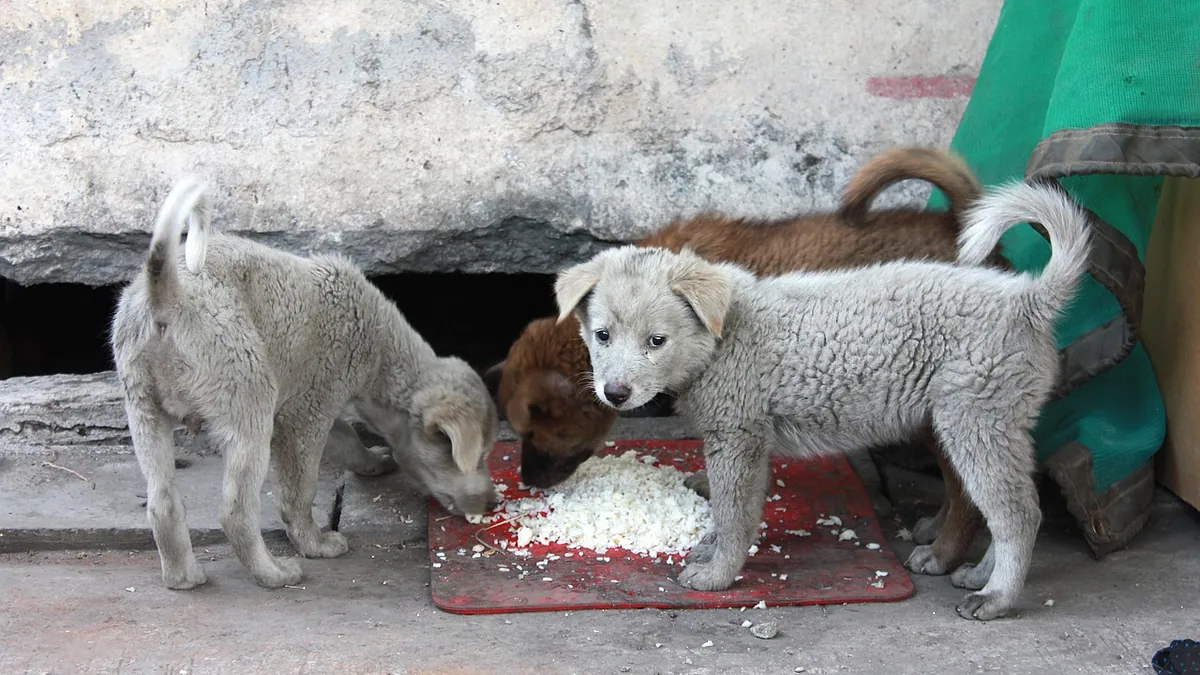
A true allergy to rice in dogs is uncommon. Most dogs that react to a rice-based diet are reacting to the protein mixed with the rice, such as chicken or beef, and not to the grain itself. If you suspect your dog is allergic to rice, the only reliable way to know is a supervised elimination diet trial followed by a food challenge.
This article is educational and is not a substitute for veterinary diagnosis or treatment.
Quick Answer
- Rice is a rare allergen in dogs. The most commonly reported offending foods are beef, dairy, chicken, wheat, and lamb [1].
- Signs of a food allergy include itchy skin, red skin, ear infections, vomiting, and diarrhea [2][3].
- Blood, saliva, and hair tests cannot reliably diagnose a food allergy in dogs [4][5].
- An elimination diet trial is the gold standard. Your dog must eat only the trial diet for the whole period, with no treats, table scraps, or flavored medications [4][6].
- Some food-allergic dogs need up to 10 weeks on the trial diet before you see improvement [4].
What a Rice Allergy in Dogs Actually Means
A food allergy is an immune response to a protein in the diet. The immune system mistakes that protein for a threat and releases histamine and other chemicals, which causes inflammation, redness, swelling, and itching [2]. In dogs, food allergies usually show up as skin problems, gut problems, or both [3].
Rice allergy is possible but uncommon. When veterinarians study which foods actually trigger reactions in dogs, rice rarely appears on the list. The most frequently reported offenders in dogs from Australia, Europe, and North America are beef, dairy products, chicken, wheat, and lamb [1]. A study from Malaysia, Singapore, and Indonesia found chicken was the top allergen in all three countries [1].
That matters because rice is a common ingredient in "limited ingredient" and sensitive-stomach dog foods. If your dog gets itchy or develops diarrhea on one of those diets, rice may get blamed when the real trigger is the protein source. Rice is also a common home remedy for diarrhea, so owners sometimes add more of it when a dog is already reacting to something else in the bowl. If you are using rice for stomach upset, see Dog Diarrhea Home Remedy Rice for how to do it safely.
One more distinction matters. Not every bad reaction to food is an allergy. Adverse food reactions include both immune (allergic) and non-immune reactions, and they can look identical to owners [5]. Your veterinarian sorts out which one your dog has.
Dog Allergic to Rice Symptoms: What You Will Notice
Symptoms of a food allergy are not specific to rice. They look the same whether the trigger is chicken, beef, or anything else [5]. Watch for:
- Itching that does not stop with the seasons. Food allergies cause nonseasonal itching, meaning it stays bad all year [1].
- Red, irritated skin, especially on the paws, face, ears, armpits, and groin [2].
- Repeated ear infections or head shaking. Ear itching and infections are common in food-allergic dogs. For more on this pattern, see Dog Itching Ears Food Allergy.
- Licking and chewing at the paws. This can also have other causes, so compare notes with Dog Licking Paws in Spring: Allergies or Something Else?.
- Vomiting, diarrhea, gas, or frequent bowel movements [3].
- Skin infections. Staphylococcus and Malassezia (yeast) infections are common in food-allergic dogs, and the discomfort from those infections can make it hard to judge how much itching comes from the allergy itself [4].
A rash or skin changes from food allergy can be easy to confuse with other skin diseases. This guide on Dog Skin Rash from Food Allergies: How to Identify and Manage walks through the differences.
Signs That Point Away From Rice
If your dog improves on a grain-free diet but the new diet also changed the protein, the improvement does not prove rice was the problem. If symptoms come and go with the seasons, environmental allergies are more likely than a food allergy. If itching started right after a flea infestation or a new shampoo, look there first. Food allergy is a year-round problem tied to what your dog eats, not to the calendar or the weather [1].
Causes and Risk Factors
Food allergies develop after repeated exposure to a protein. The immune system becomes sensitized over time, which is why a dog can eat the same food for years and then suddenly start reacting to it.
Breed may play a role. In one regional study, crossbreeds were most commonly affected in Malaysia and poodles in Singapore [1]. Age of onset varies, and food allergy can appear in adult dogs, not just puppies [1].
The biggest risk factor for a wrong diagnosis is testing that does not work. Serum IgE, salivary IgA, and salivary IgM testing were not consistently able to prove or disprove a food allergy in naturally allergic dogs, or to tell food-allergic dogs apart from healthy dogs [4]. Serum IgE and IgG tests, saliva tests, and hair tests all lack reliability [5]. If a company offers to diagnose a rice allergy from a blood or hair sample, that result cannot be trusted.
How Veterinarians Diagnose a Rice Allergy
Step 1: Rule Out Other Causes
Your veterinarian will first check for fleas, skin infections, yeast, and environmental allergies. Secondary infections are common in food-allergic dogs, and treating them before starting a diet trial can make the trial results much clearer [4]. If your dog is on multiple medications and topical products, your vet may treat the infections first so that you and your dog can focus on the diet [4].
Step 2: The Elimination Diet Trial
The limited antigen diet trial, followed by a food challenge, is the best method for confirming a food allergy in dogs [6]. The idea is simple. Feed a diet with proteins your dog has never eaten, or a hydrolyzed diet in which proteins are broken into pieces too small to trigger the immune system. Then watch whether symptoms improve.
Compliance decides whether the trial works. Your dog must eat the trial diet exclusively for the entire trial period, with no other food of any kind [4]. That means no treats, no table scraps, no rawhide, no flavored toothpaste, and no flavored heartworm or flea medications unless your vet approves them. One slip can ruin weeks of work.
Duration matters more than most owners expect. A literature review found that a minimum of 10 weeks may be needed to identify 95% of food-allergic patients [4]. Many dogs improve sooner, but if your dog has not improved by the end of the period your vet sets, do not quit early without a conversation.
Step 3: The Food Challenge
If symptoms improve on the trial diet, the next step is reintroducing the suspected food, in this case rice, while keeping everything else the same. If symptoms return, the diagnosis is confirmed [6]. This step is what separates a real allergy from coincidence.
Challenge testing has a catch. In a blinded, placebo-controlled study, dogs were challenged with single foods and with placebos, and owners did not always judge reactions accurately when they knew what they were feeding [7]. That is why your veterinarian may design the challenge so that you do not know which food is which. It is not a trick. It is how the diagnosis gets made correctly.
| Stage | What Happens | What You Do |
|---|---|---|
| Rule out other causes | Vet checks for fleas, infections, yeast, environmental allergies [4] | Treat infections first if needed |
| Elimination diet trial | Dog eats one limited or hydrolyzed diet only [4][6] | No treats, scraps, or flavored meds. Feed the diet exclusively [4] |
| Duration | May need up to 10 weeks to catch most cases [4] | Do not stop early without asking your vet |
| Food challenge | Suspected food is added back [6] | Watch for return of itching or gut signs |
| Blinded challenge | You may not know which food is being fed [7] | Report what you see honestly |
Treatment Options and What to Feed
There is no medication that cures a food allergy. The treatment is avoiding the trigger.
Choosing a Diet
If rice is confirmed as your dog's trigger, you have several options:
- Hydrolyzed diets. These are practical first-line choices because the proteins are broken down so the immune system is less likely to react [5].
- Novel single-source protein diets. Feed a protein your dog has never eaten. The key is that the diet is truly limited, not just labeled that way.
- Insect protein diets. Black soldier fly larva meal is an emerging option. In a case report, a dog with a previously diagnosed food allergy ate a diet in which black soldier fly larva meal completely replaced poultry by-product meal, and after a 12-day adaptation period the dog had no gastrointestinal changes and maintained a normal fecal score [3]. When the dog was later challenged with the poultry-based control diet, it developed episodic gastrointestinal signs [3]. This is one case, not a guarantee, but it shows why the protein source matters more than the grain.
Treating the Itch and Infections
If your dog has skin or ear infections, those need treatment alongside the diet change [4]. Your veterinarian will choose medications and calculate doses based on your dog's weight and health. Do not give human antihistamines or steroids without asking first.
Reading Labels
Rice shows up in many places, including some treats, dental chews, and supplements. If rice is the confirmed trigger, read every label. If rice is not the confirmed trigger, do not remove it without a reason. Rice is a digestible carbohydrate that many dogs tolerate well, as covered in Can Dogs Eat Rice.
Recovery, Outlook, and Long-Term Management
Food allergies are managed, not cured. With strict avoidance of the trigger, most dogs improve, often dramatically. The catch is that improvement depends on you catching every source of the offending food.
Expect a period of trial and error at the start. Expect to read labels for the rest of your dog's life. Expect that a "hypoallergenic" claim on a bag is marketing, not proof.
Long-term, most food-allergic dogs do well on a consistent diet plus routine skin and ear care. Some dogs also have environmental allergies at the same time, which means itching may not fully disappear even when the diet is perfect. Keep regular checkups so your vet can adjust the plan as your dog ages.
Prevention
You cannot prevent a food allergy from developing. You can prevent the confusion that surrounds it.
- Do not switch foods based on a guess. Switch based on a diagnosis.
- Do not use blood, saliva, or hair tests to diagnose food allergy [4][5].
- If you start an elimination diet, commit to it fully for the full period [4].
- Keep a simple log of foods, treats, and symptoms. It helps your vet see patterns.
- Treat skin and ear infections promptly, since they muddy the picture [4].
Limitations and When to Contact a Veterinarian
No article can diagnose your dog. Individual cases need a veterinarian who can examine your dog, run tests, and design a diet trial for your situation.
Contact your veterinarian the same day if your dog has:
- Sudden severe swelling of the face, lips, or throat
- Hives covering the body
- Repeated vomiting or diarrhea that lasts more than a day
- Refusing to eat or drink
Go to an emergency clinic now if your dog has:
- Trouble breathing, wheezing, or noisy breathing
- Collapse or extreme weakness
- A swollen throat that makes swallowing hard
Schedule a routine visit if your dog has:
- Itching that lasts more than a few weeks or does not respond to flea control
- Repeated ear infections
- Ongoing digestive signs like gas, soft stool, or frequent bowel movements
- Symptoms that improve on a new diet and return when you switch back
Frequently Asked Questions
Can a dog really be allergic to rice?
Yes, but it is uncommon. Rice is rarely reported as an offending allergen compared with beef, dairy, chicken, wheat, and lamb [1]. Most dogs blamed for a rice allergy are actually reacting to the protein source in the same bowl.
How long does an elimination diet take to show results?
It varies, and some dogs need a long trial. A literature review found that a minimum of 10 weeks may be required to identify most food-allergic patients [4]. Follow the timeline your veterinarian sets instead of stopping early.
Can I just switch to a grain-free food and see what happens?
You can, but the result will be hard to interpret. If the new food also changes the protein, you will not know whether rice or the protein caused the problem. A proper trial changes one thing at a time and is followed by a challenge [6].
Are blood tests for food allergies worth it?
No. Serum IgE and IgG tests, saliva tests, and hair tests lack reliability for diagnosing food allergy [5]. One study found that serum IgE, salivary IgA, and salivary IgM could not consistently prove or disprove a food allergy or tell allergic dogs apart from healthy dogs [4].
What if my dog is allergic to rice and chicken?
That is common enough that many veterinarians reach for a hydrolyzed diet or a novel protein your dog has never eaten [5]. The plan still starts with a full elimination trial and a challenge to confirm each trigger [6]. Your veterinarian will help you pick a diet that avoids everything on the list.
Related Articles
- Can Dogs Eat Rice
- Dog Diarrhea Home Remedy Rice
- Dog Skin Rash from Food Allergies: How to Identify and Manage
- Dog Itching Ears Food Allergy
- Dog Licking Paws in Spring: Allergies or Something Else?
- Dog Licking Paws Allergies
- Dog Allergic to Wheat or Grain? Signs and What to Do
- Dog Allergic to Chicken? Symptoms and Food Trial Basics
- Dog Allergic to Kibble? Signs, Causes, and What to Do
References
- Clinical Signs and Offending Food Allergens in Canine Cutaneous Adverse Food Reactions in Malaysia, Singapore and Indonesia: A Prospective Study. Veterinary dermatology, 2026.
- Allergies in Dogs - Dog Owners. Merck Veterinary Manual.
- An Assessment of the Impact of Insect Meal in Dry Food on a Dog with a Food Allergy: A Case Report. Animals : an open access journal from MDPI, 2024.
- Cutaneous Food Allergy in Animals - Integumentary System. Merck Veterinary Manual.
- Adverse Food Reactions in Dogs and Cats. The Veterinary clinics of North America. Small animal practice, 2026.
- Conducting a successful diet trial for the diagnosis of food allergy in dogs and cats. Veterinary dermatology, 2024.
- Randomised, Double-Blinded, Placebo-Controlled Challenge Test With Single Food Items in Dogs With Atopic Dermatitis and Adverse Food Reactions. Veterinary dermatology, 2026.