Is My Cat Allergic to Grain, Rice, or Nuts?
By Dr. Zubair Khalid, DVM, MS, PhD ·
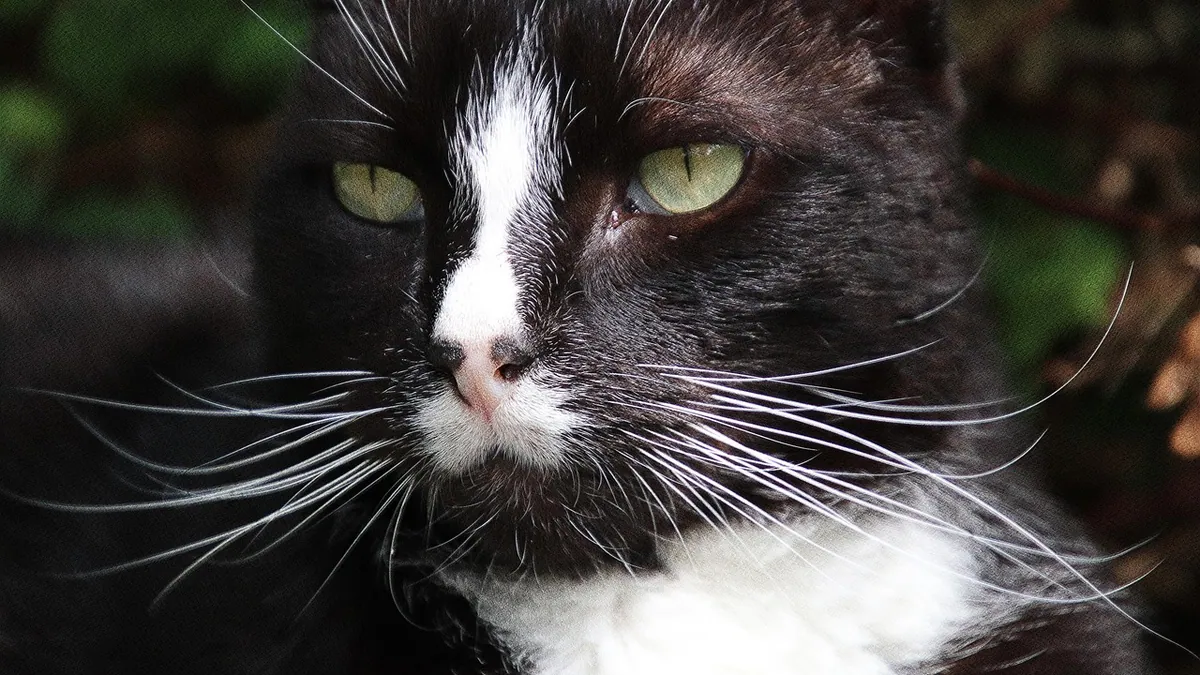
A cat allergic to grain is uncommon. Most true food allergies in cats are triggered by animal proteins such as chicken, beef, or fish, not by grains, rice, or nuts. If your cat is itchy or vomiting, the answer is not a guess at the pet store. It is a proper diet trial with your veterinarian.
This article is educational and is not a substitute for veterinary diagnosis or treatment.
Quick Answer
- Grain allergies in cats are rare. Food allergies overall rank third among feline allergies, behind flea bites and inhaled allergens like pollen and dust [1].
- Rice and nuts are also uncommon culprits. The proteins most often linked to feline food allergies are animal proteins, not grains or nuts.
- Grain-free cat food does not treat a food allergy unless the food also removes the protein your cat actually reacts to.
- The only reliable way to diagnose a food allergy is a limited antigen diet trial followed by a food challenge [2].
- Blood, saliva, and hair tests for food allergies are not reliable and should not guide your cat's diet [3].
What Is a Food Allergy in Cats?
A food allergy is an immune reaction to something your cat eats. The immune system mistakes a food protein for a threat and mounts a response. That response shows up mostly on the skin and sometimes in the gut.
Food allergies are different from food intolerance. An intolerance does not involve the immune system. It may cause vomiting or diarrhea without itching. A true allergy can cause both skin and digestive signs.
Food allergies are the third most common type of feline allergy. Only flea bite allergies and allergies to inhaled substances are more common [1]. That ranking surprises many owners who assume food is the first suspect.
Signs Owners Notice
The classic sign is itching. Small, pale, fluid-filled lumps form on the skin in response to the allergen, and they itch intensely [1]. These eruptions most often affect the head and neck area, though they can appear elsewhere [1]. That location is a useful clue for your veterinarian.
Cats with food allergies often scratch their face, ears, and neck. Some develop hair loss or scabs from constant scratching. The scratching itself can open the skin and allow bacterial infection [1].
About 10 to 15 percent of affected cats also have gastrointestinal signs such as vomiting and diarrhea [1]. Some cats develop urticaria, conjunctivitis, or respiratory signs [4]. Others simply stop eating well and lose weight, which is a serious problem in cats [1].
If the itching is centered on the face and neck, a food allergy is a reasonable suspect. If the itching is along the back near the tail, fleas are a more likely cause. Your veterinarian will sort this out.
Causes and Risk Factors
Why Grain Is Rarely the Culprit
Grain gets blamed far more often than it deserves. The proteins that most commonly trigger feline food allergies are animal proteins. Chicken, beef, fish, and dairy are frequent offenders. Grains like wheat, corn, and rice are far less common triggers.
Cats are obligate carnivores, but that does not mean grains are toxic or automatically allergenic. It means their bodies are built to use animal-based nutrients. A grain-free diet can still contain the exact protein your cat reacts to.
Rice and Nuts
Rice allergy in cats is possible but uncommon. Rice is a carbohydrate source, and carbohydrate proteins are less likely to provoke an immune response than animal proteins. If your cat reacts to a rice-containing food, the chicken or fish in that food is a more likely cause.
Nuts are a different matter. Nuts are not a normal part of a cat's diet, and some nuts are unsafe for other reasons. Macadamia nuts and walnuts can cause serious problems in pets. If you suspect your cat ate nuts, call your veterinarian or a pet poison hotline right away.
Grain-Free Cat Food and Allergies
Grain-free cat food is a marketing category, not a treatment. It removes grains and often replaces them with peas, lentils, or potatoes. Those ingredients do not make the food hypoallergenic. If your cat is allergic to chicken, a grain-free chicken food will still cause a reaction.
Some owners switch to grain-free food, see no improvement, and conclude that food is not the problem. That conclusion is often wrong. The problem may be the protein, not the grain. You can read more about how diets and allergies interact in Cat Allergy Food.
Risk Factors
Any cat can develop a food allergy. There is no strong breed or sex predilection that owners need to worry about. Age of onset varies. Many cats develop signs as adults, and the problem tends to be chronic and nonseasonal. If your cat itches all year, food or environmental allergens are both worth investigating.
How Food Allergies Are Diagnosed
The Diet Trial Is the Gold Standard
Diagnosis relies on an appropriately performed diet trial followed by a food challenge [4]. This is the only method that reliably confirms a food allergy [2]. There is no shortcut.
A diet trial means feeding a single, limited protein source or a hydrolyzed diet for a set period. Hydrolyzed diets break proteins into pieces too small to trigger most immune reactions, which makes them a practical first-line option [3]. During the trial, your cat eats nothing else. No treats, no table scraps, no flavored medications, no leftovers from other pets.
Why Blood and Saliva Tests Fail
Serum IgE and IgG tests, saliva tests, and hair tests lack reliability for diagnosing food allergies [3]. They can produce false positives and false negatives. A positive result does not prove your cat is allergic to that food, and a negative result does not rule it out. Do not let these tests dictate your cat's diet.
The Food Challenge
If signs improve during the diet trial, the next step is a provocation. Your veterinarian has you reintroduce the original diet and watches for signs to return [2]. If they do, the diagnosis is confirmed. If they do not, food allergy is unlikely and other causes need investigation.
Diet trials are demanding. They require strict compliance from you and your cat, careful diet selection, and correct interpretation of the challenge [2]. Most failures come from accidental exposure to the old food, not from a flawed plan. A successful trial takes planning and patience.
Ruling Out Other Causes
Your veterinarian will also check for fleas, skin infections, and other itchy conditions. Skin scrapings, fungal cultures, and allergy skin tests may be part of the workup [5]. Allergy testing cannot diagnose allergies by itself, but it can identify offending environmental allergens and guide immunotherapy [5].
| What Owners Suspect | How Often It Is the Real Cause | What to Do |
|---|---|---|
| Grain | Rare | Do not switch to grain-free food as a first step |
| Rice | Uncommon | Look at the protein source in the food instead |
| Nuts | Very rare and often unsafe | Call your vet or a pet poison hotline if eaten |
| Chicken, beef, or fish | Common | Ask your vet about a limited antigen or hydrolyzed diet trial |
| Fleas or pollen | More common than food | Have your vet check for fleas and environmental allergies |
Treatment Options
Diet Change
The main treatment is avoiding the offending protein. Once the diet trial identifies the trigger, you and your veterinarian choose a food that does not contain it. Some cats do well on a novel protein diet. Others need a hydrolyzed diet long term.
Hydrolyzed diets are practical first-line options for diagnosis and can work as maintenance diets too [3]. Your veterinarian will help you pick a food that is complete and balanced for your cat's life stage.
Managing Itching and Infection
If your cat has scratched enough to break the skin, bacterial infection may need treatment. Your veterinarian will decide whether antibiotics or other medications are needed. Do not use human antihistamines or creams on your cat without veterinary guidance. Some are toxic to cats.
Immunotherapy for Environmental Allergies
If your cat also has environmental allergies, immunotherapy may help. It works by increasing your cat's tolerance to allergens like pollen and dust [5]. Your veterinarian matches test results with the allergens present when your cat has signs [5].
Immunotherapy can be given as injections or as allergy drops [5]. Your cat needs to be cooperative enough to receive them [5]. If injections are used, you may give some doses at home after training from your veterinarian [5]. Many owners learn to do this well [5].
What Does Not Work
Grain-free food alone does not treat a protein allergy. Over-the-counter allergy tests do not diagnose food allergies [3]. Switching foods randomly without a plan usually wastes time and money and leaves your cat itchy.
Recovery, Outlook, and Long-Term Management
Food allergies are manageable, not curable. Once you know the trigger, avoiding it keeps most cats comfortable. The itching usually improves within weeks of starting the correct diet, though full skin healing can take longer.
Long-term success depends on strict feeding. One bite of the wrong food can restart the reaction. Keep all family members informed. Store the safe food separately. Check labels every time you buy, because recipes change.
Some cats need ongoing management for environmental allergies as well. Food allergy may coexist with feline atopic skin syndrome, so treating one problem does not always resolve all the itching [4]. Your veterinarian may combine diet management with immunotherapy or other treatments [5].
Cats with gastrointestinal signs may need monitoring for weight loss. Food avoidance can lead to health-compromising weight loss, so appetite and body weight deserve attention [1]. Weigh your cat regularly and report changes.
Prevention
You cannot prevent a food allergy from developing. You can prevent the misery that comes from guessing. If your cat is itchy or has chronic digestive signs, get a veterinary workup instead of trying diet after diet on your own.
Feed a complete and balanced commercial diet appropriate for your cat's life stage. Avoid table scraps and human foods that are not meant for cats. If you want to offer human foods, check whether they are safe first. Oatmeal is generally digestible for many cats, as covered in Can Cats Eat Oatmeal? Sensitive Stomach Digestibility. Peas appear in many grain-free formulas, and their role is explained in Can Cats Eat Peas? Fiber and Lectin Content.
Keep flea control current. Flea allergy is more common than food allergy, and untreated fleas can keep your cat itchy no matter what you feed [1]. Control dust and pollen exposure where you can.
If your cat has a known food allergy, read every label. Contact the manufacturer if you are unsure about ingredients. Keep a written list of safe foods and treats, and share it with anyone who cares for your cat.
Limitations and When to Contact a Veterinarian
This article cannot tell you what your individual cat is allergic to. Only your veterinarian can diagnose and treat your cat after an examination and appropriate testing.
Contact your veterinarian the same day if your cat has sudden facial swelling, hives, or difficulty breathing. These can signal a severe allergic reaction.
Go to an emergency clinic now if your cat is struggling to breathe, collapsing, or has repeated vomiting with lethargy. If you think your cat ate nuts or another toxic food, call your veterinarian or a pet poison hotline immediately.
Schedule a routine visit if your cat has been itching for more than a few weeks, has hair loss or scabs on the head and neck, has chronic vomiting or diarrhea, or is losing weight. Bring a list of everything your cat eats, including treats and table food. That list helps your veterinarian plan the right next step.
Frequently Asked Questions
Can a cat be allergic to grain?
It is possible but uncommon. Most feline food allergies involve animal proteins, and food allergies as a group rank third behind flea and environmental allergies [1]. If your cat is itchy, grain is a less likely cause than chicken, beef, or fish.
Can a cat be allergic to rice?
Rice allergy in cats is rare. Rice is a carbohydrate, and carbohydrate proteins trigger immune reactions far less often than animal proteins. If your cat reacts to a rice-based food, the meat or fish in that food is the more probable trigger.
Can a cat be allergic to nuts?
Nuts are not a normal part of a cat's diet, and some nuts are dangerous for reasons beyond allergy. If your cat ate nuts, contact your veterinarian or a pet poison hotline right away. Do not wait for symptoms to appear.
Does grain-free cat food help with allergies?
Usually not by itself. Grain-free food only helps if the food also avoids the protein your cat actually reacts to. Many grain-free foods still contain chicken, fish, or other common allergens. The label says nothing about whether the food is safe for your cat.
How do I know if my cat has a food allergy?
The only reliable way is a limited antigen diet trial followed by a food challenge [2]. Blood, saliva, and hair tests are not reliable for this purpose [3]. Your veterinarian will guide the trial and interpret the results. For a closer look at skin signs, see Cat Food Allergy Skin Rash: Symptoms and Management.
Related Articles
- Cat Allergy Food
- Can Cats Eat Oatmeal? Sensitive Stomach Digestibility
- Cat Food Allergy Skin Rash: Symptoms and Management
- Cat Food Allergies: Signs, Diagnosis, and Safe Diet Trials
- Can Cats Eat Peas? Fiber and Lectin Content
- Can Cats Eat Almond Milk? Xylitol and Nut Concerns
- Cat Allergic to Wet Food: Signs and Elimination Diets
- Cat Allergic to Dry Food: Signs and What to Feed
- Cat Allergic to Fish or Salmon: Signs and What to Feed
References
- Food Allergies. Cornell University College of Veterinary Medicine.
- Conducting a successful diet trial for the diagnosis of food allergy in dogs and cats. Veterinary dermatology, 2024.
- Adverse Food Reactions in Dogs and Cats. The Veterinary clinics of North America. Small animal practice, 2026.
- Food allergy in dogs and cats; current perspectives on etiology, diagnosis, and management. Journal of the American Veterinary Medical Association, 2023.
- Allergies of Cats - Cat Owners. Merck Veterinary Manual.