Cat Allergic to Pollen: Symptoms and Seasonal Relief
By Dr. Zubair Khalid, DVM, MS, PhD ·
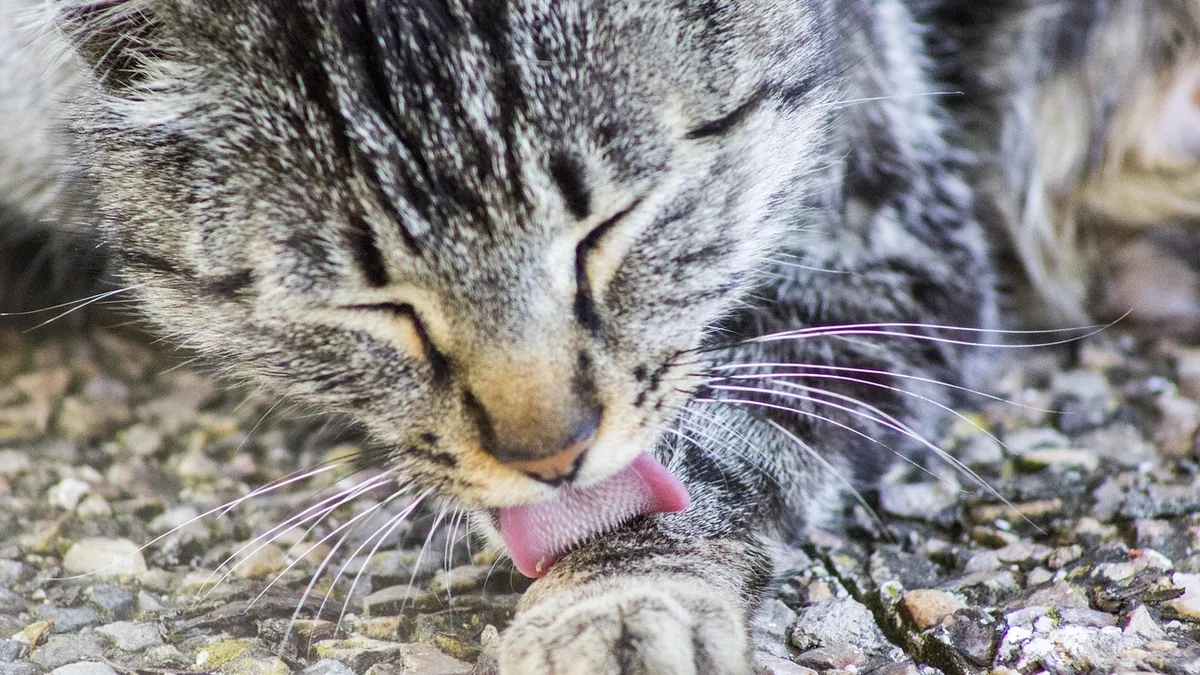
A cat allergic to pollen can itch, sneeze, and develop red, crusty skin when pollen counts rise. The problem is most common in spring and fall, but it depends on which plants your cat reacts to. This article is educational and is not a substitute for veterinary diagnosis or treatment.
Quick Answer
- Pollen allergy in cats usually shows up as intense itching, especially around the head, face, ears, and belly, along with redness and hair loss from scratching and licking [1].
- Symptoms often follow a seasonal pattern. Cats that itch only during certain months are likely reacting to seasonal allergens such as pollen [2].
- Some cats also develop nasal inflammation or asthma-like breathing problems. About 15% of affected animals have these respiratory signs [1].
- Pollen allergy cannot be cured, but it can be managed with allergy testing, allergy shots, and anti-itch medications during flare-ups [1].
- If your cat is struggling to breathe, has facial swelling, or collapses, that is an emergency. Get veterinary care immediately [3].
What Pollen Allergy in Cats Actually Is
Cats can be allergic to many things in the environment, including plant particles floating in the air. These particles are called allergens. When a cat inhales an allergen or absorbs it through the skin, the immune system produces antibodies against it. The next time the cat meets that allergen, more antibodies are made, which triggers histamine release and inflammation [1].
That inflammation is what causes the visible problems. In cats, airborne allergens often affect the skin more than the nose. The condition is called feline atopic dermatitis, and it involves abnormal sensitivity to inhaled or contacted environmental allergens. Affected cats scratch and lick excessively, which leads to sores, hair loss, scaling, crusts, and skin inflammation [1].
Pollen is one type of airborne allergen. Grass pollen is a common trigger, and so are tree and weed pollens. A cat allergic to grass pollen may itch after walking through or rolling in a lawn, or simply when grass pollen levels are high in the air.
Cat Allergic to Pollen Symptoms: What Owners Notice
The signs of a pollen allergy in cats can be easy to miss at first. Cats are subtle. They may groom more than usual instead of scratching obviously.
Skin Signs
- Constant scratching, especially around the face, ears, neck, and belly
- Excessive licking or chewing at the paws and flanks
- Red, inflamed skin
- Small scabs or crusts
- Patchy hair loss
- Thickened or darkened skin in chronic areas
These changes come from the scratching and licking itself, not just the allergy. The itching drives the behavior, and the behavior damages the skin [1].
Respiratory Signs
Some cats with pollen allergy develop inflammation of the nasal passages (rhinitis) or asthma. This happens in about 15% of animals with feline atopy [1]. You might notice sneezing, clear nasal discharge, or coughing and wheezing. If your cat is sneezing more than usual, our guide to Cat Sneezing: When to Worry and How to Help can help you decide what to do next.
Eye Signs
Watery or red eyes can occur along with nasal symptoms. These signs overlap with many other cat problems, so they are not proof of pollen allergy on their own.
When It Looks Like Something Else
Itching in cats has several common causes. The most frequent are insect bites, food allergy, and atopy [2]. If your cat's itching is seasonal, pollen or another seasonal allergen is likely. If it happens year-round, food allergy or house dust mites may be involved too [2]. Flea bites are another major cause of itching, and you can read more in Cat Flea Allergy Dermatitis: Symptoms and Relief.
Causes and Risk Factors
Pollen allergy is an immune response, not a weakness or a hygiene problem. Several things raise the odds that a cat will develop it.
Age
Feline atopy often starts before a cat turns 5 years old [1]. Young and middle-aged adults are affected most often.
Genetics and Breed
Purebred cats are more likely to be affected than domestic shorthair cats [1]. If your cat came from a line with known allergies, the risk is higher.
Environment
Cats that spend time outdoors or near open windows during pollen season get more exposure. Indoor cats are not immune, since pollen travels indoors on air currents, clothing, and fur.
Other Allergies
Cats with one allergy often have others. Sensitization to multiple allergens is common, and co-sensitization to more than one allergen increases the chance of related conditions such as asthma [4]. This is one reason a full veterinary workup matters more than guessing.
How Veterinarians Diagnose Pollen Allergy in Cats
Diagnosis is a process of elimination and confirmation. No single test gives a perfect answer on its own.
Step 1: Rule Out Infections and Parasites
Your veterinarian will check for fleas, mites, fungal infections, and bacterial skin infections. If itching goes away once a microbial infection is treated, the infection was the cause. If itching stays the same or only improves slightly, an underlying allergy is more likely [2].
Step 2: Diet Trial for Food Allergy
Food allergies cannot be diagnosed by a blood test or skin testing [2]. Instead, your vet will prescribe a diet that avoids the foods your cat normally eats. You must follow the diet fully and avoid all non-compliant treats. This step matters because food allergy and pollen allergy can look identical.
Step 3: Allergy Testing
If seasonal itching points to atopy, your vet may recommend skin or blood allergy testing. These tests identify which allergens your cat is sensitized to. Testing is most useful when it guides allergy shot treatment, not as a stand-alone diagnosis.
Step 4: Response to Treatment
Sometimes the clearest answer comes from how your cat responds. A cat that improves during pollen season with appropriate treatment, and flares when the season returns, fits the seasonal atopy pattern [2].
| What You Observe | Most Likely Cause | Next Step |
|---|---|---|
| Itching only in spring or fall | Seasonal allergy (atopy) | Discuss allergy testing and seasonal treatment [2] |
| Itching all year | Food allergy or dust mites, possibly plus pollen | Diet trial plus allergy workup [2] |
| Itching that clears with infection treatment | Microbial infection | Monitor for recurrence [2] |
| Sneezing, wheezing, or coughing | Rhinitis or asthma, sometimes with atopy | Prompt veterinary exam [1] |
Treatment Options for a Cat Allergic to Pollen
Treatment has two goals: calm the itching now and reduce the immune reaction over time.
Anti-Itch Medications
Veterinarians use several medications to control itching during flare-ups. Oclacitinib, a janus kinase inhibitor, is licensed for dogs but has been reported to be effective for treating itching in allergic cats and other species [1]. It is used off-label in cats, so your veterinarian will decide whether it fits your cat's health status. Your vet calculates the dose from your cat's weight and health. Never give human allergy pills to a cat without veterinary guidance.
Allergy Shots (Immunotherapy)
Allergy shots improve the condition but do not cure it [1]. Many cats still need anti-itch medication during seasonal flare-ups [1]. Immunotherapy is usually a long-term commitment, often continuing for months to years. It can reduce sensitivity over time and is the closest thing to disease-modifying treatment available.
Antihistamines
Antihistamines are sometimes used for mild allergic reactions, including hives and swelling [3]. Response varies a lot between cats. Your veterinarian will make treatment decisions based on your pet's circumstances [3].
Treating Respiratory Signs
If your cat has rhinitis or asthma, treatment may include medications to reduce airway inflammation. Cats with breathing difficulty need veterinary care, not home remedies. For general guidance on allergy treatment options, see Cat Allergy Treatment.
Recovery, Outlook, and Long-Term Management
Pollen allergy is a lifelong tendency in most cats. You can control it, but you usually cannot make it disappear.
Expect a pattern of good periods and flare-ups that follow the pollen calendar. Many cats do well with a combination of allergy shots and seasonal anti-itch medication [1]. Some cats need treatment only a few months a year. Others need year-round support.
Track your cat's symptoms by date. Note when itching starts, when it peaks, and when it fades. This record helps your veterinarian adjust treatment and predict the next flare. It also helps distinguish seasonal allergy from year-round problems like food allergy [2].
Keep routine veterinary visits even when your cat looks comfortable. Skin that has been damaged by chronic scratching is more prone to secondary infections. Early treatment of a flare is easier than repairing weeks of self-trauma.
Prevention and Reducing Pollen Exposure
You cannot remove pollen from the world, but you can lower your cat's exposure.
- Keep windows closed during high pollen days and use air conditioning instead.
- Wipe your cat's coat with a damp cloth after outdoor time to remove settled pollen.
- Wash bedding weekly in hot water.
- Change clothes and shower after spending time outdoors if your cat sleeps against you.
- Limit outdoor access during your cat's known pollen season.
- Use flea control consistently, since flea bites are a common cause of allergic itching and can confuse the picture [2].
If your cat has had a severe allergic reaction in the past, be extra careful about insect stings and new exposures. Our article on Cat Ate a Bee or Wasp: Signs of Allergic Reaction and Emergency Steps explains what to watch for.
Limitations and When to Contact a Veterinarian
Home management has limits. You can reduce pollen exposure and monitor symptoms, but you cannot diagnose the cause or prescribe safe medication on your own. Individual cases need a veterinarian who can examine your cat, run appropriate tests, and calculate doses based on weight and health.
Emergency now: Call an emergency clinic if your cat has severe breathing difficulty, sudden vomiting or diarrhea with collapse, pale gums, cold limbs, seizures, or facial swelling so severe the eyes cannot open. These can be signs of anaphylactic shock, which is rare but life-threatening and can progress within seconds to minutes [3].
Same day: Contact your veterinarian if your cat is breathing with effort, coughing repeatedly, or has sudden intense itching with hives. Hives usually develop within 20 minutes of exposure to the allergen [3].
Routine visit: Book an appointment if itching is seasonal and recurring, if your cat is losing hair, if skin looks red or crusty, or if over-the-counter flea control is not helping. Early evaluation makes treatment simpler.
Frequently Asked Questions
Can a cat be allergic to grass pollen specifically?
Yes. Grass pollen is one of the airborne allergens that can trigger feline atopy. A cat allergic to grass pollen may itch after contact with grass or when grass pollen counts are high. Testing can confirm which pollens matter for your cat.
How do I know if my cat's itching is from pollen or food?
Seasonal timing is the biggest clue. Cats that itch only during certain months are likely reacting to seasonal allergens, while year-round itching suggests food allergy or dust mites [2]. A veterinary diet trial is the only reliable way to rule out food allergy [2].
Do allergy shots cure pollen allergy in cats?
No. Allergy shots improve the condition but do not cure it [1]. Many cats still need anti-itch medication during seasonal flare-ups [1]. The goal is fewer and milder symptoms, not a permanent cure.
Can pollen allergy cause asthma in cats?
It can contribute. Inflammation of the nasal passages and asthma occur in about 15% of animals with feline atopy [1]. Cats with cat allergen sensitization also have a higher chance of having both allergic rhinitis and asthma [4]. Breathing changes in a cat always deserve a veterinary exam.
Is it safe to give my cat human allergy medicine?
No, not without veterinary direction. Some medications used in animals are not approved for cats, and dosing depends on your cat's weight and health. Oclacitinib, for example, is licensed for dogs but has been reported as effective in allergic cats, so it requires veterinary supervision [1]. Ask your veterinarian before giving your cat any medication.
Related Articles
- Cat Flea Allergy Dermatitis: Symptoms and Relief
- Sneezing Cat Remedy
- Cat Sneezing: When to Worry and How to Help
- Cat Allergy Treatment
- Cat Ate a Bee or Wasp: Signs of Allergic Reaction and Emergency Steps
- Cat Sneezing a Lot: Allergies, Infection, or Something Else?
- Cat Allergic to Grass, Pollen, and Outdoor Plants
- Cat Allergic to Dust and Storage Mites: Signs and Relief
- What Can Cats Be Allergic To? Common Triggers Explained
References
- Allergies of Cats - Cat Owners. Merck Veterinary Manual.
- Itching (Pruritus) in Cats - Cat Owners. Merck Veterinary Manual.
- Disorders Involving Anaphylactic Reactions (Type I Reactions, Atopy) in Cats - Cat Owners. Merck Veterinary Manual.
- Association of Cat Sensitization With Comorbid Asthma in Patients With Allergic Rhinitis: A Real-World Study. World journal of otorhinolaryngology - head and neck surgery, 2026.