Dog Allergic to Kibble? Signs, Causes, and What to Do
By Dr. Zubair Khalid, DVM, MS, PhD ·
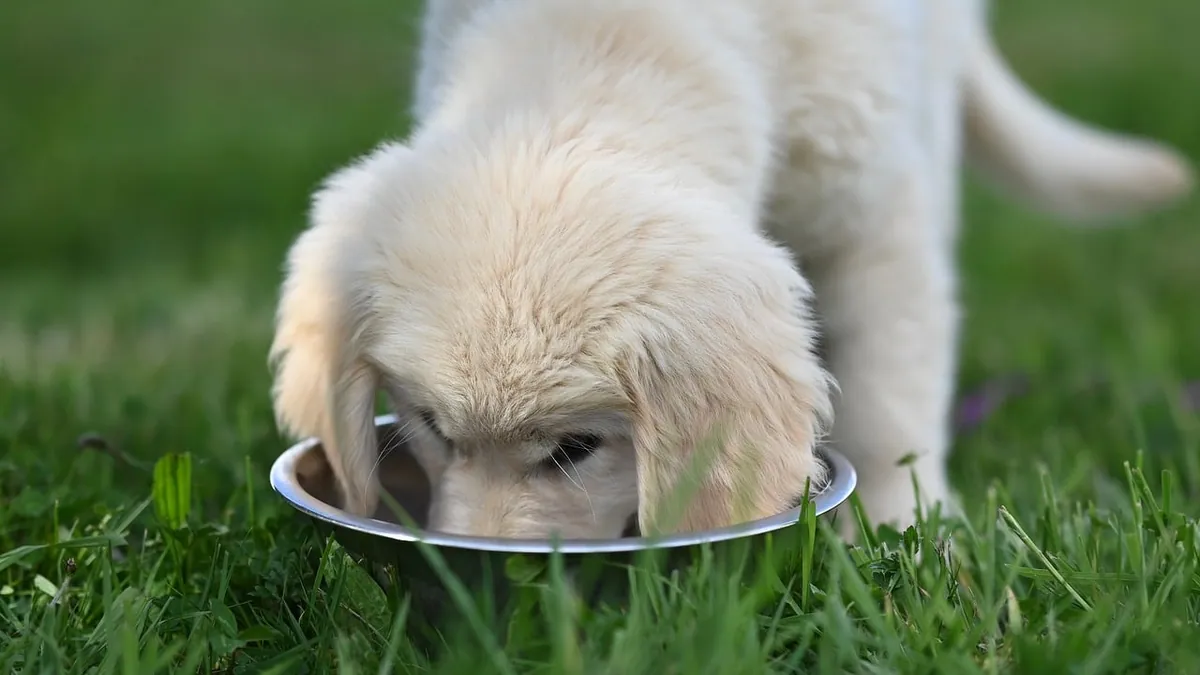
A dog allergic to kibble is reacting to a protein in the food, not to the kibble itself. True food allergies are less common than most owners expect, and the signs often look like other skin or gut problems. This article is educational and is not a substitute for veterinary diagnosis or treatment.
Quick Answer
- A true food allergy means your dog's immune system reacts to a specific protein in the diet, most often beef, dairy, chicken, wheat, or lamb [1].
- The classic signs are year-round itching, especially on the face, ears, paws, and rear end, plus possible vomiting or diarrhea [2].
- Blood, saliva, and hair tests for food allergies are not reliable, so diagnosis requires a proper diet trial followed by a food challenge [3].
- A diet trial means feeding one limited or hydrolyzed protein diet for a set period with no table scraps, treats, or flavored medications [4].
- If your dog has hives, facial swelling, or trouble breathing after eating, that is an emergency and needs immediate veterinary care.
What a Kibble Allergy Really Is
When people say their dog is allergic to kibble, they usually mean the dog reacts to something in the food. The immune system mistakes a dietary protein for a threat and releases histamine and other chemicals [5]. That release causes inflammation, which shows up as red skin, swelling, and itching [5].
The protein matters, not the format. A dog can react to chicken in kibble, in canned food, or in a treat. Food allergy is a recognized condition in dogs and is an important problem to rule out in any itchy dog [2]. It can also overlap with environmental allergies, so some dogs deal with both at once [2].
Some reactions to food are not allergic at all. Adverse food reactions include both immune (allergic) and nonimmune causes, and they can look identical to owners [3]. That is one reason guessing is risky and testing matters.
Signs Your Dog May Be Reacting to Kibble
Skin and coat signs
The most common sign is itching that does not stop with the seasons. Dogs with food allergies often itch on the face, ears, paws, and the lower back area [2]. You may see red skin, hair loss, scabs, or repeated skin infections. Some dogs get hives or recurrent pyoderma (pus-filled skin infections) [2].
If your dog is chewing at the paws, that can point to allergies, anxiety, or boredom, and a vet can help sort out which one fits. Ear problems are also common, and you can read more about dog food allergies that cause ear infections and dog itching ears food allergy.
Gut signs
Food allergies can cause gastrointestinal signs along with skin problems [2]. Watch for vomiting, diarrhea, soft stool, gas, or a dog who eats well but does not thrive. Some dogs have gut signs only, with no itching at all.
The timing clue
A dog who is itchy right after eating a specific food may have a food allergy, but timing alone does not prove it. Environmental allergies can flare at any time of day, and contact reactions from bowls or bedding can mimic food problems. Keep a simple log of what your dog eats and when signs appear. That record helps your vet.
Causes and Risk Factors
Food allergy triggers an immune response to dietary proteins and leads to skin and gut signs [6]. The most frequently reported offending allergens in dogs from Australia, Europe, and North America are beef, dairy products, chicken, wheat, and lamb [1]. A 2026 study of dogs in Malaysia, Singapore, and Indonesia found chicken protein was the most common allergen, reported in 65% of cases in Malaysia, 31% in Singapore, and 63% in Indonesia [1].
That study also looked at breeds. Crossbreeds were most commonly affected in Malaysia at 27%, and poodles were most commonly affected in Singapore at 22% [1]. These numbers come from specific regions and may not match your area, but they show that any breed can be affected.
Age and history matter too. Food allergies can start at any age, and many dogs have been eating the same diet for months or years before signs appear. A sudden reaction to a food your dog has eaten for years is possible, which surprises many owners.
Other allergies often run alongside food allergy. Food can be a trigger for canine atopic dermatitis, the itchy skin condition tied to environmental allergens [2]. If your dog has paw licking, seasonal flare-ups, or repeated ear infections, ask your vet whether more than one allergy is involved. Paw problems in particular can have several causes, which is why dog paw allergies deserve a closer look.
How Veterinarians Diagnose a Kibble Allergy
Why tests are limited
The science behind food allergy in dogs is complex and not fully understood, which limits reliable lab tests [2]. Current blood tests for immunoglobulin E and immunoglobulin G, plus saliva and hair tests, lack reliability [3]. A positive result on one of these tests does not prove a food allergy, and a negative result does not rule one out.
The diet trial
Diagnosis relies on a properly performed diet trial followed by a food challenge [2]. This is still the best method available [4]. Your vet will pick a diet with either hydrolyzed proteins or a single novel protein your dog has never eaten [6]. Hydrolyzed diets are a practical first-line choice [3].
During the trial, your dog eats only that diet and nothing else. No table food, no flavored treats, no rawhides, no flavored toothpaste, and no chewable medications or supplements unless your vet approves them. Even a small amount of the old protein can trigger signs and ruin the trial [4].
Diet trials are hard to do well. They require a high level of owner and pet compliance, the right diet choice, and correct interpretation of the results [4]. Most vets recommend a trial lasting several weeks, and your veterinarian will set the exact length for your dog.
The food challenge
If signs improve on the trial diet, the next step is a challenge. Your vet has you reintroduce the original diet or a specific protein and watches for signs to return. If they do, food allergy is confirmed [2][4]. This step is what separates a true diagnosis from a lucky guess.
Treatment Options
Diet change
The main treatment is avoiding the offending protein. That usually means staying on a hydrolyzed or novel protein diet long term [6]. Insect protein is a newer option. A 2024 case report followed a 5-year-old spayed beagle with a diagnosed food allergy who was switched to a diet using black soldier fly larva meal instead of poultry by-product meal [6]. After a 12-day adjustment, the dog had no gut changes and a normal fecal score with no clinical signs. A challenge with the control diet brought back episodic gastrointestinal signs [6]. This is one dog, so it is not proof for every dog, but it shows insect protein may help some allergic dogs [6].
Itch and infection control
Diet alone may not fix every sign, especially if your dog also has environmental allergies. Your vet may prescribe medication to control itching or treat skin and ear infections. Never give human allergy drugs without asking your vet first, since some are unsafe for dogs and doses depend on your dog's weight and health. If you think a medication caused a reaction, see how to tell if your dog's medication is causing an allergic reaction.
Treats and chews
Ask your vet for a list of safe treats that match the trial diet. Many owners accidentally break the diet with a single biscuit or a flavored pill pocket. If your dog needs a pill, ask the pharmacy for a plain version or use a vet-approved hiding method.
Recovery, Outlook, and Long-Term Management
Food allergy is managed, not cured. Most dogs do well once the offending protein is out of the diet, but the change is permanent. Expect to read every label and ask about ingredients at every meal.
Set up a simple system. Keep one bag or can of the safe diet in a labeled spot. Store treats separately. Tell everyone in the household, including kids and dog sitters, which foods are off limits. A written list on the fridge prevents most mistakes.
Watch for setbacks. If itching or gut signs return, check for diet mistakes first, then call your vet. Skin infections and ear infections often need treatment even when the diet is right. Some dogs need ongoing itch medication, especially if they have more than one allergy [2].
Keep regular checkups. Your vet will track weight, skin condition, and stool quality over time. If your dog is chewing paws, that habit can persist even after the allergy is controlled, and it may have a behavioral component too. Dog chewing paws: allergies, anxiety, or boredom? walks through how to tell the difference.
Prevention
You cannot prevent a food allergy from developing, since the immune response starts on its own. What you can prevent is a long stretch of untreated itching and repeated infections.
Feed a complete and balanced diet from a reputable maker. Avoid frequent diet changes without a reason, since they make it harder to spot a pattern. If you change foods, do it one at a time and note the date.
Keep a symptom diary. Record itching, ear redness, stool changes, and any new food. Bring it to your vet visit. Patterns that are obvious on paper are often invisible day to day.
Do not rely on over-the-counter allergy tests or "hypoallergenic" marketing claims. Those tests lack reliability [3], and a food labeled hypoallergenic is not the same as a diet proven to work for your dog. Ask your vet before spending money on any test or diet.
Limitations and When to Contact a Veterinarian
No article can tell you whether your dog has a food allergy. Individual cases need a veterinarian who can examine your dog, review the diet history, and plan a proper trial.
Call your vet the same day if your dog has sudden intense itching, hives, vomiting, or diarrhea that started after a meal. These signs can have several causes and need prompt care.
Go to an emergency clinic now if you see facial swelling, swelling around the eyes or muzzle, difficulty breathing, noisy breathing, collapse, or repeated vomiting with weakness. These can signal a severe allergic reaction.
Schedule a routine visit if your dog has been itchy for more than a few weeks, has repeated ear or skin infections, has ongoing soft stool, or has not improved after a diet change you made on your own. Bring your food labels and your symptom log.
Frequently Asked Questions
How long does it take to see improvement after switching food?
Most vets expect several weeks on the trial diet before judging results, and your veterinarian will set the exact length for your dog. Some dogs improve sooner, and some need the full trial plus a food challenge to confirm the diagnosis [4]. Do not stop the trial early if you see partial improvement.
Can my dog suddenly become allergic to a food after years of eating it?
Yes, this happens often. A dog can eat the same kibble for months or years and then start showing signs. Food allergy is a recognized condition in dogs, and the immune response does not always appear right away [2]. A sudden change in itching or stool is a reason to call your vet.
Are grain-free diets better for a dog with a kibble allergy?
Not automatically. The most commonly reported allergens are proteins like beef, dairy, chicken, wheat, and lamb [1], so grains are only one possible trigger. A grain-free diet can still contain the protein your dog reacts to. The right choice depends on your dog's history and the diet trial your vet designs.
Can I just switch to a different kibble brand and see what happens?
You can try, but random switching rarely gives a clear answer. A proper diagnosis needs a limited antigen diet trial and then a food challenge [4]. Without that structure, you may see improvement from coincidence or miss the real trigger. Ask your vet before changing diets.
Do food allergies in dogs ever go away?
Food allergy is generally a lifelong condition that is managed by avoiding the trigger protein, not cured. Some dogs improve dramatically once the offending protein is removed [6]. Others also have environmental allergies and need ongoing skin care [2]. Your vet can help you build a long-term plan.
Related Articles
- Dog Paw Allergies: Signs, Causes, and Treatment
- How to Tell If Your Dog's Medication Is Causing an Allergic Reaction
- Dog Chewing Paws: Allergies, Anxiety, or Boredom?
- Dog Food Allergies That Cause Ear Infections
- Dog Itching Ears Food Allergy
- Dog Ear Infection Caused By Food Allergy
- Dog Allergic to Chicken? Symptoms and Food Trial Basics
- Dog Allergic to Wheat or Grain? Signs and What to Do
- Dog Throwing Up Undigested Kibble: Why and What to Do
References
- Clinical Signs and Offending Food Allergens in Canine Cutaneous Adverse Food Reactions in Malaysia, Singapore and Indonesia: A Prospective Study. Veterinary dermatology, 2026.
- Food allergy in dogs and cats; current perspectives on etiology, diagnosis, and management. Journal of the American Veterinary Medical Association, 2023.
- Adverse Food Reactions in Dogs and Cats. The Veterinary clinics of North America. Small animal practice, 2026.
- Conducting a successful diet trial for the diagnosis of food allergy in dogs and cats. Veterinary dermatology, 2024.
- Allergies in Dogs - Dog Owners. Merck Veterinary Manual.
- An Assessment of the Impact of Insect Meal in Dry Food on a Dog with a Food Allergy: A Case Report. Animals : an open access journal from MDPI, 2024.