Why Is My Cat's Skin Turning Blue?
By Dr. Zubair Khalid, DVM, MS, PhD ·
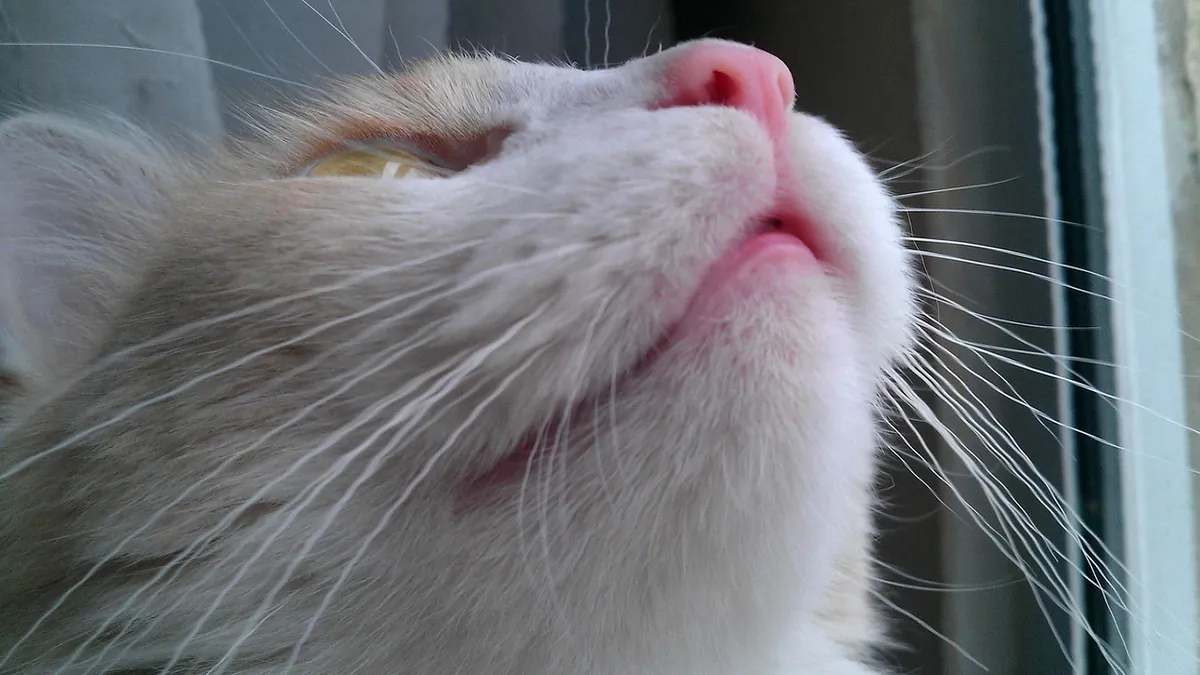
Blue or gray skin, lips, or gums in a cat almost always means the blood is not carrying enough oxygen, a condition called cyanosis. It is a medical emergency, not a skin problem, and your cat needs to be seen by a veterinarian immediately. The color change is a visible signal that something is interfering with breathing, blood flow, or the blood itself.
This article is educational and is not a substitute for veterinary diagnosis or treatment.
Quick Answer
- Blue, gray, or purple gums, lips, tongue, or skin mean your cat's tissues are not getting enough oxygen. Go to an emergency veterinary hospital now.
- Cyanosis is a symptom, not a disease. Common causes include heart disease, airway blockage, lung disease, and toxins [1][2][3].
- Do not wait to see if the color improves on its own. Minutes matter when oxygen levels are low.
- Keep your cat calm and quiet, minimize handling, and do not force food, water, or medication into the mouth.
- Call ahead so the clinic can prepare oxygen and emergency equipment before you arrive.
What Blue Skin and Gums Look Like in a Cat
Cyanosis shows up as a bluish, grayish, or purplish tint to the mucous membranes. The easiest places to check are the gums, the inside of the lips, the tongue, and the skin inside the ear flaps. In cats with pale or pigmented gums, the color shift can be subtle at first, so look at the tongue and lip margins too.
Normal cat gums are pink. They may be pale pink in a relaxed cat or slightly darker in some individuals, but they should never look blue, gray, or purple. A cat with cyanosis often breathes fast, breathes with an open mouth, wheezes, or sits with the elbows out and neck extended to pull in air. Some cats become weak, wobbly, or unresponsive [4][2].
Blue skin is different from a bruise. Bruises are patches of discoloration from bleeding under the skin. Cyanosis affects the whole gum line or tongue and reflects a body-wide oxygen problem. If you are seeing patchy color changes, crusting, or hair loss instead, those point to skin conditions covered in guides like Why Is My Cat Losing Hair? and Cat Hair Loss with Red Skin: Causes and Treatment.
Causes of Cat Skin Blue and Cyanosis
Cyanosis happens when oxygen cannot get from the lungs into the blood, when the heart cannot pump blood to the lungs properly, or when the blood cannot carry oxygen. The table below lists the main categories a veterinarian considers.
| Cause | Typical clues | How urgent |
|---|---|---|
| Airway obstruction (mass, foreign material, swelling) | Wheezing, noisy breathing, gagging, sudden onset over hours to days | Emergency now [1] |
| Heart disease or congenital heart defects | Heart murmur, weak pulse, slow heart rate, exercise intolerance, collapse | Emergency now [2] |
| Pneumonia or severe lung infection | Cough, fever, rapid shallow breathing, recent contact with a sick cat | Emergency now [3] |
| Acute respiratory distress syndrome (ARDS) | Severe breathing effort, low oxygen, often after infection or injury | Emergency now [3] |
| Toxin exposure (for example, barium from fireworks) | Drooling, slow heart rate, vomiting, weakness, neurological signs | Emergency now [4] |
| Chest wall deformity (flat-chested kitten syndrome) | Young kitten, flattened chest, labored breathing, heart murmur | Emergency now [5] |
| Whole-body disease affecting skin and organs | Skin redness, crusting, oozing, hair loss, footpad ulcers | Same-day veterinary visit [6] |
Airway and Breathing Problems
Anything that narrows the windpipe or blocks airflow can drop oxygen levels fast. One report described an 8-year-old cat that died after 8 days of cyanosis, difficulty breathing, and wheezing caused by a tumor in the mid-trachea that partially blocked the airway [1]. Tumors in the trachea are rare in cats, but they are one example of a mechanical blockage that only surgery or other intervention can relieve [1].
Severe lung infections can also cause cyanosis. A 1-year-old cat with calicivirus pneumonia developed hypoxemic respiratory failure consistent with ARDS and needed mechanical ventilation [3]. That case shows how quickly a respiratory infection can escalate in cats.
Heart Disease
Congenital heart defects can send oxygen-poor blood into the circulation. A 10-month-old cat with a persistent truncus arteriosus arrived with difficulty breathing, cyanosis, a weak pulse, and a slow heart rate, and the defect was confirmed after death [2]. Heart murmurs, fainting, and poor growth in a young cat should always be checked.
Toxins
Some poisons interfere with oxygen use or heart function. A 2-year-old cat that ate black snake fireworks developed drooling, a slow heart rate, respiratory distress, and low potassium, and its condition declined over less than 10 hours [4]. If you suspect your cat swallowed anything unusual, call your veterinarian or a pet poison hotline right away.
Chest Wall Deformities in Kittens
Flat-chested kitten syndrome causes the chest to flatten, which limits lung expansion. Two 18-day-old kittens with the condition had difficulty breathing, mild cyanosis, a heart murmur, and abnormal crawling, and both improved after a custom cardboard corset was applied [5]. This is a condition where early support can make a real difference.
Whole-Body Disease That Affects the Skin
Some internal diseases show up on the skin. Liver disease and diabetes can rarely cause skin tissue death in older cats, with redness, crusting, oozing, and hair loss on the face, genitals, and lower legs, plus thickened skin and footpad ulcers [6]. Fragile skin syndrome has been linked to pancreatic, liver, or adrenal disorders, and pancreatic cancer may cause footpad crusting and hair loss [6]. These skin changes are usually not blue, but they are a reminder that skin signs can point to problems inside the body.
Red Flags That Make This an Emergency
Treat any of the following as a reason to go to an emergency hospital right now:
- Blue, gray, or purple gums, tongue, or lips
- Open-mouth breathing in a cat (cats normally breathe through the nose)
- Breathing that is fast, deep, or obviously labored at rest
- Wheezing, gasping, or noisy breathing that started suddenly [1]
- Collapse, weakness, or unresponsiveness [4]
- A heart murmur with cyanosis, especially in a kitten or young cat [5][2]
- Known or suspected exposure to a toxin [4]
Cyanosis itself is a late sign. By the time gums turn blue, oxygen levels have already dropped significantly. Do not spend time taking photos or searching for home remedies.
What You Can Safely Do at Home While Waiting
Your main job is to get your cat to a veterinarian without adding stress.
- Call the emergency clinic first. Tell them your cat has blue gums or skin so they can set up oxygen.
- Keep your cat in a carrier with the door closed. Cover it with a light towel if that calms your cat.
- Keep the room quiet and dim. Lower noise and movement reduce oxygen demand.
- Do not handle your cat more than needed. Struggling increases breathing effort.
- Do not put anything in your cat's mouth. Do not force water, food, or pills.
- Do not give any medication unless a veterinarian tells you to. Doses must be calculated by the veterinarian based on your cat's weight and health.
- If you suspect a poison, bring the packaging or a photo of it with you [4].
If your cat stops breathing, begin CPR only if you are trained, and call the clinic while you start.
What the Veterinarian Will Check and Test
Your veterinarian will start with oxygen support and a rapid physical exam. They will check gum color, capillary refill time, heart rate and rhythm, pulse strength, and breathing pattern [2]. They will listen to the heart and lungs for murmurs, crackles, or muffled sounds [2].
Next, they will likely recommend:
- Pulse oximetry or blood gas testing to measure oxygen levels [4]
- Chest X-rays to look for masses, fluid, or lung patterns [1][2]
- Echocardiography if a heart defect is suspected [2]
- Blood work including electrolytes such as potassium [4]
- Airway examination (tracheoscopy) if a blockage is suspected [1]
- Testing for infectious causes such as calicivirus when pneumonia is possible [3]
Treatment depends on the cause. It may include oxygen therapy, removing an airway obstruction, diuretics or heart medications, antibiotics or antivirals, or mechanical ventilation in severe cases [1][2][3]. Some kittens with chest wall deformities need splinting or corsets [5].
Prevention and Monitoring
You cannot prevent every cause of cyanosis, but you can lower risk and catch problems earlier.
- Keep cats indoors to reduce toxin exposure and fights. The cat in the barium case was indoor-only, so indoor cats still need supervision around fireworks and other hazards [4].
- Store fireworks, batteries, and chemicals out of reach.
- Schedule routine exams, especially for kittens with murmurs or unusual chest shape [5][2].
- Watch breathing at rest. A normal resting cat breathes quietly with the mouth closed.
- Check gum color monthly. Learn what pink looks like on your cat so you notice changes.
- If your cat has a chronic skin condition, keep up with veterinary care. Skin signs can reflect internal disease [6]. For itchy or rashy skin, see Why Is My Cat So Itchy? and Cat Skin Rash on Belly: What to Look For.
Limitations and When to Contact a Veterinarian
This article cannot tell you what is causing your cat's symptoms. Only a veterinarian who examines your cat can do that.
Go to an emergency hospital now if your cat has blue or gray gums, open-mouth breathing, collapse, or known toxin exposure [4][2]. Contact your veterinarian the same day if you notice new skin crusting, footpad ulcers, or fragile skin, since these can signal liver, pancreatic, or adrenal disease [6]. Schedule a routine visit for mild, stable skin changes or for monitoring a known heart condition.
Frequently Asked Questions
Is blue skin in cats always an emergency?
Yes, blue or gray gums, lips, tongue, or skin is always an emergency. It means oxygen levels in the blood are too low, and the underlying cause can worsen within minutes to hours [1][2]. Go to the nearest emergency veterinary hospital right away.
Can stress or cold weather make my cat's gums look blue?
Cold can make paws look pale or slightly dusky, but true blue gums are not a normal response to stress or temperature. If the gums, tongue, or lips look blue, treat it as an oxygen problem until a veterinarian says otherwise.
What toxins can cause cyanosis in cats?
Toxins that affect the heart, blood, or oxygen use can cause cyanosis. One documented case involved a cat that ate black snake fireworks and developed drooling, a slow heart rate, and respiratory distress [4]. If you suspect any poisoning, call your veterinarian or a pet poison hotline immediately.
Can a heart defect in a kitten cause blue gums?
Yes. Congenital heart defects can allow oxygen-poor blood to circulate, which lowers oxygen in the tissues. A young cat with a heart murmur, weakness, or blue gums needs urgent evaluation, since defects like these are diagnosed with imaging and heart tests [2].
Will my cat's skin color return to normal after treatment?
In many cases the color improves once oxygen levels are restored, but it depends on the cause and how quickly treatment starts. Some conditions, such as airway tumors or severe heart defects, may need surgery or long-term management [1][2]. Your veterinarian will tell you what to expect for your cat's specific diagnosis.
Related Articles
- Why Is My Cat So Itchy?
- Why Is My Cat Losing Hair?
- Cat Skin Rash on Paws: Causes and Home Care
- Cat Hair Loss with Red Skin: Causes and Treatment
- Cat Skin Rash on Belly: What to Look For
- Cat Skin Rash with Blisters: What to Do Next
- Cat Losing Fur and Skin Color: Causes to Know
- Cat Skin Color Under the Fur: What's Normal and What's Not
- Why Is My Cat's Skin Flaky? Causes and What to Do
References
- Tracheal melanoma in a cat. Journal of veterinary diagnostic investigation : official publication of the American Association of Veterinary Laboratory Diagnosticians, Inc, 2026.
- Atrioventricular dissociation in a cat with persistent truncus arteriosus. Veterinary medicine and science, 2023.
- Administration of porcine surfactant in the treatment of a fatal case of acute respiratory distress syndrome in a cat with calicivirus pneumonia. JFMS open reports, 2026.
- Barium Toxicosis After Ingestion of Snake Fireworks in a Cat. Journal of veterinary emergency and critical care (San Antonio, Tex. : 2001), 2026.
- Successful correction of flat-chested kitten syndrome in two littermate kittens. JFMS open reports, 2024.
- Whole-body Disorders that Affect the Skin in Cats - Cat Owners. Merck Veterinary Manual.