Why Is My Cat's Paw Losing Fur? Causes and Care
By Dr. Zubair Khalid, DVM, MS, PhD ·
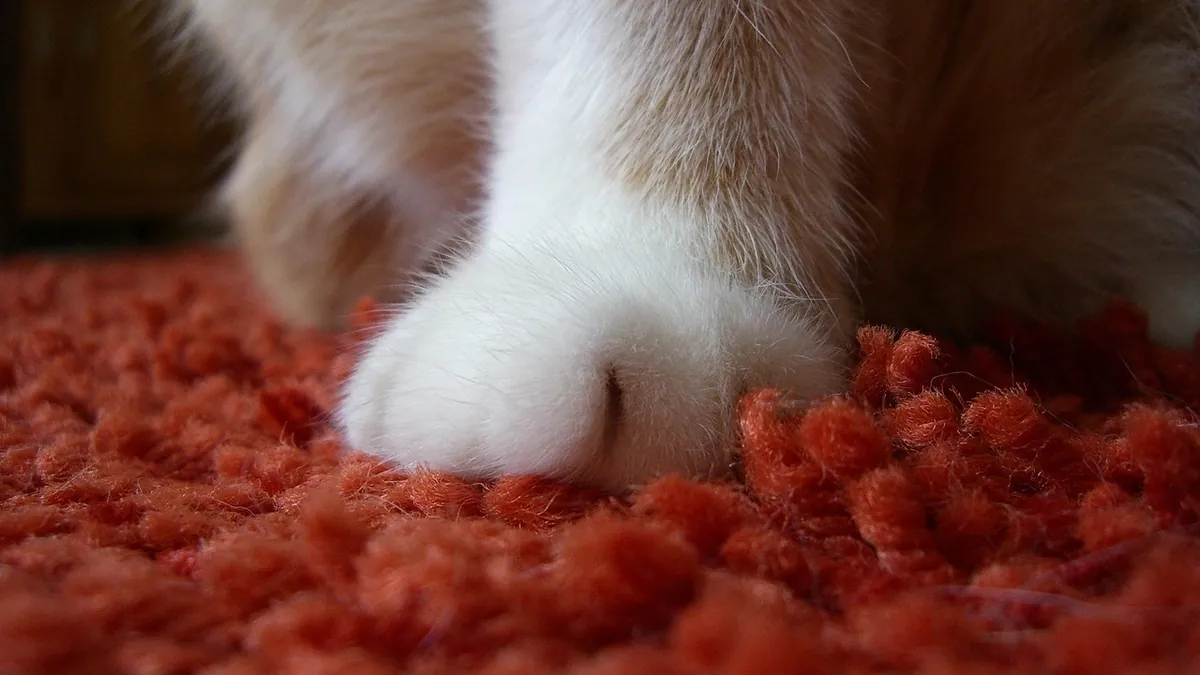
A cat paw without fur is often the result of normal grooming, but it can also point to allergies, infections, pain, or stress-related overgrooming. The key is whether the skin looks calm or irritated, and whether your cat is licking, chewing, or limping. This article is educational and is not a substitute for veterinary diagnosis or treatment.
Quick Answer
- Some hair thinning on the paw pads and between the toes is normal, especially in older cats and certain breeds.
- Bald patches with red, crusty, swollen, or bleeding skin are not normal and need a vet visit.
- Allergies, parasites, fungal infections, and immune-mediated diseases are common causes of paw hair loss in cats [1][2].
- Overgrooming from stress or pain can strip hair from the paws without any skin infection at all [3].
- Do not apply human creams, essential oils, or steroid creams to your cat's paws before a vet examines them.
What Hair Loss on a Cat's Paw Looks Like
Hair loss is called alopecia, which means a partial or complete lack of hair in areas where hair normally grows [1]. On a cat's paw, this can show up in a few ways.
You might notice a small bald spot on the top of the paw, thinning between the toes, or a completely bare paw pad area. The skin underneath may look pink and smooth, or it may be red, scaly, crusty, or raw.
Some cats lose hair only on one paw. Others lose it on multiple paws or on the legs as well. The pattern matters, and so does the skin's appearance.
What Is Normal for Cat Paws
Not every hairless patch on a paw is a problem. Cats have less hair on their paw pads by design, and the skin there is thicker and tougher.
Some cats naturally have thinner fur on the lower legs and paws. Hairless breeds like the Sphynx have very little coat anywhere, and they may chew their skin longer during grooming than coated cats do [3].
A cat paw with no hair can also be a normal variation in how much a cat grooms. Grooming makes up about 4% of a cat's daily activity, and individual cats vary a lot in how much they groom and which body parts they focus on [3].
The difference between normal and abnormal usually comes down to skin condition. Smooth, intact, non-itchy skin is less concerning. Red, swollen, broken, or smelly skin is a reason to call your vet.
Main Causes of a Cat Paw Without Fur
Hair loss is a sign, not a diagnosis. Your veterinarian's job is to find the underlying cause so it can be treated properly [1]. Here are the most common categories.
| Cause | Typical clues | How urgent |
|---|---|---|
| Overgrooming (stress or anxiety) | Symmetrical bald patches, cat licks or chews often, skin looks normal underneath | Routine visit, sooner if skin breaks open |
| Allergies (food, environmental, flea) | Itching, redness, hair loss on paws, face, or belly, seasonal or year-round | Routine visit, sooner if severe itching |
| Parasites (mites, fleas) | Intense itching, crusting, scaling, sometimes hair loss on ears or paws | Soon, same week |
| Fungal infection (ringworm) | Round bald patches, scaly edges, sometimes spreading | Soon, and it can spread to people |
| Bacterial skin infection | Red, moist, crusty, or smelly skin, often after scratching | Soon, needs treatment |
| Immune-mediated disease | Redness, hair loss, scaling, crusting, erosions, with or without itching [2] | Soon, some cases are serious |
| Plasma cell pododermatitis | Swollen, soft paw pads, sometimes ulceration or bleeding [4][5] | Soon, needs biopsy for diagnosis |
| Foreign material in the paw (such as silica from litter) | Chronic swelling, ulceration, bleeding, or draining tracts, often front paws [4] | Soon, may need surgical biopsy |
| Trauma or prior injury | Hair loss after an accident or injury, no itching [6] | Routine unless there is pain or lameness |
| Hormonal or congenital causes | Symmetrical hair loss, no itching, often on the body too [1] | Routine visit |
Overgrooming and Stress
Cats groom to stay clean, but some groom too much. When a cat focuses on the paws, the constant licking and chewing can wear the hair away.
Psychogenic alopecia is hair loss caused by this kind of excessive grooming. Cats with this condition tend to groom fewer body parts per session than healthy cats, which suggests a different grooming pattern instead of simply more grooming [3].
Stress, changes in the home, or underlying pain can all trigger overgrooming. If the skin under the bald spot looks normal and your cat is not scratching, overgrooming moves up the list.
Allergies
Allergies are one of the most common reasons a cat licks its paws bare. Food allergies, environmental allergies, and flea allergies can all cause itching that leads to hair loss.
If your cat has hair loss and is scratching the area a lot, your vet will want to investigate the itching first [1]. Treating the itch often lets the hair grow back.
You can read more about itching and hair loss patterns in Cat Licking Fur Off: Causes and How to Help.
Infections
Parasites like mites and fleas, fungal infections like ringworm, and bacterial skin infections can all cause hair loss on the paws.
These often come with redness, scaling, crusting, or a bad smell. Ringworm can spread to people in the home, so it needs prompt attention.
Immune-Mediated Skin Disease
Immune-mediated skin diseases in cats are rare, but they can be serious. They often look like allergies or infections, with redness, hair loss, scaling, crusting, and erosions, with or without itching [2].
Plasma cell pododermatitis is one of these conditions, and it specifically affects the paw pads. It can cause swelling, and in some cases the pads ulcerate or bleed [4][5].
Because these diseases mimic more common problems, diagnosis can take time. Your vet may need a biopsy to confirm what is going on [2][5].
Foreign Material and Litter
A study of paw biopsies from 13 cats found granulomatous inflammation linked to silica, a material found in traditional clay-based cat litter [4]. The cats often had chronic or intermittent paw pad swelling, ulceration, bleeding, or draining tracts, especially on the front paws [4].
Ten of the 13 biopsies also showed signs of plasma cell pododermatitis, which suggests the two conditions may overlap [4]. This is an area where veterinary research is still developing, so talk with your vet if your cat has ongoing paw pad problems.
Trauma and Prior Injury
Hair loss can appear weeks after an injury. In one reported case, a cat lost hair on the lower back about a month after a road accident, even though the skin looked normal right after the trauma [6].
The hair follicles were absent in that area when biopsied [6]. If your cat had a fall, fight, or accident and later lost fur on a paw or leg, mention the injury to your vet.
Other Causes
Hair loss can also be congenital, meaning a cat is born with it, or acquired later in life [1]. Hormonal disorders and other noninflammatory conditions can cause symmetrical hair loss, though inflammatory causes are more common [1].
If the pattern is widespread, not just on the paws, a broader workup may be needed. See Why Is My Cat Losing Hair? for a wider look at causes.
Red Flags That Make It an Emergency
Most paw hair loss is not an emergency, but some signs mean you should act right away.
- Heavy bleeding from the paw that will not stop
- A deep cut, puncture, or torn pad
- Sudden severe swelling of the paw or leg
- Your cat cannot put weight on the leg at all
- Signs of severe pain, such as crying out, hiding, or refusing to be touched
- Trouble breathing, collapse, or extreme lethargy
- A paw that is hot, dark, or has a foul discharge
- Exposure to a toxin or a suspected poisoning
If you suspect poisoning, call the ASPCA Animal Poison Control Center at (888) 426-4435 or the Pet Poison Helpline at (855) 764-7661 right away.
Safe Things You Can Do at Home
While you wait for your vet visit, a few simple steps can help.
Keep the Paw Clean and Dry
Gently wipe the paw with a damp cloth and pat it dry. Do not scrub irritated skin. Keep your cat away from wet floors, mud, and harsh cleaners.
Stop the Licking
Licking keeps the skin irritated and can introduce bacteria. An Elizabethan collar (cone) or a soft recovery collar can break the cycle. Some cats do well with a veterinary-approved paw cover, but check with your vet first.
Check the Environment
Look at your cat's litter. If your cat has chronic paw pad swelling or sores, ask your vet whether a different litter type might help, since silica in clay litter has been linked to paw inflammation in some cats [4].
Also check for fleas, new foods, new cleaning products, or new plants in the home.
Do Not Use Human Products
Do not apply antibiotic ointments, steroid creams, essential oils, or human pain relievers to your cat's paws. Many of these are toxic to cats if licked off.
Reduce Stress
If overgrooming seems tied to stress, keep routines steady. Provide hiding spots, vertical space, and playtime. A pheromone diffuser may help some cats, but ask your vet before using any product.
Track What You See
Take photos of the paw every few days. Note when the hair loss started, whether your cat is licking more, and whether the skin changed. This information helps your vet a lot.
What Your Veterinarian Will Check and Test
Your vet will start with a full history and a physical exam. They will look at all four paws, the skin, the coat, and the rest of the body.
Expect questions about diet, litter, itching, grooming habits, other pets, and any recent injuries or stress.
Common Tests
- Skin scraping to check for mites
- Fungal culture or Wood's lamp exam for ringworm
- Flea comb and flea dirt check
- Skin cytology to look for bacteria or yeast
- Trial diet or elimination diet for food allergy
- Blood work if hormonal or systemic disease is suspected
- Biopsy for immune-mediated disease, plasma cell pododermatitis, or suspected foreign material [4][2][5]
If your cat is itching, your vet will treat the itch first, because scratching causes more hair loss and skin damage [1].
Treatment Depends on the Cause
Treatment might include parasite control, antifungal medication, antibiotics, allergy management, stress reduction, or immune-suppressing drugs for immune-mediated disease [2][5].
Your veterinarian calculates every dose from your cat's weight and health. Never give your cat a medication that was prescribed for another pet or for a person.
Prevention and Monitoring
You cannot prevent every cause of paw hair loss, but you can lower the odds and catch problems early.
- Keep up with flea, tick, and parasite prevention as directed by your vet.
- Feed a complete, balanced diet and discuss any diet changes with your vet.
- Keep litter boxes clean and watch for paw irritation that may relate to litter [4].
- Schedule routine wellness exams so skin changes get noticed early.
- Groom your cat gently and check the paws weekly.
- Watch for changes in licking, chewing, or limping.
- Reduce stress with stable routines and enrichment.
If hair loss comes back after treatment, or spreads to new areas, call your vet. Recurring or spreading hair loss often means the first cause was not fully resolved.
For patterns that involve patches on the body, see Why Is My Cat Losing Hair in Patches? Causes and Solutions. If the paw skin looks rashy, Cat Skin Rash on Paws: Causes and Home Care covers that sign in more detail.
Limitations and When to Contact a Veterinarian
This article cannot tell you what is causing your cat's hair loss. Only a veterinarian who examines your cat can do that. Individual cases need a veterinarian's hands-on assessment.
Contact your vet the same day if you see:
- New redness, swelling, or warmth on the paw
- Discharge, bleeding, or an open sore
- Limping or reluctance to walk
- Your cat licking or chewing the paw constantly
- Hair loss that is spreading quickly
- Itching that is keeping your cat awake
Go to an emergency clinic now if there is heavy bleeding, a deep wound, sudden severe swelling, inability to bear weight, severe pain, collapse, or trouble breathing.
Call your vet for a routine visit if the hair loss is mild, the skin looks calm, and your cat is acting normal. Even mild cases deserve a check, because early treatment is usually simpler.
Frequently Asked Questions
Is it normal for a cat to have no fur on its paw pads?
Yes, paw pads do not have fur, and that is normal anatomy. What matters is the skin on top of the paw and between the toes. If those areas lose hair and the skin looks irritated, that is not normal.
Can stress cause hair loss on a cat's paw?
Yes, stress and anxiety can lead to overgrooming, which strips hair from the paws. Cats with psychogenic alopecia show different grooming patterns than healthy cats [3]. If the skin looks calm and your cat is licking a lot, stress is worth discussing with your vet.
Will the fur grow back on its own?
Sometimes, if the cause is short-lived and the hair follicles are not damaged. Hair loss from trauma can be permanent if the follicles are destroyed [6]. Hair loss from allergies or infections often improves once the underlying problem is treated [1].
Should I switch my cat's litter if its paws are bare?
Talk with your vet first. Silica in clay-based litter has been linked to paw inflammation in some cats [4]. A litter change may help in certain cases, but it is not a proven fix for every cat with paw hair loss.
Can I use hydrocortisone cream on my cat's paw?
No. Do not put human creams or ointments on your cat's paws. Cats lick their paws, and many human products are toxic or irritating to them. Ask your vet for a cat-safe treatment instead.
Related Articles
- Why Is My Cat Losing Hair?
- Cat Licking Fur Off: Causes and How to Help
- Cat Skin Rash on Paws: Causes and Home Care
- Why Is My Cat Losing Hair in Patches? Causes and Solutions
- Cat Hair Loss: Causes and When to See a Vet
- Why Is My Cat Losing Weight?
- Dry Paw Pads in Cats: Causes and Home Care
- Why Are My Cat's Paw Pads Cracked? Causes and Care
- Cat Losing Fur and Skin Color: Causes to Know
References
- Hair Loss (Alopecia) in Cats - Cat Owners. Merck Veterinary Manual.
- Feline immune-mediated skin disorders: Part 1. Journal of feline medicine and surgery, 2025.
- Exploring Normal to Abnormal Variations of Grooming Behaviours in Cats. Veterinary dermatology, 2026.
- Cutaneous silica-associated (cat litter) granulomas in the paws of 13 domestic cats. Veterinary pathology, 2026.
- Feline immune-mediated skin disorders: Part 2. Journal of feline medicine and surgery, 2025.
- Delayed post-traumatic alopecia of the dorso-lumbar area following a road accident in a cat without pelvic fracture. The Journal of small animal practice, 2024.