Cat Losing Fur on Ears and Neck: Causes and Fixes
By Dr. Zubair Khalid, DVM, MS, PhD ·
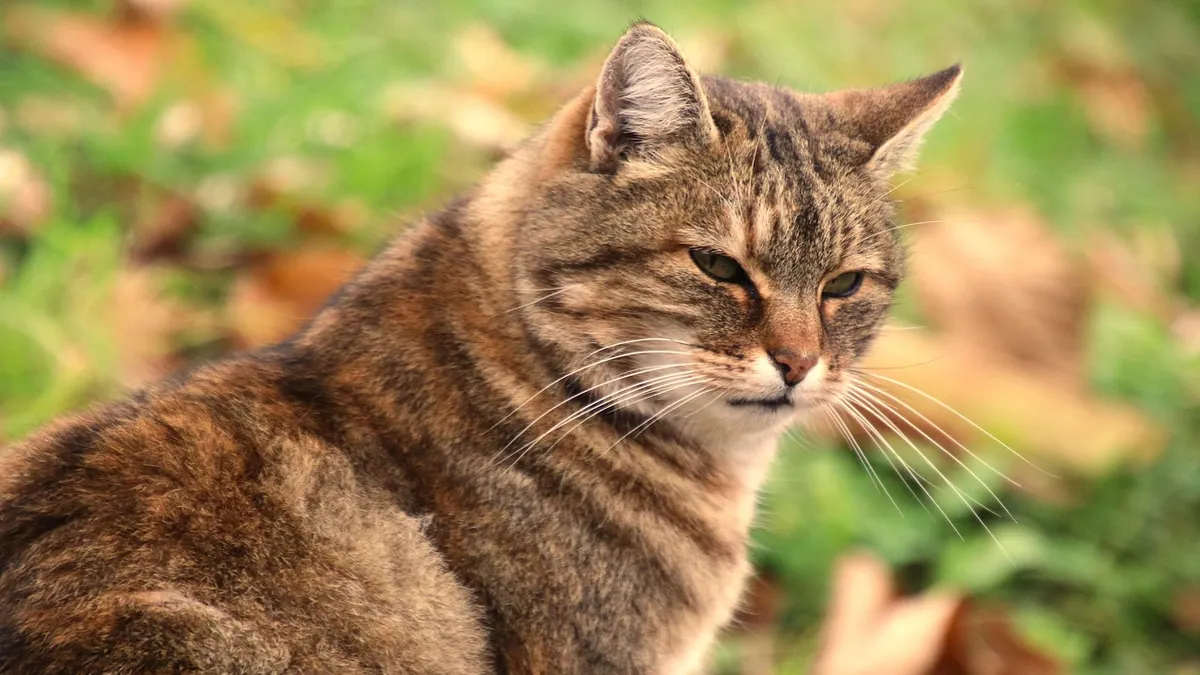
If your cat is losing fur on the back of the ears or neck, the first step is to figure out whether your cat is itchy, grooming more than usual, or simply losing hair without discomfort. Hair loss (alopecia) is a sign, not a diagnosis, and the underlying cause has to be identified before it can be treated [1]. Most cases in these locations trace back to parasites, allergies, skin infections, or over-grooming from stress.
This article is educational and is not a substitute for veterinary diagnosis or treatment.
Quick Answer
- Patchy thinning or bare spots on the ears and neck are common, and the cause is usually found on a skin exam, a scraping, or a fungal culture.
- Itching is the biggest clue. If your cat scratches or chews the area, the itch problem needs to be investigated first [1].
- Fleas, ear mites, and other parasites are leading causes, especially in cats that go outside or live with other pets.
- Ringworm and bacterial skin infections can look like simple hair loss but need specific treatment.
- Stress grooming often creates symmetric bald patches on the ears, neck, belly, or inner legs, and it usually needs both a behavior plan and a medical check.
What Hair Loss on the Ears and Neck Looks Like
Normal cat hair is dense and lies flat against the skin. A small amount of thinning in front of the ears is common in many cats and is not a disease. What you want to watch for is a change from your cat's normal coat.
Signs that something is wrong include:
- Bald patches, thinning, or a moth-eaten look on the ears, the back of the neck, or the base of the skull
- Redness, scaling, crusts, scabs, or bumps in the bald area
- Greasy or smelly skin
- Your cat scratching, biting, or rubbing the area
- Hair missing in a pattern that matches where your cat can reach with its paws and tongue
- Hair loss that keeps spreading over days to weeks
Dermatitis is the general term for skin inflammation, and it can show up as itching, scaling, redness, thickening, color changes, oil buildup, odor, and hair loss [2]. The usual progression starts with an underlying trigger that causes bumps, scabs, scales, or blisters, and the hair loss follows [2].
Main Causes of Cat Losing Fur on Back of Ears and Neck
Acquired hair loss means your cat was born with a normal coat and lost hair later. Any disease that affects hair follicles can cause it, either by damaging the follicle or by making your cat so uncomfortable that it scratches and grooms the hair away [1]. Inflammatory skin disorders are the most common cause of alopecia in cats [1].
Here is a practical breakdown of the causes owners ask about most.
| Cause | Typical clues | How urgent |
|---|---|---|
| Fleas and flea allergy | Itching, scabs, tiny pepper-like specks, hair loss at the neck and back | See a vet soon, treat promptly |
| Ear mites | Head shaking, dark crumbly debris in the ears, scratching at ears and neck | See a vet soon |
| Notoedric mange (rare) | Severe itching, thick crusts on the face and neck, poor appetite, illness | Urgent, see a vet now |
| Ringworm (fungal) | Circular bald patches, scaling, broken hairs, may spread to people | See a vet soon |
| Bacterial skin infection | Redness, pus, crusts, odor, moist or oozing skin | See a vet soon |
| Allergies (food, flea, environmental) | Itching without a clear parasite, seasonal or year-round, often face, ears, neck | Routine visit, then management |
| Stress or anxiety grooming | Symmetric bald patches, normal-looking skin, cat grooms a lot | Routine visit plus behavior plan |
| Endocrine or hormonal disease | Noninflammatory hair loss, often body-wide, no itching | Routine visit with testing |
| Trauma or scarring | Hair loss after an injury, scar tissue, no regrowth | Routine visit |
Parasites: Fleas, Mites, and Mange
Fleas are one of the most common reasons a cat loses hair on the neck and back of the ears. The itching drives scratching and chewing, and the hair comes out. Flea allergy dermatitis can cause intense itching from just a few bites.
Ear mites live in the ear canal and cause head shaking, scratching, and dark debris. Cats with ear mites often scratch the ears and the neck hard enough to pull hair. If your cat has an ear infection along with hair loss, that combination deserves a close look, and you can read more in Cat Ear Infection with Hair Loss: Causes and Treatment.
Notoedric mange is a rarer but more serious parasitic disease. In one reported case, a one-year-old cat had severe itching, alopecia, thick crusts on the face and neck, and bilateral ear inflammation, and the diagnosis was confirmed with skin scrapings and ear wax examination [3]. That cat also had other parasites and a body-wide inflammatory response, and it needed antiparasitic drugs, antibiotics, anti-itch medication, and supportive skin care [3]. This is not a mild problem. It can also spread to people, so handle affected cats carefully and get veterinary care quickly [3].
Ringworm and Other Skin Infections
Ringworm is a fungal infection, not a worm. It often causes round bald patches with scaling and broken hairs, and it can spread to other pets and to people in the home. Because it can look like many other skin problems, your veterinarian will usually confirm it with a fungal culture or a light exam of the hairs.
Bacterial skin infections often develop secondarily when a cat scratches damaged skin. Signs include redness, crusts, pus, and odor. These infections rarely clear up on their own and usually need prescription treatment.
Allergies
Allergies are a leading cause of itchy skin in cats. Food allergies, flea allergies, and environmental allergies (pollens, dust mites, mold) can all cause itching around the head, ears, and neck. When a cat scratches and chews, the hair thins or disappears.
Allergic skin disease is one of the inflammatory causes of alopecia in cats, and inflammatory disorders are the most common cause overall [1]. If your cat's skin looks red and irritated instead of simply bald, allergy is high on the list.
Stress Grooming and Over-Grooming
Cats groom to relax. When a cat is stressed, bored, or anxious, grooming can become excessive and focused on areas the tongue and paws can reach, which includes the neck, ears, chest, belly, and inner legs. The result is often symmetric bald patches with skin that looks otherwise normal.
Stress grooming is a self-induced cause of hair loss, and it sits alongside endocrine, hereditary, infectious, allergic, and parasitic causes in veterinary patients [4]. Because stress grooming is a behavior, treating it usually means addressing both the skin and the cat's environment. A medical cause should be ruled out first, since itchy skin and stress grooming can look similar.
Hormonal and Other Internal Causes
Some cats lose hair because of an internal disease instead of a skin disease. Hormonal disorders can cause noninflammatory hair loss, meaning the skin is not red, crusty, or itchy, but the hair thins or falls out. In veterinary patients, alopecia often reflects an underlying endocrine, hereditary, infectious, allergic, parasitic, or self-induced disorder [4]. Your veterinarian may recommend blood work if the skin exam does not explain the pattern.
Nutrition can play a supporting role too. In a study of adult cats, those fed diets with certain complexed trace minerals (zinc, manganese, copper, and iron) tended to shed less hair and had better dander scores at one point in the trial compared with cats on a control diet [5]. This does not mean a supplement will fix hair loss, but it does show that coat quality depends partly on mineral nutrition.
Trauma and Scarring
Hair loss can also follow an injury. In one reported case, a young cat developed non-itchy hair loss on the lower back about a month after a road accident, and testing showed the hair follicles were gone in that area [6]. Scar tissue cannot regrow hair. If your cat had a recent injury, bite, or surgery near the ears or neck, scarring is a possibility.
Red Flags That Mean See a Veterinarian Now
Some signs point to a problem that should not wait.
- Severe itching that keeps your cat awake or causes constant scratching and crying
- Thick crusts, open sores, or oozing skin on the face, ears, or neck [3]
- Swelling, heat, or pain when you touch the area
- Your cat stops eating, hides, or seems depressed or lethargic [3]
- Hair loss that spreads quickly over a few days
- Bald patches in your cat and skin lesions in people in the home (possible ringworm or mange)
- Head tilt, loss of balance, or a bad smell from the ears
- Any hair loss in a kitten or a very old cat
If your cat has a body-wide illness along with the skin problem, that is a same-day concern. In the mange case described above, the cat had systemic illness signs and needed multiple medications and follow-up visits over three weeks [3].
What You Can Do at Home While You Wait
You cannot diagnose this at home, but you can make your cat more comfortable and avoid making things worse.
- Do not apply human creams, steroid ointments, or antibiotic creams to your cat's skin unless your veterinarian prescribes them. Cats groom and swallow what is on their skin.
- Do not use dog flea products on cats. Some ingredients are toxic to cats.
- Use only flea prevention that is labeled for cats and prescribed or recommended for your cat's weight.
- Keep a simple log. Note when the hair loss started, whether your cat itches, what the skin looks like, and any changes in food, litter, or routine.
- Take clear photos in good light. This helps your veterinarian see how the area has changed.
- Reduce stress where you can. Keep routines steady, provide hiding spots, and use separate food, water, and litter stations in multi-cat homes.
- Groom gently with a soft brush. Stop if the skin looks sore.
- Do not bathe your cat with medicated shampoo unless your veterinarian tells you which one to use and how often.
If the hair loss is on the ears alone, Cat Hair Loss on Ears: Causes and What to Do covers that pattern in more detail. If you are seeing bald spots in several places, Why Is My Cat Losing Hair in Patches? Causes and Solutions walks through the patchy pattern.
What Your Veterinarian Will Check and Test
Your veterinarian will start with the history and a full physical exam, including the ears, mouth, and skin. Expect questions about itching, diet, flea control, other pets, indoor or outdoor access, and any recent stress or changes at home.
Common tests include:
- Skin scrapings to look for mites
- Ear swab and ear wax exam, which helped confirm mange in the reported case [3]
- Flea combing and close inspection of the coat
- Fungal culture or hair examination for ringworm
- Skin cytology or a skin swab to check for bacterial or yeast infection
- A trial diet or elimination diet for suspected food allergy
- Blood work if hormonal or internal disease is suspected
- A skin biopsy in unusual or non-healing cases, as was needed in the post-traumatic hair loss case [6]
Treatment depends on the diagnosis. Options may include antiparasitic medication, antibiotics, antifungal drugs, anti-itch medication, prescription diets, or behavior support. In the mange case, treatment combined topical and systemic antiparasitics, oral antibiotics, anti-itch steroids, and supportive skin care, with improvement seen at follow-up visits on days 8, 12, 15, and 21 [3]. Your veterinarian will choose drugs and doses based on your cat's weight, age, and health, so never use leftover medication from a previous pet.
Prevention and Monitoring
You cannot prevent every cause of hair loss, but you can lower the odds and catch problems early.
- Keep flea prevention current year-round, using a cat-safe product.
- Check your cat's ears and coat weekly. Run your hands over the neck and the back of the ears and look for new bald spots, scabs, or redness.
- Treat ear problems early. Head shaking and scratching can quickly lead to hair loss and skin damage.
- Feed a complete and balanced diet. Coat health depends on good nutrition, including trace minerals [5].
- Keep stress low. Stable routines, enough resources, and daily play can reduce over-grooming.
- Follow up with your veterinarian if hair does not grow back. Scarred areas will not regrow hair [6], but many other causes improve with the right treatment.
- If your cat has a habit of losing hair in one spot, take a photo each week so you can see whether it is shrinking or spreading.
Limitations and When to Contact a Veterinarian
This article cannot tell you what is causing your cat's hair loss. Only a veterinarian who examines your cat and runs the right tests can do that, and individual cases need a veterinarian's judgment.
Contact a veterinarian the same day if your cat has open sores, thick crusts, severe itching, ear pain, or seems unwell. Go to an emergency clinic now if your cat is lethargic, not eating, having trouble breathing, or showing balance problems or a head tilt. Book a routine visit if the hair loss is mild, your cat is comfortable, and the skin looks calm, but do not wait weeks if the bald area is growing.
Frequently Asked Questions
Is hair loss on the back of the ears always a sign of mites?
No. Mites are one cause, but allergies, fleas, ringworm, bacterial infection, stress grooming, and hormonal disease can all cause the same pattern. The location alone does not tell you the cause, so a veterinary exam and testing are needed.
Can stress really make my cat lose hair on the neck?
Yes. Over-grooming from stress or anxiety can remove hair from areas your cat can reach, including the neck and ears. The skin often looks normal instead of red or crusty, which is a clue, but a veterinarian should still rule out itching and other medical causes first.
Does ringworm always look like a perfect circle?
No. Ringworm can cause round bald patches, but it can also cause irregular scaling and broken hairs that look like other skin diseases. Because it can spread to people and other pets, it should be checked by a veterinarian instead of treated at home.
Will the hair grow back on its own?
It depends on the cause. Hair often regrows once parasites, infection, or allergies are treated, but scarred areas will not regrow hair because the follicles are gone [6]. If the skin looks normal and your cat is not itchy, your veterinarian may still want to check for hormonal causes.
Should I change my cat's food to fix the hair loss?
Not without veterinary guidance. Food allergy is one possible cause, and a proper elimination diet has to be done carefully to mean anything. A general diet change is unlikely to fix hair loss caused by parasites, infection, or stress, and it can delay the right treatment.
If the hair loss is on the tail instead, see Cat Hair Loss on Tail: Causes and Solutions. For a broader overview of why cats lose hair, Why Is My Cat Losing Hair? is a good next read.
Related Articles
- Cat Hair Loss on Ears: Causes and What to Do
- Cat Hair Loss on Tail: Causes and Solutions
- Why Is My Cat Losing Hair?
- Cat Ear Infection with Hair Loss: Causes and Treatment
- Why Is My Cat Losing Hair in Patches? Causes and Solutions
- Cat Hair Loss on Back Near Tail: What It Means
- Cat Losing Clumps of Fur: Causes of Patchy Hair Loss
- Cat Skin No Fur: Causes of Bald Patches in Cats
- Cat Hair Loss and Shedding: Causes and What to Give
References
- Hair Loss (Alopecia) in Cats - Cat Owners. Merck Veterinary Manual.
- Dermatitis and Dermatologic Problems in Cats - Cat Owners. Merck Veterinary Manual.
- Notoedres cati-induced bilateral erythemato-ceruminous otitis externa in a cat. Parasitology international, 2026.
- Alopecia management from a comparative perspective: pharmacological and pharmaceutical insights in humans, dogs, and cats. Frontiers in veterinary science, 2026.
- Effect of Supplemental Trace Mineral Source on Haircoat and Hair Loss in Adult Cats. Animals : an open access journal from MDPI, 2025.
- Delayed post-traumatic alopecia of the dorso-lumbar area following a road accident in a cat without pelvic fracture. The Journal of small animal practice, 2024.