Cat Allergic to Mold: Symptoms and Home Fixes
By Dr. Zubair Khalid, DVM, MS, PhD ·
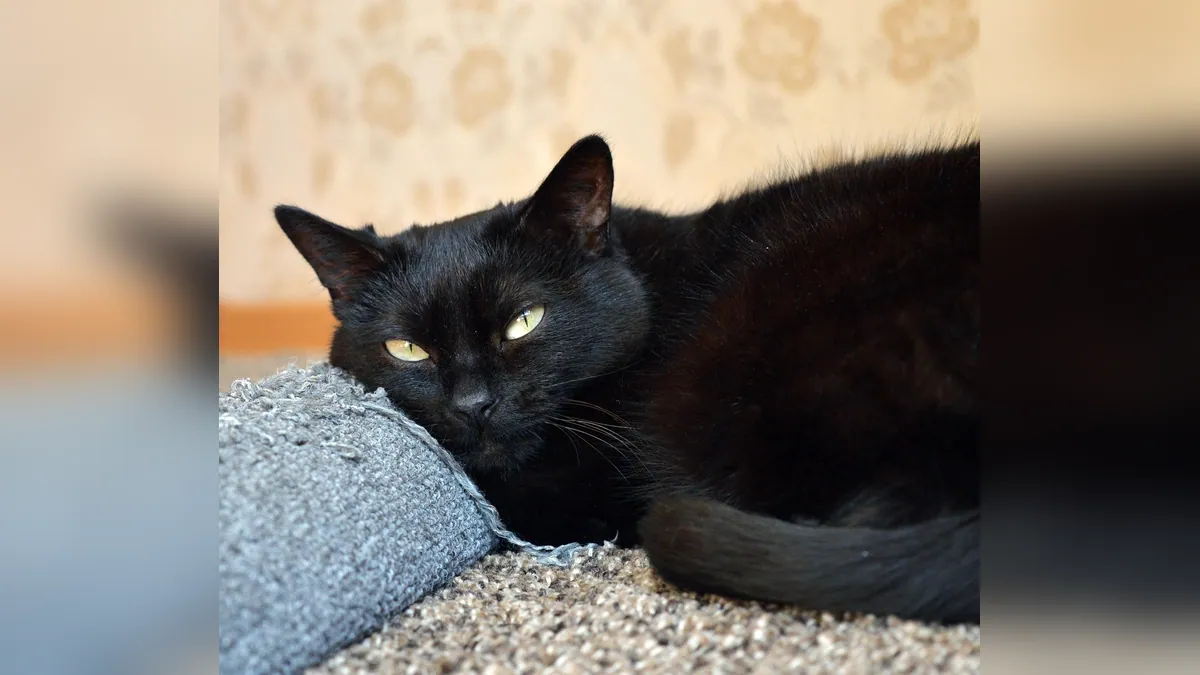
A cat allergic to mold reacts to mold spores the same way it might react to pollen or dust. The immune system treats those spores as a threat and releases histamine, which causes sneezing, coughing, itchy skin, and sometimes wheezing. This article is educational and is not a substitute for veterinary diagnosis or treatment.
Quick Answer
- Mold allergy in cats usually shows up as respiratory signs (sneezing, runny nose, coughing, wheezing) or skin signs (itching, hair loss, scabs), and both can happen together.
- There is no single test that confirms an airborne allergy in cats, so your veterinarian will rule out infections, parasites, and other causes first [1].
- The most effective home fix is reducing moisture and mold in the rooms your cat uses most, since mold needs damp conditions to grow.
- Allergy testing can help identify triggers and guide allergy shots, but it cannot diagnose the allergy by itself [1].
- If your cat has trouble breathing, pale gums, or sudden facial swelling, that is an emergency, not a routine appointment [2].
What a Mold Allergy in Cats Actually Is
An allergy is an immune reaction to a harmless substance. When a cat inhales or absorbs an allergen, its body makes antibodies against it. The next time the cat meets that allergen, those antibodies trigger histamine release and inflammation [1]. Mold spores are one possible airborne allergen, along with pollen, dust mites, and other particles floating in your home.
Mold spores are small enough to be inhaled deep into the airways. In a sensitive cat, that contact sets off the same chain of events each time. The result is irritation in the nose, throat, and lungs, or on the skin where spores settle.
It helps to separate two ideas. Being exposed to mold is common. Developing an allergy to it is an individual immune response. Some cats live around mold their whole lives and never react. Others react after repeated exposure.
Mold Allergy Cat Symptoms: What You Will Notice
Signs can be respiratory, skin-related, or both. They often come and go with the environment. A cat may seem fine in one room and sneeze constantly in a damp basement.
Respiratory signs
- Sneezing, sometimes in bursts
- Clear or watery nasal discharge
- Runny eyes or squinting
- Coughing or a dry hacking sound
- Wheezing or noisy breathing
- Occasional reverse sneezing
Cat sneezing from mold often looks like a mild cold that never fully clears. If the discharge turns thick, yellow, or green, a secondary infection may be involved and your cat needs a veterinary exam.
Skin signs
- Scratching at the face, ears, neck, or belly
- Small scabs or crusts
- Hair thinning in scratched areas
- Red, irritated skin
- Head shaking or ear scratching
Skin signs of airborne allergies can look identical to other itchy conditions. Flea allergy is one of the most common causes of itching in cats, and it can overlap with environmental allergies. If your cat is scratching, it is worth reading about Cat Flea Allergy Dermatitis: Symptoms and Relief so you can compare patterns.
Signs that are not typical of mold allergy
Hives and facial swelling are allergic reactions, but they usually come on within about 20 minutes of exposure to a trigger such as a drug, vaccine, insect bite, or something eaten [2]. Mold allergy tends to be chronic and low grade instead of sudden. Sudden swelling around the lips, nose, or eyes is more serious and needs prompt care [2].
Causes and Risk Factors
Mold allergy is not caused by one thing. It is the result of a sensitive immune system meeting repeated mold exposure.
Genetics. Allergic tendencies run in families of cats. A cat with one allergy is more likely to develop others.
Indoor environment. Mold grows where moisture collects. Leaky pipes, damp basements, bathroom ceilings, window sills, houseplants, and poorly ventilated closets are common spots.
Time spent indoors. Indoor allergen exposure rises when pets and people spend more time inside. Research during pandemic lockdowns found that more time at home and more cat ownership were linked to higher rates of cat sensitization in people [3]. The same principle applies to how much mold and dust your cat breathes.
Season and humidity. Mold peaks in humid months and after water damage. Rainy seasons and high indoor humidity keep spore levels up.
Other allergens at the same time. Cats with airborne allergies often react to more than one trigger. Dust mites, pollen, and mold can all contribute. If food is also a suspect, see Cat Food Allergy Skin Rash: Symptoms and Management.
How Veterinarians Diagnose It
Diagnosing an airborne allergy is not straightforward. There is no test that positively confirms the condition on its own [1]. Your veterinarian builds a case from several pieces.
Step 1: History and physical exam
Expect questions about when signs started, which rooms your cat spends time in, whether signs change with weather, and what cleaning products or litters you use. The vet will examine the skin, ears, eyes, nose, and breathing.
Step 2: Ruling out other causes
Many conditions mimic allergies. Your vet may use flea combing, microscopic analysis of skin samples and scrapings, and fungal cultures to check for parasites, infections, and ringworm [1]. This step matters because treating the wrong problem wastes time and leaves your cat uncomfortable.
Step 3: Allergy testing
Intradermal allergy tests and blood tests can identify which allergens your cat reacts to. These tests cannot diagnose allergies by themselves, but they help identify offending allergens and guide an allergen-specific immunotherapy program, often called allergy shots [1]. Monitoring how your cat responds to treatment also adds information [1].
Step 4: Response to a trial
Sometimes the clearest answer comes from changing the environment and watching what happens. If signs improve when mold exposure drops and return when it rises, that pattern supports the diagnosis.
| Sign you notice | Possible cause | What helps most |
|---|---|---|
| Sneezing with clear discharge | Airborne allergy, irritant, early infection | Reduce mold and dust, vet exam if it persists |
| Thick colored nasal discharge | Infection | Veterinary exam and treatment |
| Itchy skin with scabs | Flea allergy, food allergy, environmental allergy | Parasite control, diet trial, allergy workup |
| Sudden facial swelling or hives | Acute allergic reaction | Veterinary care right away [2] |
| Coughing or wheezing | Airway irritation or asthma | Veterinary exam, possible imaging |
Treatment Options
Treatment usually combines environment changes with medical support. No single approach fixes everything.
Reducing exposure
This is the foundation. If mold spores stay out of the air, the immune system gets fewer triggers. Practical steps appear in the prevention section below.
Medications
Veterinarians commonly use antihistamines and other anti-itch or anti-inflammatory drugs for allergic reactions [2]. Your veterinarian will calculate the dose from your cat's weight and health, and will choose a product safe for cats. Never give human allergy medicine without veterinary guidance, because some ingredients are toxic to cats.
Allergy shots
Allergen-specific immunotherapy is designed around the specific allergens your cat tests positive for [1]. It works by gradually changing the immune response. It takes time and commitment, and your vet will monitor progress along the way.
Treating infections
If a bacterial or fungal infection is present, it needs its own treatment. Allergies can make infections more likely because irritated airways and skin are easier for germs to invade.
For a broader look at options and how they compare, see Cat Allergy Treatment.
Recovery, Outlook, and Long-Term Management
Mold allergy is usually managed, not cured. Most cats improve with consistent environment control and appropriate medical care. The outlook depends on how much mold you can remove, how sensitive your cat is, and whether other allergies are involved.
Expect a pattern of better and worse periods. Damp weather, a leak you did not notice, or a new humidifier can set off a flare. Keeping a simple log of signs and weather can help you spot triggers.
Long-term care usually means:
- Ongoing moisture control in your home
- Regular veterinary checkups
- Refilling medications as directed
- Rechecking if signs change or worsen
- Watching for skin infections from scratching
Some cats need treatment only during humid months. Others need year-round management.
Prevention: Home Fixes That Are Safe Around Cats
The goal is to keep indoor humidity low and remove mold before it spreads. Do all of this with your cat's safety in mind.
Control moisture
- Fix leaks in pipes, roofs, and windows promptly.
- Run exhaust fans in bathrooms and kitchens.
- Use a dehumidifier in damp rooms and empty it regularly.
- Keep indoor humidity in a range that discourages mold growth.
- Dry water-damaged areas within a day or two.
Clean safely
- Clean small mold patches with mild soap and water when possible.
- If you use a stronger cleaner, keep your cat out of the room until surfaces are dry and the area is ventilated.
- Never mix cleaning products, and never let your cat walk on or lick wet treated surfaces.
- Wash cat bedding often in hot water.
- Replace moldy items such as cardboard, old rugs, or damp cushions instead of trying to salvage them.
Reduce spore load
- Use HEPA filtration in the rooms your cat uses most.
- Keep houseplants in check, since wet soil grows mold.
- Store dry food and treats in sealed containers away from damp areas.
- Clean litter boxes frequently and keep them dry.
- Avoid letting your cat into basements, crawl spaces, or attics with visible mold.
Support your cat
- Provide a warm, dry sleeping spot away from drafty or damp areas.
- Brush your cat to remove spores and dander from the coat.
- Wash your hands after handling moldy items before petting your cat.
- Keep up with flea control, since flea allergy can add to the itch burden.
If you want gentler at-home options for itchy skin, read Cat Skin Allergy Home Remedies: Safe Options and What to Avoid before trying anything new.
Limitations and When to Contact a Veterinarian
No article can tell you what is causing your cat's signs. Mold allergy looks like several other conditions, and only a veterinarian can examine your cat, run appropriate tests, and tailor treatment. Individual cases need a veterinarian.
Contact a veterinarian the same day if your cat has:
- Thick yellow or green nasal discharge
- Signs that have lasted more than a few days or are getting worse
- Not eating or drinking normally
- Noticeable weight loss
- Scratching that breaks the skin or causes bleeding
- Ear discharge or head shaking that does not stop
Go to an emergency clinic now if your cat has:
- Difficulty breathing, open-mouth breathing, or blue gums
- Sudden facial swelling, especially around the lips, nose, or eyes [2]
- Hives that appeared within about 20 minutes of a possible trigger [2]
- Collapse, weakness, or pale gums [2]
- Vomiting, diarrhea, or excessive drooling with any of the above [2]
Anaphylactic reactions can progress within seconds to minutes and can be life threatening [2]. Do not wait to see if it passes.
Schedule a routine visit if:
- You suspect mold exposure and want guidance
- Signs come and go with weather or seasons
- You want to discuss allergy testing or allergy shots [1]
- You need help choosing safe medications for a cat with ongoing signs
Frequently Asked Questions
Can mold make my cat sneeze?
Yes, mold spores can irritate the nose and trigger sneezing in a sensitive cat. Clear sneezing that comes and goes with damp conditions points toward an airborne trigger. Thick or colored discharge suggests infection instead, and that needs a veterinary visit.
How do I know if my cat has a mold allergy or a cold?
A cold or upper respiratory infection usually produces thicker discharge and may come with fever, appetite loss, or lethargy. Allergy signs tend to be clear, recurrent, and tied to the environment. Only a veterinarian can tell them apart with an exam and testing.
Is mold allergy in cats contagious to other pets or to me?
No, an allergy itself is not contagious. However, mold in the home can affect every pet and person who breathes it. If one cat is reacting, it is worth checking the whole household for damp areas and visible growth.
Can I give my cat human allergy medicine?
Not without veterinary guidance. Some human allergy products contain ingredients that are dangerous to cats, and dosing is based on your cat's weight and health. Your veterinarian can recommend a safe option and the correct amount.
Will moving to a drier home cure my cat?
Moving can reduce exposure and improve signs, but it does not always cure the allergy. Cats with airborne allergies often react to more than one trigger, such as dust mites or pollen. A veterinarian can help you build a plan that works in your current home.
Related Articles
- Cat Flea Allergy Dermatitis: Symptoms and Relief
- Cat Allergy Treatment
- Cat Skin Allergy Home Remedies: Safe Options and What to Avoid
- Cat Ate a Bee or Wasp: Signs of Allergic Reaction and Emergency Steps
- Cat Food Allergy Skin Rash: Symptoms and Management
- Cat Sneezing a Lot: Allergies, Infection, or Something Else?
- Cat Allergic to Carpet? Signs and Safer Flooring Choices
- Cat Allergic to Pollen: Symptoms and Seasonal Relief
- Cat Allergic to Dust and Storage Mites: Signs and Relief
References
- Allergies of Cats - Cat Owners. Merck Veterinary Manual.
- Disorders Involving Anaphylactic Reactions (Type I Reactions, Atopy) in Cats - Cat Owners. Merck Veterinary Manual.
- Genetic predisposition and increased environmental allergen exposure in cat allergy: The pandemic is a very good example. Allergologia et immunopathologia, 2025.