Cat Allergic to Carpet? Signs and Safer Flooring Choices
By Dr. Zubair Khalid, DVM, MS, PhD ·
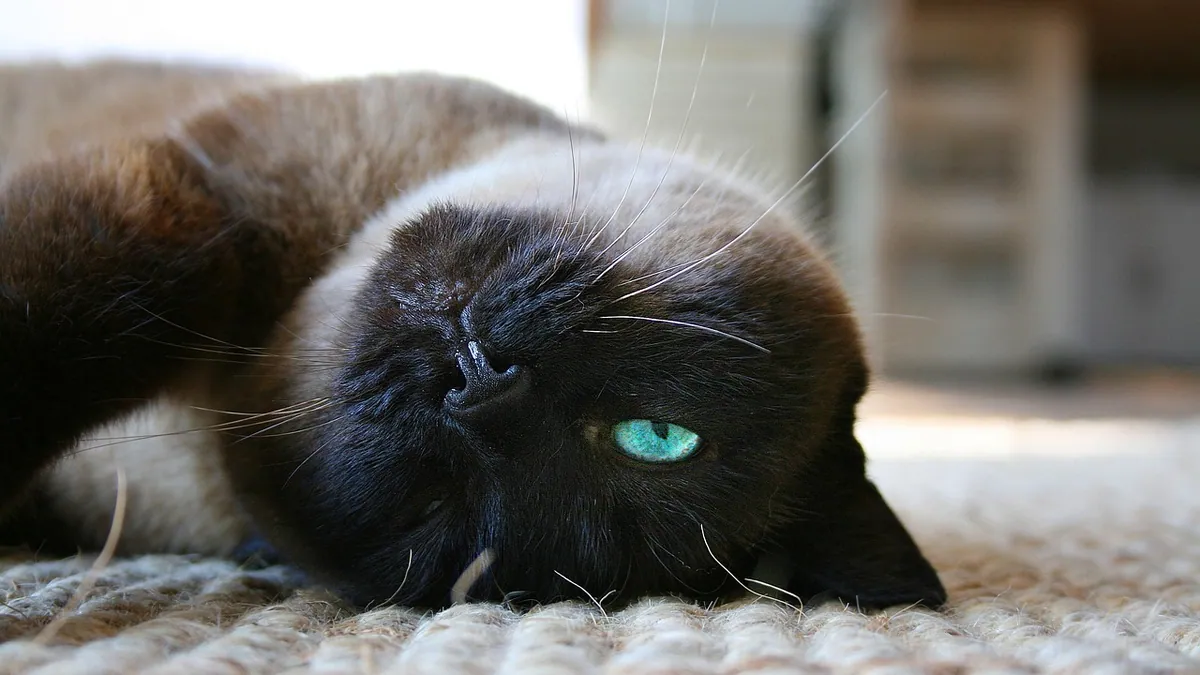
Cats can react to carpet, but the carpet fiber itself is rarely the true allergen. Most reactions come from what carpet holds (dust, dust mites, pollen, mold spores) or from chemicals released by new carpet and its adhesives. If your cat is allergic to carpet, the fix is usually better cleaning, better ventilation, and sometimes a change in flooring.
This article is educational and is not a substitute for veterinary diagnosis or treatment.
Quick Answer
- Carpet acts like a filter. It traps dust, dander, pollen, and dust mite particles that can trigger sneezing, wheezing, and itchy skin in sensitive cats.
- New carpet is a common trigger. New carpet, padding, and adhesives release volatile organic compounds (VOCs) that can irritate a cat's airways for days to weeks after installation.
- Symptoms often look like other allergies. Sneezing, watery eyes, coughing, and scratching can also point to fleas, food, or seasonal allergens, so diagnosis matters.
- Diagnosis is a process of elimination. Your veterinarian will rule out infections, parasites, and other causes before calling it an environmental allergy [1].
- Practical fixes help. Frequent HEPA vacuuming, air purifiers, washable rugs, and hard flooring reduce the allergen load in your home.
What "Cat Allergic to Carpet" Really Means
When owners say their cat is allergic to carpet, they usually mean the cat reacts to something carpet carries or releases. True allergy to the synthetic or natural fibers themselves is not well established in veterinary research. The reaction is more often to airborne particles trapped in the carpet or to chemical irritants from new carpet.
Environmental allergies in cats fall under a condition veterinarians call feline atopy. In atopy, the immune system overreacts to substances in the air, including dust, pollen, mold spores, and dust mite debris. Carpet is a reservoir for all of these. Every time your cat walks across it, lies on it, or a person walks by, particles get stirred back into the air your cat breathes.
New carpet adds another layer. The "new carpet smell" comes from VOCs released by the carpet, the padding, and the adhesives used during installation. These chemicals can irritate the eyes, nose, and airways of both people and cats. The smell fades over time, but sensitive cats may show signs during that window.
Some cats also react to allergens that settle on carpet and then contact the skin. This can cause itching, small red bumps, or hair loss. Hives in cats are rare and are most often linked to insect bites, stings, or medications, though they can also follow inhaling, touching, or eating an allergen [2].
Signs Your Cat May Be Reacting to Carpet
Signs can be respiratory, skin-related, or both. They often appear or worsen after a change in the home, such as new carpet, new furniture, or a season with high pollen.
Respiratory signs
- Sneezing, especially after walking on or lying on carpet
- Clear nasal discharge
- Watery or red eyes
- Coughing or wheezing
- Increased breathing effort
- Open-mouth breathing (this is an emergency in cats)
Skin signs
- Excessive scratching, licking, or chewing
- Hair loss or thinning coat
- Red, irritated skin
- Small scabs or crusts
- Itchy ears or head shaking
Behavioral signs
- Restlessness or pacing
- Hiding more than usual
- Avoiding certain rooms or areas
- Reduced appetite if the cat feels unwell
If your cat is licking floors or walls in addition to scratching, that behavior can have several causes, including nausea, pain, or anxiety. See Cat Licking Walls or Floors: Pica or Medical Issue? for a closer look.
Itching that starts suddenly and centers on the back half of the body often points to fleas. To compare patterns, read Cat Skin Allergy or Flea Allergy? How to Tell the Difference.
Causes and Risk Factors
Several factors raise the odds that carpet plays a role in your cat's symptoms.
What carpet holds
- Dust and dust mite debris
- Pollen tracked in from outside
- Mold spores in damp areas
- Cat dander from other pets or previous residents
- Cleaning product residue
What new carpet releases
- VOCs from carpet fibers, backing, padding, and adhesives
- Latex or glue fumes during and after installation
- Chemical treatments such as stain repellents
Cat-related risk factors
- A history of atopy or other allergies
- Young to middle-aged adult cats (atopy often shows up in this range)
- Cats with concurrent flea allergy or food allergy
- Cats living in humid homes where dust mites and mold thrive
Cat allergens themselves are a major driver of allergic disease in people. In one large testing dataset, 30% of patients tested were sensitized to cat dander, and asthma was the most common allergic disease among them [3]. This matters for cat owners because the same proteins that trigger human symptoms can circulate in household dust and settle into carpet.
Some cats develop respiratory symptoms after cat allergen exposure even when standard allergy tests are negative. A study of asthmatic patients found that symptoms triggered by cat exposure can occur without detectable systemic cat-specific IgE [4]. This is a reminder that a normal test does not always rule out a real reaction.
How Veterinarians Diagnose This
There is no single test that confirms a carpet allergy. In fact, no test can positively identify airborne allergy on its own [1]. Your veterinarian will build a diagnosis step by step.
Step 1: History and physical exam
Your vet will ask about symptom timing, recent home changes, cleaning products, other pets, and flea prevention. They will examine the skin, coat, ears, eyes, and airways.
Step 2: Rule out other causes
Because itching and sneezing have many causes, your vet may perform:
- Flea combing
- Microscopic analysis of skin samples and scrapings
- Fungal cultures
- Skin tests for infections or parasites
These steps help eliminate other possible causes of the itching before diagnosing feline atopy [1].
Step 3: Allergy testing
Intradermal allergy tests and blood tests can identify which allergens your cat reacts to. These tests cannot diagnose allergies by themselves, but they can guide treatment, including allergen-specific immunotherapy [1].
Step 4: Trial changes at home
Sometimes the most useful "test" is a change in the environment. Removing or covering carpet, adding air filtration, or switching cleaning products can reveal a pattern. Your vet may ask you to track symptoms in a simple daily log.
| Approach | What it does | Best for |
|---|---|---|
| History and physical exam | Finds patterns and visible problems | Every cat with symptoms |
| Skin scraping and fungal culture | Rules out mites, infections, ringworm | Itchy cats with skin lesions |
| Intradermal allergy test | Identifies specific allergens | Cats being considered for immunotherapy |
| Blood allergy test | Identifies specific allergens | Cats that cannot tolerate skin testing |
| Environmental trial | Tests whether symptoms improve with changes | Suspected carpet or dust triggers |
Treatment Options
Treatment depends on how severe the signs are and what else is going on. Your veterinarian will tailor the plan to your cat.
Medications
Veterinarians commonly use corticosteroids, antihistamines, or other immune-modulating drugs to control itching and inflammation. For hives, rapid-acting corticosteroids may be used when treatment is needed [2]. The exact drug and dose are calculated by your veterinarian based on your cat's weight and health. Never give human allergy medication to a cat without veterinary guidance.
Immunotherapy
Immunotherapy aims to increase your cat's tolerance to environmental allergens. Your veterinarian matches test results with the allergens present when your cat has signs, then gives the treatment as injections or allergy drops [1]. Some owners learn to give injections at home, while others get help from veterinary staff [1]. Your vet sets the frequency and dose.
Managing the home environment
This is often the most powerful step for a carpet-related problem. Reducing the allergen load means less exposure every day.
- Vacuum with a HEPA filter two to three times weekly
- Use an air purifier with a HEPA filter in the rooms your cat uses most
- Wash cat beds, blankets, and washable rugs in hot water
- Keep humidity below 50% to limit dust mites and mold
- Choose hard flooring or low-pile, washable rugs where possible
- Air out new carpet and keep your cat out of the room during and after installation
Grooming and allergen reduction
Reducing allergens on the cat can also help the household. Grooming methods such as combing, bathing, or using wipes and enzymatic washing agents can lower the allergen load in the environment [5]. If your cat hates baths, ask your vet about wipes or a professional grooming visit.
For a broader overview of medical and environmental options, see Cat Allergy Treatment.
Recovery, Outlook, and Long-Term Management
Most cats with environmental allergies can be managed well, but few are cured. The goal is to reduce symptoms enough that your cat eats, sleeps, and plays normally.
Expect improvement to take weeks, not days. Allergy treatment often requires trial and error. Your vet may adjust medications or immunotherapy over time based on how your cat responds [1].
Long-term management usually combines:
- Consistent flea prevention
- A cleaning routine that targets dust and dander
- Air filtration in main living areas
- Regular grooming
- Scheduled veterinary rechecks
- A written log of flare-ups and possible triggers
If your cat also has joint pain or stiffness, a more comfortable home setup can make a real difference. See Cat Arthritis: How to Recognize the Signs and Make Your Home More Comfortable.
Prevention
You cannot prevent every allergy, but you can lower the odds that carpet makes your cat sick.
Before installing new carpet
- Ask for low-VOC carpet, padding, and adhesive when available
- Schedule installation when you can ventilate the home well
- Keep your cat in a separate room with its own litter box, food, and water
- Wait until the smell fades before letting your cat back in
- Vacuum the new carpet several times before reintroducing your cat
Everyday prevention
- Remove shoes at the door to reduce tracked-in pollen
- Use washable throw rugs instead of wall-to-wall carpet in cat areas
- Clean hard floors with fragrance-free, pet-safe products
- Replace or professionally clean carpet in damp basements
- Keep litter boxes away from carpeted areas when possible
If your cat scratches carpet
Scratching can damage carpet and release more dust and fibers into the air. For practical solutions, read How to Stop a Cat from Scratching the Carpet: Effective Deterrents.
Limitations and When to Contact a Veterinarian
No article can diagnose your cat. Individual cases need a veterinarian who can examine your cat, run tests, and set a treatment plan.
Contact your veterinarian the same day if your cat has:
- New or worsening coughing or wheezing
- Sneezing with colored nasal discharge
- Eye redness with discharge
- Itching that interferes with eating or sleeping
- Skin wounds from scratching
Seek emergency care immediately if your cat has:
- Open-mouth breathing
- Labored breathing or blue gums
- Facial swelling, especially around the eyes, muzzle, or throat
- Hives with swelling of the head, legs, or respiratory tract (this can be life threatening) [2]
- Collapse or severe weakness
Call a routine visit if your cat has:
- Mild sneezing that lasts more than a week
- Itchy skin that comes and goes
- Symptoms that started after new carpet or new furniture
- Symptoms that improve when your cat is away from a certain room
Frequently Asked Questions
Can a cat be allergic to carpet itself?
True allergy to carpet fibers is not well established in veterinary research. Most reactions trace back to dust, dust mites, pollen, mold, or chemicals from new carpet and adhesives. Your veterinarian can help sort out which trigger is most likely.
Why is my cat sneezing after new carpet was installed?
New carpet, padding, and adhesives release VOCs that irritate airways. Cats with sensitive lungs or existing allergies may sneeze, cough, or have watery eyes during the first days to weeks. Ventilation, air filtration, and keeping your cat out of the room can reduce exposure.
Will replacing carpet cure my cat's allergies?
Replacing carpet often reduces symptoms, but it rarely cures an allergy. Cats with atopy may still react to pollen, dust, or mold in the air. A combination of flooring changes, cleaning, and veterinary treatment works best.
How do I know if it is the carpet or something else?
Track when symptoms happen and where your cat spends time. If signs improve away from carpeted rooms or after cleaning changes, carpet may be involved. Your veterinarian can rule out fleas, infections, and food allergies, which cause similar signs.
Are air purifiers and HEPA vacuums worth it for cats with allergies?
Yes, they can lower the amount of airborne dust, dander, and pollen in your home. They work best as part of a full plan that includes washing bedding, controlling humidity, and following your veterinarian's treatment advice.
Related Articles
- Cat Licking Walls or Floors: Pica or Medical Issue?
- Cat Arthritis: How to Recognize the Signs and Make Your Home More Comfortable
- Cat Skin Allergy or Flea Allergy? How to Tell the Difference
- How to Stop a Cat from Scratching the Carpet: Effective Deterrents
- Cat Allergy Treatment
- Cat Skin Allergy Home Remedies: Safe Options and What to Avoid
- Cat Allergic to Litter? Signs and Low-Dust Alternatives
- Cat Allergic to Dust and Storage Mites: Signs and Relief
- Cat Allergic to Mold: Symptoms and Home Fixes
References
- Allergies of Cats - Cat Owners. Merck Veterinary Manual.
- Hives and Rashes (Urticaria) in Cats - Cat Owners. Merck Veterinary Manual.
- Allergic diseases and sensitisation profiles among cat dander-sensitised patients in Malaysia. The Malaysian journal of pathology, 2026.
- Local allergic asthma to cat allergens. The journal of allergy and clinical immunology. Global, 2026.
- Taming pet allergens: strategies to make furry cats less allergenic. Frontiers in allergy, 2026.