Cat Allergic to Grass, Pollen, and Outdoor Plants
By Dr. Zubair Khalid, DVM, MS, PhD ·
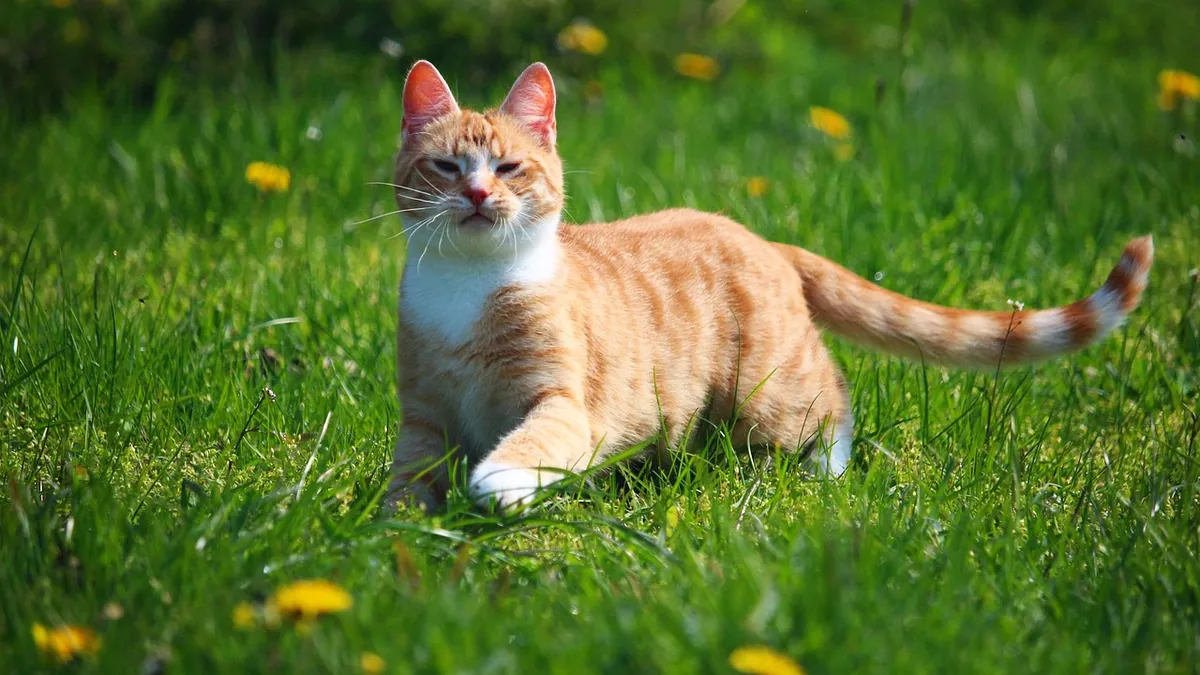
If your cat is allergic to grass, pollen, or other outdoor plants, the immune system overreacts to harmless plant particles that touch the skin or get inhaled. This triggers itching, hair loss, and skin inflammation, often on the face, ears, belly, and paws. The problem is manageable, but it usually needs a veterinarian to confirm the cause and build a treatment plan.
This article is educational and is not a substitute for veterinary diagnosis or treatment.
Quick Answer
- Outdoor allergens like grass and pollen cause itching through the skin, not just the nose, so cats often scratch, chew, and overgroom instead of sneezing.
- Signs tend to follow the seasons, but cats exposed to indoor and outdoor allergens year-round can itch constantly.
- Fleas, food allergy, and infections look almost identical, so a veterinary exam is needed before you assume grass is the trigger.
- Treatment usually combines allergen avoidance, skin care, and medication, and your veterinarian calculates any drug dose from your cat's weight and health.
- Cats with severe or nonseasonal itching may need allergy testing and long-term management, not just a seasonal fix.
What Is Feline Atopic Skin Disease?
Allergies happen when the immune system mistakes a harmless substance for a threat. These substances are called allergens, and when a cat is exposed again later, the body releases histamine and other chemicals that cause inflammation [1]. In cats, that inflammation often shows up in the skin and ears.
When the allergens come from the environment (grass, tree and weed pollen, mold spores, dust, and similar particles), the condition is called feline atopic skin disease or atopic dermatitis. It is the cat version of the itchy, allergic skin problem that people and dogs also get.
Outdoor allergens reach your cat in two main ways. Pollen and plant particles land directly on the coat and skin. They also float in the air and get inhaled. Either route can set off itching in a sensitive cat.
One thing that surprises many owners is that cats can react to things they never touch directly. Pollen drifts indoors through open windows, rides in on clothing, and settles into bedding and carpets. So an indoor-only cat can still have a grass or pollen allergy.
Signs Your Cat May Be Allergic to Grass or Pollen
The hallmark is itching that does not go away. You may notice:
- Scratching at the face, ears, neck, or chin
- Chewing or licking the paws, sometimes until they are red or raw
- Excessive grooming that creates thin patches or bald spots
- Small scabs, crusts, or bumps along the back and tail base
- Red, warm, or thickened skin
- Head shaking or ear scratching from ear inflammation
- Hair loss on the belly, flanks, or inner thighs
- Restlessness, irritability, or trouble sleeping because of the itch
Some cats also develop respiratory signs. Cat allergens are a well-known trigger for allergic respiratory disease in people, and the same principle of allergic airway inflammation applies to cats exposed to airborne particles [2]. If your cat coughs, wheezes, or breathes with effort, that needs prompt veterinary attention.
Itching is the most reliable clue. Cats with atopic skin disease scratch more than cats with most other skin conditions, and the pattern often involves the head, neck, and front half of the body.
Why Outdoor Allergens Trigger Itching
The immune response
On first exposure, the immune system builds antibodies against the allergen. On later exposures, those antibodies recognize the allergen and trigger histamine release and inflammation [1]. That inflammation is what makes skin itch.
Grass, pollen, and plants
Grass pollen is one of the most common outdoor triggers. Tree pollen, weed pollen, and mold spores behave the same way. Plant particles are small enough to stay airborne and to lodge in the coat, so they reach both the skin and the airways [1].
The sun question
Some owners search for "cat allergic to sun" because itching seems worse on sunny days. There is no evidence that cats are truly allergic to sunlight itself. What usually happens is that warm, sunny weather raises pollen counts and sends cats outdoors more, so exposure goes up. Sun can also dry or irritate already damaged skin. If your cat's ears, nose, or eyelids look crusty or scaly after sun exposure, have a veterinarian examine the skin, because several conditions can look like that.
Indoor allergens matter too
Outdoor allergens are only part of the picture. Many cats with atopic skin disease also react to indoor allergens like dust mites, mold, and storage mites. That is one reason some cats itch all year instead of only in spring and summer.
Cross-reactivity
Some allergens are chemically similar across species. A major cat allergen called Fel d 4 is highly similar to dog and horse allergens, and that similarity can cause cross-reactive allergic responses when a person or animal is exposed to different species [3]. This matters mainly for understanding why allergy testing results can be complicated, and it is a good reason to let a veterinarian interpret test results.
How This Differs From Food Allergy
Owners often confuse environmental allergy with food allergy, and the two can look identical on the skin. Here is how veterinarians tell them apart.
| Feature | Environmental (grass, pollen) allergy | Food allergy |
|---|---|---|
| Typical age of onset | Often young adult, but any age | Any age, often young adult |
| Seasonality | Often worse in spring, summer, or fall | Year-round, no seasonal pattern |
| Itch distribution | Face, ears, neck, paws, belly | Often face, ears, neck, and sometimes the rear |
| Response to steroids | Usually improves | May improve, then returns |
| Response to diet trial | No improvement | Improves on a strict elimination diet |
| Digestive signs | Uncommon | Vomiting or diarrhea may occur |
| Diagnosis | History, exam, allergy testing | 8 to 12 week diet trial |
The only reliable way to rule out food allergy is a supervised diet trial using a prescription or home-cooked elimination diet. If your cat's itching does not improve on that trial, environmental allergy becomes much more likely. For more on that process, see Cat Allergy Food.
Causes and Risk Factors
Several things raise the odds that a cat will develop allergic skin disease.
- Genetics. Atopic disease runs in families, and some lines of cats are more prone to it.
- Early and ongoing exposure. Repeated contact with allergens increases the chance of sensitization. In children, contact with more than one dog and more than one cat has been linked to a strong increase in asthma odds, which shows how exposure patterns can shape allergic disease [4].
- Outdoor access. Cats that go outside meet grass, pollen, and plant particles directly.
- Indoor allergen load. Dust, mold, and tracked-in pollen keep the immune system stimulated even indoors.
- Flea exposure. Flea allergy dermatitis is extremely itchy and often mistaken for grass allergy.
- Skin barrier problems. Cats with dry or damaged skin absorb allergens more easily.
Sensitization is not the same as allergy. Many cats test positive for allergens but never show symptoms. In one study of cat-sensitized children, only 39 percent developed clinical symptoms after exposure, and a positive cat-specific IgE result was the only independent risk factor for symptoms [5]. The same principle applies to cats. A positive test alone does not prove that grass is the cause of your cat's itching.
How Veterinarians Diagnose It
Diagnosis starts with a full history and physical exam. Your veterinarian will ask when the itching started, whether it changes with the seasons, whether your cat goes outside, what you feed, and what flea prevention you use.
Next comes the process of ruling out other causes:
- Skin scrapings and cytology. These check for mites, yeast, and bacterial infection, all of which cause itching and often accompany allergies.
- Flea treatment trial. Strict, consistent flea control for several weeks helps rule out flea allergy.
- Diet trial. An 8 to 12 week elimination diet rules out food allergy.
- Allergy testing. If environmental allergy is still suspected, your veterinarian may recommend intradermal skin testing or a blood test for allergen-specific IgE. These tests are interpreted alongside the history, not on their own.
Testing has limits. A positive result tells you the cat has antibodies, not that the allergen is causing the current itch. Your veterinarian will match test results to your cat's exposure and symptoms before making recommendations.
Treatment Options
Treatment is usually layered. No single approach works for every cat, and most cats need a combination.
Avoidance and environmental control
- Keep windows closed during high pollen periods and use air conditioning or a HEPA filter.
- Wipe your cat's coat and paws with a damp cloth after outdoor time.
- Wash bedding weekly in hot water.
- Vacuum and dust regularly, and keep your cat out of rooms with heavy pollen tracking.
- Limit outdoor access during peak pollen seasons if your cat tolerates staying inside.
Skin and coat care
Regular bathing with a veterinarian-recommended shampoo removes allergens from the coat and calms inflamed skin. Medicated wipes can help with the face and paws. Grooming also reduces the allergen load in your home, which matters if anyone in the household has allergies [6].
Medications
Your veterinarian may prescribe one or more of the following:
- Corticosteroids to reduce inflammation and itching during flares.
- Antihistamines, which help some cats but not all.
- Cyclosporine for long-term immune control.
- Oclacitinib, a janus kinase inhibitor licensed for dogs that has been reported to be effective for treating itching in allergic cats and other species [1].
Never give your cat a human allergy medication without veterinary guidance. Some are toxic to cats, and doses differ from human doses. Your veterinarian calculates the dose from your cat's weight and health status.
Immunotherapy
Allergy shots or under-the-tongue immunotherapy can desensitize a cat over months to years. This is the closest thing to a long-term fix for environmental allergy, and it works best when the trigger allergens are correctly identified.
Infection control
Allergic skin is easy for bacteria and yeast to colonize. If your cat has crusts, odor, or worsening redness, your veterinarian may prescribe antibiotics or antifungal medication alongside allergy treatment.
Recovery, Outlook, and Long-Term Management
Atopic skin disease is usually managed, not cured. Most cats do well with a consistent plan, but flares happen, especially during pollen season.
Expect to adjust treatment over time. Allergies change with age, season, and environment. A plan that works in winter may need tweaking in spring.
Keep a simple log of itching, flare-ups, and what you changed. This helps your veterinarian fine-tune treatment and spot patterns you might otherwise miss.
If your cat has both environmental and food allergy, you will need to manage both. Cats with severe disease may need lifelong medication, and regular checkups help catch side effects early.
Prevention
You cannot prevent a cat from developing an allergy, but you can lower the odds of severe flares.
- Keep up with year-round flea prevention.
- Bathe and groom regularly during pollen season.
- Control indoor allergens with filters, cleaning, and bedding changes.
- Keep your cat indoors during high pollen days if possible.
- Feed a complete, balanced diet and address any skin or digestive issues early.
- See your veterinarian at the first sign of persistent itching, before the skin becomes infected.
If you are also worried about plants in and around your home, review Plants Toxic To Cats and House Plants Toxic To Cat. Allergic reactions and toxic reactions are different problems, and both deserve attention.
Limitations and When to Contact a Veterinarian
No article can diagnose your cat. Individual cases need a veterinarian who can examine the skin, run tests, and tailor treatment.
Contact your veterinarian the same day if your cat:
- Scratches until the skin bleeds or develops open sores
- Has sudden severe swelling of the face, eyelids, or lips
- Develops a bad smell, pus, or spreading redness on the skin
- Stops eating or drinking because of discomfort
Go to an emergency clinic now if your cat:
- Has trouble breathing, open-mouth breathing, or blue gums
- Collapses or seems weak
- Has a swollen face or throat that is getting worse quickly
Schedule a routine visit if your cat:
- Itches for more than a few days
- Has hair loss, scabs, or repeated ear problems
- Itches year-round instead of only in one season
- Has not improved on flea control or a diet trial
Frequently Asked Questions
Can a cat be allergic to grass if it never goes outside?
Yes. Pollen and grass particles travel indoors on air currents, clothing, and shoes, so an indoor cat can still be exposed. Indoor allergen levels often rise during pollen season even in homes with closed windows.
Is a cat allergic to sun a real condition?
No, cats are not allergic to sunlight itself. Itching that seems worse on sunny days is usually caused by higher pollen counts, more time outdoors, or dry, irritated skin. Crusty or scaly skin after sun exposure should be checked by a veterinarian.
How can I tell if my cat has a grass allergy or a food allergy?
The pattern of itching alone cannot tell them apart. A strict 8 to 12 week elimination diet is the standard way to rule out food allergy, and environmental allergy is more likely if itching continues after that trial.
Do allergy shots work for cats?
Immunotherapy can reduce sensitivity over time and is one of the few treatments that addresses the underlying allergy. It takes months to work and is most effective when the correct allergens have been identified through testing.
Can I give my cat human allergy medicine?
No, not without veterinary approval. Some human medications are toxic to cats, and the correct dose depends on your cat's weight and health. Your veterinarian can recommend a safe option and calculate the dose.
Will my cat outgrow a grass allergy?
Most cats do not outgrow environmental allergies, though symptoms can change with age and season. Many cats need ongoing management, and some improve significantly with immunotherapy and consistent skin care.
Related Articles
- Cat Skin Rash from Grass Allergies: What to Do
- House Plants Toxic To Cat
- Plants Toxic To Cats
- Cat Allergy Food
- What Plants And Flowers Are Toxic To Cats
- My Cat Threw Up White Foam And Grass
- Cat Allergic to Pollen: Symptoms and Seasonal Relief
- Is Grass Safe for Cats to Eat? Cat Grass and Seeds
- Why Is My Cat Eating Grass and Plants?
References
- Allergies of Cats - Cat Owners. Merck Veterinary Manual.
- Local allergic asthma to cat allergens. The journal of allergy and clinical immunology. Global, 2026.
- Major Cat Allergen Fel d 4: Structure and Identification of a Cross-Reactive IgE-Epitope-Containing Area. Allergy, 2026.
- A dose-response association in the increased prevalence of asthma due to the interaction between pet exposure and the number of dogs and cats in contact with children. Allergologia et immunopathologia, 2026.
- Beyond sensitization: real-life thresholds for cat allergy in children. Allergologia et immunopathologia, 2026.
- Taming pet allergens: strategies to make furry cats less allergenic. Frontiers in allergy, 2026.