Apple Cider Vinegar for Cats: Fleas, Skin, and Coat Claims
By Dr. Zubair Khalid, DVM, MS, PhD ·
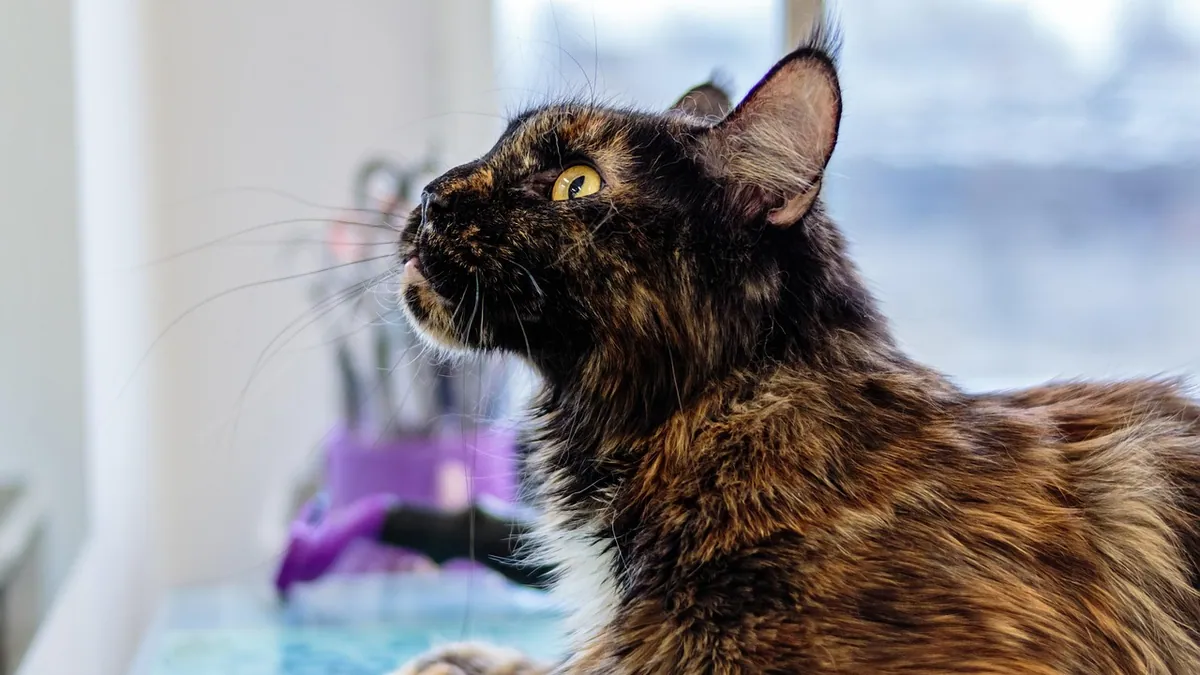
Apple cider vinegar for cats fleas is a popular home remedy, but it does not kill fleas or stop an infestation. At best, diluted ACV is a mild surface rinse that some cats tolerate. At worst, it irritates skin, causes vomiting, or delays real treatment while fleas multiply.
This article is educational and is not a substitute for veterinary diagnosis or treatment.
Quick Answer
- Apple cider vinegar has no proven flea-killing or flea-repelling effect on cats. It is not a pesticide and will not break the flea life cycle.
- Fleas are a medical problem, not a grooming problem. Cat fleas (Ctenocephalides felis) feed on blood and can transmit disease to pets and people [1].
- Effective flea control requires a product proven to work. In one field study, a single topical application of ivermectin, imidacloprid, and praziquantel produced a marked drop in flea-positive cats within days [2].
- Never apply undiluted ACV to your cat's skin, and never give it by mouth without veterinary guidance. Acid can burn skin and upset the stomach.
- If your cat is scratching, losing hair, or has scabs, see a veterinarian. Flea allergy dermatitis and other skin diseases need diagnosis, not vinegar.
What Apple Cider Vinegar Actually Does
Apple cider vinegar is diluted acetic acid made from fermented apples. People use it for cleaning, cooking, and various home remedies. None of those uses make it a veterinary drug.
ACV is not approved or labeled for flea control in cats. It does not appear in the flea treatment research used to evaluate real products. When researchers test flea control, they test compounds that kill or sterilize fleas, such as lotilaner or a combination of ivermectin, imidacloprid, and praziquantel [3][2]. Vinegar is not among them.
What ACV can do is change the pH and smell of a surface. That may make a wipe-down feel fresher to you. It does not make your cat's blood taste bad to fleas, and it does not poison fleas that land on the coat.
Does Apple Cider Vinegar for Cats Fleas Work?
No. There is no evidence that apple cider vinegar kills adult fleas, eggs, or larvae on a cat. There is also no evidence it repels them.
Fleas are tough. A single female flea can lay eggs that fall into carpets, bedding, and floor cracks. Killing the adults you see is only part of the job. You also have to stop the next generation. Products like lotilaner have been tested specifically for controlling in-home flea infestations, with reductions in flea counts measured week by week [3]. A topical combination product has been tested in naturally infested cats under routine clinic conditions [2]. Those are the kinds of results you need.
Flea infestations are common. In one survey of pets in mainland Portugal, flea prevalence was 33.6% in dogs and 36.5% in cats, and Ctenocephalides felis was the main species found [4]. Fleas are not a sign that you are a bad owner. They are a sign that you need an effective product used correctly.
Fleas also bite people. A case report described an 18-year-old woman with no pets who developed severe itching, hives, and raised bumps after being infested with cat fleas [1]. She needed antihistamine treatment to recover. That is the risk you take when fleas are left unchecked.
Apple Cider Vinegar for Cats Skin and Coat
Owners often ask about apple cider vinegar for cats skin and apple cider vinegar for cats fur. The claims usually involve shine, odor, dandruff, or itching.
Here is the honest answer. A weak dilution used as a brief surface wipe may be tolerated by some cats. It will not treat an infection, a parasite, or an allergy. It will not replace a medicated shampoo prescribed by your veterinarian.
Cats have delicate skin and a strong grooming instinct. Anything you put on the coat gets licked off and swallowed. That is why topical products for cats are formulated and tested for cats. ACV is not.
If your cat's coat looks dull or greasy, the cause matters. Possible causes include fleas, food allergy, environmental allergy, ringworm, mites, hormonal disease, or simply poor grooming because of pain or obesity. Vinegar does not sort those out. A veterinarian does.
If your cat is scratching but you cannot find fleas, that is a separate puzzle. Read Cat Scratching But No Fleas: Possible Causes and Next Steps for what else can cause itch.
Step-by-Step: What To Do Instead
Step 1: Confirm fleas are present
Part the fur along the back, near the tail base, and on the belly. Look for live fleas, tiny black specks (flea dirt), and red irritated skin. Flea dirt turns reddish-brown when you smear it on a damp paper towel because it is digested blood.
Step 2: Choose a flea product made for cats
Use only products labeled for cats. Many dog products are toxic to cats. If you are unsure what is safe, read Cat Flea Treatment Safe For Cats before you buy anything.
Your veterinarian can recommend a product based on your cat's age, weight, health, and home situation. The dose is calculated from your cat's weight and health, so do not guess.
Step 3: Treat every pet in the home
Fleas do not stay on one animal. If you have a dog, it needs flea control too. If you have multiple cats, all of them need treatment on the same schedule.
Step 4: Treat the environment
Wash bedding in hot water. Vacuum carpets, rugs, furniture, and crevices. Empty the vacuum canister or bag outside right away. Flea eggs and larvae live in the environment, not just on the cat.
Step 5: Stay on schedule
Flea products work on a schedule. Skipping months or stretching the interval lets fleas rebound. Mark your calendar and reapply exactly as directed.
Step 6: Address the skin
If your cat has scabs, hair loss, or open sores, book a veterinary visit. Flea allergy dermatitis can look severe even when fleas are hard to find. Prescription treatment may be needed.
Comparison: ACV vs. Proven Flea Control
| Approach | Kills adult fleas | Stops flea life cycle | Safe for cats when used as directed | Evidence |
|---|---|---|---|---|
| Apple cider vinegar (topical or oral) | No | No | Not established, can irritate or cause stomach upset | None for flea control |
| Lotilaner (oral, for cats) | Yes | Yes, via flea kill before egg laying | Yes, per label | Tested for in-home flea infestations [3] |
| Ivermectin + imidacloprid + praziquantel (topical) | Yes | Yes | Yes, per label | Tested in naturally infested cats [2] |
| Environmental cleaning (vacuum, hot wash) | Removes some stages | Helps reduce eggs and larvae | Yes | Standard practice |
This table is a general guide. Your veterinarian will match a product to your cat.
Signs Something Is Wrong
Watch for these signs and act on them.
- Intense scratching, especially around the tail base, neck, and belly
- Red, crusty, or oozing skin
- Patchy hair loss
- Small scabs that feel like grit
- Restlessness, crying, or trouble sleeping
- Pale gums, weakness, or weight loss (possible anemia from heavy flea feeding)
- Tapeworm segments that look like grains of rice near the rear end
- You or family members developing itchy bites or hives [1]
If you applied ACV and your cat is drooling, vomiting, pawing at the mouth, or has red irritated skin, stop using it and call your veterinarian or a pet poison hotline.
Common Mistakes
Mistake 1: Using ACV instead of a real flea product. This is the most costly mistake because it wastes weeks. Fleas multiply fast, and the infestation gets harder to clear.
Mistake 2: Applying undiluted vinegar to skin. Acetic acid can burn. Cats have thin skin and will lick the area, which means they swallow it.
Mistake 3: Giving ACV by mouth for "detox" or parasites. There is no evidence this works, and it can cause mouth irritation, vomiting, and changes in blood acidity. Never give it without veterinary direction.
Mistake 4: Using a dog flea product on a cat. Some dog products contain permethrin or other ingredients that are highly toxic to cats. Always check the label.
Mistake 5: Treating the cat but not the home. Fleas in the carpet will reinfest your cat within days.
Mistake 6: Stopping treatment too soon. You need to keep treating through the full flea life cycle. Ask your veterinarian how long to continue.
Mistake 7: Assuming all itching is fleas. Allergies, mites, and infections cause similar signs. If your cat is still itchy after flea treatment, the problem may be something else.
Supplies and Setup That Matter
You do not need vinegar. You do need a few basics.
- A flea comb with fine teeth for checking the coat
- A white paper towel or damp cloth to test suspicious specks
- A vacuum you can use on carpets, upholstery, and crevices
- Hot water laundry access for bedding
- A calendar or phone reminder for reapplying flea control
- A cat-safe flea product recommended by your veterinarian
- A carrier for veterinary visits if skin problems develop
If you are also dealing with scratching behavior unrelated to fleas, see How To Keep Cats From Scratching Furniture Vinegar. That article covers a different use of vinegar that does not involve putting it on your cat's body.
For a full overview of flea treatment options, read Flea Treatment For Cats.
Apple Cider Vinegar for Cats Benefits: What Is Real?
People list many benefits for ACV in cats. Most are not supported.
- Flea control: No evidence.
- Coat shine: No evidence. A balanced diet and healthy skin produce shine.
- Odor control: Vinegar can mask smell on a surface, but it does not fix the cause of odor, which may be dental disease, ear infection, or skin infection.
- Dandruff: No evidence. Dandruff often improves with proper nutrition, humidity, and treatment of underlying disease.
- Itching: No evidence. Itching usually needs diagnosis and targeted treatment.
- Digestive support: No evidence in cats, and oral acid can cause harm.
If you want to improve your cat's coat, focus on a complete and balanced diet, parasite control, clean bedding, and regular veterinary checkups. Those are the things that actually show up in the fur.
Limitations and When to Contact a Veterinarian
No home remedy can replace an exam. Individual cases need a veterinarian who can see your cat, check the skin, and test for parasites or infection.
Contact a veterinarian the same day if:
- Your cat has open sores, pus, or a bad smell on the skin
- Your cat is scratching so hard that it bleeds
- You see tapeworm segments or your cat has vomiting or diarrhea
- Your cat is lethargic or not eating
- You applied ACV and your cat is drooling, vomiting, or has red skin
Go to an emergency clinic now if:
- Your cat is weak, collapsing, or breathing hard
- Your cat's gums are very pale or white
- Your cat had a seizure or severe reaction after any product
- You suspect your cat swallowed a dog flea product
Book a routine visit if:
- You cannot get fleas under control after using a proper product
- Your cat has mild itching that comes and goes
- You want help choosing a flea prevention plan
- Your cat has never been on flea control and you live in a high-risk area
Frequently Asked Questions
Can I put apple cider vinegar on my cat for fleas?
No, this is not a safe or effective flea treatment. It does not kill fleas, and undiluted vinegar can burn your cat's skin. Use a cat-labeled flea product instead.
Does apple cider vinegar repel fleas on cats?
There is no evidence it repels fleas. Fleas find hosts by heat, movement, and carbon dioxide, and a vinegar smell does not stop them.
Is apple cider vinegar safe for cats to lick?
Small amounts in food are sometimes used by owners, but there is no established safe dose for flea or skin purposes. Oral acid can irritate the mouth and stomach, so ask your veterinarian first.
Why is my cat still scratching after flea treatment?
Flea allergy dermatitis can keep itching even after fleas are gone. Other causes include environmental allergies, food allergies, mites, and skin infections. Your veterinarian can narrow it down.
How long does it take to get rid of fleas in a house with cats?
It depends on the product and how thoroughly you clean. In one study, flea counts dropped sharply within the first week of treatment [3]. Full control usually takes several weeks to months because eggs and larvae in the environment must be cleared too.
Related Articles
- How To Keep Cats From Scratching Furniture Vinegar
- Cat Flea Treatment Safe For Cats
- Flea Treatment For Cats
- Cat Scratching But No Fleas: Possible Causes and Next Steps
- Dog Licking Paws Apple Cider Vinegar: Safe Soak Recipe, Yeast Relief & When to Avoid
- Cat Flea Treatment Safety
- Apple Cider Vinegar for Cats: Dosage, Safety, and Risks
- Apple Cider Vinegar for Cats and Dogs: Safe Uses and Risks
- How to Tell If Your Cat Has Fleas
References
- The First Report on Cat Flea (Ctenocephalides felis), a Zoonotic Haematophagous Insect Infestation in Humans in Bangladesh: A Case Report and Literature Review. Veterinary medicine and science, 2025.
- Field evaluation of a topical combination of ivermectin, imidacloprid, and praziquantel for flea control in cats under routine clinical. Frontiers in parasitology, 2026.
- Assessment of lotilaner (Credelio® CAT) for control of in-home Ctenocephalides felis infestations. Parasites & vectors, 2025.
- Epidemiological and molecular characterisation of flea infestations in dogs and cats in mainland Portugal. Parasites & vectors, 2025.