Apple Cider Vinegar for Cat Ears and Ear Mites: Does It Work?
By Dr. Zubair Khalid, DVM, MS, PhD ·
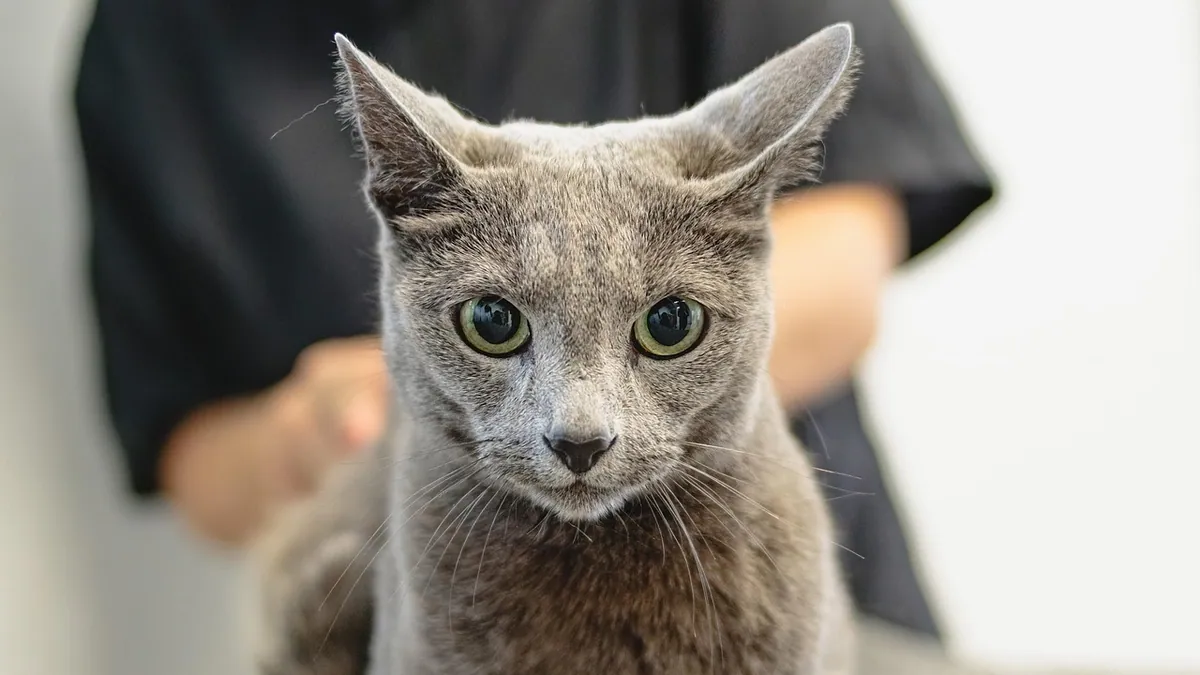
Apple cider vinegar for cats ears is a popular home remedy, but it does not kill ear mites and it can sting and inflame already irritated ear tissue. Ear mites need a real anti-parasitic medication, and your veterinarian has several safe, effective options that clear the infestation quickly. This article is educational and is not a substitute for veterinary diagnosis or treatment.
Quick Answer
- Apple cider vinegar does not treat ear mites. No evidence supports it as a mite killer, and it cannot reach mites living deep in the ear canal.
- Ear mites (Otodectes cynotis) are a common cause of feline ear disease. In one study of owned cats, mites were found in 6% of the cats examined [1].
- Vinegar is acidic and can burn or irritate the ear canal, especially when the skin is already red, swollen, or scratched raw.
- Safe, vet-approved treatments exist. A single oral dose of lotilaner reduced live mites by 99.6% in experimentally infested cats [2].
- If your cat is scratching, shaking its head, or has dark debris in the ears, see your veterinarian for a proper diagnosis before trying anything at home.
Why Apple Cider Vinegar Does Not Work for Ear Mites
Ear mites are tiny eight-legged parasites that live on the surface of the ear canal and feed on skin debris and wax. They are contagious and cause intense itching, head shaking, and a characteristic dark, crumbly discharge that often looks like coffee grounds [3].
Apple cider vinegar is roughly 5% acetic acid. It can make the ear canal more acidic for a short time, and some people believe this discourages mites or yeast. That belief does not hold up. Vinegar does not penetrate the wax and debris where mites hide, it does not kill mite eggs, and it has no lasting effect on the mite life cycle. Even if a mite touches vinegar, there is no evidence it dies.
There is also a real risk of harm. The ear canal lining is thin and sensitive. When mites are present, that lining is already inflamed and scratched. Putting acid on damaged tissue causes pain and can worsen swelling. If the eardrum is torn, which happens in some ear infections, liquid poured into the ear can reach the middle ear and cause serious problems.
What Actually Kills Ear Mites
Veterinarians treat ear mites with prescription anti-parasitic medications. These come in several forms, and your vet will pick based on your cat's age, weight, health, and how severe the infestation is.
A 2025 study evaluated a single oral dose of lotilaner in cats with confirmed ear mite infestations. The treated cats received 7.0 to 11.8 mg per kg of body weight, and the treatment produced a 99.6% reduction in live mites [2]. That is the kind of result a home remedy cannot match.
Other common prescription approaches include topical spot-on products, ear drops designed to kill mites, and injectable medications. Some products also treat other parasites at the same time. Your veterinarian calculates the exact dose from your cat's weight and health status, so never guess at a dose or split a product meant for a dog.
If your cat has ear mites, every cat in the household usually needs treatment, because mites spread easily between cats. Your vet can advise you on that.
For a broader look at how infestations are diagnosed and cleared, see Ear Mites Cats.
Step-by-Step: What to Do When You Suspect Ear Mites
Step 1: Look, but do not dig
Check the outer ear only. You may see dark, granular debris, redness, or scratch marks. Do not push cotton swabs or anything else into the canal. You can injure the eardrum or pack debris deeper.
Step 2: Note the signs
Write down what you see and when it started. Head shaking, ear scratching, rubbing the head on furniture, and a waxy brown discharge are the classic signs [3]. Some cats have mites with no signs at all, which is one reason home diagnosis is unreliable [1].
Step 3: Call your veterinarian
Book a visit. Your vet will look inside the ear with an otoscope and may take a sample of debris to examine under a microscope. This confirms mites and rules out bacteria, yeast, allergies, or other causes of ear disease.
Step 4: Treat exactly as prescribed
Give the medication on the schedule your vet sets. Do not stop early because your cat seems better. Mite eggs and immature stages can survive a partial treatment, and the infestation comes back.
Step 5: Treat the household
Ask your vet whether other pets need treatment. Mites are highly contagious [2], so untreated cats can reinfect the treated one.
Step 6: Clean only as directed
Your vet may recommend a gentle ear cleaner to remove debris. Use only what they recommend, and follow their instructions. Never use vinegar, alcohol, hydrogen peroxide, or essential oils unless your vet specifically tells you to.
Step 7: Recheck if signs persist
If scratching continues after treatment, call your vet. Some cats need a second treatment or a different product.
Treatment Comparison: Home Remedies vs. Veterinary Care
| Approach | Kills mites? | Main risk | Best use |
|---|---|---|---|
| Apple cider vinegar | No | Pain, irritation, damage if eardrum is torn | None for ear mites |
| Olive oil or mineral oil | No, smothers some surface mites at best | Messy, can trap debris, no effect on eggs | Not recommended as a cure |
| Over-the-counter ear drops | Varies, many do not treat mites | Wrong product delays real treatment | Only if labeled for mites and cleared by your vet |
| Prescription anti-parasitic (oral, topical, or injectable) | Yes | Needs correct dose and diagnosis | First-line treatment |
| Professional ear cleaning | No, but removes debris | Rare, done by trained staff | Supportive care alongside medication |
If you are considering a home approach, read Cat Ear Mites Home Remedy first so you understand what is safe and what is not.
Signs That Something Is Wrong
Ear mites are not the only cause of ear trouble. In a study of owned cats in Northern Italy, 17% had otitis externa, and cytology was abnormal in 19% of cats. Mites were found in 6%, while 15% had problematic numbers of bacteria or yeast [1]. That means itching and discharge often come from something other than mites.
Watch for these signs:
- Frequent head shaking or pawing at one or both ears
- Dark brown or black crumbly debris in the ear canal
- Redness, swelling, or a bad smell
- Scabs or hair loss around the ears from scratching
- Tilting the head to one side
- Crying out when the ear is touched
- Balance problems, circling, or walking oddly
Some cats with mites show no signs at all, including indoor-only cats [1]. That is why a veterinary exam matters even when symptoms seem mild.
Common Mistakes Owners Make
Pouring vinegar or other home liquids into the ear
This is the most common and most harmful mistake. Acidic or alcohol-based liquids cause pain and can damage tissue. If the eardrum is not intact, the liquid can reach the middle ear.
Assuming every ear problem is mites
Bacteria, yeast, allergies, and immune-mediated conditions all cause ear disease in cats. One rare condition, proliferative and necrotising otitis externa, causes severe ear inflammation and needs specific treatment, sometimes with medications like oclacitinib [4][5]. Vinegar will not help any of these.
Using a dog product on a cat
Many dog ear medications contain ingredients that are toxic to cats. Never share ear products between species unless your veterinarian says it is safe.
Stopping treatment too soon
Mite eggs hatch after the first dose in many cases. A single dose may not clear everything, so follow the full plan your vet gives you.
Skipping the other pets
Mites spread between cats easily [2]. If you treat one cat and not the others, the problem returns.
Cleaning too aggressively
Over-cleaning irritates the canal and can push debris deeper. Let your vet guide how often and how to clean.
Supplies and Setup That Matter
You do not need much, but the right items help.
- A good light. A bright lamp or phone flashlight helps you see the outer ear without poking inside.
- Cotton balls, not swabs. Use these only on the outer folds, and only if your vet approves.
- A vet-recommended ear cleaner. Use it exactly as directed, and warm it in your hand first.
- A calendar or phone reminder. Mite treatment depends on timing. Missing a dose lets the infestation rebound.
- A way to track signs. Note scratching, head shaking, and discharge each day so you can tell your vet whether treatment is working.
- A carrier your cat tolerates. Ear exams and rechecks go better when the trip is calm.
If your cat scratches its ears constantly, Cat Ear Scratching Mites explains how this behavior links to mites and other causes.
Limitations and When to Contact a Veterinarian
No home remedy can replace an exam, and every cat needs an individual treatment plan from a veterinarian. Ear mites look like several other conditions, and only a vet can tell them apart.
Contact your veterinarian the same day if:
- Your cat is in obvious pain when the ear is touched
- There is pus, bleeding, or a foul smell
- One ear is much hotter or more swollen than the other
- Your cat stops eating or seems depressed
Go to an emergency clinic right away if:
- Your cat tilts its head severely, circles, or falls over
- You see rapid eye movements or your cat seems disoriented
- Your cat cannot stand or walk normally
- Your cat is vomiting along with ear signs
Book a routine visit if:
- You see dark debris but your cat seems comfortable
- Your cat shakes its head now and then
- Another cat in the home has been diagnosed with mites
- You tried a home remedy and signs have not improved within a few days
Frequently Asked Questions
Does apple cider vinegar kill ear mites on cats?
No. Apple cider vinegar does not kill ear mites or their eggs, and it cannot reach mites living deep in the ear canal. It also stings inflamed tissue, so it can make your cat more uncomfortable.
Can I use diluted apple cider vinegar to clean my cat's ears?
Veterinarians do not recommend it. The ear canal lining is delicate, and acid on irritated skin causes pain. Use a cleaner your veterinarian approves, and only clean as often as they advise.
How do I know if my cat has ear mites or just dirty ears?
You cannot tell reliably at home. Mites cause dark, crumbly debris and intense itching, but bacteria, yeast, and allergies look similar [1]. Your vet can confirm mites by examining a sample under a microscope.
How long does ear mite treatment take to work?
It depends on the product. In one study, a single oral dose of lotilaner cut live mites by 99.6% by the end of the study period [2]. Your vet will tell you what to expect and when to recheck.
Can my other pets catch ear mites from my cat?
Yes. Ear mites are highly contagious among pets [2]. Ask your veterinarian whether every cat in the home needs treatment at the same time, because untreated pets can pass mites back to a treated cat.
Related Articles
- Ear Mite Treatment For Cats
- Cat Ear Mites Home Remedy
- Ear Mites Cats
- Cat Ear Scratching Mites
- Dog Ear Infection Home Remedy Vinegar
- Home Remedy For Dog Ear Infection Vinegar
- Apple Cider Vinegar for Cats: Fleas, Skin, and Coat Claims
- Hydrogen Peroxide for Cat Ears: Safe or Dangerous?
- Apple Cider Vinegar for Cats and Dogs: Safe Uses and Risks
References
- Prevalence of Otitis Externa in a Population of Owned Cats in Northern Italy. Animals : an open access journal from MDPI, 2026.
- Efficacy evaluation of lotilaner (Credelio™) in experimentally induced Otodectes cynotis infestations in cats. Parasites & vectors, 2025.
- Insights into the prevalence and diagnosis of feline otoacariasis in Egypt. Journal of parasitic diseases : official organ of the Indian Society for Parasitology, 2025.
- Oclacitinib therapy in two cats with refractory proliferative and necrotising otitis externa. Veterinary dermatology, 2024.
- Proliferative Necrotising Otitis Externa in a Cat Treated Successfully With Oclacitinib Maleate With Two Delayed Relapses. Veterinary medicine and science, 2025.