Apple Cider Vinegar for Cats: Dosage, Safety, and Risks
By Dr. Zubair Khalid, DVM, MS, PhD ·
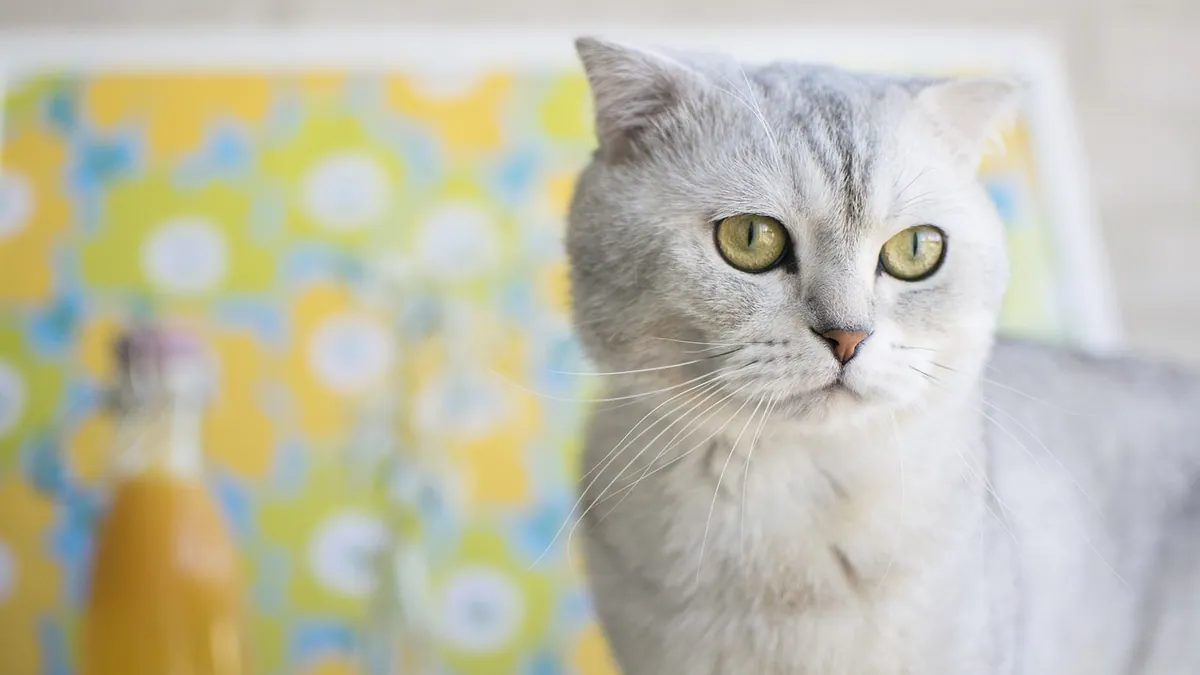
There is no safe apple cider vinegar for cats dosage. Apple cider vinegar is acidic enough to irritate a cat's mouth, throat, and stomach, and it has no proven role in treating any feline disease. If you have been searching for an apple cider vinegar for cats dosage per day, the honest answer is that no such dose exists.
This article is educational and is not a substitute for veterinary diagnosis or treatment.
Quick Answer
- No safe or effective dose of apple cider vinegar for cats has been established. Skip it entirely.
- Cats have unique metabolic sensitivities that make them more vulnerable to many chemicals and compounds than people or dogs [1].
- ACV is roughly 5% acetic acid. That acid can burn the mouth, esophagus, and stomach lining and upset the normal gut environment.
- Never put apple cider vinegar in your cat's water bowl, food, ears, eyes, or on the skin.
- If your cat licked or drank ACV, call your veterinarian or a pet poison hotline right away. Do not wait for symptoms.
What Is Apple Cider Vinegar and Why Do People Give It to Cats?
Apple cider vinegar is fermented apple juice. The main active ingredient is acetic acid, usually around 5% by volume in household bottles. It also contains water, trace minerals, and small amounts of other acids.
People use it at home for cooking, cleaning, and various folk remedies. Some owners have tried it on cats for:
- Hairballs
- Urinary tract problems
- Fleas and itchy skin
- Ear infections
- Tear staining
- Bad breath
- Digestive upset
None of these uses are supported by veterinary evidence. There is no approved veterinary product that contains apple cider vinegar for cats, and no regulatory body has cleared it for any feline condition.
How Does Apple Cider Vinegar Affect a Cat?
Acetic acid is corrosive in concentrated form. Even diluted, it lowers the pH of whatever it touches. A cat's mouth, esophagus, and stomach are lined with delicate tissue that does not tolerate acid well.
When a cat swallows ACV, several things can happen:
- The acid contacts the tongue, gums, and throat and causes pain and inflammation.
- It reaches the stomach and can trigger nausea, drooling, and vomiting.
- It shifts the normal acid balance in the gut, which can lead to diarrhea or appetite loss.
Cats are also poor at metabolizing many foreign compounds. Research on feline toxicity modeling shows that cats have distinct metabolic sensitivities and can react badly to substances that are tolerated by other species [1]. That is one reason you should never assume a home remedy that is safe for a person is safe for your cat.
On the skin, ACV can dry out and irritate the coat and cause contact dermatitis. In the ears, it can damage the ear canal lining and worsen any infection. In the eyes, it can cause serious chemical injury.
Dosing Basics: Why There Is No ACV Dose for Cats
Who decides the dose?
For any real feline medication, your veterinarian calculates the dose from your cat's weight, age, kidney and liver function, other medications, and the specific condition being treated. That is how prescription drugs like prednisolone are handled, and you can read more about how steroid dosing works in Prednisolone for Cats: Feline Safe Steroid Dose and Autoimmune.
Apple cider vinegar does not fit that model. It is not a regulated drug, it has no established therapeutic dose in cats, and there is no safety margin data to work from. Any number you see online (a teaspoon, a few drops, a capful) is a guess, not a dose.
How would it be given?
People typically try ACV by mouth, mixed into food or water, or applied to the skin or ears. Each route has problems:
- In water: your cat may drink less, which is dangerous. Cats dehydrate quickly, and reduced water intake can worsen kidney and urinary problems.
- In food: it can make food unpalatable and cause your cat to refuse meals. A cat that stops eating for even a day or two is at risk for serious liver problems.
- On skin or ears: it burns and dries tissue and can introduce infection if the skin barrier is broken.
What about a missed dose?
There is no missed dose to manage because there is no dose to give. If you have been giving ACV and want to stop, simply stop. Then watch your cat for a day or two for drooling, vomiting, diarrhea, or refusal to eat.
Side Effects of Apple Cider Vinegar in Cats
| Side effect | How common or serious | What to do |
|---|---|---|
| Drooling, lip smacking, pawing at the mouth | Common after oral exposure, painful | Rinse the mouth with water, offer fresh water, call your vet |
| Vomiting | Common, can be serious if repeated | Withhold food briefly, call your vet if it continues past one episode |
| Diarrhea | Common, can lead to dehydration | Offer water, call your vet if it lasts more than a day |
| Refusing food | Serious in cats | Call your vet the same day, cats cannot fast safely |
| Mouth or throat burns | Serious | Emergency visit |
| Skin redness, hair loss, itching | Common with topical use | Wash the area with plain water, stop using ACV, call your vet |
| Eye redness, squinting, discharge | Serious | Flush with saline and go to a vet immediately |
| Ear pain, head shaking, odor | Serious | Do not flush the ear, see a vet |
Some reactions to irritants can be delayed. In cats treated with certain topical medications, a distinct toxicity syndrome has been described that includes persistent squinting, ocular discharge, redness, and swelling of the conjunctiva [2]. That pattern shows how sensitive feline eyes are to what touches them. If your cat's eyes look irritated after any home remedy, treat it as urgent.
Who Should Not Receive Apple Cider Vinegar
Every cat should avoid apple cider vinegar. Certain cats face higher risk:
- Kittens, whose tissues are smaller and more easily injured
- Senior cats, who often have kidney or thyroid disease
- Cats with kidney disease, because acid load and reduced water intake can worsen their condition
- Cats with heart disease, diabetes, or any chronic illness
- Cats with mouth ulcers, dental disease, or recent oral surgery
- Cats with skin wounds, hot spots, or ear infections
- Cats taking any prescription medication
Drug interactions
There is no reliable list of ACV drug interactions in cats because the product has not been studied for that purpose. What we do know is that acid can change how some drugs are absorbed, and it can worsen stomach irritation caused by other medications. If your cat takes anything by mouth, do not add ACV.
If you are managing a cat with a chronic condition, focus on proven care. For example, if your cat has diabetes, treat choices matter, and you can review safe options in Safe Treats For Diabetic Cats. If fleas are the problem, use a product cleared for cats, as described in Cat Flea Treatment Safe For Cats.
Overdose and When to Call for Help
There is no safe amount, so any swallowed or applied ACV counts as a potential exposure. The risk goes up with:
- Larger volumes
- Undiluted vinegar
- Repeated use over days
- Use in a kitten or a sick cat
Signs of a serious reaction include:
- Heavy drooling or foaming at the mouth
- Repeated vomiting or vomiting blood
- Pawing at the mouth or face
- Difficulty swallowing
- Refusing all food and water
- Weakness, wobbling, or collapse
- Squinting, swelling, or cloudiness in one or both eyes
Call your veterinarian or a pet poison hotline immediately if any of these occur. Have the bottle handy so you can read the concentration and estimate how much your cat took. Do not induce vomiting unless a veterinarian tells you to.
Limitations and When to Contact a Veterinarian
This article covers general information about apple cider vinegar and cats. It cannot tell you what is happening with your individual cat. Only a veterinarian who examines your cat can do that.
Call the same day if your cat:
- Drooled or vomited after ACV
- Has refused food for more than 12 to 24 hours
- Has diarrhea that has lasted more than a day
- Has red, irritated skin or an irritated ear canal
Go to an emergency clinic now if your cat:
- Is having trouble breathing or swallowing
- Has swelling around the face, lips, or throat
- Has a chemical burn in the mouth or eye
- Is weak, wobbly, or unresponsive
- Has repeated vomiting or vomiting with blood
Schedule a routine visit if:
- You have been using ACV and want a safe alternative for the original problem
- Your cat has ongoing itching, hairballs, urinary signs, or bad breath
- You want a real treatment plan instead of a home remedy
Frequently Asked Questions
Can I give my cat apple cider vinegar every day?
No. Daily use is not safe and offers no benefit. Repeated acid exposure can damage the mouth, throat, and stomach lining and can throw off your cat's appetite and digestion.
What should I do if my cat drank apple cider vinegar?
Call your veterinarian or a pet poison hotline right away, even if your cat seems fine. Offer fresh water, do not force your cat to eat, and do not try to make your cat vomit unless a professional tells you to.
Does apple cider vinegar help with hairballs or digestion in cats?
No. There is no evidence that ACV prevents hairballs or improves digestion in cats. Hairballs are often a sign of overgrooming, skin disease, or a gastrointestinal problem that needs a veterinary diagnosis.
Can I put apple cider vinegar on my cat's skin or ears?
No. It irritates skin and ear tissue and can make an existing infection worse. If your cat is itchy, has hair loss, or has dirty or painful ears, have a veterinarian look at the underlying cause.
What should I use instead of apple cider vinegar for my cat?
Ask your veterinarian what fits your cat's specific problem. Proven options exist for parasites, skin issues, and digestive complaints, and some nutritional supplements have been studied in cats. For example, yeast hydrolysate has been shown to raise serum IgG levels in healthy cats, though the effect varied with the amount given [3]. Your vet can match the right product to your cat's weight and health.
If you are considering any over-the-counter product for your cat, treat it the way you would treat a prescription. Check with your veterinarian first, especially if your cat takes other medications. You can see how this works for common human drugs in Can You Give Your Cat Benadryl? Dosage and Safety Guide and Can I Give My Cat Melatonin? Safety, Dosage, and When to Avoid It. The same caution applies to apple cider vinegar, with one difference: for ACV, the answer is a clear no.
Related Articles
- Can I Give My Cat Melatonin? Safety, Dosage, and When to Avoid It
- Can You Give Your Cat Benadryl? Dosage and Safety Guide
- Prednisolone for Cats: Feline Safe Steroid Dose and Autoimmune
- Cat Flea Treatment Safe For Cats
- Safe Treats For Diabetic Cats
- Cat Flea Treatment Safety
- Apple Cider Vinegar for Cats and Dogs: Safe Uses and Risks
- Apple Cider Vinegar for Cats: Fleas, Skin, and Coat Claims
- Apple Cider Vinegar for Cat UTIs and Bladder Stones
References
- Predictive q-RASAR modeling of intrinsic toxicity of pharmaceuticals and bioactive compounds in cats. Journal of hazardous materials, 2026.
- Frequency and Characterization of Local Ocular Toxicity in Cats Treated With Topical Ophthalmic Cidofovir for Presumptive Feline Herpesvirus-1 Infection. Veterinary ophthalmology, 2026.
- Effects of Dietary Supplementation with Yeast Hydrolysate on Immune Function, Fecal Short Chain Fatty Acids, and Intestinal Health in Cats. Veterinary sciences, 2025.