Flea Treatment For Cats
By Dr. Zubair Khalid, DVM, MS, PhD ·
Key Takeaways
- Fleas are a common external parasite in cats, causing pruritus, skin infections, allergic reactions (flea allergy dermatitis), and tapeworm transmission; the cat flea (Ctenocephalides felis) is the most prevalent species.
- Never administer dog flea treatments to cats, as permethrin, common in dog products, is highly toxic and potentially lethal to felines.
- Effective flea control requires a dual approach: treating the infested animal with veterinary-approved topical (e.g., fipronil, imidacloprid, selamectin) or oral medications (e.g., isoxazolines, lufenuron) and rigorous environmental decontamination.
- Environmental control involves daily vacuuming of all surfaces and hot water washing of pet bedding for at least three months, supplemented by household sprays or foggers containing insect growth regulators if necessary.
- Year-round flea prevention, recommended by major veterinary organizations, is crucial for breaking the flea life cycle and preventing reinfestation, with monthly topical or oral preventatives being standard.
- Veterinary consultation is essential for diagnosing flea allergy dermatitis, secondary skin infections, or when treating kittens, pregnant/nursing cats, or those with chronic illnesses, as well as for obtaining prescription medications.
Fleas are one of the most common external parasites affecting cats worldwide. Beyond causing intense itching and discomfort, these tiny insects can lead to skin infections, allergic reactions, and even transmit tapeworms. Effective flea treatment for cats involves a combination of addressing the infestation on the animal and controlling the environment. This article provides a clinical yet accessible overview of what every cat owner should know about diagnosing, treating, and preventing flea problems.
Quick Q&A: Common Questions
Question: Can I use dog flea treatment on my cat? Answer: No, never use dog flea products on cats. Many dog flea treatments contain permethrin, a chemical that is highly toxic to cats and can cause severe neurological symptoms or death. Always select a product specifically labelled for cats and consult your veterinarian for the safest option.
Understanding Flea Infestations in Cats
Fleas thrive in warm, humid environments and can be found indoors and outdoors. The cat flea (Ctenocephalides felis) is the most common species affecting domestic cats. Adult fleas live on the host, feeding on blood, while eggs, larvae, and pupae develop in the environment (carpets, bedding, furniture). A single female flea can lay up to 50 eggs per day, so infestations can escalate quickly.
Cats typically acquire fleas from other pets, infested environments, or outdoor exposure. Even indoor-only cats are at risk if fleas are brought inside on clothing, shoes, or other animals. The American Veterinary Medical Association (AVMA) and the American Animal Hospital Association (AAHA) emphasise that year-round preventive care is the most effective strategy for breaking the flea life cycle.
Signs Your Cat Has Fleas
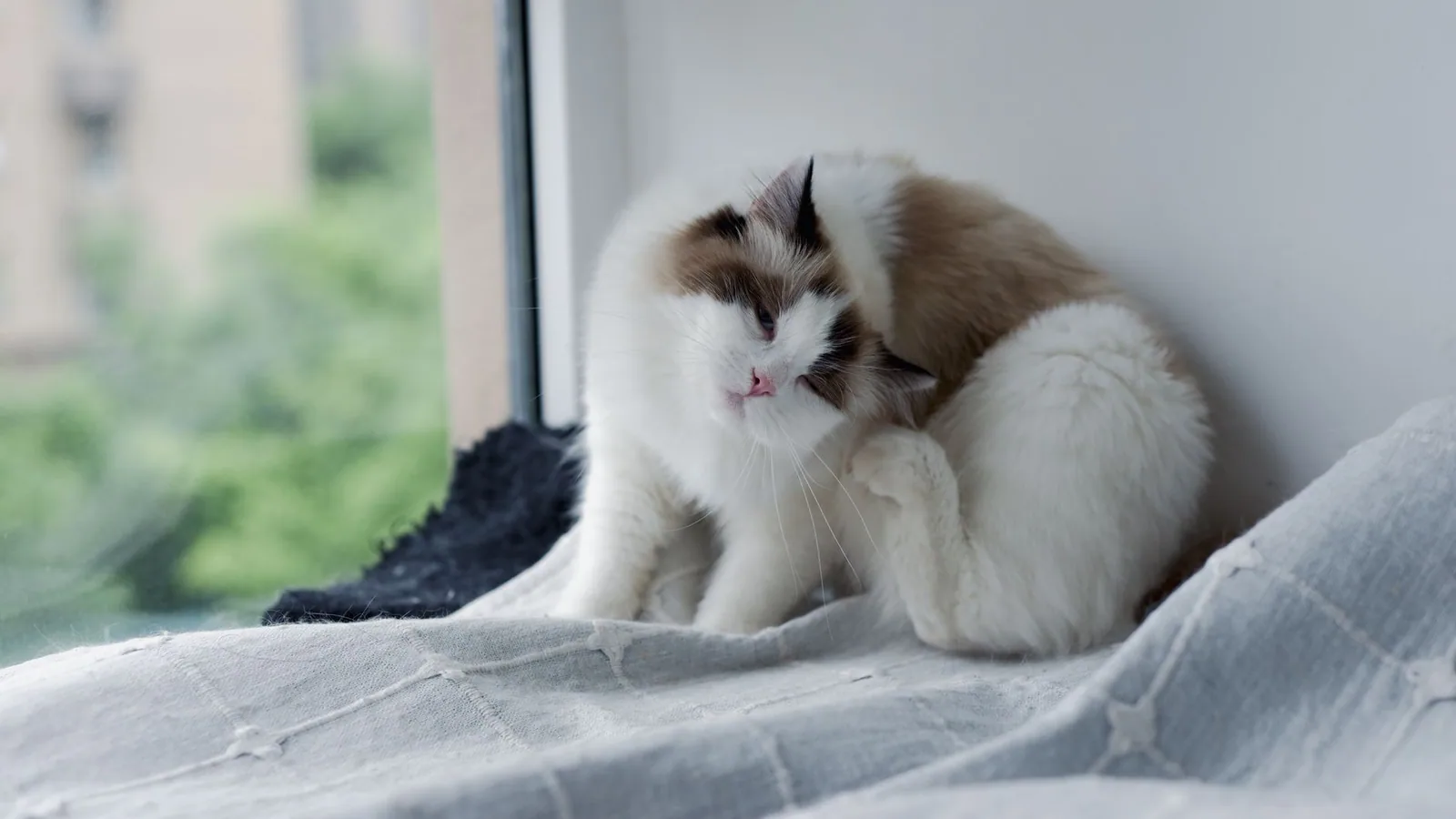
Common indicators include excessive scratching, grooming, or biting at the skin, especially around the tail base, neck, and thighs. You may notice flea dirt (small black specks resembling pepper) in the coat, which turns reddish when placed on a wet paper towel due to digested blood. Some cats develop flea allergy dermatitis (FAD), a hypersensitive reaction causing hair loss, scabs, and inflamed skin. Anemic kittens or debilitated cats may also show lethargy and pale gums.
Effective Flea Treatment Options
Topical Treatments
Topical (spot-on) products are applied directly to the skin between the shoulder blades. They typically contain active ingredients such as fipronil, imidacloprid, or selamectin. These kill adult fleas and often have residual activity for several weeks. Many also treat other parasites like ticks or ear mites. Products approved by the European Medicines Agency (EMA) or the Australian Veterinary Association (AVA) ensure safety and efficacy for cats.
Oral Medications
Oral flea treatments come as tablets or chewables. They work quickly, often starting to kill fleas within 30 minutes. Popular classes include isoxazolines (e.g., fluralaner, sarolaner) and insect growth regulators (e.g., lufenuron). Oral options are especially useful for cats with skin sensitivities or when rapid knockdown is needed. The Canadian Veterinary Medical Association (CVMA) notes that oral medications require a veterinary prescription and should be dosed by weight.
Flea Collars
Modern flea collars release low levels of insecticide over months. Seresto collars (containing imidacloprid and flumethrin) are a common choice and are generally well tolerated. However, collars may be less effective in multi-pet households or if the cat removes it. Always ensure the collar fits snugly and is specifically labelled for cats.
Home Care and Environmental Control
Treating the cat alone is rarely sufficient. Vacuum carpets, rugs, furniture, and pet bedding daily for at least two weeks. Dispose of vacuum bags immediately. Wash all bedding in hot water (above 60°C) to kill fleas and eggs. For severe infestations, consider using an environmental spray or fogger containing insect growth regulators (e.g., methoprene or pyriproxyfen) approved for household use. Do not use foggers designed for dogs; check the label for feline safety.
Outdoor areas where the cat rests can also be treated with pet-safe yard sprays, but this is usually unnecessary if indoor measures are thorough. The British Small Animal Veterinary Association (BSAVA) advises that environmental treatment should coincide with the cat’s flea treatment schedule for at least three months.
When to Visit the Veterinarian
Consult a vet if your cat shows signs of flea allergy dermatitis, skin infections, or if over-the-counter treatments are ineffective. A veterinarian can prescribe stronger products, rule out other causes of itching (e.g., mites, allergies), and provide supportive care such as anti-inflammatory medications or antibiotics for secondary infections. For kittens, pregnant or nursing cats, and those with chronic illnesses, professional guidance is essential because many flea products have age or weight restrictions.
Prevention and Long-Term Management
International consensus statements from the AVMA, AAHA, CVMA, AVA, and EMA all recommend year-round flea prevention for all cats, regardless of lifestyle. Monthly topical or oral preventatives are widely used. Keep your cat indoors during peak flea seasons if possible, and maintain regular grooming to monitor for early signs. If you have multiple pets, treat all of them simultaneously to prevent reinfestation.
Finally, always read product labels carefully and follow the dosing instructions. Store flea products out of reach of children and other animals. By combining veterinary-approved treatments with diligent home care, you can keep your cat flea-free and comfortable all year long.