Elbow Dysplasia in Cats: Symptoms and Care
By Dr. Zubair Khalid, DVM, MS, PhD ·
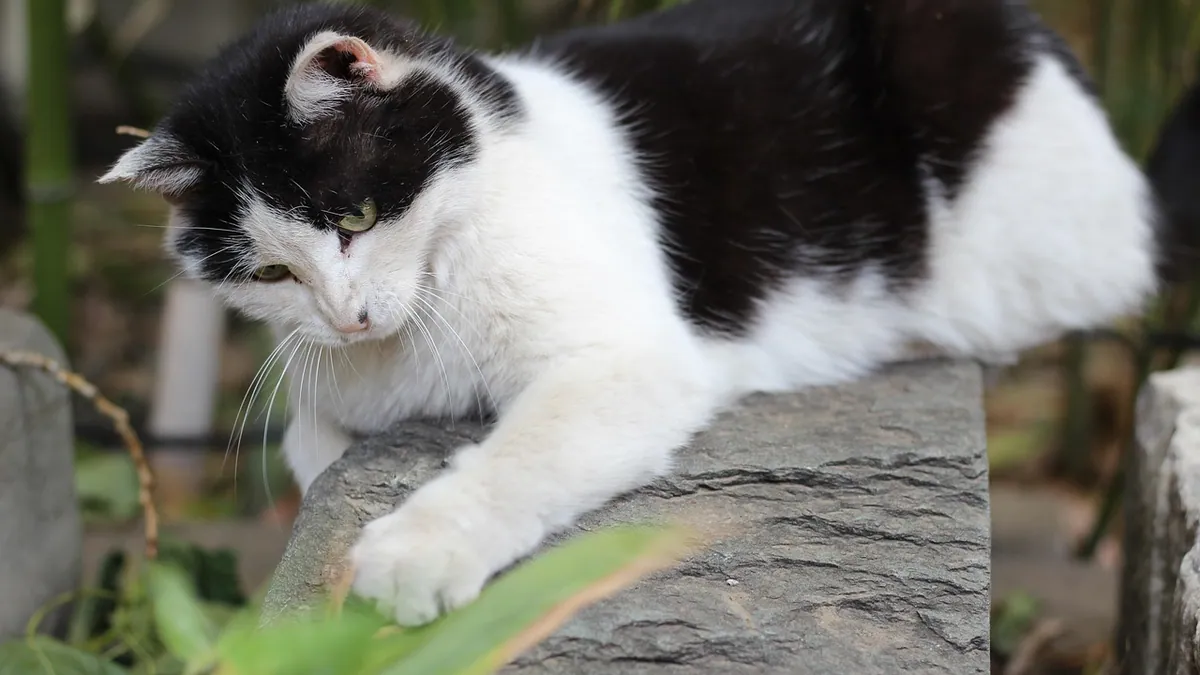
Elbow dysplasia in cats symptoms usually show up as a stiff or limping front leg, and the condition is far less common in cats than in dogs. It happens when the elbow joint develops abnormally, which leads to wear and tear, pain, and eventually arthritis. Because cats hide discomfort well, many owners miss the early signs.
This article is educational and is not a substitute for veterinary diagnosis or treatment.
Quick Answer
- Elbow dysplasia is a developmental joint problem that is well documented in dogs but rare in cats, and feline elbow disease often has different causes than the dog version [1].
- The most common sign owners notice is lameness or stiffness in a front leg, sometimes with a firm swelling near the elbow [2].
- Diagnosis usually starts with a hands-on orthopedic exam and X-rays, and may include ultrasound or CT for a clearer picture [2][1].
- Treatment ranges from weight control and joint care to surgery when a specific structural problem is found [3][2].
- Any cat that suddenly stops using a front leg, or that has a swollen hot joint with fever, needs to be seen right away [3].
What Elbow Dysplasia Means in Plain Words
The elbow is a hinge joint where three bones meet: the humerus (upper arm), the radius, and the ulna. In a healthy cat, these bones fit together smoothly and glide as the leg bends and straightens.
Dysplasia means abnormal development. In dogs, elbow dysplasia is a well-known group of four main problems: an ununited anconeal process, medial coronoid process disease, osteochondritis dissecans, and joint incongruity [1]. These are the classic causes of canine elbow dysplasia, and they are tied to growth and genetics in large breeds.
Cats are built differently. Feline elbow disease is uncommon, and when a cat has trouble with this joint, the cause is often something other than the classic dog pattern. In cats, veterinarians more often find problems such as a muscle contracture that limits how far the elbow can extend, or a benign bony growth near the joint [2][4]. That is the single biggest difference between elbow dysplasia in cats and elbow dysplasia in dogs: the dog disease is a well-defined developmental syndrome, while the cat version is a looser collection of joint and soft tissue problems that happen to affect the same hinge.
One term you may hear is osteoarthritis, also called degenerative joint disease or degenerative arthritis. This is the joint damage and inflammation that builds up over time, whatever started it. Hip dysplasia in cats, which is rare but more common in purebreds, follows the same logic: a poorly fitting joint eventually leads to osteoarthritis [3]. The elbow works the same way.
Elbow Dysplasia in Cats Symptoms: What You Will Actually See
Cats are masters at masking pain. A cat with a sore elbow may not cry or hold up a leg dramatically. Instead, you may notice small changes in how your cat moves and lives.
Early signs
- A slight limp or a stiff front leg, especially after rest
- Reluctance to jump onto counters or windowsills that used to be easy
- Shorter strides or a "bunny hop" when running
- Sitting differently, or shifting weight off one front leg
- Grumpiness when you touch or brush the affected leg
Signs that show up later
- Obvious limping on a front leg, which owners often describe as cat limping front leg elbow pain
- A firm, non-painful swelling on the outer or inner side of the elbow area [2]
- Reduced range of motion, meaning the leg does not fully straighten [2]
- Muscle wasting over the shoulder or upper arm on the sore side
- Less grooming, hiding, or sleeping more
A firm mass near the elbow is worth taking seriously. In one report, a cat with a firm swelling on the lower front leg turned out to have a benign bony growth called an osteochondroma, and years later that growth changed into a cancer called chondrosarcoma [4]. That is a single case, and such growths are rare, but it is a good reason to have any new lump examined and rechecked instead of watched indefinitely [4].
If your cat is limping and also showing other vague signs like weight loss, poor appetite, or increased thirst, those can point to a different problem entirely. It helps to read about Symptoms Of Kidney Disease In My Cat so you can tell joint pain apart from internal disease. Older cats with these signs may fit the pattern described in Symptoms Of Kidney Disease In Old Cats.
Elbow dysplasia in kittens
Because the classic dog form of elbow dysplasia is tied to growth, owners often ask about elbow dysplasia in kittens. In cats, true developmental elbow dysplasia is not well established in veterinary research, and reports of feline joint problems tend to involve young adults instead of young kittens. In one summary of a knee joint condition called osteochondrosis in cats, the average age at presentation was about 10.5 months, with a median of 7 months [5]. That tells you that developmental joint disease in cats, when it happens, tends to appear in the first year or so of life, not in the first few weeks.
If a kitten is limping, do not assume it will grow out of it. A young cat with a swollen or stiff joint should be examined.
Causes and Risk Factors
The causes of elbow problems in cats are not the same list you would find for dogs.
Muscle contracture. A contracture is a muscle that has tightened and shortened, so the joint cannot move through its full range. In a report of four cases in cats, a condition called brachialis muscle contracture caused limited elbow extension and a firm, non-painful mass on the outer front of the upper arm [2]. One of those cats also had contracture of the biceps muscle [2]. This is a rare problem, and the authors noted only one prior published report of the brachialis form [2].
Bone and cartilage growths. Osteochondromas are rare, usually benign bony growths in cats [4]. They can sit near a joint and cause lameness, and they have been reported inside a muscle as well [6]. In one cat, an intramuscular osteochondroma in the hind leg caused a progressive limp, and surgical removal led to a full return to normal activity with no recurrence three years later [6].
Developmental cartilage disease. Osteochondrosis is a problem with cartilage and bone development. A review of cats with this condition in the knee joint found it affected males more often than females (seven of ten cats were male) and that Maine Coons appeared more than once among the breeds involved [5]. Whether the same pattern holds for the elbow is not well established.
Osteoarthritis. Whatever the original trigger, damaged joint surfaces lead to osteoarthritis, which is the long-term source of most pain and stiffness [3].
Infection. Septic arthritis is joint infection, usually from bacteria that spread through the blood or enter through a wound or surgery [3]. This is a different disease from dysplasia, but it can look similar at first.
Weight and body condition. Extra body weight puts more load on every joint. In cats with hip dysplasia, weight reduction is one of the lifestyle changes that can reduce discomfort [3]. The same principle applies to a sore elbow.
How Veterinarians Diagnose Elbow Problems in Cats
Diagnosis starts with your cat's history and a physical exam. Your veterinarian will watch your cat walk, feel the elbow for swelling, heat, and pain, and check how far the joint bends and straightens.
Imaging
X-rays (radiography). X-rays are the usual first step. They can show arthritis, bone changes, and some growths. In dogs, radiography and CT are both commonly used to diagnose elbow dysplasia, and the two methods do not always agree on every detail [1].
Ultrasound. Ultrasound is useful for soft tissue. In the muscle contracture cases, ultrasound showed abnormal, brighter-than-normal muscle tissue [2].
CT. CT gives a detailed three-dimensional view of bone and joint structure. It is a standard tool in canine elbow dysplasia and can help when X-rays are unclear [1].
Joint fluid and lab work
If infection is a concern, your veterinarian may draw fluid from the joint and send it for laboratory testing. Joint fluid testing can confirm septic arthritis and help identify the cause, and blood tests may also be needed [3]. Signs that raise suspicion for infection include lameness, swelling, pain in the joint, fever, listlessness, loss of appetite, and stiffness [3].
Biopsy
If a firm mass is found, a small tissue sample (biopsy) may be recommended. In the reported cases, biopsy and histopathology were what confirmed the actual diagnosis, including one growth that turned out to be a soft tissue sarcoma instead of a simple contracture [2].
| Test | What it looks for | When it is used |
|---|---|---|
| Physical and orthopedic exam | Swelling, pain, reduced motion | Always, first step |
| X-rays | Arthritis, bone changes, growths | Usually first imaging choice [1] |
| Ultrasound | Muscle and soft tissue changes | When soft tissue is suspected [2] |
| CT | Detailed bone and joint structure | When X-rays are unclear [1] |
| Joint fluid analysis | Infection and inflammation | If septic arthritis is possible [3] |
| Biopsy | Exact tissue diagnosis of a mass | When a lump is found [2][4] |
Treatment Options for Elbow Dysplasia in Cats
Treatment depends on what is actually wrong with the joint. There is no single protocol, and your veterinarian will set the plan for your cat.
Weight control and joint care
This is the foundation for almost every cat with elbow pain. Weight reduction can reduce discomfort in cats with joint disease [3]. Your veterinarian will tell you your cat's ideal weight and how many calories per day to feed. Do not guess, and do not free-feed if your cat is overweight.
Joint care also means:
- Soft, warm bedding away from drafts
- Ramps or steps to favorite spots so your cat does not have to jump
- Litter boxes with low sides
- Nonslip rugs on slick floors
- Gentle, regular play to keep muscles working
Pain medication
Pain control is prescribed by your veterinarian, who calculates the dose from your cat's weight and health. Never give a cat human pain relievers. Many common human medications are toxic to cats, and the margin for error is small.
Surgery
When a specific structural problem is found, surgery can be curative. In the reported muscle contracture cases, all cats were treated with surgical removal of the affected muscle, and this restored full elbow motion and permanently resolved the lameness in the cases caused by fibrotic muscle contracture [2]. In the cat with an intramuscular osteochondroma, the mass was removed and the cat returned to normal activity and remained healthy three years later with no recurrence [6].
Surgery is not right for every cat. Your veterinarian will weigh your cat's age, overall health, the exact diagnosis, and your goals for care.
Other supportive care
Some cats benefit from physical rehabilitation, controlled exercise, and environmental changes. Ask your veterinarian what is appropriate for your cat's specific joint problem.
Recovery, Outlook, and Long-Term Management
The outlook depends on the cause. A cat with a removable soft tissue problem may return to full function, as the surgical cases showed [2][6]. A cat with established osteoarthritis will likely need lifelong management, because osteoarthritis is a progressive condition [3].
Long-term care usually means:
- Regular weigh-ins, at home or at the clinic, so you catch weight gain early
- Recheck exams, often every few months at first
- Adjusting the home to reduce jumping and slipping
- Watching for new signs, such as limping that shifts to a different leg or gets worse
Cats with chronic joint pain often change their behavior before they change their walk. If your cat is hiding more, grooming less, or sleeping in new places, that can be pain. The guide Cat Arthritis: How to Tell If Your Cat Is in Pain walks through the subtle clues. If your cat also has head shaking or ear discomfort, those signs have their own causes, covered in Symptoms Of Ear Mites In Cats and Ear Polyps in Cats: Signs, Diagnosis, Surgery, and Recurrence.
Prevention
You cannot prevent every joint problem in cats, but you can lower the load on the joints.
- Keep your cat at a healthy weight from kittenhood onward. Weight reduction helps reduce discomfort in cats with joint disease [3].
- Feed a complete, balanced diet made for cats, and measure portions instead of free-feeding.
- Encourage daily movement with short play sessions.
- Provide ramps, steps, and soft landing spots.
- Have new lumps or limps checked early. A firm mass near a joint should be examined and rechecked, because one reported cat's benign growth later became malignant [4].
- Schedule routine exams, especially for purebred cats, since some joint conditions appear more often in certain breeds [3][5].
Limitations and When to Contact a Veterinarian
This article cannot tell you what is wrong with your cat. Individual cases need a veterinarian who can examine your cat, see the imaging, and set a treatment plan.
Contact an emergency clinic now if your cat:
- Suddenly cannot bear weight on a leg at all
- Has a leg that looks deformed or is dangling
- Has an open wound near the joint
- Is crying out, panting, or unable to settle
- Has a swollen joint along with fever, listlessness, or no appetite, which can point to joint infection [3]
Call for a same-day appointment if your cat:
- Has a new limp that started suddenly
- Has a firm lump near the elbow or any joint [4]
- Is limping and not eating or drinking normally
- Has a joint that feels hot to the touch
Schedule a routine visit if your cat:
- Has a mild limp that comes and goes
- Is jumping less or seems stiff after rest
- Has been slowly gaining weight
- Has a known joint problem and seems to be getting worse
Frequently Asked Questions
Is elbow dysplasia common in cats?
No, it is rare. The classic developmental form of elbow dysplasia is a dog disease, and cats are affected far less often [1]. When cats do have elbow problems, the cause is often different from the dog pattern, such as a muscle contracture or a bony growth [2][4].
Can elbow dysplasia in cats be cured?
It depends on the cause. When the problem is a removable soft tissue or bony mass, surgery can restore normal motion and resolve the lameness [2][6]. When the joint already has osteoarthritis, the condition is managed long term instead of cured [3].
Will my cat need surgery?
Not necessarily. Many cats are managed with weight control, home changes, and pain medication prescribed by a veterinarian [3]. Surgery is considered when imaging or biopsy finds a specific structural problem that can be corrected [2][6].
Can I give my cat human pain relievers for a sore elbow?
No. Never give a cat human pain medication. Cats process these drugs differently than people and dogs, and some are toxic. Your veterinarian will choose a cat-safe option and calculate the dose from your cat's weight and health.
Does my cat's weight really matter for elbow pain?
Yes. Extra weight increases the load on every joint, and weight reduction is one of the lifestyle changes that can reduce discomfort in cats with joint disease [3]. Ask your veterinarian for a target weight and a measured feeding plan.
Related Articles
- Symptoms Of Ear Mites In Cats
- Symptoms Of Kidney Disease In My Cat
- Ear Polyps in Cats: Signs, Diagnosis, Surgery, and Recurrence
- Symptoms Of Kidney Disease In Old Cats
- Cat Arthritis: How to Tell If Your Cat Is in Pain
- Signs Of Kidney Disease In Old Cats
- Hip Dysplasia in Cats: Symptoms, X-rays, and Treatment Options
- Cat Lump on Arm or Elbow: Causes and When to Worry
- Back Pain in Cats: Symptoms, Causes, and Treatment
References
- Frequency and Coexistence of Ununited Anconeal Process with Other Primary Elbow Dysplasia in Dogs. Life (Basel, Switzerland), 2026.
- Brachialis muscle contracture as a cause of lameness in cats: A study of four cases. Australian veterinary journal, 2026.
- Joint Disorders in Cats - Cat Owners. Merck Veterinary Manual.
- Malignant transformation of a solitary osteochondroma to chondrosarcoma in a cat. Australian veterinary journal, 2026.
- Osteochondrosis in the feline stifle: a case series and literature review. Journal of feline medicine and surgery, 2025.
- Lameness caused by intramuscular osteochondroma in semimembranosus muscle in a male cat. JFMS open reports, 2026.