Hydrocephalus in Cats: Life Expectancy and Prognosis
By Dr. Zubair Khalid, DVM, MS, PhD ·
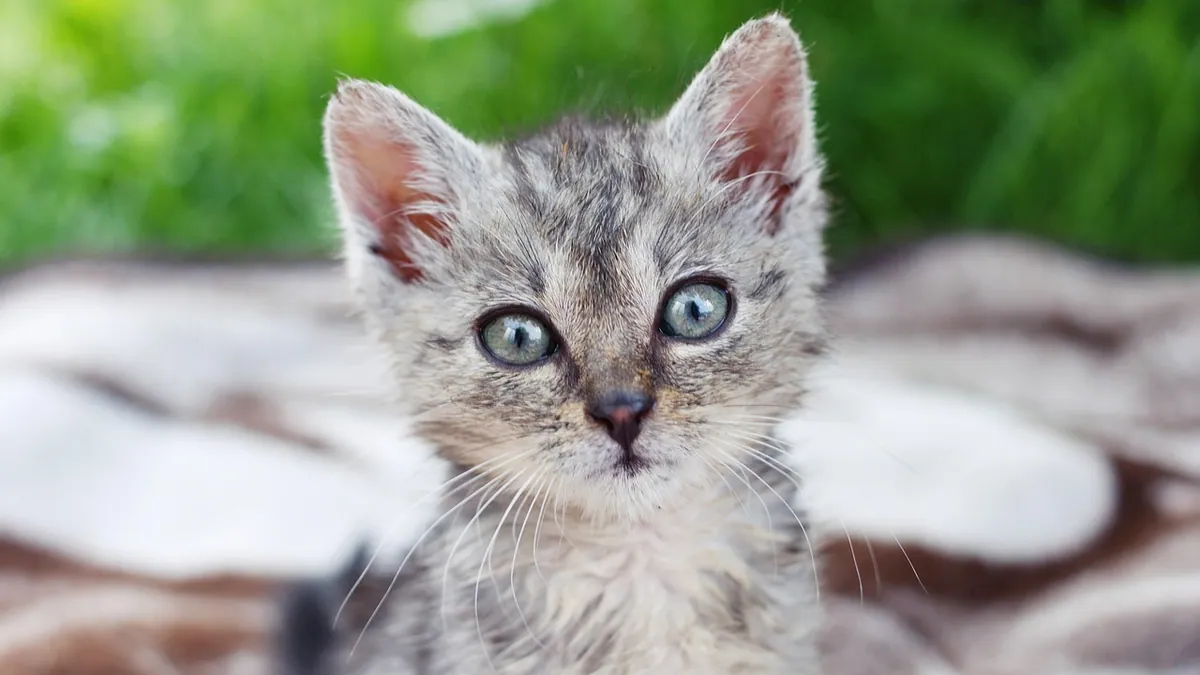
Hydrocephalus in cats life expectancy depends mostly on the cause and how early treatment starts. Kittens born with severe hydrocephalus may live only weeks to months, while cats with mild congenital disease or acquired hydrocephalus that responds to treatment can live for years. This article is educational and is not a substitute for veterinary diagnosis or treatment.
Quick Answer
- Congenital hydrocephalus (present at birth) has the widest range. Mild cases can live years with management, severe cases may survive only weeks to months.
- Acquired hydrocephalus (developing later from infection, injury, or a mass) depends on whether the underlying cause can be treated.
- Cats with untreated, rapidly progressive hydrocephalus often do not survive past a few months.
- Shunt surgery and medication can extend survival and improve comfort, but not every cat is a candidate.
- Quality of life matters as much as length of life. Your veterinarian can help you judge both.
What Hydrocephalus Means in Plain Words
Hydrocephalus is a buildup of cerebrospinal fluid (CSF) inside the spaces of the brain called ventricles. CSF normally cushions the brain and spinal cord, then drains away. When the flow or drainage is blocked, fluid accumulates and pressure rises inside the skull.
That pressure presses on brain tissue. In a young kitten whose skull bones have not fully fused, the head may visibly enlarge. In an adult cat with a closed skull, the brain is compressed instead, so you see neurological signs without a big head.
Veterinarians divide hydrocephalus into two broad groups:
- Congenital: the cat is born with it, often because of a malformation in how CSF drains.
- Obstructive or acquired: something blocks the flow later in life, such as a mass, bleed, or scar tissue.
One report described a 2-year-old cat with a chronic subdural hematoma and a bone abnormality that compressed the cerebellum and brainstem and caused obstructive hydrocephalus [1]. That is an example of acquired disease in a young adult, not a kitten.
Signs Owners Notice First
Signs vary with age and how fast pressure builds.
In kittens:
- A dome-shaped or unusually wide head
- Open soft spots on the skull
- Poor growth compared with littermates
- Wobbly walking, falling, or circling
- Head pressing or staring at walls
- Difficulty eating or nursing
- Seizures
- Behavior changes, including dullness or unusual crying
In adult cats:
- Unsteady gait or a wide-stance walk
- Head tilt or head shaking
- Neck or spinal pain
- Lethargy and reduced interaction
- Vision problems
- Seizures
- Progressive weakness
The 2-year-old cat in the case report showed cautious walking, head shaking, and lethargy for about a month before diagnosis [1]. Those are the kinds of subtle changes owners often notice first in adult cats.
Causes and Risk Factors
Congenital causes. Most congenital cases come from malformations that block CSF drainage. Some are linked to other birth defects. A study of skin lesions on the top of the head in young cats found meningothelial proliferative disease that appeared to be congenital, arising from misplaced tissue during fetal development [2]. That finding supports the idea that some developmental abnormalities in this region start before birth.
Acquired causes. Anything that blocks CSF flow or raises pressure can cause hydrocephalus:
- Bleeding into or around the brain
- Tumors or cysts
- Infections, including feline infectious peritonitis (FIP)
- Head trauma
- Scar tissue after inflammation
A 2025 case series followed four cats treated for neurologic FIP and re-examined them 13 to 15 months later. Three of the four returned with vestibular signs, and imaging showed progressive hydrocephalus as a long-term consequence of the disease [3]. This is important for owners of FIP survivors: recovery from the infection does not always mean the brain is unaffected long term.
Breed and age. Congenital hydrocephalus is most often diagnosed in kittens. Acquired cases can appear at any age, including young adults and seniors.
How Veterinarians Diagnose It
Diagnosis starts with a full neurological exam. Your veterinarian checks gait, posture, cranial nerves, and reflexes to locate where the problem is.
Imaging. MRI is the preferred test because it shows the ventricles, brain tissue, and any mass or fluid pocket. CT can also help, especially for bone abnormalities. In the 2-year-old cat, MRI and CT together revealed thickened occipital bone, a chronic subdural hematoma, and obstructive hydrocephalus [1].
CSF analysis. A sample of spinal fluid can rule out infection or inflammation. In the FIP follow-up cases, CSF analysis and testing were part of the workup [3].
Other tests. Blood work, infectious disease testing, and sometimes genetic evaluation help identify the underlying cause.
Why the cause matters. Treatment and outlook differ a lot between a kitten with a congenital malformation and an adult cat with hydrocephalus from a tumor or infection. Diagnosis is not just about naming the condition, it is about finding what is driving it.
Treatment Options
There is no single treatment that fits every cat. Your veterinarian will tailor a plan to the cause, the cat's age, and the severity of signs.
Medical Management
Medications can reduce CSF production or decrease swelling. Corticosteroids are commonly used to lower inflammation around the brain. Diuretics may help in some cases. Your veterinarian calculates every dose from your cat's weight and health status, so never use a medication left over from another pet.
Medical management often controls signs for a while but does not fix a physical blockage. It is most useful for mild cases or as a bridge to other treatment.
Surgical Options
- Shunt placement. A tube diverts CSF from the brain to the abdomen, where it is absorbed. This is the most common surgical fix.
- Craniectomy. Removing part of the skull can change pressure gradients. A 2026 study in anesthetized cats found that after craniectomy, CSF pressure differences between the brain and spine changed significantly with body position [4]. This research helps explain why head position matters after skull surgery, but it does not by itself prove a survival benefit.
- Treating the underlying cause. If a mass, infection, or bleed is the cause, addressing it may relieve the hydrocephalus.
Surgery carries real risks, especially in very young or very weak kittens. Your veterinarian will assess whether your cat is strong enough to recover. If your cat is older, the same principles that apply to Surgical Risk Stratification in Geriatric Dogs and Cats can help you understand how age and other conditions affect anesthesia and recovery.
Supportive Care
- Soft bedding and padded surfaces to prevent injury during falls
- Hand-feeding or elevated bowls if swallowing is hard
- Keeping the environment calm and predictable
- Seizure monitoring and medication if needed
- Regular weigh-ins to track growth or loss
Hydrocephalus in Cats Prognosis: What Changes the Timeline
This is the section most owners want. Here is a realistic breakdown.
| Situation | Typical Outlook |
|---|---|
| Severe congenital hydrocephalus, untreated | Weeks to a few months |
| Mild congenital hydrocephalus, managed medically | Months to years, sometimes near-normal lifespan |
| Congenital hydrocephalus treated with a shunt | Often years, depending on complications |
| Acquired hydrocephalus from a treatable cause | Depends on the cause, can be months to years |
| Acquired hydrocephalus from progressive disease | Often months, sometimes less |
| Hydrocephalus after neurologic FIP | Can progress even after infection is treated [3] |
Several factors shift the timeline:
Speed of progression. Slow-building pressure gives the brain time to adapt. Rapid buildup is more dangerous.
Age at diagnosis. Kittens with severe disease and open skulls may deteriorate quickly. Adult cats with mild acquired disease may stay stable for a long time.
Response to treatment. If signs improve within days to weeks of starting medication or after surgery, the outlook is better.
Underlying cause. A blocked shunt that can be revised has a different outlook than a growing tumor.
Complications. Infections, shunt blockage, and seizures all shorten survival.
For context on how long cats generally live, see How Long Do Cats Live? Indoor, Outdoor and Senior Cat Lifespan Guide. Hydrocephalus can shorten that span, but many cats still enjoy a good quality of life for a meaningful period.
Recovery, Outlook, and Long-Term Management
If your cat has surgery, expect a hospital stay and a gradual return to normal activity. Some cats improve within days. Others need weeks. Your veterinarian will schedule follow-up imaging or exams to check shunt function and brain pressure.
Long-term care usually includes:
- Medication adjustments as your cat grows or signs change
- Neurological checkups every few months at first, then less often if stable
- Monitoring for shunt failure, which can cause sudden worsening
- Seizure management if seizures develop
- Weight and nutrition support, since some cats struggle to eat
Quality of life is the measure that matters most. A cat who eats, interacts, moves without distress, and sleeps comfortably is doing well, even with a serious diagnosis. A cat who cannot eat, cries constantly, or has uncontrolled seizures is suffering, and that is when you and your veterinarian should talk honestly about options.
If your cat stops eating or drinking, or stops urinating, that is a separate emergency. Learn the signs in How Long Can A Cat Live Without Peeing and Can A Cat Die From Not Peeing.
Prevention
You cannot prevent congenital hydrocephalus. It happens during development before the kitten is born.
For acquired hydrocephalus, you can lower some risks:
- Keep your cat indoors to reduce head trauma and exposure to infectious disease.
- Vaccinate and deworm as your veterinarian recommends.
- Treat infections early, especially neurologic ones.
- Monitor FIP survivors for new neurological signs, since hydrocephalus can develop months after treatment [3].
- Seek care quickly after any head injury, even if your cat seems fine at first.
If your cat has a known neurological condition, regular checkups help catch pressure changes before they become severe.
Limitations and When to Contact a Veterinarian
This article gives general ranges. Your cat's individual case needs a veterinarian who can examine, image, and treat your pet directly.
Call an emergency clinic now if your cat:
- Has a seizure that lasts more than a few minutes or comes in clusters
- Cannot stand or walk
- Is unresponsive or difficult to wake
- Has trouble breathing
- Collapses suddenly
Contact your veterinarian the same day if your cat:
- Shows new wobbling, head tilt, or circling
- Has a sudden change in behavior or awareness
- Stops eating or drinking
- Vomits repeatedly or seems in pain
- Has a shunt and develops fever, swelling, or new neurological signs
Schedule a routine visit if your cat:
- Has stable but ongoing neurological signs
- Needs medication refills or dose adjustments
- Is due for follow-up imaging
Frequently Asked Questions
Is hydrocephalus fatal in cats?
It can be fatal, especially when pressure rises quickly or the underlying cause cannot be treated. Mild cases managed with medication or surgery can survive for a long time. The outcome depends on the cause, how early you get treatment, and how your cat responds.
How long do kittens with hydrocephalus live?
It varies widely. Kittens with severe congenital disease may live only weeks to months without treatment. Kittens with mild signs that respond to medication or a shunt can live for years. Your veterinarian can give you a more specific estimate after imaging and an exam.
Can adult cats develop hydrocephalus?
Yes. Acquired hydrocephalus can appear in adult cats from bleeding, tumors, infections, or trauma. One reported case involved a 2-year-old cat with a subdural hematoma and bone abnormality causing obstructive hydrocephalus [1]. Adult-onset cases are often tied to a treatable or manageable underlying cause.
Does treatment always extend life?
No. Treatment can improve comfort and slow progression, but it does not always add years. Some cats improve dramatically, while others continue to decline. Your veterinarian will help you weigh the benefits against the risks and stress of treatment.
What is the quality of life for a cat with hydrocephalus?
Many cats with well-managed hydrocephalus eat, play, and interact normally between episodes. Others have ongoing balance problems or seizures that affect daily life. Judge quality of life by whether your cat can eat, move, rest, and engage with you without distress. If those basic needs are not met, talk with your veterinarian about next steps.
Related Articles
- How Long Can A Cat Live Without Peeing
- How Long Do Cats Live? Indoor, Outdoor and Senior Cat Lifespan Guide
- Surgical Risk Stratification in Geriatric Dogs and Cats
- Can A Cat Die From Not Peeing
- How Long Can An Older Cat Live With Kidney Disease
- Hydrocephalus in Cats: Symptoms, Causes, and Risk
- Hydrocephalus in Cats: Treatment and Can It Be Cured?
- Hydrocephalus in Cats: Signs and Persian Risk
References
- Occipital Bone Angiomatosis and Chronic Subdural Hematoma Causing Severe Cerebellar and Brainstem Compression and Obstructive Hydrocephalus in a Young Adult Cat. Veterinary radiology & ultrasound : the official journal of the American College of Veterinary Radiology and the International Veterinary Radiology Association, 2026.
- Cutaneous meningothelial proliferative lesions of the parietal skin in eleven cats. The Journal of veterinary medical science, 2025.
- Post feline infectious peritonitis progressive hydrocephalus: a case series. Frontiers in veterinary science, 2025.
- Effects of craniectomy on cerebrospinal fluid pressure gradient in the craniospinal space in different body positions of cats. Croatian medical journal, 2026.