Why Is My Turtle Rubbing Its Shell or Has a Soft Shell?
By Dr. Zubair Khalid, DVM, MS, PhD ·
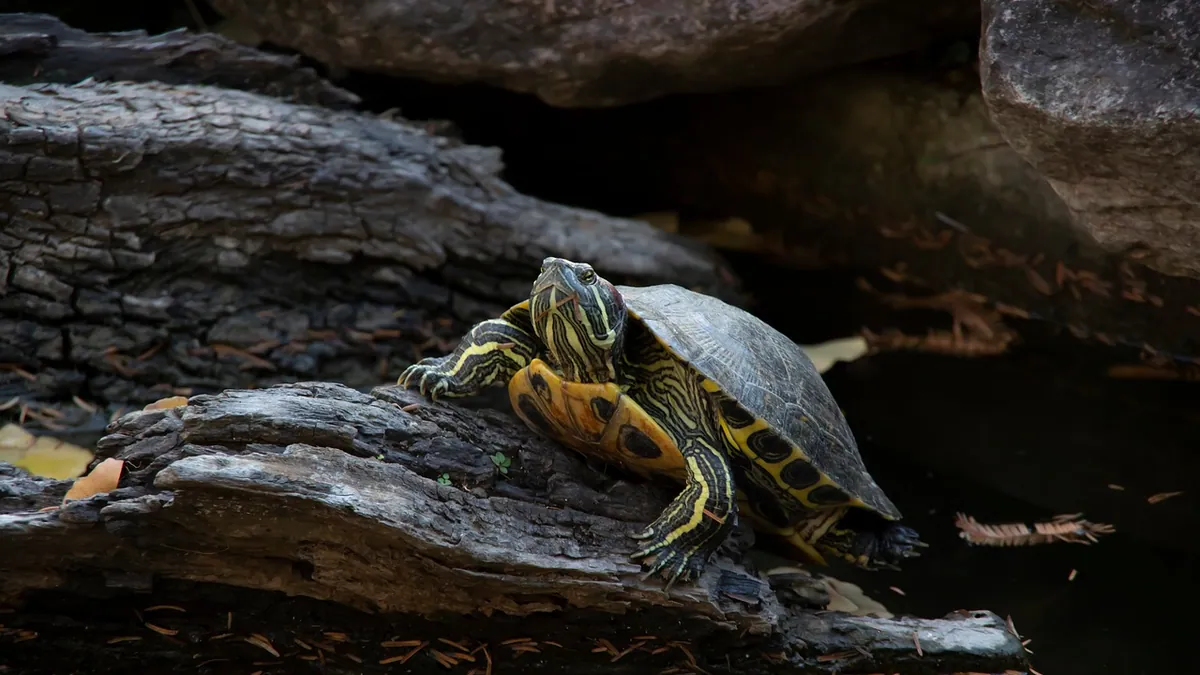
Why is my turtle rubbing its shell? Most often, a turtle rubs or scratches at its shell because something on or under the shell hurts or itches, and a soft shell usually points to a mineral or vitamin problem, an infection, or both. When a turtle stays pulled into its shell and hides more than usual, that is often the first clue that it does not feel well. This article is educational and is not a substitute for veterinary diagnosis or treatment.
Quick Answer
- Shell rubbing, scratching, or scraping against objects is a sign of irritation, pain, or infection on the shell, not normal grooming.
- A shell that feels soft, flexible, or spongy is abnormal in most pet turtles and often points to metabolic bone disease (MBD) from poor diet, lighting, or calcium.
- Hiding inside the shell and refusing to come out can be an early sign of illness, pain, or stress.
- Shell problems get worse without treatment, so book a veterinary visit instead of waiting to see if it improves.
- Fix the basics right away: correct UVB lighting, a proper basking spot, clean water, and a balanced diet with calcium.
What Shell Rubbing and Hiding Look Like
Normal turtle behavior includes basking, swimming, eating, and exploring. A healthy turtle may scrape its shell lightly against a rock or the tank wall now and then, especially when shedding scutes. That kind of occasional contact is not the same as repeated, focused rubbing.
Watch for a turtle that:
- Rubs the same spot on its shell over and over
- Scratches at the shell with its back feet
- Scrapes its shell against tank decor, corners, or the filter
- Sits with its eyes closed and stays pulled in
- Refuses food or eats much less
- Avoids basking or avoids the water
A turtle's shell is not a separate piece of armor sitting on top of the body. It is built from fused dorsal vertebrae, ribs, and bone plates, with the ribs growing outward and wrapping around the shoulder and hip bones [1]. Because the shell is living bone covered by skin and keratin, damage or disease in the shell is damage to the skeleton itself. That is why shell problems hurt, and why a turtle may rub at a sore spot the way you would rub a bruise.
If your turtle is hiding in its shell more than usual, do not assume it is just shy. A turtle that stays withdrawn, stops basking, and stops eating is often telling you something is wrong.
Common Causes of Shell Rubbing and Soft Shells
Several problems can cause a turtle to rub its shell or develop a soft shell. Some are emergencies. Others need a routine but prompt veterinary visit.
| Cause | Typical clues | How urgent |
|---|---|---|
| Metabolic bone disease (MBD) | Soft or flexible shell, deformed shell shape, weak legs, poor appetite, no UVB or low calcium diet | Urgent, see a vet within days |
| Shell infection (bacterial or fungal) | Bad smell, discolored or pitted areas, discharge, soft or crumbling spots, rubbing at one area | Urgent, same week |
| Shell rot | Dark or whitish patches, mushy or flaking shell, foul odor, turtle rubs the area | Urgent, same week |
| Abscess or injury under the shell | Swelling, a lump, a wound, one-sided rubbing, reluctance to move | Same day if open wound or swelling |
| Shedding problems (retained scutes) | Flaky, stacked, or stuck scutes, mild rubbing, no soft spots | Routine visit if it does not clear |
| Parasites or skin irritation | Itching, rubbing, visible mites or worms, red or irritated skin | Routine visit, sooner if severe |
| Stress or poor habitat | Hiding, not basking, poor water quality, wrong temperatures | Fix habitat now, vet if not improving |
Metabolic Bone Disease
MBD is one of the most common reasons a pet turtle has a soft shell. It happens when the turtle cannot get or use enough calcium, usually because of a poor diet, no UVB light, or both. Without UVB, many turtles cannot make vitamin D3, and without vitamin D3 they cannot absorb calcium properly. The body then pulls calcium out of the bones, including the shell.
A turtle with MBD may have a shell that feels soft or springy, especially along the edges. The shell may look flattened, bumpy, or oddly shaped. The turtle may be weak, drag its legs, or have trouble lifting its body. In severe cases, the jaw becomes soft and the turtle cannot eat well.
MBD does not fix itself. Once the shell is deformed, some changes may be permanent, so early treatment matters.
Shell Infection and Shell Rot
Bacteria and fungi can invade the shell through small cracks, bites, or areas of poor shell health. One bacterium found in diseased soft-shell turtles, Aeromonas jandaei, is common in aquatic environments and can cause illness in reptiles and amphibians [2]. Infected turtles in that report had changes in blood proteins and liver enzymes, and damage was seen in multiple tissues, including the intestine [2]. This shows how a shell problem can reflect a whole-body infection.
Signs of shell infection include a bad smell, discoloration, pitting, discharge, and soft or crumbling areas. A turtle may rub at the sore spot or avoid basking on that side. Shell rot is a related problem where the shell softens and decays. You can read more about the early signs in Pet Turtle Shell Rot Signs.
Injury, Abscess, and Retained Scutes
A fall, a bite from a tank mate, or a burn from a heat lamp can damage the shell. Infection can then set in under the surface. An abscess may swell and push against the shell from below, which can make a turtle rub or scratch at that area.
Retained scutes are old shell plates that did not shed properly. They can trap debris and moisture, which invites infection. Mild rubbing during a normal shed is common, but repeated rubbing with stuck scutes is not.
Stress and Habitat Problems
Sometimes the cause is simpler. Dirty water, wrong temperatures, no hiding spot, or a tank that is too small can stress a turtle. A stressed turtle may hide, stop basking, and rub against objects. Fixing the habitat often resolves mild cases, but any soft shell or foul smell still needs a vet.
Red Flags That Mean Emergency
Call an emergency or exotic animal veterinarian right away if you see:
- An open wound, bleeding, or a deep crack in the shell
- A foul smell with discharge or a mushy, crumbling shell
- A shell that is soft across large areas, or a turtle that cannot support its own weight
- Trouble breathing, gasping, or bubbles from the nose
- Complete refusal to eat for more than a few days
- Swelling of the head, limbs, or shell
- Sudden collapse, seizures, or severe weakness
These signs can mean a serious infection or advanced MBD. Waiting can make treatment much harder.
Safe Things You Can Do at Home
While you wait for your appointment, you can make your turtle more comfortable and stop the problem from getting worse.
- Check your UVB bulb. Replace it if it is old or you are unsure of its age. UVB output drops over time even if the bulb still glows.
- Set up a proper basking area. Your turtle needs a dry spot with the right temperature so it can warm up and dry its shell.
- Clean the water. Do partial water changes and remove waste and uneaten food.
- Offer a balanced diet. Use a quality commercial turtle diet plus safe greens, and offer a calcium source. Your veterinarian can tell you the right amount for your species and size.
- Do not pick at the shell. Do not scrub, peel, or apply human creams or ointments. You can gently rinse the shell with clean water and pat it dry.
- Keep the turtle warm and quiet. Reduce handling and let it rest.
- Separate tank mates if one is biting or bullying.
Do not give any medication, including antibiotics or calcium injections, without veterinary guidance. The dose depends on your turtle's weight, species, and health, and your veterinarian will calculate it.
If your turtle is rubbing its shell and you also notice limping or weakness in the legs, that can be a sign of MBD affecting the bones. The same principle applies to other pets with limb problems, which you can read about in Why Is My Dog Limping On Both Front Legs.
What Your Veterinarian Will Check
A reptile veterinarian will start with a full history. Be ready to describe your setup, including tank size, water temperature, basking temperature, UVB bulb type and age, diet, and how long you have noticed the problem.
The exam usually includes:
- A hands-on shell exam to check for soft spots, cracks, discharge, and odor
- A weight and body condition check
- An evaluation of the eyes, nose, mouth, and limbs for signs of MBD or infection
- A look at how the turtle moves and whether it can lift its body
Testing may include:
- Blood work to check calcium, phosphorus, protein, and organ values. In diseased soft-shell turtles, total protein, albumin, and globulin dropped, while liver enzymes rose [2].
- X-rays to see shell and bone density and to look for fractures or abscesses
- A shell swab or culture to identify bacteria or fungi
- Fecal testing for parasites
Treatment depends on the cause. MBD is treated with corrected lighting, diet changes, and calcium support. Infections need the right antimicrobial, which your veterinarian will choose and dose based on your turtle's weight and health. Some shell wounds need cleaning, debridement, or bandaging.
Prevention and Monitoring
Most shell problems in pet turtles are preventable. Focus on these basics:
- UVB lighting. Use a proper UVB bulb for your species, replace it on schedule, and make sure your turtle can get within the recommended distance.
- Basking heat. Provide a dry basking area with a temperature gradient so your turtle can choose.
- Calcium and diet. Feed a balanced diet with appropriate calcium. Avoid all-protein diets.
- Clean water. Change water regularly and use a good filter.
- Space and hiding spots. Give your turtle enough room to swim, turn around, and hide.
- Regular checks. Once a week, look at the shell from all angles. Feel for soft spots, check for odor, and watch for changes in appetite or activity.
If you keep a softshell species, know that their shells are naturally flatter and more flexible than those of hard-shell turtles. That does not mean a softshell should feel mushy. Learn what is normal for your species. You can read more in Spiny Softshell Turtle: Identification, Habitat, and Care Considerations.
Some shell traits are genetic. Research on soft-shell turtles has found that genes in the Runx family vary between species and relate to shell and body shape [3]. Other work on shell development has mapped how the carapacial ridge forms the shell structure [1]. These findings help scientists understand shell biology, but they do not change the basics of home care.
Limitations and When to Contact a Veterinarian
This article cannot tell you what is wrong with your specific turtle. Shell rubbing, soft shells, and hiding can have many causes, and some are serious. A veterinarian needs to examine your turtle to make a diagnosis.
Contact a veterinarian:
- Same day if you see an open wound, foul smell, discharge, swelling, breathing trouble, or a turtle that cannot walk
- Within a day or two if the shell feels soft, the turtle stops eating, or it hides constantly
- Routine visit if you notice mild rubbing, stuck scutes, or a change in behavior that does not improve after you fix the habitat
If you are unsure, call your veterinarian and describe what you see. It is always better to check early.
Frequently Asked Questions
Is it normal for a turtle to rub its shell?
Occasional light rubbing during shedding can be normal. Repeated rubbing at one spot is not normal and usually means irritation, pain, or infection. If the rubbing continues or you see shell changes, see a veterinarian.
Why does my turtle have a soft shell?
A soft shell most often points to metabolic bone disease from poor diet, missing UVB light, or low calcium. It can also come from a shell infection. Both need veterinary care, and MBD can cause permanent deformities if it is not treated early.
Why is my turtle hiding in its shell all the time?
A turtle that stays pulled in and avoids basking or eating is often sick, in pain, or stressed. Check the water quality, temperatures, and UVB lighting first. If your turtle does not perk up within a day or two, book a veterinary visit.
Can I treat a soft shell at home?
You can improve lighting, diet, and water quality at home, and those changes help. You cannot cure MBD or a shell infection without veterinary care. Do not apply human creams or give medications on your own.
How can I tell if shell rubbing is an emergency?
It is an emergency if you see an open wound, a foul smell, discharge, swelling, breathing trouble, or a turtle that cannot support its weight. Call an emergency or exotic animal veterinarian right away. For milder signs, call your regular veterinarian the same day to get advice.
Related Articles
- Pet Turtle Shell Rot Signs
- Spiny Softshell Turtle: Identification, Habitat, and Care Considerations
- Why Is My Tortoise Shell Soft? Causes and Treatment
- Sick Turtle Shell: Soft, Flaking or Discolored Shells
- Why Is My Turtle Peeling? Shell and Skin Shedding
References
- Global Analysis of Transcriptome and Translatome Revealed That Coordinated WNT and FGF Regulate the Carapacial Ridge Development of Chinese Soft-Shell Turtle. International journal of molecular sciences, 2021.
- Isolation, identification and characterization of Aeromonas jandaei from diseased Chinese soft-shell turtles. Journal of fish diseases, 2024.
- Regulatory diversification of conserved Runx genes drives morphological innovation in soft-shell turtles. Zoological research, 2026.