Why Is My Leopard Gecko Not Eating? Causes and Steps
By Dr. Zubair Khalid, DVM, MS, PhD ·
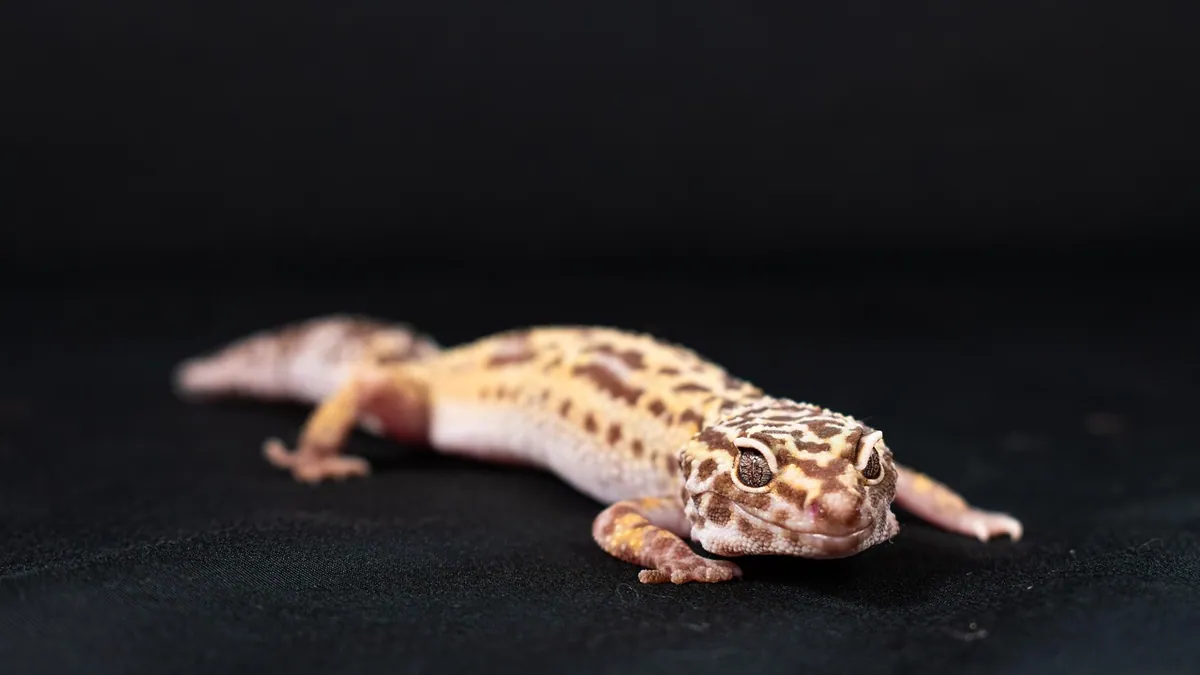
If my leopard gecko won't eat, the first thing to check is usually the enclosure, not the gecko. Most appetite loss in captive leopard geckos traces back to temperatures that are too cool, an upcoming shed, breeding season, or a recent change at home. True medical causes are less common, but they do happen, and some of them move fast.
This article is educational and is not a substitute for veterinary diagnosis or treatment.
Quick Answer
- Check your warm-side floor temperature first. If it is below roughly 88 to 92 F, your gecko may simply be too cold to digest food and will refuse meals until it warms up.
- A gecko that is dull, pale, or rubbing its skin is likely about to shed and often stops eating for a few days.
- Adult males and some females go off food during breeding season, sometimes for weeks, without losing much weight.
- Weigh your gecko weekly on a small kitchen scale. A steady weight is reassuring, a dropping weight is not.
- Refusal to eat plus lethargy, weight loss, sunken eyes, or a dirty vent means call a veterinarian.
What Normal Leopard Gecko Eating Looks Like
A healthy adult leopard gecko usually eats every two to three days. Many owners feed four to six insects per meal, and appetite varies with the individual. Juveniles eat more often, often daily, because they are growing. A healthy gecko is alert, holds its head up, has clear eyes, and has a plump tail that stores fat.
It helps to know your gecko's baseline. Track how many insects it eats, when it last shed, and its weight. When you notice a change, you can compare it to that baseline instead of guessing. If you are unsure what a normal diet looks like, our Leopard Gecko Diet and Feeding Guide covers feeder insects, dusting, and schedules.
Some appetite dips are normal and short. A gecko that skips one or two meals but stays active and holds its weight is usually fine. A gecko that stops eating for more than a week, or that loses weight, needs a closer look.
Why Is My Leopard Gecko Refusing to Eat? The Main Causes
Most cases fall into a handful of categories. The table below groups them by what you are likely to see and how quickly you should act.
| Cause | Typical clues | How urgent |
|---|---|---|
| Temperature too low | Warm side under 88 F, gecko stays on the cool side, food sits uneaten | Fix today, monitor for 3 to 5 days |
| Shedding | Pale or dull skin, rubbing against decor, cloudy eyes | Normal, wait 2 to 4 days |
| Breeding season | Adult male or female, spring or summer, active but uninterested in food | Monitor weight, routine if weight holds |
| Stress or change | New enclosure, new home, handling, loud room, new tank mate | Reduce stress, monitor 1 to 2 weeks |
| Impaction or constipation | No droppings, straining, firm belly | Same-day vet visit |
| Parasites | Weight loss, abnormal droppings, poor condition | Routine to urgent vet visit |
| Infection or organ disease | Lethargy, weight loss, discharge, swollen limbs | Same-day vet visit |
| Mouth or dental problem | Drooling, swelling around the mouth, dropping food | Same-day vet visit |
Temperature Problems
Leopard geckos are ectotherms. They rely on their environment to reach the body temperature needed for digestion. If the warm side of the enclosure is too cool, digestion slows and the gecko may stop eating. Check the floor temperature on the warm side with a digital probe or infrared thermometer, not a stick-on gauge. Aim for a warm-side floor in the high 80s to low 90s F, with a cooler area in the 70s F so your gecko can regulate itself.
Shedding
Dysecdysis, or difficulty shedding, is a common finding in reptiles that are not eating. In one case, a red-tailed boa with a bone disorder presented with anorexia and dysecdysis together [1]. A Russian tortoise with a tumor also showed generalized dysecdysis along with anorexia and lethargy [2]. In leopard geckos, a normal shed usually causes a short hunger strike. Watch for stuck skin on the toes, tail tip, or around the eyes. Stuck shed can restrict toes and needs gentle soaking and veterinary help if it does not come off.
Breeding Season
Sexually mature leopard geckos often reduce food intake during breeding season. Males may pace the enclosure and show less interest in prey. Females that are producing eggs need extra calcium and may eat less right before laying. This is usually temporary. Keep weighing your gecko. If weight stays stable, a seasonal dip is often nothing to worry about.
Stress and Husbandry Changes
Reptiles are sensitive to change. A new enclosure, a move to a different room, frequent handling, or a new tank mate can all trigger appetite loss. Stress can also come from an enclosure that is too small, too hot, or too exposed. Give your gecko a quiet, covered hide and limit handling until it eats again. If you keep other reptiles, appetite loss in one animal is a good reason to review the whole setup.
Parasites and Infection
Parasites are a major but often overlooked health problem in reptiles [3]. A wild-caught red-tailed green rat snake that died in quarantine showed only a brief period of anorexia before death, and necropsy found a heavy parasite infection [3]. A captive African rock python with a severe tick infestation and a blood parasite showed anorexia, lethargy, and incomplete shedding, and it resumed feeding within five days after ticks were removed and it was treated with ivermectin and improved husbandry [4]. This shows how quickly a treatable parasitic problem can turn around with the right care.
Medical Disease
Appetite loss can be the first sign of serious internal disease. A Russian tortoise with a kidney tumor presented with a one-week history of anorexia and lethargy [2]. A boa with a bone remodeling disorder presented with anorexia, dysecdysis, and spinal rigidity [1]. A Mediterranean spur-thighed tortoise with chronic gastrointestinal disease was treated with oral fecal microbiota transplantation after anorexia and drooling following lettuce intake [5]. These cases are different species, but the pattern is the same across reptiles. Anorexia is often the earliest and sometimes the only visible sign of a problem that needs a veterinarian.
If your snake is also off food, the same principles apply, and our article on Why Is My Snake Not Eating? Causes and Solutions walks through them. Owners of other geckos may find Crested Gecko Not Eating useful for comparison.
Red Flags That Mean an Emergency
Some signs mean you should not wait. Contact an emergency veterinary service or an exotics veterinarian right away if you see any of these:
- Open-mouth breathing, gasping, or mucus from the mouth or nose
- A prolapse from the vent
- A swollen, hard, or discolored belly
- Repeated straining with no droppings
- Sudden collapse, tremors, or inability to right itself
- Bleeding or a wound
- Severe weight loss with sunken eyes and a thin tail
These signs suggest a problem that home care cannot fix. Reptiles often hide illness until they are quite sick, so a gecko that looks this unwell needs prompt professional care.
Safe Things You Can Do at Home While You Wait
You can make a few changes without risking harm. Start with the enclosure.
- Verify temperatures with a reliable digital thermometer. Adjust the heat source if the warm side is too cool.
- Offer a shallow water dish and mist one corner lightly if your gecko looks like it is about to shed.
- Reduce handling for several days. Let your gecko rest.
- Check for stuck shed on toes, tail, and eyes. A brief soak in shallow, lukewarm water can help loosen it.
- Offer a few appropriate insects at the normal time. Remove uneaten insects so they do not bother your gecko.
- Keep a simple log of weight, droppings, and feeding attempts.
Do not force feed your gecko. Do not give any medication or supplement without veterinary guidance. If your gecko is not eating, the dose of any drug or supplement must be calculated by a veterinarian based on your pet's weight and health. Never guess at a dose.
If you have other pets that stop eating, the approach differs by species. Our guide on Why Is My Dog Not Eating? explains how appetite loss is assessed in dogs, and Pet Bird Not Eating covers birds.
What Your Veterinarian Will Check and Test
A reptile-savvy veterinarian will start with a full history. Bring your temperature readings, feeding log, and weight records. The physical exam checks body condition, hydration, eyes, mouth, vent, skin, and limbs.
Depending on what they find, your veterinarian may recommend:
- A fecal exam to look for parasites, which are common and often treatable [3][4]
- Blood work to check organ function and look for infection or inflammation
- Imaging such as radiographs or ultrasound to look for masses, impaction, or organ disease [2]
- A skin or shed evaluation if dysecdysis is present [1][2]
- Cultures or other targeted tests if infection is suspected
Treatment depends on the diagnosis. A parasitic infection may be treated with antiparasitic medication and improved husbandry, as in the python case where feeding resumed within five days after treatment [4]. A gastrointestinal problem may be managed with supportive care and, in some cases, treatments such as fecal microbiota transplantation [5]. A structural or organ disease may need surgery or long-term management [1][2]. Your veterinarian will tailor the plan to your gecko.
Prevention and Monitoring
Good husbandry prevents many appetite problems. Keep the warm side at the right temperature and provide a temperature gradient. Use a thermostat with your heat source. Provide at least two hides, one on the warm side and one on the cool side, plus a humid hide for shedding.
Feed appropriate insects and dust them with calcium and a multivitamin on a schedule your veterinarian recommends. Remove uneaten insects. Clean the enclosure regularly and wash your hands before and after handling any reptile.
Quarantine new reptiles before introducing them to your collection. A wild-caught snake that died in quarantine had a heavy parasite load that was not obvious until necropsy [3]. Pre-import health screening matters, and so does a quarantine period at home.
Weigh your gecko every one to two weeks and write it down. A slow downward trend is easy to miss by eye. Early detection of weight loss gives you and your veterinarian more options.
Limitations and When to Contact a Veterinarian
This article cannot diagnose your gecko. Individual cases need a veterinarian who can examine the animal and run tests. Use the timing below as a guide.
Contact a veterinarian the same day if your gecko has not eaten for more than a week, has lost weight, has abnormal droppings, is lethargic, has sunken eyes, or has a dirty or swollen vent.
Go to an emergency clinic now if your gecko is breathing with its mouth open, has a prolapse, has a swollen or hard belly, is straining without producing droppings, is collapsing or trembling, or has a wound that is bleeding.
Schedule a routine visit if your gecko is otherwise bright but has refused food for several days, if you cannot get the temperatures right, or if you are unsure whether the behavior is seasonal. A routine exam and a fecal test can rule out common problems before they worsen.
Frequently Asked Questions
How long can a leopard gecko go without eating?
A healthy adult can often go one to two weeks without food if it is otherwise well and holding its weight. Juveniles and thin geckos have less reserve and should be seen sooner. Any gecko that is losing weight needs a veterinary visit regardless of how many days it has been.
Is it normal for a leopard gecko to stop eating before shedding?
Yes, a short hunger strike before a shed is common. Most geckos resume eating within a few days after the shed is complete. Watch for stuck skin on the toes, tail tip, and eyes, and get help if it does not come off.
Can low temperature really stop my leopard gecko from eating?
Yes. Leopard geckos need warmth to digest. If the warm side of the enclosure is too cool, digestion slows and appetite drops. Check the floor temperature with a digital probe and correct it before assuming something more serious is going on.
Should I force feed my leopard gecko?
No. Force feeding at home can injure your gecko and does not treat the cause. If your gecko needs nutritional support, a veterinarian can place a feeding tube or show you a safe technique. Never give medication or supplements without veterinary guidance.
When should I call the vet for a leopard gecko that won't eat?
Call the same day if there is weight loss, lethargy, abnormal droppings, or a dirty vent. Call immediately if there is open-mouth breathing, a prolapse, a swollen belly, or collapse. If your gecko is bright but has skipped several meals, a routine visit is a reasonable next step.
Related Articles
- Crested Gecko Not Eating
- Why Is My Snake Not Eating? Causes and Solutions
- Leopard Gecko Diet and Feeding Guide
- My Leopard Gecko Hasn't Eaten in a Month: What to Do
- Why Is My Leopard Gecko Pale? Causes and What to Do
- My Leopard Gecko Died: Common Causes Explained
References
- Paget-like bone remodeling disorder in a red-tailed boa (Boa constrictor constrictor): diagnosis and management. Journal of veterinary science, 2026.
- Urothelial carcinoma in a Russian tortoise (Testudohorsfieldii). Journal of comparative pathology, 2023.
- First report on a Raillietiella orientalis and Kalicephalus sp. co-infection in a wild-caught red-tailed green rat snake (Gonyosoma oxycephalum). International journal for parasitology. Parasites and wildlife, 2026.
- Severe Tick Infestation and Haemogregarina spp. Infection in a Captive African Rock Python (Python sebae): A Clinical and Parasitological Case from Nigeria. Veterinary medicine and science, 2026.
- Case Report: Oral fecal microbiota transplantation in a Mediterranean spur-thighed tortoise (Testudo graeca) suffering from chronic gastrointestinal disease-procedure, clinical outcome and follow-up. Frontiers in veterinary science, 2025.