Leopard Gecko Poop: What's Normal and What's Not
By Dr. Zubair Khalid, DVM, MS, PhD ·
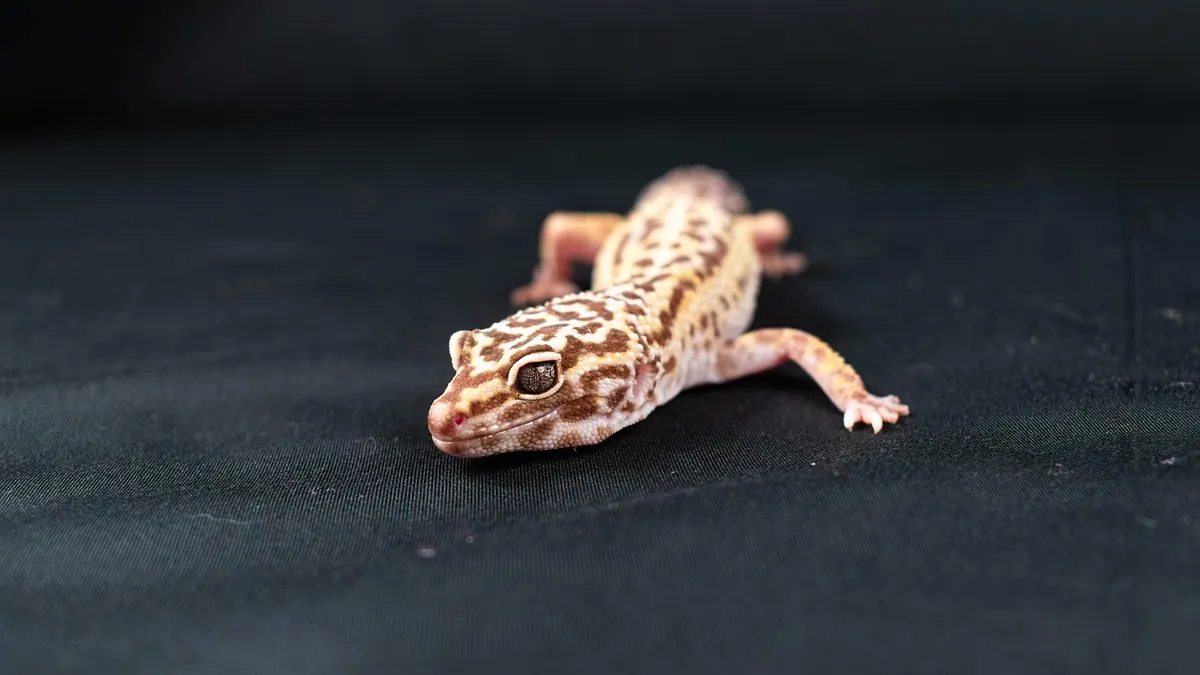
Leopard gecko poop tells you a lot about what is happening inside your pet. A healthy dropping is a firm, dark brown or blackish log with a distinct white chalky end, and most adult geckos produce one every one to three days. This article is educational and is not a substitute for veterinary diagnosis or treatment.
Quick Answer
- Normal leopard gecko poop has two parts: a brownish solid waste log and a white urate cap, produced together in one dropping.
- Adults usually poop every one to three days. Babies and juveniles go more often, sometimes daily.
- Blood, black tarry stool, watery diarrhea, or visible worms are not normal and need a vet visit.
- Eating poop (coprophagy) happens in some reptiles, but in leopard geckos it often points to a diet or health problem worth checking.
- Save a fresh sample in a sealed bag in the fridge if you can, because your vet will likely want to test it.
What Normal Leopard Gecko Poop Looks Like
A healthy dropping has two visible components. The first is the fecal portion, which is soft but holds its shape, dark brown to nearly black, and roughly the size of the gecko's last meal. The second is the urate, a solid white or cream-colored cap. That white part is how a gecko excretes the solid waste from its kidneys.
Leopard geckos do poop, and they do it on a schedule. A healthy adult on a normal feeding routine usually defecates every one to three days. Younger geckos that eat more often may go daily. A gecko that suddenly stops pooping for several days is a concern, especially if it is still eating.
Most leopard geckos pick a bathroom spot. They often choose one corner of the enclosure and use it repeatedly. Some geckos do seem to bury their poop, or at least drag substrate over it, and others leave it in the open. There is no single correct habit here. What matters is that droppings keep appearing and look right.
Fresh droppings should not smell strongly. A mild odor is normal. A sharp, foul smell that makes you notice from across the room is a reason to look closer.
Causes of Abnormal Leopard Gecko Poop
Gastrointestinal problems are one of the most common reasons leopard geckos see a veterinarian. In a review of 214 leopard gecko medical records, the skin, gastrointestinal tract, and eyes were the most affected body systems, and endoparasitic burden (a heavy parasite load) was the second most common diagnosis overall [1]. That tells you something useful. Gut issues in this species are common, not rare.
| Cause | Typical clues | How urgent |
|---|---|---|
| Intestinal parasites | Runny or mucus-covered stool, visible worms, weight loss despite eating, poor appetite | See a vet within a few days |
| Impaction (blocked gut) | No poop for several days, straining, hard belly, refusing food, lethargy | Same day, emergency if the gecko is weak |
| Stress-related parasite flare | Recent move, new cage mate, or diet change, then loose stool | Routine visit, sooner if symptoms worsen |
| Coprophagy (eating poop) | You catch the gecko eating its own droppings | Routine visit to rule out diet gaps or parasites |
| Dietary or supplement problems | Undigested prey parts in the stool, soft bones, poor shedding | Routine visit |
| Blood in the stool | Red streaks, bloody smear, or black tarry stool | Same day |
Stress, housing, and parasite loads
Stress matters more than many owners realize. In a study of captive tokay geckos, a change in diet or housing alone did not affect fecal parasite egg counts, but both changes combined did increase the parasite load [2]. The lesson carries over to leopard geckos. Big changes at once, like a new enclosure plus a new food, can tip the gut toward trouble. Make one change at a time when you can.
Why is my leopard gecko eating his poop?
Coprophagy, which means eating feces, is common in some reptiles. In a controlled study of Texas tortoises, 96 percent of individuals ate feces at least once, and they showed clear preferences for certain types of droppings over others [3]. That study was on tortoises, not geckos, so it does not prove why a leopard gecko does it. Still, it shows that feces eating can be a real behavior in reptiles and not always a sign of disease.
In leopard geckos, poop eating is more often a red flag. It can happen when the gecko is not getting enough nutrition from its food, when a parasite infection is stealing nutrients, or when the gecko is hungry because it is not being fed enough. It can also be simple curiosity, especially in young geckos. If your gecko eats its poop once, watch closely. If it happens repeatedly, book a vet visit and review your feeding and supplement routine.
Bloody poop and what it can mean
Bloody stool is never normal. If you see red streaks, a bloody smear on the paper towel, or black tarry stool that looks like coffee grounds, treat it as urgent. Blood can come from a parasite infection, an irritated or injured gut lining, or a heavy parasite burden. Because gut disease is one of the top problems seen in this species [1], bloody droppings deserve a same-day call to your vet.
Undigested prey and impaction
If you can still recognize legs, shells, or whole prey parts in the stool, digestion is not finishing the job. This can happen when temperatures in the enclosure are too low for proper digestion, when the gecko is sick, or when it swallowed something it cannot break down. Impaction is the serious version of this problem. A gecko that has not pooped in several days, is straining, has a firm or swollen belly, and is refusing food needs to be seen right away.
Red Flags That Make It an Emergency
Call an emergency or exotic vet now if you see any of these:
- Blood in the stool, or black tarry stool
- No poop for four or more days with straining or a hard, swollen belly
- Repeated vomiting or regurgitation along with no stool
- A gecko that is limp, unresponsive, or cannot right itself
- Prolapse, meaning tissue sticking out of the vent
- Severe weight loss with diarrhea that has lasted more than a day or two
For general poisoning concerns, the ASPCA Animal Poison Control Center is available at (888) 426-4435, and the Pet Poison Helpline is at (855) 764-7661. These lines may charge a consultation fee.
What You Can Do at Home While You Wait
You cannot treat a gut problem at home, but you can make the wait safer and give your vet better information.
- Save a fresh stool sample. Place it in a sealed plastic bag or a clean container and refrigerate it. Do not freeze it. Bring it to the appointment.
- Check your temperatures. Leopard geckos need a warm side and a cool side so they can digest properly. If the warm side is too cool, digestion slows.
- Stop all new foods and supplements until your vet weighs in. Sudden diet changes can add stress [2].
- Keep a simple log. Note the date, what the poop looked like, whether the gecko ate, and whether it is active.
- Do not give any medication on your own. Your vet will calculate any dose from your gecko's weight and health status.
- Isolate the gecko if you house more than one. Parasites and gut infections can pass between cage mates.
If your gecko is also showing shedding problems, tail issues, or breathing trouble, those can be linked to the same husbandry gaps. Our guides on Leopard Gecko Tail Drop Care and Leopard Gecko Care: Respiratory Infection Symptoms & Antibiotic Protocol cover what to watch for.
What Your Veterinarian Will Check and Test
Your vet will start with the basics. They will ask about diet, supplements, temperatures, substrate, cage mates, and how long the droppings have been abnormal. Then they will examine your gecko, including its body condition, belly, mouth, vent, and skin.
Testing usually includes a fecal flotation or direct smear to look for parasite eggs and other organisms. This is the single most useful test for abnormal poop, and it is why a fresh sample matters so much. A fecal exam can also pick up fungal organisms, since geckos can shed fungi such as Basidiobolus species in their feces [4]. Your vet may also recommend blood work, X-rays to check for impaction, or a fecal culture.
Treatment depends on what is found. Parasites are treated with antiparasitic drugs chosen and dosed by your vet based on your gecko's weight. Impaction may need fluids, warmth, and sometimes surgery. If the problem is husbandry, the fix is often a change in temperatures, diet, or supplements.
If your gecko has been losing weight over weeks despite eating, ask your vet about testing for serious gut disease. Our article on Leopard Gecko Care: Cryptosporidiosis wasting disease management explains why early testing matters.
Prevention and Monitoring
Most abnormal leopard gecko poop traces back to husbandry. Get the basics right and you prevent a large share of gut problems.
- Feed appropriate prey sizes. Prey should be no wider than the space between your gecko's eyes.
- Use a calcium and vitamin supplement schedule your vet approves. Poor shedding and eye problems often go hand in hand with gut and skin issues in this species [1].
- Keep a temperature gradient. A gecko that cannot get warm cannot digest well.
- Change one thing at a time. Combined diet and housing changes raised parasite loads in a related gecko species [2].
- Clean the bathroom corner daily. Removing droppings lowers the chance your gecko eats them or re-infects itself with parasites.
- Weigh your gecko monthly on a small kitchen scale. A slow drop is easy to miss and often shows up before other signs.
- Quarantine any new gecko for at least 60 days and get a fecal test before introducing it to your collection.
Check droppings every day. It takes ten seconds and it is one of the best health monitors you have. If you notice a change that lasts more than a day or two, or any red flag from the list above, call your vet.
Limitations and When to Contact a Veterinarian
This article covers common patterns, not your individual gecko. Every case needs a veterinarian who can examine the animal and test the stool.
Contact your vet the same day for blood in the stool, black tarry stool, diarrhea lasting more than 48 hours, or a gecko that has stopped pooping for several days. Go to an emergency clinic now if your gecko is limp, unresponsive, straining with a swollen belly, or has tissue protruding from the vent. Schedule a routine visit if you see occasional soft stool, poop eating, undigested prey parts, or a slow change in appetite. When in doubt, a fecal test is cheap and fast, and it answers most of the questions this article raises.
Frequently Asked Questions
How often should a leopard gecko poop?
A healthy adult usually poops every one to three days, while babies and juveniles may go daily. The schedule matters less than the pattern. A sudden stop or a sudden increase in frequency is what you should pay attention to.
Is it normal for leopard gecko poop to have a white part?
Yes. The white cap is the urate, the solid form of kidney waste. A healthy dropping has both a brown fecal portion and a white urate portion. If the white part turns yellow, orange, or gritty, mention it to your vet.
Can I treat my leopard gecko's diarrhea at home?
No. Diarrhea in reptiles usually has an underlying cause such as parasites, stress, or diet problems, and home remedies can make it worse. Keep the gecko warm and hydrated, save a stool sample, and see a vet.
What does undigested food in the poop mean?
It usually means digestion is not completing, often because enclosure temperatures are too low or the gecko is ill. It can also point to a gut infection. Check your temperatures first, then book a vet visit if it continues.
Should I worry if my leopard gecko eats its own poop?
It depends on how often. A single incident in a young gecko is often harmless curiosity. Repeated poop eating suggests a diet gap, hunger, or a parasite problem, so have your vet check a stool sample and review your feeding plan.
Related Articles
- Leopard Gecko Tail Drop Care
- Leopard Gecko Care: Floppy tail syndrome and proper husbandry guide
- Leopard Gecko Care: Cryptosporidiosis wasting disease management
- Leopard Gecko Care: Respiratory Infection Symptoms & Antibiotic Protocol
- Leopard Gecko Care: Pyramiding & Shell Health Management
- Leopard Gecko Care: Overgrown Dental Spurs & Tooth Trimming Guide
- Why Is My Leopard Gecko Turning White? Skin and Poop Clues
- Do Leopard Geckos Drink Water? Hydration Signs
- What Do Leopard Geckos Need in Their Tank?
References
- Husbandry factors are associated with skin, gastrointestinal and ophthalmic disorders in leopard geckos (Eublepharis macularius). The Veterinary record, 2026.
- Changes in housing and diet combined increase fecal oxyurid load in captive tokay geckos. PeerJ, 2026.
- Behavioral Selection of Coprophagy in an Arid-Adapted Herbivore: Does a Compatibility-Risk Gradient Shape Selective Coprophagy?. Ecology and evolution, 2026.
- Long-Term Monitoring of the Seasonal Abundance of Basidiobolus spp. in Gecko Feces in KwaZulu-Natal (South Africa). Journal of fungi (Basel, Switzerland), 2022.