How to Tell If Your Leopard Gecko Has Eggs or Is About to Lay
By Dr. Zubair Khalid, DVM, MS, PhD ·
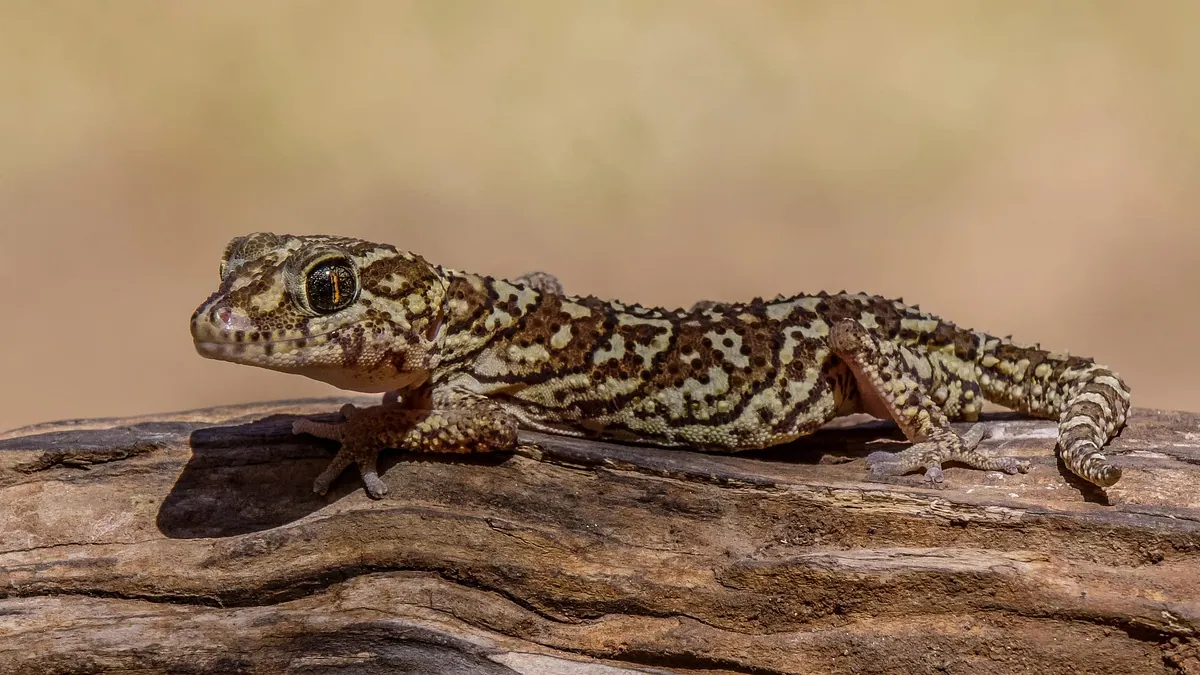
If you are wondering how to tell if my leopard gecko has eggs, start by looking at her belly and her behavior. A gravid female usually shows two rounded white shapes in the lower belly, eats less or stops eating, and starts digging and exploring the cage. This article is educational and is not a substitute for veterinary diagnosis or treatment.
Quick Answer
- Look at the lower belly from below. Two smooth, oval, whitish masses on either side are the most reliable visual clue that eggs are developing.
- Watch for digging, restlessness, pacing, and a sudden drop in appetite in the days before laying.
- Give her a lay box with damp substrate and keep it in the warm end of the enclosure, since gravid females seek out specific temperatures for their developing eggs [1].
- Most healthy females lay without help, but a female who strains for hours, has a swollen or discolored vent, or stops passing waste needs a vet.
- Never squeeze or massage the belly to "check" for eggs. You can rupture an egg or damage the oviduct.
What "Gravid" and "Egg-Bound" Mean in Plain Words
Gravid simply means a female is carrying eggs. In leopard geckos, the eggs form inside the body first, then the female lays them on the ground. She does not carry them to term like a mammal.
Two different problems can happen. The first is failure to ovulate, where mature follicles never release an egg. This is sometimes called follicular stasis, and it is a pre-ovulatory problem [2]. The second is dystocia, or egg binding, where fully formed eggs cannot pass out of the body. Egg binding is a post-ovulatory problem and is usually easier to diagnose and treat [2].
Some females also resorb follicles instead of laying. Unovulated follicles can be broken down by the body over time, and complete resorption may take several months [2]. This is one reason a female can look gravid and then simply never lay.
Signs Your Leopard Gecko Has Eggs or Is About to Lay
Belly appearance
The classic sign is a pair of pale, rounded shapes low in the abdomen, visible when you look at her from underneath or when she presses her belly to the glass. Early on these may be faint. As the eggs grow, the belly looks fuller and more pear-shaped.
A single very large swelling, a lopsided belly, or a belly that looks bruised or dark is not normal and points toward a problem instead of a normal pregnancy.
Behavior changes
Gravid females often dig. They may dig in the substrate, in a corner, or against the glass. They may pace, climb more than usual, or refuse food. Some females keep eating normally right up until they lay.
Temperature seeking is a real and well documented behavior. Gravid females adjust their body temperature toward the thermal optimum for their embryos, and this happens in egg-laying species as well as live-bearing ones [1]. In practice, that means your female may spend more time in a specific spot, often a warm or a moist one, and less time in her usual routine.
Appetite and body condition
A drop in appetite is common in the last week or two before laying. She may also look thinner in the tail even though her belly is bigger, because she is putting resources into the eggs.
Pre-lay signs in the last day or two
- Restless pacing and repeated digging in one spot
- Spending long periods in the lay box
- A visible dip or hollow just in front of the vent
- Refusing food completely
- A calm, settled posture right before she starts pushing
Causes and Risk Factors
Leopard geckos can lay eggs with or without a male. Females housed with a male will usually produce fertile eggs. Females kept alone can still ovulate and lay infertile eggs, and this is normal for the species.
Risk factors for trouble include poor body condition, low calcium, dehydration, incorrect temperatures, no suitable laying site, and stress from handling or cage mates. A female who has no lay box may hold her eggs longer than she should.
Temperature matters more than most owners realize. Gravid females deliberately change their body temperature to match what their embryos need [1]. If your enclosure does not offer a proper warm zone and a cooler zone, she cannot make that choice.
Moisture matters too. In egg-laying reptiles, wetter incubation conditions tend to produce longer and heavier hatchlings, and substrate moisture affects offspring body size [3]. That same principle applies to the lay box you provide. A dry cage gives her nowhere to lay safely.
How a Veterinarian Diagnoses the Problem
Your vet will start with a physical exam and a history. They will ask about appetite, last shed, last bowel movement, cage temperatures, and whether she has laid before.
Palpation can detect large eggs, but it cannot reliably tell you how many eggs there are or whether they are stuck. Imaging is more useful. In a related species, ultrasonography effectively tracked follicle development and showed progressive changes in follicle size through the breeding season, and follicle size was strongly linked to how many days remained until ovulation [4]. The same tool helps your vet see whether follicles are developing, whether eggs are formed, and whether the reproductive tract looks normal.
Your vet may also recommend blood work to check calcium and other values, and radiographs to see mineralized eggs.
| What you notice | What it may mean | Urgency |
|---|---|---|
| Two pale oval shapes, eating less, digging | Normal gravid female | Routine check if unsure |
| Digging for days, no egg laid, still bright and active | Pre-lay, needs proper lay box | Recheck in a few days |
| Straining, swollen vent, no poop for days | Possible egg binding | Same day |
| Lethargic, dark belly, open-mouth breathing | Serious illness | Emergency now |
| Looks gravid for weeks, then belly shrinks | Possible follicle resorption | Routine visit |
Treatment Options
If she is simply gravid
No treatment is needed. Provide a proper lay box, correct temperatures, and a calcium source. Keep handling to a minimum. Most females lay on their own.
If she is egg-bound
Treatment depends on how sick she is and where the eggs are stuck. Options include supportive care with fluids and warmth, calcium supplementation, and medications that help the uterus contract. Your vet calculates any drug dose from your gecko's weight and health, so never use a dose from the internet or from another pet.
Surgery is sometimes needed. For pre-ovulatory problems, removal of the ovaries has been a commonly recommended treatment, though the picture is more complex than it once seemed [2]. For post-ovulatory egg binding, surgery to remove the eggs may be required if medical treatment fails.
If follicles are not ovulating
This is a separate condition from egg binding. Unovulated follicles can be resorbed by the body, and full resorption may take several months [2]. Some cases resolve with husbandry changes, and others need surgery. Your vet will decide based on exam findings and imaging.
Recovery, Outlook, and Long-Term Management
A female who lays normally usually recovers quickly. Offer food within a day or two, keep her hydrated, and give her a quiet place to rest. Expect her to be hungry and to rebuild her tail reserves over the next few weeks.
After surgery, recovery is longer. Your vet will give you specific instructions about wound care, activity restriction, and when to offer food. Follow those instructions exactly.
For long-term management, focus on three things. First, correct temperatures with a clear warm zone and cool zone, because gravid females use temperature to support their embryos [1]. Second, a permanent lay box with damp substrate. Third, steady calcium and a varied insect diet.
If your female lays clutch after clutch and keeps losing condition, talk to your vet about whether breeding should continue. Repeated egg production is hard on the body.
Prevention
You cannot stop a healthy female leopard gecko from ovulating, but you can lower the risk of problems.
- Provide a lay box at all times, not only when you think she is gravid.
- Keep the lay box substrate damp but not soaked, since moisture affects developing offspring [3].
- Maintain a proper temperature gradient so she can choose her own body temperature [1].
- Offer calcium and a varied diet so she has reserves to draw on.
- Avoid overhandling a female who is digging or pacing.
- House females separately from males unless you intend to breed.
- Weigh your female regularly. A steady drop in weight is an early warning.
If you are new to the species, a solid baseline of husbandry makes everything else easier. Our Leopard Gecko Care Guide for Beginners covers setup, heating, and diet. For a deeper look at enclosure specifics, see Leopard Gecko Care Requirements: A Practical Guide for New Owners. If your female is already struggling to lay, read our egg binding and dystocia emergency guide.
Limitations and When to Contact a Veterinarian
You can watch a normal gravid female at home. You cannot diagnose egg binding at home, and you should not try to move an egg by hand.
Contact an emergency vet right away if your gecko is straining hard for more than an hour, has a prolapse, is bleeding, is breathing with her mouth open, or is unresponsive. These are emergencies.
Call for a same-day appointment if she has not passed stool in several days, has a swollen or dark vent, has stopped eating for more than a week, or has been digging and pushing for more than a day with no egg.
Schedule a routine visit if she looks gravid for more than a few weeks with no laying, if her belly shrinks without her laying, or if she has laid several clutches and is losing weight.
Every case is different, and only a veterinarian who examines your gecko can tell you what is happening and what to do.
Frequently Asked Questions
Can a leopard gecko lay eggs without a male?
Yes. Female leopard geckos can ovulate and lay infertile eggs without ever being with a male. These eggs will not hatch, but they still need to be laid, so the same laying setup and monitoring apply.
How long after mating does a female lay?
It varies with the individual and with temperature. In a related egg-laying species, ovulation and egg laying were spread across several months of the breeding season, with a median clutch size of six eggs [4]. For leopard geckos, expect weeks instead of days, and watch behavior instead of counting days.
Can I feel the eggs through her belly?
Sometimes, but you should not press on the belly to check. Palpation can miss eggs, and rough handling can damage the oviduct or rupture an egg. Let your vet do any hands-on exam.
What does an egg-bound leopard gecko look like?
She often looks like a normal gravid female at first, then becomes lethargic, stops eating, and may strain or sit with her back end raised. A swollen, dark, or discharge-covered vent and no bowel movements for several days are serious signs that need same-day care.
Will she eat her own eggs?
Leopard geckos generally do not eat their eggs, but they may investigate or dig around them. Remove eggs once she has finished laying and is calm, and leave her alone to rest afterward.
Related Articles
- Leopard Gecko Morphs Explained for Owners
- Leopard Gecko Care: Egg binding dystocia emergency treatment guide
- Leopard Gecko Care Guide for Beginners
- Leopard Gecko Care: Floppy tail syndrome and proper husbandry guide
- Leopard Gecko Care Requirements: A Practical Guide for New Owners
- Lighting for Leopard Geckos: UVB, Heat, and Photoperiod Explained
- What Do Leopard Geckos Need in Their Tank?
- My Leopard Gecko Hasn't Eaten in a Month: What to Do
- Why Is My Leopard Gecko Not Eating? Causes and Steps
References
- Maternal behavioral thermoregulation facilitated evolutionary transitions from egg laying to live birth. Evolution letters, 2023.
- REVISITING "PREOVULATORY FOLLICULAR STASIS" IN REPTILES. Journal of zoo and wildlife medicine : official publication of the American Association of Zoo Veterinarians, 2025.
- The effect of moisture during development on phenotypes of egg-laying reptiles: a systematic review and meta-analysis. The Journal of experimental biology, 2025.
- Follicular Growth Evaluation, Oviposition and Egg Hatching in the Ball Python (Python regius). Animals : an open access journal from MDPI, 2026.