Why Is My Bearded Dragon Eating or Digging in Sand?
By Dr. Zubair Khalid, DVM, MS, PhD ·
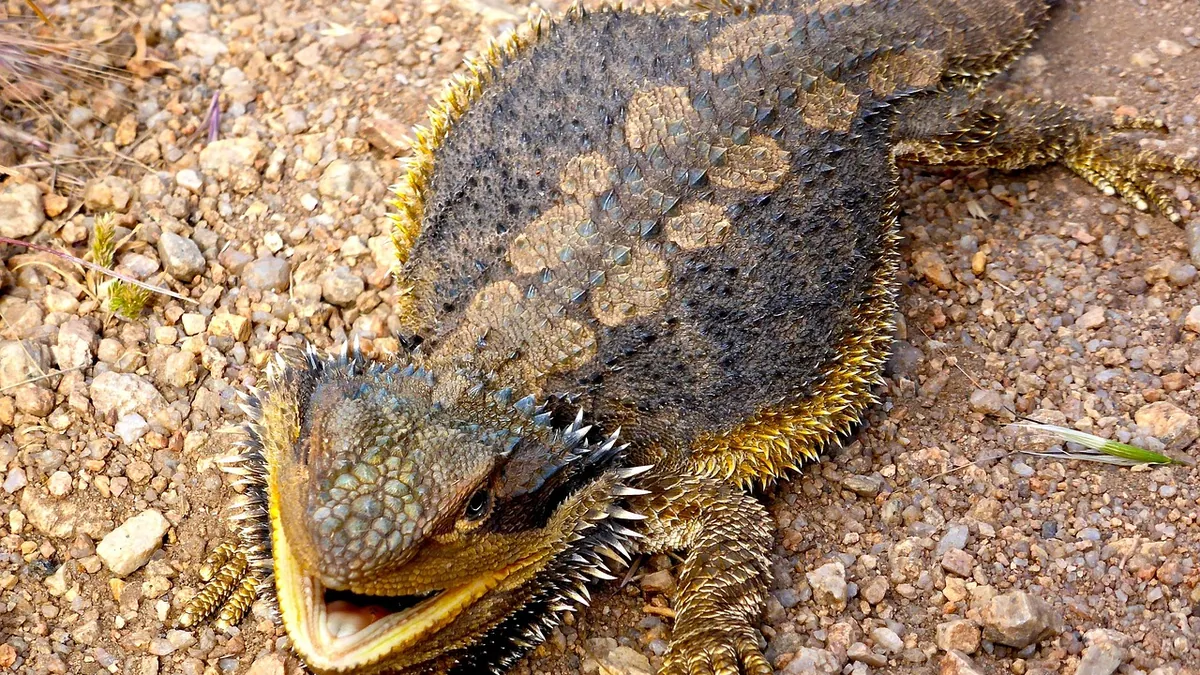
Bearded dragons eat sand by accident while hunting or tasting their surroundings, and they dig in it because burrowing is a natural behavior. The bigger problem is that sand can clump inside the gut and cause a blockage, especially in young, sick, or poorly hydrated dragons. This article is educational and is not a substitute for veterinary diagnosis or treatment.
Quick Answer
- Eating a few grains of sand is usually accidental, but repeated sand eating is not normal and needs a veterinarian's attention.
- Digging in sand is normal bearded dragon behavior and often means your dragon is too hot, bored, hormonal, or getting ready to lay eggs.
- Sand poses a real impaction risk, particularly for babies, juveniles, and any dragon that is dehydrated or not getting proper ultraviolet light and calcium.
- If your dragon is straining to poop, has a swollen belly, refuses food, or vomits, treat it as an emergency and call a veterinarian right away.
- Safer substrate options include paper towels, slate tile, non-adhesive shelf liner, and reptile carpet, at least until your dragon is fully grown and healthy.
Is It Normal for Bearded Dragons to Eat Sand?
No. A bearded dragon may swallow a stray grain or two while snapping up a cricket, but deliberately eating mouthfuls of sand is not normal behavior. In the wild, bearded dragons live on hard, rocky, and clay ground with sparse vegetation, not on loose dune sand, so their bodies are not built to pass large amounts of grit. When a dragon keeps eating sand, it usually points to a husbandry problem, a nutritional gap, or an underlying illness.
Some owners notice their dragon licking the ground after a meal. Tongue flicking is part of how reptiles sample their environment, and a small amount of substrate can go down with it. That is different from a dragon that scoops sand into its mouth on purpose. If you see repeated sand eating, do not wait to see what happens. Call your veterinarian.
Why Is My Bearded Dragon Digging in the Sand?
Digging is one of the most normal things a bearded dragon does. In the wild, these lizards dig to escape the heat, to create a cooler resting spot, and to bury themselves at night. Females dig test holes when they are carrying eggs, even if no male is present. A dragon that scratches at the corner of its tank for hours may simply be bored, or it may be trying to get somewhere cooler.
Common reasons for digging include:
- Temperature control. If the basking spot is too hot, your dragon will dig to reach cooler sand underneath.
- Egg laying. A gravid female may dig for days before she chooses a spot to lay.
- Boredom or stress. A tank that is too small or too bare gives a dragon nothing to do but dig.
- Hormones. Males may dig and head-bob during breeding season.
- Illness. A dragon in pain sometimes paces and digs restlessly.
If digging is new and constant, check your temperatures, tank size, and lighting first. If nothing changes, have your dragon examined. A veterinarian can rule out pain, parasites, and egg binding.
Why Is My Bearded Dragon Eating Sand?
There are a few reasons a bearded dragon might eat sand, and most of them are fixable.
Accidental ingestion during feeding. This is the most common cause. A dragon lunges at a cricket or a piece of greens and gets a mouthful of sand with it. Feeding insects in a separate bare-bottom container cuts this risk sharply.
Mineral or calcium seeking. A dragon on a poor diet may eat substrate trying to correct a deficiency. Bearded dragons need a calcium-rich diet with proper ultraviolet B lighting so they can absorb calcium. Without UVB, even a good diet cannot do its job. You can read more about building a balanced plate in our guide to bearded dragon diet: safe foods, insects, and greens.
Exploratory tasting. Reptiles use their tongues and mouths to learn about their world. Young dragons are especially mouthy and curious.
Underlying gastrointestinal disease. A dragon with parasites, a bacterial infection, or partial blockage may eat odd things. This is one more reason a sand-eating dragon needs a veterinary visit.
Stress or poor husbandry. Wrong temperatures, no hiding spots, overcrowding, and handling stress can all push a dragon into abnormal behaviors.
Can Bearded Dragons Use Play Sand?
Play sand is often recommended as a cheap substrate, and it is less dusty than some reptile sands. That does not make it safe to swallow. Play sand is still fine silica grit, and it can clump in the stomach and intestines just like any other sand. The label "play sand" describes how it is washed and graded, not whether it is safe inside a lizard.
If you use any loose sand, keep these points in mind:
- Never use calcium sand or vitamin sand. Dragons may eat it on purpose because it tastes like the supplement, and it hardens into cement-like masses in the gut.
- Never use colored or dyed sands. Dyes add risk with no benefit.
- Keep sand completely dry. Damp sand sticks together and forms clumps.
- Feed your dragon out of a dish or in a separate container, never directly on the sand.
- Do not use sand at all for babies, juveniles, sick dragons, or females recovering from egg laying.
Many experienced keepers skip loose sand entirely. A solid substrate is easier to clean, carries no impaction risk, and still lets your dragon dig if you add a dig box.
What Happens When a Bearded Dragon Eats Sand?
Sand does not dissolve. Once swallowed, it travels through the stomach and intestines, and most small amounts pass through with feces. The danger comes when sand collects faster than it leaves. Grit can settle in the stomach or coil into a heavy mass in the intestines. That mass blocks the normal movement of food, and the dragon stops passing stool.
The result is called impaction. A blocked gut can become inflamed, then necrotic. In severe cases the intestine can perforate, which causes peritonitis and is often fatal. This is not a rare freak event. Foreign bodies that cannot break down are a known cause of gastrointestinal perforation in reptiles, and emergency surgery is sometimes the only option [1]. A bearded dragon with a sand impaction may need the same level of urgent care.
Dehydration makes everything worse. A dehydrated dragon has dry, sticky gut contents, and sand clumps more easily. Low temperatures slow digestion too, so a dragon kept too cool is at higher risk. Young dragons have narrow intestines and are the most vulnerable.
Warning Signs of a Blockage
Watch for these signs, and act fast if you see them:
- No bowel movement for several days, or small, hard stools
- Straining, squatting, or dragging the back legs
- A swollen, tight, or painful belly
- Refusing food, or eating then regurgitating
- Vomiting, lethargy, or a black beard
- Weight loss, sunken eyes, or a wrinkled look from dehydration
- Sand visible in the stool
Any one of these signs deserves a same-day call to your veterinarian. Vomiting, a hard swollen belly, or a dragon that will not move is an emergency. Do not wait a week to see if it passes.
What to Do Right Now
If you think your bearded dragon ate sand, take these steps:
- Remove the sand. Switch to paper towels or tile immediately so your dragon cannot eat more.
- Check your temperatures and lighting. Make sure the basking zone and UVB bulb are correct for your dragon's age.
- Offer a warm soak. A shallow bath of warm water can help hydration and encourage a bowel movement. Our guide on how to give a bearded dragon a bath walks through the safe way to do it.
- Call your veterinarian. Describe how much sand you think was eaten and when.
- Call a poison hotline if your veterinarian is unavailable. The ASPCA Animal Poison Control Center is at (888) 426-4435 and Pet Poison Helpline is at (855) 764-7661.
- Do not induce vomiting. Never make your dragon vomit unless a veterinarian tells you to. Reptiles can aspirate vomit into their lungs, and forceful handling can injure them.
Keep a written log of every stool, every meal, and any change in behavior. That record helps your veterinarian decide how urgent the case is.
How Veterinarians Treat Sand Impaction
Your veterinarian will start with a physical exam and a history. They will feel your dragon's belly for hard masses and check for dehydration. X-rays are the main tool for finding sand, because grit shows up clearly on a radiograph. Blood work may be needed to check organ function and hydration.
Treatment depends on how sick your dragon is and where the sand is sitting.
Mild cases may be managed with fluids, warmth, and supportive care. Your veterinarian may give subcutaneous or intravenous fluids, keep the dragon at an appropriate temperature, and offer easily digestible food. They may also give medications to help the gut move. The dose of any drug is calculated by the veterinarian from your pet's weight and health, so never dose at home on your own.
Moderate to severe cases may need repeated enemas, oral lubricants, or other procedures to move the sand along. Some dragons need to be hospitalized for monitoring.
Surgical cases need an emergency laparotomy to remove the blockage and repair any damaged intestine. Reptiles can survive major abdominal surgery. In one reported case, an Argentine tegu that swallowed multiple magnets and developed perforations in the stomach and small intestine recovered fully after emergency surgery and was still eating well 200 days later [1]. That outcome shows what timely intervention can do, but it also shows how serious a swallowed foreign body can become.
Supportive care matters as much as the procedure itself. Reptiles heal slowly, and they need correct heat, hydration, and nutrition to recover. Your veterinarian may use assisted feeding, fluids, and pain control during the recovery period. In one bearded dragon case, a dragon that received an accidental overdose of a medication was treated with gastric lavage, activated charcoal, intravenous lipid emulsion, and supportive care, and it was still alive 720 days after discharge [2]. That case is about a drug overdose, not sand, but it shows how aggressive critical care can pull a very sick bearded dragon through.
Outlook After a Sand Impaction
The outlook depends on how quickly the problem is caught. A dragon treated early, before the gut is damaged, often does well. A dragon that has been blocked for a week or more, or that has a perforated intestine, has a much poorer chance.
Signs that recovery is going well include passing stool, returning appetite, and more normal activity. Signs that worry a veterinarian include continued vomiting, a belly that stays hard and swollen, and a dragon that will not lift its head. Follow all discharge instructions closely, and keep every recheck appointment. If your dragon has not passed stool within the timeframe your veterinarian gives you, call them back.
Prevention and Safer Alternatives
The simplest way to prevent sand impaction is to stop using loose sand. Safe options include:
- Paper towels. Cheap, clean, and easy to replace. Best for babies, new dragons, and any dragon under veterinary care.
- Slate tile or ceramic tile. Holds heat well, files nails, and wipes clean.
- Non-adhesive shelf liner. Soft, washable, and easy to cut to size.
- Reptile carpet. Reusable, though it needs regular washing.
If your dragon loves to dig, give it a dig box instead of a sand floor. A shallow plastic bin filled with plain, dust-free coconut fiber or a small amount of play sand lets your dragon burrow without living on loose grit. Supervise the first few sessions, and remove the box if your dragon starts eating the contents.
Other prevention steps:
- Feed insects in a separate bare container or with tongs.
- Use a calcium supplement with vitamin D3 as directed by your veterinarian.
- Replace UVB bulbs on schedule, since they lose output long before they burn out.
- Keep the basking zone at the correct temperature for your dragon's age.
- Offer fresh water and regular soaks to maintain hydration.
- Quarantine new reptiles and have stool samples checked for parasites.
A healthy, well-hydrated dragon on a solid substrate has almost no reason to eat sand. If your dragon still eats non-food items after you fix the setup, that is a medical problem, not a behavior problem. Call your veterinarian.
Limitations and When to Contact a Veterinarian
This article covers common situations, but every bearded dragon is an individual. Only a veterinarian who examines your pet can diagnose a blockage or decide on treatment.
Call your veterinarian the same day if your dragon:
- Has not passed stool in several days
- Is straining or dragging its back legs
- Has a swollen or tender belly
- Refused food for more than a day or two
- Has sand in the stool or you saw it eat sand
Go to an emergency clinic now if your dragon:
- Is vomiting or regurgitating
- Has a hard, distended belly
- Is limp, unresponsive, or cannot lift its head
- Has a black beard with labored breathing
- Has not passed stool for a week or more
Schedule a routine visit if your dragon:
- Digs constantly with no obvious cause
- Has a poor appetite or is losing weight slowly
- Has never had a fecal exam or a baseline checkup
If you are unsure how serious things are, call. A short phone conversation can save your dragon's life.
Frequently Asked Questions
Can a bearded dragon pass sand on its own?
Small amounts of sand often pass through with normal stool if the dragon is warm, hydrated, and otherwise healthy. Larger amounts can clump and block the gut, and that will not resolve on its own. If you saw your dragon eat a mouthful of sand, call your veterinarian for advice.
Should I switch to a different sand if my dragon keeps eating it?
No. Switching brands does not remove the risk, because any loose grit can clump in the gut. Move to a solid substrate such as tile, paper towel, or shelf liner, and add a supervised dig box if your dragon wants to burrow. Calcium sand and vitamin sand are the worst choices because dragons may eat them on purpose.
My bearded dragon digs but does not eat the sand. Is that a problem?
Digging alone is usually normal behavior and often relates to heat, egg laying, or boredom. Check your temperatures, tank size, and hiding spots. If a female digs nonstop for days, or if digging comes with pacing and weight loss, have her examined for eggs or illness.
How long can a bearded dragon go without pooping before it is an emergency?
A healthy adult usually passes stool every one to three days, but this varies with diet and temperature. More than a few days without stool, especially with straining or a swollen belly, needs a same-day veterinary call. A week without stool is an emergency.
Is play sand safer than reptile sand for bearded dragons?
Play sand is less dusty and cheaper, but it is still loose grit that can cause impaction if swallowed. It is not a safe choice for babies, juveniles, sick dragons, or any dragon that eats substrate. If you use it at all, keep it dry, feed off the sand, and watch your dragon closely.
Related Articles
- Understanding the Wild Bearded Dragon: Natural Habitat and Behavioral Insights
- Bearded Dragon Care: Overgrown Dental Spurs & Tooth Trimming Guide
- Healthy Bearded Dragon Poop: A Veterinary Observation Guide
- Bearded Dragon Diet: Safe Foods, Insects, and Greens
- How to Give a Bearded Dragon a Bath
- Calcium Supplementation for Bearded Dragons: Preventing Metabolic Bone Disease
- Why Is My Bearded Dragon Digging? Normal or a Problem?
- Why Is My Bearded Dragon Not Eating? Causes and Next Steps
- Why Is My Bearded Dragon Not Pooping?
References
- Successful emergency surgery for accidental ingestion of multiple neodymium magnets in an Argentine tegu (Salvator merianae). The Journal of veterinary medical science, 2024.
- Successful treatment of ivermectin overdose in a bearded dragon (Pogona vitticeps) using gastric lavage and intravenous lipid emulsion. Journal of veterinary emergency and critical care (San Antonio, Tex. : 2001), 2022.