Why Is My Bearded Dragon Digging? Normal or a Problem?
By Dr. Zubair Khalid, DVM, MS, PhD ·
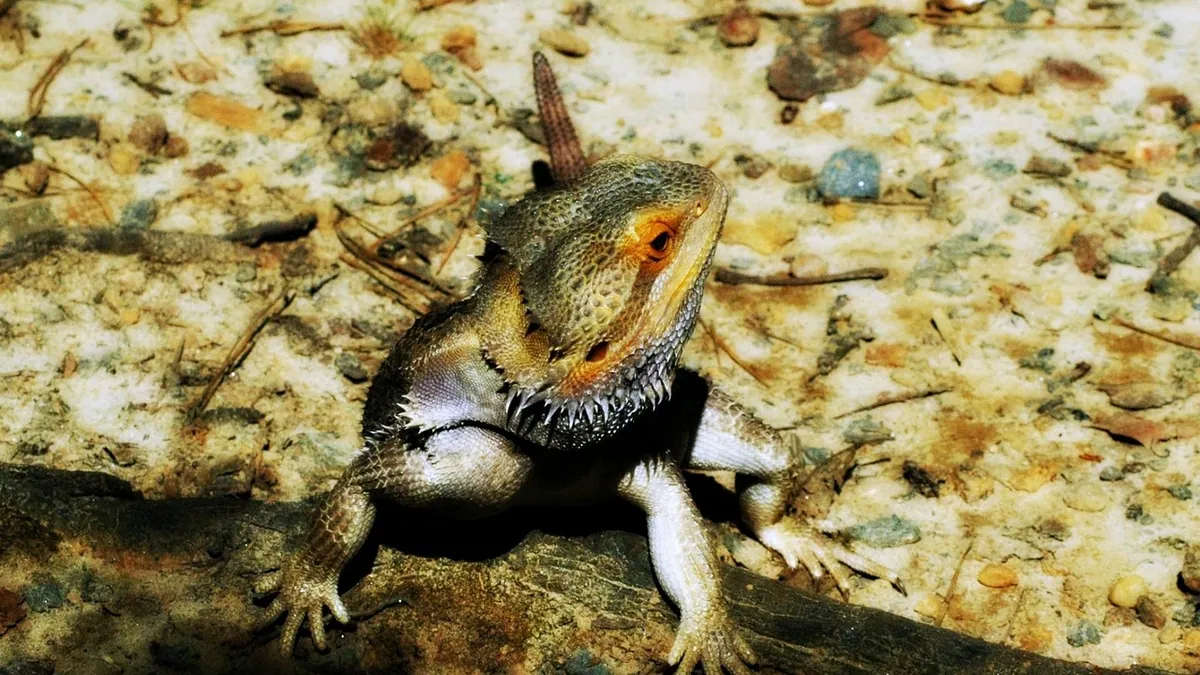
If your bearded dragon is digging, it is usually doing something normal. Digging is built into their instincts for nesting, burrowing, cooling down, or warming up. The question is whether the behavior fits the season, the setup, and your dragon's overall health.
This article is educational and is not a substitute for veterinary diagnosis or treatment.
Quick Answer
- Digging is normal when a female is gravid (carrying eggs), when a dragon is trying to reach a cooler or warmer spot, or when it is burrowing for security.
- A dig box with damp play sand or a sand and soil mix gives a digging dragon a safe outlet and can prevent repetitive scratching at glass or cage corners.
- Constant digging that comes with pacing, head bobbing, black beard, or appetite loss points to stress, an unsuitable enclosure, or pain.
- Digging paired with straining, swelling near the vent, or a swollen belly can mean egg binding or impaction, which needs same-day veterinary care.
- Check your temperatures, substrate, hide spots, and cage size before assuming the behavior is medical.
Why Is My Bearded Dragon Digging? The Normal Reasons
Digging is a natural behavior for bearded dragons. In the wild they dig to lay eggs, to escape heat, to find cooler soil, and to create a safe place to rest. If your dragon is otherwise eating, basking, and behaving normally, digging alone is rarely a concern.
Nesting behavior in females
A female bearded dragon can produce eggs even without a male. When she is gravid, she will often dig repeatedly, scratch at corners, and search for a soft place to lay. This is one of the most common reasons owners see sudden, intense digging. In related reptile species, nest site selection depends on slope, cover, and distance from water, and nesting follows a set sequence of excavation, laying, covering, and leaving the site [1]. Bearded dragons follow a similar pattern, so a female who digs for hours and then settles into one spot may be preparing to lay.
If you have a female and she has never laid eggs, talk to your veterinarian about what to expect. A proper dig box is often the single most helpful thing you can provide.
Burrowing for security and comfort
Bearded dragons use burrows as shelter. Digging into substrate can be a way to feel hidden and safe, especially in a new enclosure or after a move. This is normal and often increases when a dragon feels exposed.
Temperature seeking
Reptiles move between warm and cool areas to control body temperature. Digging can be a way to reach cooler soil when the basking area is too hot, or to press into a warm spot when the cage is too cold. Reptile thermal tolerance is limited, and acclimation responses are small, averaging only about 0.13 °C increase in critical thermal maximum per 1 °C of environmental warming [2]. That means your dragon depends on you to get the temperature gradient right. If the enclosure is too warm or too cool, digging may be the only tool your pet has to cope.
Breeding season and hormones
Male bearded dragons also dig, especially during breeding season. They may scratch, pace, and dig at cage corners as part of territorial and courtship behavior. This usually passes once the season ends.
Medical Causes to Rule Out Before You Assume It Is Normal
Some digging is a sign that something is wrong. These causes need attention.
Impaction and constipation
If a dragon has swallowed substrate, it can become blocked. A blocked dragon may dig, strain, or pace because it feels uncomfortable. Watch for a swollen belly, no bowel movement for several days, or repeated attempts to poop with nothing coming out. You can read more about what normal droppings look like in Healthy Bearded Dragon Poop: A Veterinary Observation Guide.
Egg binding (dystocia)
A gravid female who cannot lay her eggs is in danger. She may dig constantly, strain, breathe heavily, or become lethargic. Egg binding is a medical emergency and can be fatal without treatment.
Pain or illness
Any source of pain can change behavior. A dragon with an infection, metabolic bone disease, or an injury may dig more, hide more, or stop eating. Chronic stress in captive reptiles can be measured through hormonal changes, and housing conditions affect those stress markers differently across species [3]. A dragon that digs nonstop in a poorly designed enclosure may be showing chronic stress, not just instinct.
Parasites and gastrointestinal upset
Intestinal parasites and stomach upset can cause restlessness, straining, and odd digging. A fecal exam is a simple way to check.
When Digging Becomes a Problem
Digging is a problem when it comes with any of these:
- The behavior is constant and the dragon cannot settle.
- Your dragon stops eating or loses weight.
- You see a black beard, which you can learn about in Bearded Dragon Black Beard: What It Means and When to Worry.
- There is swelling near the vent, a swollen belly, or straining.
- The dragon paces, glass-surfs, or scratches at the walls for hours.
- The enclosure is too small, too hot, too cold, or has no proper hide.
If any of these apply, treat the digging as a symptom and look at the whole picture.
What to Do Step by Step
1. Check your temperatures and setup
Measure the basking spot, the warm side, and the cool side with a digital thermometer. Bearded dragons need a clear gradient so they can choose their temperature. If the basking area is too hot, your dragon may dig to escape. If the cage is too cold, it may dig to find warmth. Fix the gradient first.
2. Provide a dig box
A dig box is a shallow container filled with damp play sand or a sand and soil mix. It should be deep enough for your dragon to dig a tunnel, usually several inches. Keep the substrate slightly damp, not soaking wet. Fossorial reptiles avoid the wettest substrates and select moderately low moisture levels [4], so a damp but not soggy mix is the right target. Place the box on the cool side or in a quiet corner.
3. Give a proper nest box for females
If your female is gravid, give her a larger, deeper box with damp substrate. She needs enough room to dig a chamber and lay. Keep the box in a quiet area and limit handling. A female who has a suitable nest site is much less likely to become egg bound.
4. Add hides and cover
Provide at least two hides, one on the warm side and one on the cool side. Add cork bark, plants, or a background to reduce exposure. A dragon that feels secure digs less out of stress.
5. Review substrate
Loose substrate can be swallowed and cause impaction. If your dragon is a messy eater or has a history of impaction, use a solid substrate and offer a separate dig box instead. This gives the digging outlet without the risk.
6. Support nutrition and hydration
A gravid female needs extra calcium and proper UVB lighting. Poor calcium status can lead to egg binding and weak eggs. Make sure your UVB bulb is the right type and is replaced on schedule. Offer fresh water and mist the enclosure lightly if your dragon drinks from droplets.
7. Reduce stress
Keep the enclosure in a low-traffic area. Avoid frequent handling during breeding or nesting season. Keep a consistent light cycle. Stress hormones in captive reptiles respond to housing conditions, and the response can differ by species and setup [3]. A calm, well-designed enclosure supports normal behavior.
8. Track the behavior
Write down when the digging happens, how long it lasts, and what else is going on (eating, pooping, basking, shedding). This record helps your veterinarian sort out normal nesting from a medical problem.
What Not to Do
- Do not punish your dragon for digging. Punishment does not work and increases stress.
- Do not assume all digging means your dragon is sick. Most digging is normal.
- Do not assume all digging is normal either. Constant digging with other signs needs a vet.
- Do not use sand or soil that can clump or harden in the gut.
- Do not ignore a female who digs for days without laying. Egg binding is serious.
- Do not rely on guesswork about temperatures. Use a digital thermometer.
- Do not skip UVB or calcium for a gravid female.
When to Involve a Veterinarian or Behavior Professional
Call a veterinarian with reptile experience if your dragon digs constantly and also shows any of these: no appetite, weight loss, lethargy, a swollen belly, straining, swelling near the vent, or a black beard that does not go away. A female who has been digging for more than a day or two without laying needs to be seen. If your dragon has not pooped in several days or is trying to poop with no result, that is also a reason to call.
If your veterinarian finds no medical cause, a certified behavior professional who works with reptiles can help you review the enclosure, lighting, and handling routine. Behavior problems in reptiles are often environment problems, and a fresh set of eyes helps.
Limitations and When to Contact a Veterinarian
This article cannot tell you what is happening with your individual dragon. Only a veterinarian who examines your pet can do that.
Contact a veterinarian the same day if you see:
- A female digging for more than 24 to 48 hours without laying.
- Straining, or a swollen area near the vent.
- A swollen or hard belly.
- No bowel movement for several days.
- Vomiting or regurgitation.
- Sudden appetite loss with lethargy.
Go to an emergency clinic now if you see:
- Labored breathing or open-mouth breathing at rest.
- Collapse, tremors, or inability to move the back legs.
- A prolapse (tissue sticking out of the vent).
- Bleeding from the vent.
- Severe bloating with unresponsiveness.
Schedule a routine visit if:
- Digging started suddenly and you cannot find an environmental cause.
- Your dragon is eating less but still active.
- You are unsure whether your female is gravid.
- You want help setting up a dig box or nest box.
For general health background, see Bearded Dragon Lifespan and Common Health Problems. To understand why these instincts are so strong, read Understanding the Wild Bearded Dragon: Natural Habitat and Behavioral Insights.
Frequently Asked Questions
Why does my bearded dragon keep digging at the glass?
Digging at glass usually means your dragon is trying to get somewhere it cannot reach. It may be too hot, too cold, or stressed by a small enclosure or lack of cover. Check your temperature gradient and add a dig box and hides.
Is digging a sign my bearded dragon is going to lay eggs?
Not always, but it is a common sign in females. A gravid female digs repeatedly and searches for a soft spot to lay. If she digs for more than a day or two without laying, call your veterinarian.
Can I stop my bearded dragon from digging?
You cannot stop the instinct, and you should not try. You can redirect it with a dig box, proper temperatures, and good hides. If digging is constant and comes with other symptoms, the cause needs veterinary attention.
Does digging mean my bearded dragon is stressed?
Sometimes. Digging can be normal, but constant digging with pacing, a black beard, or appetite loss points to stress. Housing conditions affect stress hormones in captive reptiles, so review the enclosure before assuming it is behavioral.
What should I put in a dig box for my bearded dragon?
Use damp play sand or a sand and soil mix that holds a tunnel without staying soaked. Fossorial reptiles prefer moderately low moisture and avoid the wettest substrates. Keep the box in a quiet spot and check it daily for eggs.
Related Articles
- Bearded Dragon Lifespan and Common Health Problems
- Understanding the Wild Bearded Dragon: Natural Habitat and Behavioral Insights
- Bearded Dragon Care: Overgrown Dental Spurs & Tooth Trimming Guide
- Healthy Bearded Dragon Poop: A Veterinary Observation Guide
- Bearded Dragon Black Beard: What It Means and When to Worry
- Is a Bearded Dragon a Good Pet for Beginners?
- Do Bearded Dragons Burrow? Normal Behavior Explained
- Why Is My Bearded Dragon Eating or Digging in Sand?
- Why Is My Bearded Dragon Hiding? Normal or Concerning?
References
- Nest Site Selection and Nesting Behavior of Reeves' Turtle (Mauremys reevesii) in Qichun County, Hubei Province, China. Ecology and evolution, 2025.
- Physiological responses and adaptive mechanisms of amphibians and reptiles to multiple interacting environmental stressors: an integrative review. Frontiers in physiology, 2026.
- Species-specific variations in corticosterone concentrations in captive snake shed skins: implications for housing systems and welfare. BMC veterinary research, 2026.
- Living Low and Dry: Costs of and Resilience to Soil Hydric Stress in a Fossorial Amphisbaenian Reptile. Integrative zoology, 2025.