Do Bearded Dragons Play? Enrichment and Activity Ideas
By Dr. Zubair Khalid, DVM, MS, PhD ·
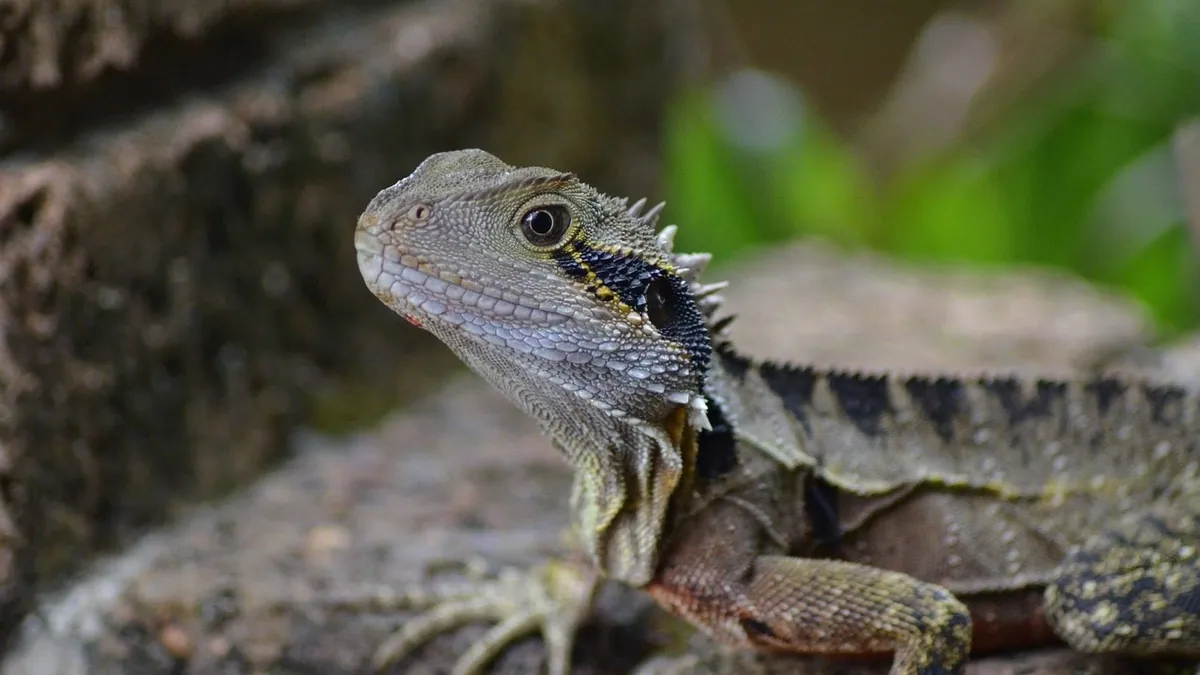
Do bearded dragons play? Not in the way a dog or cat plays, but they do show curiosity, exploration, and object interaction that many owners read as play. What looks like play is usually hunting practice, climbing, digging, or investigating something new. This article is educational and is not a substitute for veterinary diagnosis or treatment.
Quick Answer
- Bearded dragons do not play the way mammals do, but they stay mentally engaged through exploration, climbing, digging, and hunting-style activity.
- Most "play" you see is normal foraging, basking, or territorial behavior, not recreation for its own sake.
- A complex, naturalistic enclosure supports activity and welfare better than a bare tank [1].
- Enrichment works best when it matches natural behavior, such as hiding food, offering safe climbing structures, and varying the setup.
- Sudden changes in activity, appetite, or movement are medical signs, not personality quirks, and need a vet visit.
What Play Looks Like in a Bearded Dragon
Owners often ask how do bearded dragons play because the answer is not obvious. A bearded dragon may chase a moving insect, push a small object with its snout, climb the same branch repeatedly, or dig in a corner. These behaviors can look playful, and they are worth encouraging when they are safe.
Researchers have documented play behavior in a growing number of non-mammalian species, including some cephalopods, where play appears to support learning, memory, and flexible behavior [2]. That finding does not mean bearded dragons play the same way. It does show that play and play-like behavior can appear in animals far outside mammals, and that activity itself can be a useful window into welfare [2].
For a bearded dragon, the closest thing to play is species-appropriate activity. Climbing, digging, basking, hunting, and exploring new objects all fit that description. A lizard that has nothing to do may sit still for most of the day, which owners sometimes mistake for calm contentment.
Why Bearded Dragons Show Play-Like Behavior
Natural foraging and hunting drives
In the wild, bearded dragons spend a lot of time finding food, thermoregulating, and watching for predators. Captive lizards still have those drives. When you scatter insects or hide food in a dish, your dragon gets to work for its meal. That mental and physical effort is one of the easiest forms of enrichment you can provide.
Exploration and curiosity
Reptiles are not passive animals. A study of captive-bred bearded dragons found that enclosure design affects behavior and welfare, and that naturalistic-style enclosures can better accommodate a lizard's activity patterns than standard setups [1]. Lizards in these enclosures used their space more evenly and had better access to thermal variety [1]. Exploration is part of that picture.
Climbing and digging
Bearded dragons climb and dig in the wild. A safe branch, a stacked rock, or a dig box gives them an outlet for those behaviors. Digging in particular is often overlooked in captive care, even though it is a normal activity for many lizards.
Basking and temperature regulation
A dragon that moves between warm and cool zones is doing important work. Thermal heterogeneity, meaning a range of temperatures across the enclosure, is a welfare factor that naturalistic enclosures can provide better than simple ones [1]. A lizard that cannot thermoregulate well may be less active overall.
Social and territorial behavior
Head bobbing, arm waving, and beard flaring are communication, not play. These behaviors often increase when a dragon sees its reflection or another lizard. They can be normal, but repeated stress signals are a reason to adjust the setup.
Medical Causes to Rule Out
A change in activity is not always behavioral. Bearded dragons can develop painful bone and joint problems, and those problems can look like a personality change. One case report described a 2-year-old female bearded dragon with Klebsiella-related spondylitis, a spinal infection, that first showed up as decreased activity, decreased appetite, and constipation [3]. Blood work was largely unremarkable, and a CT scan was needed to find the bone lesion [3].
That case matters for owners because it shows how subtle the first signs can be. If your dragon suddenly stops climbing, avoids its favorite spot, or seems stiff, do not assume it is bored. Pain, infection, and metabolic bone disease can all reduce movement.
Other medical reasons for low activity include improper temperatures, poor UVB exposure, dehydration, impaction, and respiratory infection. These are common problems in captive reptiles and they need veterinary assessment, not more toys.
When Play-Like Behavior Becomes a Problem
Most activity is healthy. Some behaviors cross into a problem zone.
- Repeated glass surfing, which is pacing along the glass, can signal stress, an enclosure that is too small, or a reflection the dragon sees as a rival.
- Constant digging at one corner may mean the temperatures are wrong or the dragon is trying to escape an uncomfortable spot.
- Head bobbing and black bearding at its own reflection can keep a dragon in a stressed state.
- Refusing food while staying active can point to illness, parasites, or a lighting problem.
- Sudden aggression toward hands or objects can be pain-related or hormonal.
Watch the pattern, not a single moment. A dragon that does the same stressed behavior for hours most days needs a change in setup and a veterinary check.
How to Provide Safe Enrichment Step by Step
Step 1: Start with the enclosure
Enclosure design is the foundation of enrichment. A naturalistic setup with varied substrate, hides, branches, and rocks gives your dragon choices. Research on bearded dragons found that naturalistic enclosures supported more even use of space and better thermal variety than standard enclosures [1]. If your dragon lives in a bare tank, upgrading the habitat is the single biggest change you can make.
For a full setup checklist, see the Complete Bearded Dragon Care Guide.
Step 2: Add climbing and digging options
Use stable branches, cork bark, and stacked flat rocks that cannot shift. Add a dig box with a safe substrate so your dragon can burrow. Rotate climbing items every few weeks so the space stays interesting without becoming unfamiliar.
Step 3: Make feeding a mental task
Instead of dropping insects in one spot, let your dragon hunt. Place a few insects in a shallow dish or release them one at a time in a safe area. You can also hide small amounts of greens in different spots. This taps into natural foraging behavior and gives your dragon something to do.
Step 4: Use safe sensory enrichment
Zoos and aquariums increasingly use environmental enrichment for reptiles, and structural and dietary enrichment are the most common types used across reptile groups [4]. That gives you two reliable categories to work with at home. Structural enrichment means habitat design. Dietary enrichment means changing how food is offered.
Technology-based enrichment, such as motion sensors, touchscreens, and feeders, has been studied mostly in mammals and birds, with positive or neutral welfare results in many cases [5]. These tools are not standard for pet bearded dragons, and they are not necessary for good care. Simple changes to the habitat and feeding routine do more for most pet lizards.
Step 5: Keep a routine and observe
Reptiles do best with stable temperatures, lighting, and feeding schedules. Change one thing at a time and watch how your dragon responds. Keep a simple log of activity, appetite, and bowel movements. That record helps you and your vet spot problems early.
Step 6: Handle with care
Short, calm handling sessions can be enriching for a tame dragon. Support the body, keep sessions brief, and put the dragon back if it struggles or black beards. Handling is not a substitute for a good enclosure.
What Not to Do
Do not punish normal behavior
Never spray, tap, or startle your dragon for digging, glass surfing, or bobbing. These are normal reptile behaviors. Punishment adds stress and can make handling dangerous for both of you.
Do not assume boredom is the problem
A sudden drop in activity is a medical sign until proven otherwise. The bearded dragon with spinal infection first presented with decreased activity, decreased appetite, and constipation, and its blood work looked normal [3]. Behavior changes deserve a vet visit, not just a new toy.
Do not use unsafe objects
Avoid small items your dragon can swallow, unstable stacks that can fall, heat rocks that cause burns, and anything with sharp edges. Do not use substrates that can cause impaction if ingested.
Do not rely on mirrors or reflection
Some owners use mirrors for "entertainment." For a territorial lizard, a reflection can trigger repeated stress responses. Skip it.
Do not skip the basics
Enrichment cannot replace correct temperatures, UVB lighting, a proper diet, and clean water. Fix the fundamentals first.
When to Involve a Veterinarian or Behavior Professional
Call a veterinarian who treats reptiles if your dragon shows a sudden change in activity, stops eating, has trouble moving, or develops swelling along the spine or limbs. The spinal infection case in a bearded dragon was diagnosed only after advanced imaging [3], which is why an exam matters when symptoms persist.
A certified behavior professional can help if your dragon shows persistent aggression, repeated self-injury, or stress behaviors that do not improve after you fix the enclosure. In most cases, a reptile-savvy vet is the first call, since pain and illness often drive behavior changes.
If you are new to the species, the article Is a Bearded Dragon a Good Pet for Beginners? covers what daily care really involves. To understand why your dragon behaves the way it does, read Understanding the Wild Bearded Dragon: Natural Habitat and Behavioral Insights.
Limitations and When to Contact a Veterinarian
No article can tell you what is happening with your individual dragon. A veterinarian needs to examine the animal, review the setup, and run tests when needed.
Contact a veterinarian the same day if your dragon:
- Stops eating for more than a day or two
- Becomes suddenly inactive or refuses to move
- Shows swelling, a lump, or a crooked spine
- Has labored breathing, mucus from the nose or mouth, or open-mouth breathing at rest
- Strains to defecate or has not passed stool in several days
Go to an emergency clinic now if your dragon:
- Has a prolapse (tissue protruding from the vent)
- Has a seizure, tremor, or sudden paralysis
- Is bleeding or has a deep wound
- Collapses or cannot right itself
- Was exposed to a toxin or overheated enclosure
Schedule a routine visit if you notice a slow decline in activity, gradual weight loss, or a change in droppings over weeks. Early exams are easier on your dragon and often cheaper than waiting.
Frequently Asked Questions
Do bearded dragons enjoy toys?
Most bearded dragons ignore typical pet toys. They respond better to items they can climb, dig in, or hunt around. A safe branch, a dig box, or a food puzzle fits their natural behavior far better than a ball or plush toy.
Can bearded dragons get bored?
They can become understimulated in a bare enclosure with nothing to do. A naturalistic setup with climbing, digging, and foraging options gives them more to engage with [1]. Watch for repetitive pacing or long periods of inactivity as signs the habitat may need an upgrade.
Is glass surfing a sign my dragon wants to play?
Glass surfing usually means stress, not play. It often points to an enclosure that is too small, a reflection, or temperatures that are off. Check your setup and your dragon's body language before assuming it wants attention.
Do bearded dragons like being handled?
Many tame bearded dragons tolerate calm, brief handling well. Some do not, and that is normal. Keep sessions short, support the body, and stop if your dragon struggles, puffs up, or black beards.
How much activity is normal for a bearded dragon?
Activity varies with age, temperature, season, and health. A healthy adult often has active periods for hunting and basking, then rests. A sudden drop from your dragon's normal pattern is the signal to watch, and a drop that lasts more than a day or two is a reason to call your vet.
Related Articles
- Is a Bearded Dragon a Good Pet for Beginners?
- Complete Bearded Dragon Care Guide
- Understanding the Wild Bearded Dragon: Natural Habitat and Behavioral Insights
- Bearded Dragon Lifespan: What to Expect and How to Maximize It
- Bearded Dragon Care: Pyramiding & Shell Health Management
- What Do Bearded Dragons Like to Do? Daily Behavior Explained
- What Do Bearded Dragons Like to Play With? Toys and Tank Mates
- Do Bearded Dragons Like Being Pet? Handling and Bonding
References
- Influence of enclosure design on the behaviour and welfare of Pogona vitticeps. PloS one, 2025.
- Evidence of play behavior in captive California two-spot octopuses, Octopus bimaculoides. PloS one, 2025.
- Klebsiella sp.-related infectious spondylitis in a bearded dragon (Pogona vitticeps). BMC veterinary research, 2021.
- Environmental enrichment for reptiles in European zoos: Current status and perspectives. Animal welfare (South Mimms, England), 2023.
- The use of technology as environmental enrichment in zoos: A scoping review. Animal welfare (South Mimms, England), 2025.