Do Bearded Dragons Burrow? Normal Behavior Explained
By Dr. Zubair Khalid, DVM, MS, PhD ·
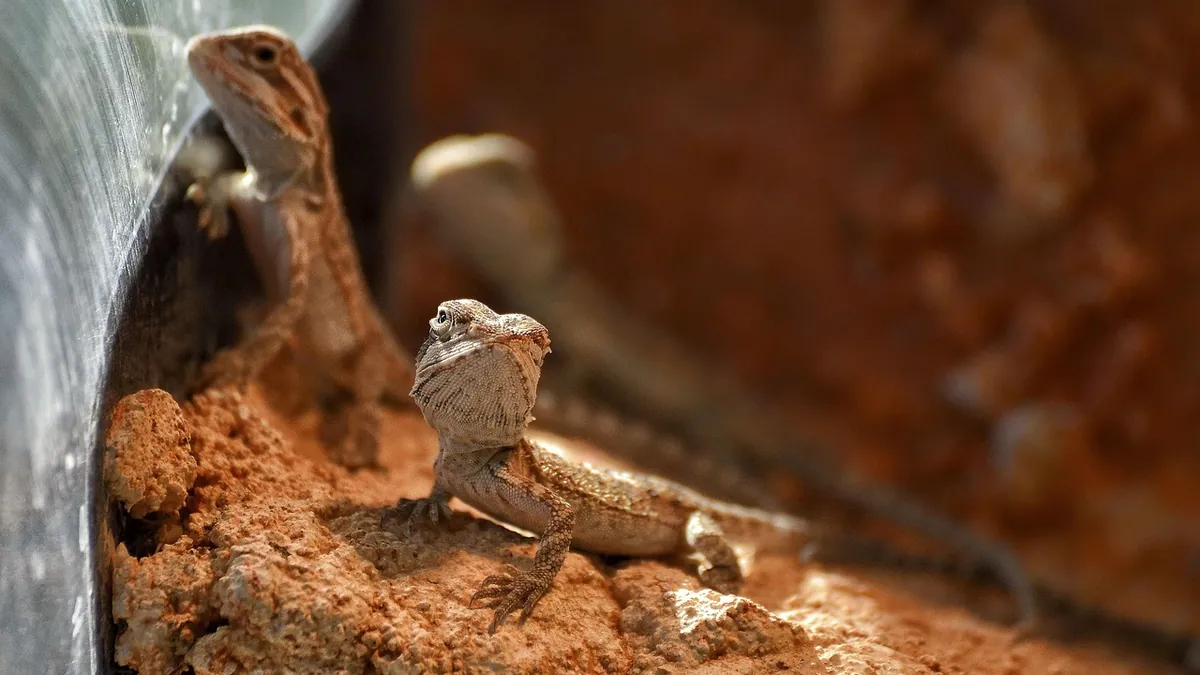
Yes, bearded dragons burrow, and it is a normal behavior for the species. Wild bearded dragons dig to escape heat, to cool down, to hide from predators, and to lay eggs. If your pet has started digging in a corner, flattening its substrate, or pushing bedding into a pile, that is usually a sign of a healthy instinct at work, not a problem.
This article is educational and is not a substitute for veterinary diagnosis or treatment.
Quick Answer
- Burrowing is normal. Bearded dragons dig to thermoregulate, to feel secure, and to prepare a nest.
- A sudden increase in digging often means brumation (a seasonal slow-down) or, in females, egg-laying.
- Loose substrate is the safest way to let a bearded dragon dig. A dig box works well if you keep the main enclosure on tile or paper.
- A female that digs nonstop, strains, or stops eating may be egg-bound and needs a veterinarian.
- Digging paired with lethargy, weight loss, or a swollen limb is a medical sign, not a behavior problem.
Why Bearded Dragons Burrow
Digging Is Built Into the Species
Bearded dragons come from the dry, sandy interior of Australia. Loose soil and sand are part of their natural world, and digging is one of the ways they interact with it. If you want the full picture of how wild bearded dragons use their habitat, see Understanding the Wild Bearded Dragon: Natural Habitat and Behavioral Insights.
Burrowing is common across fossorial reptiles, meaning reptiles adapted to digging and living in soil. Some groups, like the amphisbaenians (worm lizards), use their heads as their main digging tool, and their skull shape reflects that mechanical job [1]. Bearded dragons are not dedicated burrowers like those species, but the underlying drive to move substrate is shared.
Temperature Control
A bearded dragon that is too hot will dig into cooler substrate to escape the heat. A dragon that is too cold may dig into a warm spot or press itself flat against a heated surface. Digging gives your pet a way to fine-tune its body temperature when the enclosure gradient is not quite right.
Security and Hiding
Digging creates a shallow depression or a covered spot. That feels safe. Many bearded dragons dig before sleeping, especially in a new enclosure or after a change in the room. This is normal settling behavior.
Brumation
Brumation is a seasonal period of reduced activity, appetite, and metabolism. Before and during brumation, many bearded dragons dig more, hide more, and sleep for longer stretches. This is a normal seasonal pattern in adults, but it should be managed with a veterinarian if your dragon is young, thin, or showing other signs of illness.
Egg-Laying
A sexually mature female can produce eggs even without a male. Before laying, she often digs test holes, paces, and refuses food. She needs a deep, damp digging area to lay in. Without one, she may hold the eggs, which is dangerous.
Shedding and Skin Comfort
Some bearded dragons dig and rub against substrate when they are shedding. The abrasive surface helps loosen dead skin. This is usually harmless as long as the substrate is clean and the enclosure is dry enough to prevent skin infections.
Is It Normal for Bearded Dragons to Burrow? What Is Not Normal
Digging itself is normal. The context matters. Ask yourself three questions.
First, is your dragon still eating and basking? A dragon that digs but keeps a normal routine is likely fine.
Second, is your dragon losing weight or looking dull? Weight loss with digging points toward a medical problem.
Third, is your dragon a female who has never laid eggs? She may be cycling and needs a nest site.
If the answer to any of these worries you, treat it as a reason to call a veterinarian instead of wait.
Medical Causes to Rule Out
Egg Binding (Dystocia)
A female who digs constantly, strains, has a swollen abdomen, or stops passing stool may be egg-bound. This is a medical emergency. She needs an exam and often imaging.
Impaction
If your dragon swallowed substrate, it can block the digestive tract. Signs include no bowel movement, vomiting, a hard belly, and lethargy. Loose substrate is a risk for impaction if particle size is wrong or if your dragon is dehydrated. A healthy bearded dragon poop guide can help you track what is normal, see Healthy Bearded Dragon Poop: A Veterinary Observation Guide.
Metabolic Bone Disease
Low calcium and poor UVB lighting cause weak bones. A dragon with weak bones may dig oddly, drag its limbs, or tremble. This needs veterinary care and a lighting review.
Respiratory Infection
Wet, dirty substrate grows bacteria and mold. A dragon that digs in damp bedding and then breathes it in can develop a respiratory infection. Signs include open-mouth breathing, mucus, and clicking sounds.
Parasites
Wild-caught or poorly quarantined reptiles can carry internal parasites. Digging in soil that stays damp can worsen the problem. A fecal test is a simple way to check.
Pain or Injury
A dragon with a sore limb, a bite wound, or a burn may dig to get comfortable. Look for swelling, redness, or a change in how your dragon walks.
When Burrowing Becomes a Problem
Burrowing is a problem when it replaces normal behavior. Watch for these patterns.
- Digging all day and ignoring food for more than a few days.
- Digging until the substrate is pushed against the glass and the dragon cannot turn around.
- Digging in a wet or moldy spot.
- Digging followed by straining, tail lifting, or a swollen vent.
- Digging with weight loss, sunken eyes, or a soft jaw.
Any of these means your dragon needs a veterinary visit, not a substrate change.
What to Do: Step by Step
Step 1: Check the Enclosure
Measure your temperatures. You want a warm basking zone and a cooler zone so your dragon can choose. If the cool side is too warm, your dragon will dig to escape. Fix the gradient before you change anything else.
Step 2: Provide a Dig Box
A dig box is a shallow plastic tub filled with safe substrate. Place it in the cool end of the enclosure. This gives your dragon a place to dig without making the whole tank messy. It also makes cleanup easy.
Step 3: Choose Safe Substrate
Good options include washed play sand, a sand and soil mix, or a commercial reptile-safe digging mix. Avoid walnut shells, calcium sand, and large bark chips. These can cause impaction or mouth injuries.
For a female who may lay eggs, the box needs to be deep enough for her to dig a tunnel. Dampen the substrate slightly so it holds shape.
Step 4: Keep It Clean
Spot clean daily. Replace the whole box every few weeks, or sooner if it smells. Damp substrate is a breeding ground for bacteria and mold.
Step 5: Add Enrichment
Digging is one form of enrichment. Add climbing branches, a hide, and safe items to explore. Rotate them so the enclosure stays interesting. A bored dragon often digs more.
Step 6: Support Brumation Safely
If your adult dragon is slowing down for the season, have a veterinarian check it first. A healthy dragon can brumate with a mild temperature drop and less food. A thin or young dragon should not brumate.
Step 7: Support a Gravid Female
If your female is producing eggs, give her a deep, damp nest box and extra calcium as directed by your veterinarian. Do not guess at supplement doses. Your veterinarian calculates the dose from your pet's weight and health.
What Not to Do
Do not punish digging. Your dragon is not being naughty. Punishment causes stress and can make the behavior worse.
Do not remove all substrate to stop digging. A bare floor removes a natural behavior and can increase stress. Use a dig box instead.
Do not use calcium sand. It clumps when wet and is a common cause of impaction.
Do not assume a digging female is fine. Egg binding kills. If she digs for days without laying, call your veterinarian.
Do not ignore a dragon that digs and stops eating. Appetite loss with digging is a red flag.
Do not use heat rocks. They cause burns and do not help with digging behavior.
When to Involve a Veterinarian or Behavior Professional
Call a veterinarian who treats reptiles if your dragon digs constantly for more than a few days, stops eating, loses weight, strains, or shows swelling. A certified behavior professional can help if the digging is tied to stress from handling, a new enclosure, or a tank mate.
If you are new to the species, a beginner's guide can help you set expectations, see Is a Bearded Dragon a Good Pet for Beginners?. Planning for the long term also matters, since these animals live for years, see Bearded Dragon Lifespan: What to Expect and How to Maximize It.
Limitations and When to Contact a Veterinarian
This article cannot diagnose your individual pet. Every case needs a veterinarian who can examine your dragon, take a history, and run tests if needed.
Contact a veterinarian the same day if your dragon:
- Has not eaten for more than two days.
- Has not passed stool in several days.
- Is straining or has a swollen vent.
- Has a soft or swollen jaw, or trembles.
- Has discharge from the nose or mouth.
Go to an emergency clinic now if your dragon:
- Is unresponsive or limp.
- Is gasping or breathing with its mouth open at rest.
- Has a prolapse (tissue sticking out of the vent).
- Has a suspected impaction with vomiting or a hard, painful belly.
Schedule a routine visit if your dragon:
- Is digging more than usual but otherwise acts normal.
- Is a female approaching egg-laying age.
- Is slowing down for the season and you want to confirm brumation is safe.
Frequently Asked Questions
Do bearded dragons burrow in the wild?
Yes. Wild bearded dragons dig to escape heat, to hide, and to lay eggs. Burrowing is a natural part of their daily life in sandy habitats.
Is it normal for bearded dragons to burrow all day?
It can be normal for a short period, especially before brumation or egg-laying. If it lasts more than a few days or comes with appetite loss, it needs a veterinary check.
Should I let my bearded dragon dig in its substrate?
Yes, if the substrate is safe and clean. A dig box with washed play sand or a sand and soil mix gives your dragon a safe outlet without risking impaction from the wrong material.
Why does my bearded dragon dig at the glass?
Digging at the glass often means the enclosure is too small, too hot, or too bare. It can also mean your dragon sees its reflection and feels threatened. Check the temperature gradient and add a hide.
Can a female bearded dragon lay eggs without a male?
Yes. Females can produce and lay infertile eggs on their own. She still needs a deep, damp nest box and veterinary monitoring, because egg binding is a real risk.
Does burrowing mean my bearded dragon is sick?
Not by itself. Burrowing is normal. It becomes a concern when it happens with weight loss, appetite loss, straining, or unusual breathing.
What substrate is safest for digging?
Washed play sand, a sand and soil mix, or a commercial reptile digging mix are good choices. Avoid calcium sand, walnut shells, and large bark chips.
Related Articles
- Understanding the Wild Bearded Dragon: Natural Habitat and Behavioral Insights
- Healthy Bearded Dragon Poop: A Veterinary Observation Guide
- Bearded Dragon Care: Overgrown Dental Spurs & Tooth Trimming Guide
- Is a Bearded Dragon a Good Pet for Beginners?
- Bearded Dragon Lifespan: What to Expect and How to Maximize It
- Bearded Dragon Lifespan and Common Health Problems
- Why Is My Bearded Dragon Digging? Normal or a Problem?
- Why Is My Bearded Dragon Hiding? Normal or Concerning?
- Why Is My Bearded Dragon Eating or Digging in Sand?
References
- Ontogenetic skull variation in a round-headed Trogonophidae amphisbaenian species with inferences on bite force. Anatomical record (Hoboken, N.J. : 2007), 2026.