Does My Bearded Dragon Like Me? Bonding Signs
By Dr. Zubair Khalid, DVM, MS, PhD ·
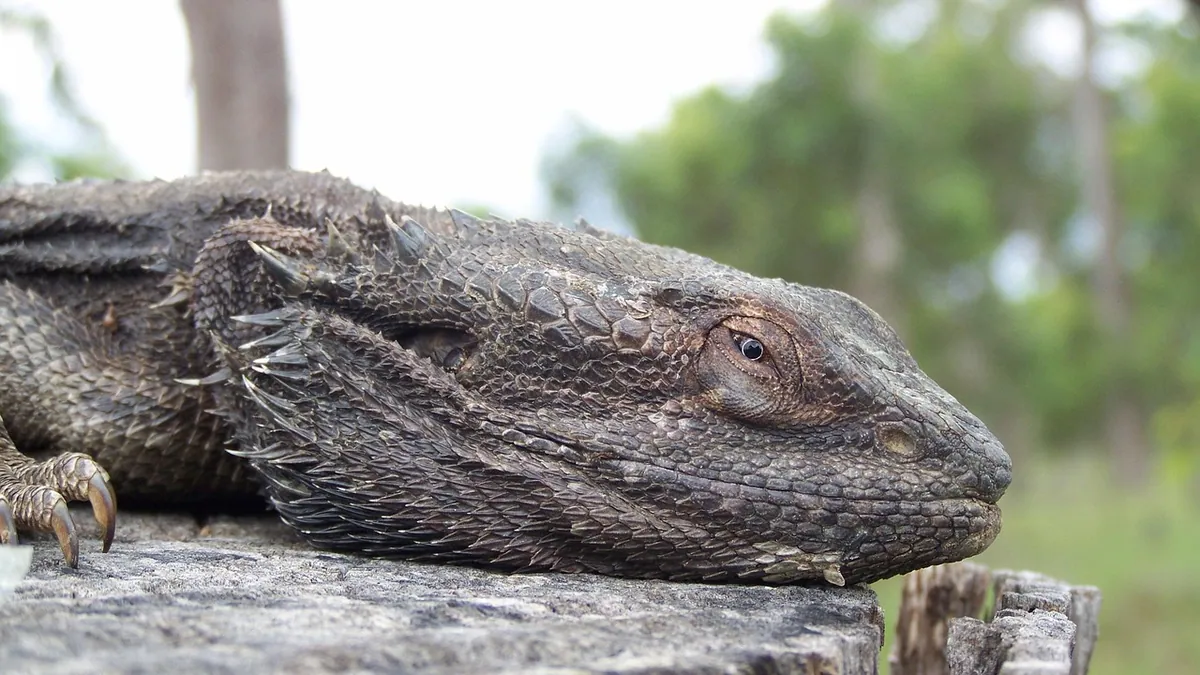
Bearded dragons do not love their owners the way a dog or cat does, but they can learn to recognize you, tolerate handling, and seek out warmth and safety near you. If you want to know how to tell if my bearded dragon likes me, watch for relaxed posture, slow blinking, calm exploration, and a willingness to eat and rest in your presence. This article is educational and is not a substitute for veterinary diagnosis or treatment.
Quick Answer
- A bearded dragon that "likes" you is usually showing tolerance and trust, not human-style affection.
- Relaxed signs include a flat body, loose limbs, slow blinking, calm tongue flicks, and staying put instead of fleeing.
- Stress signs include a black beard, puffing, hissing, open-mouth gaping when cool, head bobbing, tail whipping, and frantic glass surfing.
- Reptiles rely heavily on scent and chemical cues to read other animals, so your smell and routine matter more than cuddling [1].
- Any sudden change in temperament can be medical, so a vet check comes before behavior training.
Why Does My Bearded Dragon Like Me? The Real Reasons
Bearded dragons are not domesticated in the same way dogs are. They are wild reptiles that humans have kept and bred in captivity, and their social world is built on territory, basking, mating, and avoiding predators. When your dragon seems to enjoy your company, it is usually responding to safety, warmth, food routine, and familiarity.
That does not mean the bond is fake. It means the bond looks different. Reptiles have a brain region called the pallium, which is the evolutionary precursor to the mammalian neocortex and supports learning and social behavior [2]. So a bearded dragon can absolutely learn that you are the person who brings food, opens the enclosure, and does not hurt it.
Scent is a big part of this. Squamate reptiles, the group that includes lizards and snakes, lean heavily on chemosensory information, and they can use airborne chemical cues to tell individuals apart [1]. Your dragon may know your hand by smell before it knows your face.
Warmth is another reason. A bearded dragon that climbs onto your arm or settles on your chest may simply be seeking heat. That is normal and healthy. It is not proof of love, but it is proof that your dragon feels safe enough to use you as a basking spot.
How to Tell If My Bearded Dragon Trusts You
Trust is the better goal than love. A trusting bearded dragon acts calm and predictable around you.
Signs of trust and tolerance
- It stays relaxed when you open the enclosure instead of running or hiding.
- It lets you pick it up without puffing, hissing, or whipping its tail.
- It eats in front of you.
- It closes its eyes or slow-blinks while resting on you.
- It explores your hands or lap with slow tongue flicks.
- It returns to its basking spot calmly after handling.
Signs owners misread as affection
- Climbing on you may be heat-seeking, not cuddling.
- Sitting still may be freezing from stress, not contentment.
- Tongue flicking is scent sampling, not kissing.
- Following your hand may be food anticipation, not missing you.
- Closing eyes can mean calm, but it can also mean shutdown in a stressed reptile.
If your dragon tolerates handling, eats well, basks normally, and shows no black beard or defensive postures, you are doing well. That is a good relationship for a captive lizard.
How to Tell If My Bearded Dragon Hates You (Stress Signs)
Owners often ask how to tell if my bearded dragon hates me. Hate is not the right word. What you are seeing is fear, stress, pain, or a husbandry problem.
Watch for these signs:
- A black beard, which is a stress or threat signal. Learn more in Bearded Dragon Black Beard: What It Means and When to Worry.
- Puffing up the body or beard to look larger.
- Hissing, lunging, or biting.
- Tail whipping.
- Head bobbing, which can be territorial or social.
- Glass surfing, which often means the enclosure is too small, too hot, too cold, or too exposed.
- Hiding all day or refusing food.
- Gaping when the enclosure is not too warm, which can be a sign of illness or overheating.
A dragon that runs from you is not being dramatic. It is telling you it feels unsafe. That is fixable with patience, but only after you rule out pain and illness.
Medical Causes to Rule Out First
A sudden personality change in a reptile is a medical red flag until proven otherwise. Bearded dragons are good at hiding illness, and they often show it as behavior first.
Common medical problems that look like "my dragon hates me":
- Impaction from sand, substrate, or large prey. Signs include straining, no bowel movement, lethargy, and loss of appetite. Read Bearded Dragon Impaction: Signs, Causes, and Veterinary Care.
- Parasites, including pinworms. One case report described a bearded dragon with a two-week history of reduced condition and food intake and a high-grade oxyuriasis (pinworm infection) [3].
- Metabolic bone disease from poor calcium and UVB.
- Respiratory infection, often with wheezing, mucus, or open-mouth breathing.
- Overheating or dehydration. Reptiles are highly sensitive to temperature and water balance, and multiple environmental stressors can interact to harm them [4].
- Pain from injury, burns, or a mass. The same case report described a bearded dragon with reduced body tension and movement behavior linked to an internal mass [3].
If your dragon's behavior changed within days, book a vet visit before you try any training plan.
When Does Behavior Become a Problem?
Normal behavior becomes a problem when it affects health or safety.
Get help if your dragon:
- Refuses food for more than a few days.
- Stops passing stool.
- Cannot bask normally or stays on the cool side all day.
- Bites, lunges, or tail whips every time you approach.
- Has a black beard that does not fade.
- Shows tremors, weakness, or trouble walking.
- Has discharge from the nose or eyes, or breathes with its mouth open.
A dragon that is simply shy is not a problem. A dragon that is in pain, too cold, too hot, or living in a bare enclosure is a problem you can fix.
What to Do Step by Step
1. Fix the environment first
Most "bad" bearded dragon behavior starts with the setup. Check these basics:
- Basking surface temperature in the correct range for your dragon's age.
- A proper temperature gradient so it can cool down.
- UVB bulb that is not expired and is the right distance from the basking spot.
- Enclosure large enough for an adult to move, turn, and dig.
- Hiding spots and clutter so it does not feel exposed.
- Clean substrate and no loose sand for young or sick dragons.
A bearded dragon that feels secure in its enclosure is far more likely to tolerate handling.
2. Use calm, short handling sessions
Start with five minutes. Sit on the floor or a low surface so a fall cannot hurt your dragon. Support the body and legs. Do not grab in published veterinary research, because that mimics a predator.
Repeat short sessions a few times a week. End on a calm note. Over weeks, most healthy dragons learn that handling is safe.
3. Use food to build positive associations
Offer food by hand or with tongs if your dragon is comfortable. Let it associate your presence with something good. Do not force interaction when it is hiding or black-bearding.
4. Add enrichment
Bearded dragons benefit from things to explore, dig, and climb. Rotate safe items. Provide a dig box. Offer supervised time outside the enclosure in a safe, warm room.
5. Keep a routine
Feed, clean, and handle at similar times. Reptiles learn patterns. Predictability lowers stress.
6. Track behavior
Write down appetite, bowel movements, basking time, and reactions to handling. This log helps you and your vet spot trends.
What Not to Do
- Do not punish your dragon. Punishment does not teach a reptile to like you. It teaches fear.
- Do not tap the glass. It is stressful and can cause nose rubs.
- Do not grab, flip, or restrain your dragon roughly.
- Do not assume a still dragon is a happy dragon. It may be shut down from stress.
- Do not assume climbing means love. It often means warmth.
- Do not skip UVB or calcium because your dragon "seems fine."
- Do not buy a bearded dragon expecting dog-like affection. If you want a realistic picture, read Is a Bearded Dragon a Good Pet for Beginners?.
- Do not ignore a black beard or appetite loss as a personality quirk.
When to Involve a Veterinarian or Behavior Professional
Call a reptile-experienced veterinarian if your dragon shows any medical red flag, including not eating, not pooping, black beard, open-mouth breathing, weakness, or a sudden change in temperament. A certified behavior professional can help if your dragon is healthy but you cannot handle it safely, or if you are being bitten.
Understanding wild behavior helps too. A captive dragon still carries the instincts of its wild ancestors, and those instincts explain most of what you see. For more context, read Understanding the Wild Bearded Dragon: Natural Habitat and Behavioral Insights.
Limitations and When to Contact a Veterinarian
No article can tell you what is happening with your individual dragon. Individual cases need a veterinarian who can examine the animal, review husbandry, and run tests.
Contact a veterinarian the same day if your dragon:
- Has a black beard that will not fade.
- Refuses food for more than a few days.
- Has not passed stool in several days.
- Is lethargic, weak, or trembling.
- Has swollen limbs, a soft jaw, or trouble walking.
Go to an emergency clinic now if your dragon:
- Is gasping or breathing with its mouth open at rest.
- Has a prolapse from the vent.
- Is bleeding, burned, or has a suspected fracture.
- Is unresponsive or having seizures.
- Was exposed to a toxin or overheated.
Book a routine visit if you are unsure about your setup, if your dragon is new, or if you want a baseline health check. A vet can calculate any medication dose from your pet's weight and health, so never use a dose from the internet.
Frequently Asked Questions
Does my bearded dragon recognize me?
Yes, many bearded dragons learn to recognize their owner by sight, smell, and routine. Reptiles use chemical cues heavily, and squamate reptiles can discriminate between different chemical signatures from other animals [1]. Recognition does not equal love, but it does mean your dragon can learn that you are safe.
Why does my bearded dragon close its eyes when I pet it?
Closing the eyes can mean calm relaxation, especially if the body is loose and the beard is pale. It can also mean stress or shutdown if the dragon is tense, hiding, or black-bearding. Look at the whole body, not just the eyes.
Why does my bearded dragon run away from me?
Running away usually means fear, pain, or a husbandry problem. Check temperature, UVB, hiding spots, and recent changes first. If the behavior is new and sudden, see a vet before starting a handling plan.
Can a bearded dragon bond with its owner?
It can form a working bond based on trust, routine, and safety. That bond may look like calm handling, eating from your hand, and resting near you. It will not look like a dog greeting you at the door.
How long does it take for a bearded dragon to trust you?
There is no fixed timeline, and it depends on age, health, past handling, and enclosure setup. Some dragons settle in weeks, others take months. Go at your dragon's pace and stop sessions if it shows stress.
Do bearded dragons like being held?
Some tolerate it well and some do not. A healthy dragon that stays relaxed, keeps a pale beard, and does not struggle is usually fine with short handling. If yours puffs, hisses, or whips its tail, shorten sessions and check for pain or stress.
Is my bearded dragon happier alone?
Bearded dragons are generally solitary and do best housed alone. Group housing can cause stress, competition, and injury. If you want a companion for your dragon, your calm presence and good care are the better choice.
Related Articles
- Bearded Dragon Black Beard: What It Means and When to Worry
- Bearded Dragon Impaction: Signs, Causes, and Veterinary Care
- Is a Bearded Dragon a Good Pet for Beginners?
- Understanding the Wild Bearded Dragon: Natural Habitat and Behavioral Insights
- Bearded Dragon Lifespan: What to Expect and How to Maximize It
- Bearded Dragon Black Beard Meaning
- Do Bearded Dragons Recognize Their Owners? Bonding Signs
- How to Tell If Your Bearded Dragon Is Happy
- Do Bearded Dragons Like Being Pet? Handling and Bonding
References
- Scents and Scent Ability: Can Snakes Identify Heterospecifics and Conspecifics Using Airborne Semiochemicals?. Journal of chemical ecology, 2026.
- Divergent structural trajectories for pallial regionalization within reptiles reveal conserved evolutionary blueprints. Cerebral cortex (New York, N.Y. : 1991), 2026.
- Successful Treatment of an Acinar Pancreatic Carcinoma in an Inland Bearded Dragon (Pogona vitticeps): A Case Report. Animals : an open access journal from MDPI, 2024.
- Physiological responses and adaptive mechanisms of amphibians and reptiles to multiple interacting environmental stressors: an integrative review. Frontiers in physiology, 2026.