Why Is My Bearded Dragon Laying Flat? What It Means
By Dr. Zubair Khalid, DVM, MS, PhD ·
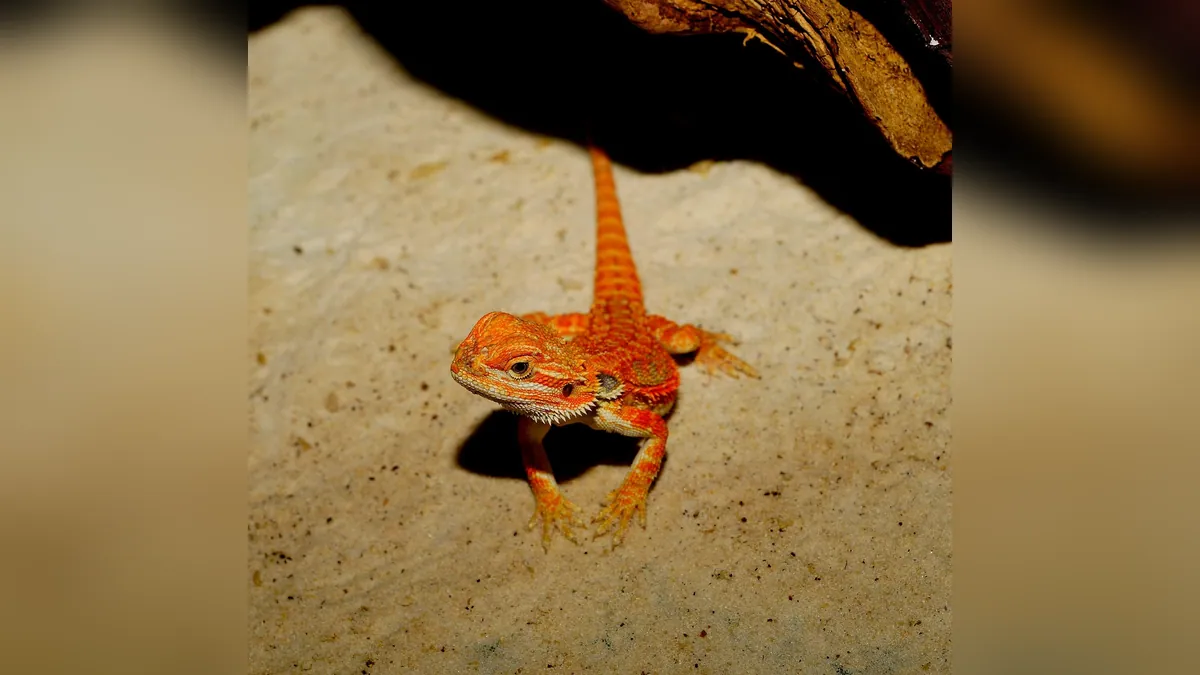
Bearded dragons often flatten their bodies against a surface to soak up heat and light, and this pancaking behavior is usually completely normal. The position lets them pull in warmth in published veterinary research and below at the same time. But if your bearded dragon is flat and also limp, unresponsive, or unable to lift its head, that is a different situation and needs veterinary attention.
This article is educational and is not a substitute for veterinary diagnosis or treatment.
Quick Answer
- Pancaking under a heat lamp or on a warm surface is normal thermoregulation, not a sign of illness.
- A flat dragon that is alert, has its head up, and moves normally when you approach is usually fine.
- A flat, limp dragon that cannot right itself, drags its legs, or will not respond to touch needs a same-day veterinary visit.
- Lethargy and loss of appetite are the two most common reasons bearded dragons are brought in for emergency care, and both are linked to a lower chance of surviving to discharge [1].
- Check your temperatures, UVB bulb age, and diet before assuming the posture is behavioral.
Why Do Bearded Dragons Go Flat? Normal Reasons First
Flattening is one of the most common bearded dragon behaviors, and most of the time it means your reptile is comfortable and doing exactly what its body tells it to do.
Basking and thermoregulation
Bearded dragons are ectotherms. They cannot make their own body heat, so they manage it by moving between warm and cool zones and by changing their body shape. When a dragon pancakes, it spreads its ribs outward and presses its belly and the underside of its throat against the surface below. That increases the amount of skin touching a warm basking rock or tile, so heat moves into the body faster. It also exposes more surface area to the heat lamp above.
You will often see this in the morning after a cool night, right after a meal, or any time the basking spot is doing its job. A dragon that pancakes, closes its eyes, and lifts its head slightly toward the lamp is a happy dragon.
Shedding, stretching, and resting
Dragons also go flat when they are shedding and the old skin feels tight, when they are stretching after a nap, or when they are simply relaxed. Some dragons flatten out in the cool end of the enclosure too, which can be a way to dump heat when they have had enough. If your dragon is flat in the shade with its mouth closed and its eyes open, it may just be cooling down.
Social and defensive flattening
A bearded dragon may flatten against the ground to look larger or to avoid being seen. This is more common in a new enclosure, around a new cage mate, or after a startling noise. Watch for other body language. A dragon that is flattening out of stress often pairs it with a black beard, head bobbing, or a puffed throat. You can read more about that signal in our guide to the bearded dragon black beard.
Medical Causes to Rule Out
When a bearded dragon lays flat and does not look right, the posture itself is not the diagnosis. It is a clue. Several serious conditions can cause a dragon to go flat and stay flat.
Impaction
Impaction happens when the digestive tract gets blocked, often by substrate, oversized prey, or a meal that cannot pass. A blocked dragon may pancake on the floor of the enclosure, strain, and stop producing stool. It may also stop eating and become lethargic. Impaction is a medical emergency, not something to wait out at home.
Metabolic bone disease
Metabolic bone disease from calcium and vitamin D3 deficiency is common in pet reptiles [2]. Without enough usable calcium, bones soften and muscles weaken. A dragon with metabolic bone disease may lie flat because it cannot support its own weight, and it may have tremors, a rubbery jaw, or bent limbs. UVB exposure raises calcium and ionized calcium levels in bearded dragons, which is why proper lighting matters so much [2].
Infection and systemic illness
Infections can also flatten a dragon. In one outbreak in a captive group of young bearded dragons, the animals showed dehydration, lethargy, poor appetite, weight loss, neck extension, and open-mouth breathing, and Mycoplasma pogonae was confirmed as the cause [3]. Pneumonia was found in most of the dragons that died [3]. A flat, limp posture combined with breathing trouble is a serious warning sign.
Pain, masses, and reproductive disease
Pain from any source can make a dragon reluctant to move. In bearded dragons brought in for emergency evaluation, females more often presented with a swollen coelom and were diagnosed with reproductive disease [1]. Tumors can also cause vague signs. One report described an adult female bearded dragon with lethargy, a head tilt, and a palpable mass in the body cavity, later found to have a malignant ovarian tumor that had spread [4]. None of these can be sorted out at home.
Neurologic problems
A dragon that is flat and also tilting its head, circling, or having trouble with its eyes may have a neurologic issue. The dragon in the case report above had a head tilt and eye changes along with its lethargy [4]. These signs need imaging and blood work.
When Flat Becomes a Problem
The difference between normal pancaking and a medical problem usually comes down to the whole picture, not the posture alone.
Normal flat behavior looks like this. Your dragon is alert. It lifts its head when you walk by. It moves away if you touch it. Its eyes are open and clear. It eats and passes stool on a normal schedule.
Concerning flat behavior looks like this. Your dragon stays flat when you approach. It cannot lift its head or right itself. Its limbs feel weak or it drags its back legs. It refuses food. It has not passed stool in several days. Its breathing looks labored or it holds its mouth open when it is not hot. Its beard is black and it seems painful.
Lethargy and anorexia are the two most frequent complaints in bearded dragons seen on an emergency basis, and both are associated with a lower chance of surviving to discharge [1]. Poor body condition is linked to worse outcomes as well [1]. That does not mean your dragon cannot recover. It means the sooner it is seen, the better its odds.
What to Do Step by Step
If your bearded dragon is flat, work through these steps in order.
1. Check the basics first
Look at your dragon before you change anything. Is it under the heat lamp or in the cool zone? Are its eyes open? Does it respond to your voice or movement? Gently touch a back leg and see if it pulls away. If it does, the posture is probably behavioral.
2. Verify your temperatures and lighting
Use a digital thermometer or infrared gun to measure the basking surface and the cool end, not just the air. Confirm that your UVB bulb is the right type for a bearded dragon and that it has been replaced on schedule. UVB output fades over time even when the bulb still glows. If your setup is off, review our bearded dragon enclosure setup, sizing, and heating guide and correct it.
3. Review diet and supplements
Calcium and vitamin D3 intake matter for every dragon, and deficiencies show up as weak bones and muscles [2]. Dust feeder insects with a calcium supplement according to your veterinarian's guidance, and offer a varied diet of appropriate insects and greens. Your veterinarian calculates any specific supplement dose from your dragon's weight and health, so do not guess at amounts.
4. Support hydration and warmth
Offer a shallow water dish and mist lightly if your dragon tolerates it. Keep the enclosure within the correct temperature range. Do not soak a limp or unresponsive dragon in deep water, since it may not be able to hold its head up.
5. Keep a simple log
Write down what you see each day. Note appetite, stool, activity, and how long the flat posture lasts. Bring this log to your appointment. It gives your veterinarian real information instead of a guess.
6. Reduce stress while you wait
Move the enclosure to a quiet spot. Limit handling. Keep other pets away. If you have more than one dragon, house them separately unless a veterinarian has told you otherwise.
What Not to Do
Do not punish a flat dragon. There is no training correction that fixes a medical problem, and stress makes sick reptiles worse.
Do not assume it is brumation. Brumation is a seasonal slowdown in a healthy dragon with good body condition. A thin, weak, or limp dragon is not brumating.
Do not force-feed a dragon that may be impacted or blocked. That can make a blockage worse.
Do not guess at calcium or medication doses. Dosing depends on weight, species, and the specific problem, and your veterinarian will calculate it.
Do not rely on a heat rock. Belly heat from a rock can burn a dragon that is too weak to move off it.
Do not wait a week to see if it improves. Lethargy and poor body condition are tied to worse outcomes in bearded dragons seen for emergencies [1].
When to Involve a Veterinarian
Call a veterinarian who treats reptiles if the flat posture lasts more than a day, if your dragon is eating less, or if you cannot get your temperatures and UVB right. If your dragon is limp, cannot lift its head, is gasping, or has not passed stool in several days, treat it as an emergency and go now.
A certified behavior professional is rarely the right first call for a flat dragon. Behavior consultants help with handling and enrichment, but they cannot diagnose impaction, infection, or metabolic bone disease. Start with a veterinarian, then add a behavior professional if the problem turns out to be stress or husbandry related.
Limitations and When to Contact a Veterinarian
No article can tell you what is wrong with your individual dragon. A veterinarian needs to examine it, take a history, and likely run blood work or imaging. Individual cases always need a veterinarian.
Go to an emergency clinic now if your bearded dragon is limp, unresponsive, gasping, has a prolapse, is bleeding, or cannot move its legs.
Call for a same-day appointment if your dragon has stopped eating, has a black beard that will not fade, is losing weight, has not passed stool in several days, or has been flat and dull for more than 24 hours.
Schedule a routine visit if your dragon is eating and active but you are unsure about your UVB setup, your supplement schedule, or your temperatures. A checkup now can prevent a crisis later. If you want to understand what healthy activity looks like in the wild, our article on the wild bearded dragon is a good starting point.
Frequently Asked Questions
Is it normal for bearded dragons to lay flat?
Yes, in most cases. Laying flat, or pancaking, is a normal way for a bearded dragon to absorb heat from a basking surface and from the lamp above. It becomes abnormal when the dragon is also limp, unresponsive, or unable to lift its head.
Why does my bearded dragon lay flat all day?
A dragon that stays flat all day may be too cool, may be sick, or may be in a low-energy state from poor nutrition. Check your basking and cool-end temperatures and your UVB bulb first. If the setup is correct and the behavior continues, book a veterinary visit.
Why is my bearded dragon flat and not moving?
A dragon that is flat and not moving is showing a warning sign. Weakness, paralysis, or a complete lack of response can point to impaction, infection, metabolic bone disease, or pain. This needs a same-day veterinary exam.
Can a flat posture mean my bearded dragon is dying?
It can be a sign of serious illness, but it is not a diagnosis on its own. Lethargy and poor body condition are linked to lower survival in bearded dragons seen for emergency care, so a flat, weak dragon should be evaluated right away instead of watched at home.
Does a flat bearded dragon need a UVB bulb change?
Possibly. UVB bulbs lose output over time even when they still light up, and UVB exposure raises calcium levels in bearded dragons. If your bulb is past its replacement interval, change it and have your dragon examined to check for metabolic bone disease.
If your dragon is flat but bright and responsive, you are probably seeing normal basking behavior. If it is flat and dull, weak, or off its food, treat it as a medical concern and get help.
Related Articles
- Bearded Dragon Black Beard: What It Means and When to Worry
- Bearded Dragon Black Beard Meaning
- Bearded Dragon Lifespan: What to Expect and How to Maximize It
- Understanding the Wild Bearded Dragon: Natural Habitat and Behavioral Insights
- Bearded Dragon Enclosure Setup, Sizing, and Heating
- Bearded Dragon Care: Incomplete shedding dysecdysis and humidity guide
- Why Is My Bearded Dragon So Lazy? Normal vs. Concerning
- Why Is My Bearded Dragon Not Active? Causes and What to Do
- Why Is My Bearded Dragon Hiding and Not Basking?
References
- Bearded dragons (Pogona vitticeps) presenting for emergency evaluation with lethargy and anorexia are less likely to survive to discharge. American journal of veterinary research, 2026.
- Effect of different dietary supplements on the growth and blood parameters of bearded dragons (Pogona vitticeps). Acta veterinaria Hungarica, 2026.
- Molecular Characterization and Clinicopathological Findings of Mycoplasma pogonae Infection in Captive Central Bearded Dragons (Pogona vitticeps). Animals : an open access journal from MDPI, 2025.
- Metastasizing dysgerminoma in an inland bearded dragon (Pogona vitticeps). BMC veterinary research, 2024.