How Long Do Bearded Dragons Sleep? Normal Patterns
By Dr. Zubair Khalid, DVM, MS, PhD ·
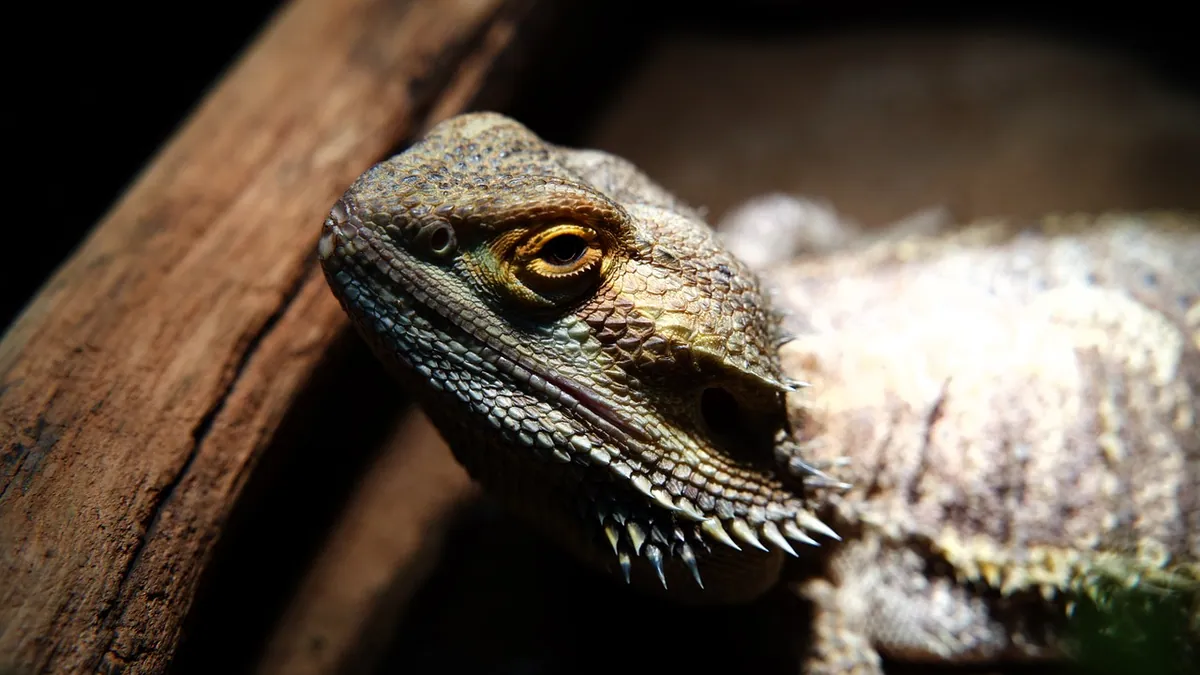
Bearded dragons typically sleep 8 to 12 hours each night, matching the dark phase of their light cycle. Juveniles and babies often sleep more, sometimes 14 hours or longer, because growth demands rest. If your dragon sleeps through the day, twitches at night, or stops waking for food, the cause matters, and this guide explains how long bearded dragons sleep and when to worry.
This article is educational and is not a substitute for veterinary diagnosis or treatment.
Quick Answer
- Adult bearded dragons usually sleep 8 to 12 hours per night when lights are off for 10 to 12 hours.
- Juveniles and hatchlings need more sleep, often 12 to 14 hours, and may nap during the day.
- Brumation is not sleep. It is a weeks-long cool-season slowdown with reduced activity and appetite.
- Twitching, eye movement, and small limb jerks during sleep are normal and reflect active sleep stages.
- A dragon that sleeps all day, refuses food for days outside brumation, or cannot be roused needs a veterinary visit.
How Long Do Bearded Dragons Sleep by Age
Sleep needs shift as a bearded dragon grows. A hatchling or young juvenile is growing fast, digesting frequently, and burning energy. That animal may sleep 12 to 14 hours overnight and still take daytime rests. A healthy adult on a steady diet and correct temperatures usually sleeps 8 to 12 hours. A senior dragon may sleep a bit more and move less, but it should still wake, bask, and eat on most days.
The light cycle you set drives much of this. Bearded dragons are diurnal, meaning they are active in daylight and rest in darkness. A 12-hour light and 12-hour dark schedule is a common baseline for adults. If you leave lights on 16 hours a day, your dragon may not get enough dark time and can become irritable or eat poorly. If you cut light to 8 hours, a healthy adult may sleep more than it needs.
Temperature matters too. When a bearded dragon is cooled below its active range, movement can stop completely. In one study, bearded dragons held at 30 °C (86 °F) under constant light showed a free-running activity rhythm, and exposure to 4 °C (about 39 °F) caused a complete cessation of locomotion [1]. That is a cold-induced shutdown, not ordinary sleep. After rewarming, the timing of the resumed rhythm depended on when the cooling ended, not on how long it lasted [1].
Is It Normal for Bearded Dragons to Sleep So Much?
Yes, in many cases. A dragon that sleeps long hours but wakes alert, basks, eats, and passes stool is usually fine. The pattern that should get your attention is a change from that animal's normal routine. If your dragon used to be up at 8 a.m. and now stays buried until noon for several days, that is a signal to check your setup and your dragon's body condition.
Sleep in reptiles is real sleep, not just inactivity. Bearded dragons show two-stage sleep patterns, and their sleep is studied using brain activity in regions outside the cortex [2]. When researchers deprived bearded dragons of sleep for 7 hours, they found a significant rebound in local field potential activity afterward, which is a marker of sleep pressure building up [2]. In plain terms, your dragon's brain tracks lost sleep and tries to recover it. That is one reason a single disrupted night is usually not a crisis, but repeated disruption is.
Quiet matters. Bearded dragons do not need a soundproof room, but they do need a dark, low-traffic area at night. A cage in a busy living room with a TV on until midnight, a dog barking, or a heat lamp left on will fragment sleep. Keep the enclosure away from foot traffic and cover the glass if room lights stay on late.
Brumation vs Sleep: How to Tell the Difference
Brumation is a cool-season state of reduced activity, appetite, and metabolism. It is not the same as nightly sleep. During brumation, a bearded dragon may sleep for most of the day for weeks, eat little or nothing, and pass stool rarely. This is normal for many adults, especially in fall and winter, but it is not universal. Some dragons brumate lightly, some skip it, and some go into a deep slowdown.
The key difference is duration and depth. Normal sleep happens in a daily cycle and your dragon wakes each morning. Brumation lasts days to weeks, and your dragon may not fully wake even when you handle it. During brumation, keep a basking spot available, offer water, and monitor weight. A dragon that loses significant weight, develops sunken eyes, or has discharge from the nose or mouth is not brumating normally.
Cold exposure can also reset activity rhythms. In bearded dragons, a transient cool period stopped movement entirely, and the rhythm after rewarming was set by when the cooling stopped [1]. If your power goes out in winter and your enclosure drops cold, expect a disrupted schedule for a while afterward. Warm the enclosure back to normal range slowly and keep the light cycle steady.
A Daily and Weekly Sleep Checklist
Use this checklist to keep sleep on track. Adjust based on your dragon's age and your veterinarian's advice.
| Item | Target | Why it matters |
|---|---|---|
| Lights on | 10 to 12 hours | Supports a stable daily rhythm |
| Lights off | 12 to 14 hours | Allows full dark sleep |
| Night heat | Only if room drops below safe range | Constant light or heat disrupts sleep |
| Basking temp | Species-appropriate gradient | Supports digestion and daytime activity |
| Bedtime quiet | Dark, low-traffic area | Reduces night waking |
| Morning check | Eyes open, basking within 1 to 2 hours | Confirms normal waking |
| Weekly weight | Stable or slowly rising in juveniles | Early sign of illness or brumation problems |
| Weekly stool | Regular, formed | Poor appetite and sleep often follow gut issues |
If your dragon is sleeping more than usual, review the table before you panic. A burned-out UVB bulb, a cold basking spot, or a room that stays bright at night can all change sleep. Fix the setup first, then watch for one to two weeks.
Do Bearded Dragons Need Quiet to Sleep?
Yes. Bearded dragons sleep best in a dark, calm space. They do not need silence, but they do need a clear day-night difference. Lights from a television, a hallway, or a nearby lamp can suppress or fragment sleep. If your dragon's enclosure sits in a room that stays lit past its bedtime, move it or cover the glass with a towel at night.
Noise is less of a problem than light, but sudden loud sounds can wake a sleeping dragon. A dragon that wakes repeatedly may be irritable the next day and eat less. Keep the enclosure away from speakers, washing machines, and doors that slam.
Do not use a night heat lamp that glows. If your room stays within a safe range, no night heat is needed. If your veterinarian advises night heat for a sick dragon, use a non-light heat source and follow their instructions.
Is It Normal for Bearded Dragons to Move in Their Sleep?
Yes. Twitching, eye movement under closed lids, small limb jerks, and tail flicks during sleep are normal. Bearded dragons show two-stage sleep, similar in structure to the slow-wave and rapid eye movement stages seen in mammals and birds [2]. Movement during sleep is part of that cycle.
What is not normal is constant, repetitive motion that keeps your dragon from resting, or twitching that continues while your dragon is awake. If your dragon's limbs tremble during the day, if it cannot grip, or if it seems to paddle or convulse when handled, that needs a veterinary exam. Metabolic bone disease, low calcium, and other conditions can cause tremors, and those are treatable when caught early.
Signs That Something Is Wrong
Sleep changes are often the first clue that a bearded dragon is sick. Watch for these red flags.
- Sleeping all day for more than a few days, especially with no basking
- Refusing food for several days outside a normal brumation pattern
- Weight loss, sunken eyes, or a soft, squishy jaw
- Discharge from the nose, mouth, or eyes
- Labored breathing, open-mouth breathing at rest, or clicking sounds
- Straining to pass stool, or no stool for more than a week
- Tremors, inability to grip, or a dragon that cannot right itself
- A cloacal prolapse or any tissue protruding from the vent
Some of these signs overlap with serious disease. A bearded dragon with a two-week history of reduced condition and food intake, plus a cloacal prolapse, was found to have a pancreatic tumor and a heavy parasite load on examination [3]. That is one example, not a prediction for your dragon, but it shows why a prolonged change in appetite and activity deserves a real workup.
If your dragon is sleeping far more than usual and you cannot find a setup problem, treat it as a medical question. A veterinarian who sees reptiles can examine your dragon, check weight and hydration, and run tests if needed.
Common Mistakes Owners Make
Mistake 1: Assuming all daytime sleep is brumation. Brumation is a seasonal slowdown, not a year-round excuse. A dragon that sleeps all day in July likely has a husbandry or health problem.
Mistake 2: Leaving lights on too long. More light does not mean more activity. It can mean less sleep and more stress. Stick to a consistent schedule.
Mistake 3: Using a glowing night bulb. Red or blue night bulbs still produce light and can disrupt sleep. Use no light at night unless your veterinarian directs otherwise.
Mistake 4: Skipping the morning wake-up check. A quick look each morning tells you whether your dragon is waking normally. If it is not, you catch problems earlier.
Mistake 5: Ignoring weight loss during brumation. Some weight loss is expected. Rapid or large loss is not. Weigh your dragon weekly on a kitchen scale and write it down.
Mistake 6: Assuming a sleeping dragon cannot be sick. Sleep and illness look similar at a glance. If your dragon is hard to rouse, cool to the touch, or breathing oddly, get help.
Setup Details That Support Healthy Sleep
Your enclosure does most of the work. Get these right and sleep usually follows.
Light cycle. Use a timer. Set 10 to 12 hours of light for adults and 12 to 14 hours for juveniles, then keep it the same every day. Consistency matters more than the exact number within that range.
UVB and heat. Replace UVB bulbs on the schedule the manufacturer recommends, because output drops before the bulb burns out. Check basking surface temperature with a digital probe or infrared gun, not a stick-on dial.
Night temperature. Most healthy adult bearded dragons do fine if the room stays in a comfortable range. If your home gets cold at night, use a non-light heat source and a thermostat. Do not guess.
Hide and substrate. Provide a hide on the cool side so your dragon can retreat. Avoid loose sand for juveniles, since sand can be ingested and cause impaction.
Handling timing. Handle your dragon during the day, not right before lights out. Late handling can delay sleep.
Quarantine and new arrivals. A new dragon may sleep more for the first few days while adjusting. Keep the room calm and give it time, but watch for the red flags above.
If you want more context on how sleep needs compare across species, our guide on how long dogs sleep covers normal patterns in another common pet. For bearded dragon health beyond sleep, see bearded dragon lifespan and common health problems. If you are also tracking a dog's breathing at night, dog breathing fast while sleeping explains what is normal there.
Limitations and When to Contact a Veterinarian
This article gives general guidance. Your dragon's age, weight, species, enclosure, and medical history all change what is normal. Individual cases need a veterinarian who can examine your pet.
Contact an emergency veterinary hospital now if your dragon is unresponsive, gasping, has a prolapse, is bleeding, or has a seizure. Call your regular exotic or reptile veterinarian the same day if your dragon has not eaten for several days outside brumation, is losing weight, has discharge from the nose or mouth, or cannot grip or right itself. Schedule a routine visit if sleep changes last more than one to two weeks, if you cannot identify a setup problem, or if you are unsure whether your dragon is brumating or sick. Bring your enclosure details, temperatures, and a weight log to the appointment.
Frequently Asked Questions
How many hours do bearded dragons need to sleep?
Most adult bearded dragons do well with 8 to 12 hours of dark sleep each night. Juveniles often need more, sometimes 12 to 14 hours. The exact number varies with age, season, and enclosure setup.
Is it normal for bearded dragons to sleep all day?
It can be normal during brumation, but not for a healthy adult in the active season. A dragon that sleeps all day for more than a few days should be checked for temperature, lighting, and health problems. If it will not wake to bask or eat, call your veterinarian.
How long do juvenile bearded dragons sleep?
Juveniles commonly sleep longer than adults, often 12 to 14 hours overnight, and may nap during the day. Growth and digestion use a lot of energy. If a juvenile is sleeping far more than that and not eating, have it examined.
Do bearded dragons need quiet to sleep?
They need a dark, calm space more than total silence. Light from screens, lamps, or hallways is the bigger problem. Keep the enclosure in a low-traffic area and cover the glass if the room stays bright at night.
Is it normal for bearded dragons to move in their sleep?
Yes, twitching and small limb movements during sleep are normal and reflect active sleep stages. Constant motion, tremors while awake, or trouble gripping are not normal. Those signs need a veterinary exam.
Related Articles
- Bearded Dragon Lifespan and Common Health Problems
- Bearded Dragon Lifespan: What to Expect and How to Maximize It
- Understanding the Wild Bearded Dragon: Natural Habitat and Behavioral Insights
- Is It Normal for Bearded Dragons to Sleep During the Day?
- Bearded Dragon Sleep at Night: Heat, Noise, and Light
- How Long Should a Bearded Dragon Bask? Lighting Basics
References
- Transient Cooling Resets Circadian Rhythms of Locomotor Activity in Lizards. Journal of biological rhythms, 2024.
- Sleep homeostasis in lizards and the role of the cortex. Proceedings of the National Academy of Sciences of the United States of America, 2025.
- Successful Treatment of an Acinar Pancreatic Carcinoma in an Inland Bearded Dragon (Pogona vitticeps): A Case Report. Animals : an open access journal from MDPI, 2024.