Why Is My Ball Python Sitting in Its Water Bowl?
By Dr. Zubair Khalid, DVM, MS, PhD ·
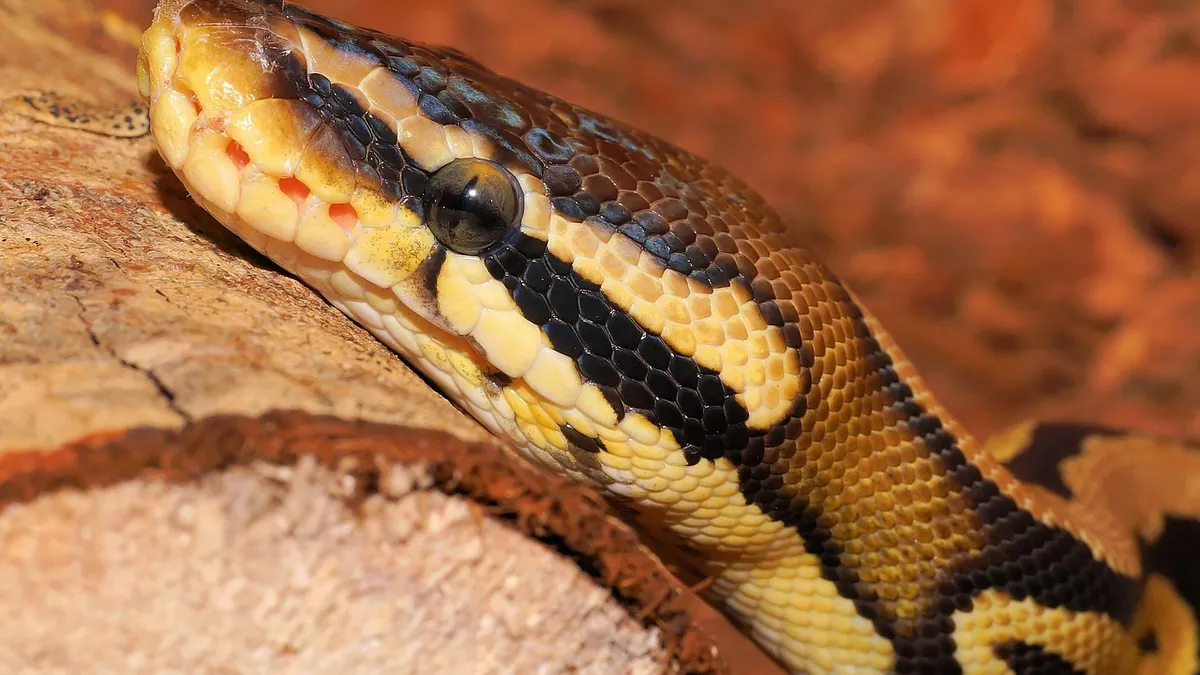
If your ball python is sitting in its water bowl, the bowl has become a tool, not a bathtub. Snakes soak to cool down, to relieve itching from mites, to rehydrate, or because the enclosure is too hot or too dry. The reason matters, because each cause has a different fix.
This article is educational and is not a substitute for veterinary diagnosis or treatment.
Quick Answer
- A soak that lasts a few hours around shedding time is usually normal.
- A snake that stays in the water for days is telling you something in the enclosure is wrong.
- Check the water bowl first. Mites, drowned prey, or a dirty bowl will show up there.
- Measure your temperatures and humidity with a digital gauge, not by feel.
- If you see mites, open-mouth breathing, or a snake that will not leave the water, call a reptile veterinarian.
What Soaking Looks Like and What Is Normal
A ball python in its water bowl may be fully submerged with only the head out, coiled loosely in the water, or draped over the rim. Some snakes sit in the bowl for an hour after a meal. Others climb in the night before a shed. That kind of short visit is common and rarely means illness.
Normal soaking has a pattern. It happens around shedding, after eating, or during a warm afternoon. The snake comes out on its own, moves normally, and eats on schedule.
A problem soak looks different. The snake stays in the water for most of the day. It may refuse food. It may sit in the bowl even when the water is cold. It may look dull, thin, or restless. When soaking becomes the snake's default position, treat it as a symptom.
Why Is My Ball Python in His Water Bowl? The Main Causes
Mites and Other External Parasites
Mites are the first thing to rule out. These tiny dark specks live in the skin folds around the eyes, chin, and vent. They bite, and the itching drives snakes into the water. You may see mites floating in the bowl or crawling on your hand after you pick the snake up.
Ectoparasite infestations in reptiles can seriously compromise health, especially in captivity [1]. A case report on an African rock python with a heavy tick infestation described facial swelling, incomplete shedding, anorexia, and lethargy, and the snake improved after parasites were removed and husbandry was corrected [1]. Mites are smaller than ticks but work the same way. They drain energy, spread irritation, and can carry blood parasites.
Check the water bowl after your snake soaks. Black specks that move are a strong clue.
Overheating or a Broken Temperature Gradient
Ball pythons are ectotherms. They control body temperature by moving between warm and cool zones, and this behavior is central to their physiology [2]. A snake that cannot find a cool spot will use the water bowl as a radiator.
This happens when the hot side runs too warm, when a heat mat fails and runs hot, or when the enclosure is too small to hold a real gradient. A water bowl in a hot cage stays cooler than the air for a while, so the snake parks in it.
Field data on another snake species showed that body temperature rises with air temperature and shifts with season, time of day, and shedding phase [2]. Your ball python follows the same logic. If the only cool place is the bowl, that is where it will go.
Dehydration and Low Humidity
Dry air pulls water out of a snake. Dehydration reduces performance and tolerance for heat in reptiles [3]. A ball python that cannot get enough moisture from the air or its food may drink more and soak more.
Low humidity also makes shedding harder. A snake about to shed may soak to loosen stuck skin. If you have seen retained eye caps or patchy shed, read our guide to Ball Python Stuck Shed Help.
Pre-Shed Behavior
Soaking before a shed is one of the most common reasons owners find their snake in the bowl. The skin loosens in water, and the snake is helping itself. This is normal if the soak is short and the shed comes off in one piece.
If the shed comes off in pieces or stays stuck, the humidity is too low. Our Ball Python Care: Humidity enclosure hides and substrate setup guide covers substrate and hide choices that hold moisture.
Stress and Enclosure Problems
Captive reptiles can carry chronic stress from housing conditions, and stress hormones show up in shed skin [4]. In one study, ball pythons kept in enriched terraria had higher corticosterone levels than those in rack systems, while the opposite pattern appeared in another species [4]. The takeaway is not that one setup is always better. It is that housing design affects snake stress, and stress can change behavior.
A snake with no proper hide may soak to feel covered. A snake in a busy, brightly lit room may soak to escape. If your ball python is hiding under the water bowl instead of inside it, that is often a hide problem. Review your setup with Ball Python Care and Enclosure Setup.
Table: Cause, Clues, and Urgency
| Cause | Typical clues | How urgent |
|---|---|---|
| Mites | Black specks in water or on skin, itching, restlessness | See a vet soon |
| Overheating | Hot side above target, snake avoids warm zone, soaks after lights on | Fix today, vet if lethargic |
| Dehydration or low humidity | Dry substrate, stuck shed, wrinkled skin, drinking often | Fix today |
| Pre-shed soak | Dull eyes, blue phase, short soaks, shed within days | Normal |
| Stress or poor hides | Soaking plus hiding under bowl, poor feeding | Routine visit if it continues |
| Respiratory infection | Open-mouth breathing, bubbles, wheezing, soaking plus head up | Emergency |
Red Flags That Make It an Emergency
Some signs mean you should stop reading and call a reptile veterinarian now.
- Open-mouth breathing, bubbling, or a clicking sound. This points to a respiratory infection. Our guide to Ball Python Respiratory Infections: Symptoms, Humidity Control, and Veterinary Care explains what to watch for.
- The snake cannot lift its head or stays limp in the water.
- The snake has been in the bowl for more than a day without coming out.
- You see a heavy mite load, especially around the eyes and vent.
- The snake has not eaten for several weeks and is losing weight.
- The water bowl is full of dead prey, waste, or a foul smell.
A snake that cannot leave the water is at risk of drowning if it becomes too weak to hold its head up. Move it to a shallow, clean bowl and call for help.
Safe Things You Can Do at Home
Start with the water bowl. Dump it, scrub it with hot water, and refill with fresh water. Look at what you pour out. Mites, shed skin, and debris all tell you something.
Measure the enclosure. Put a digital thermometer at the hot end and the cool end. Check humidity with a digital hygrometer. If the hot side is too warm, lower the heat source or move it. If humidity is low, add a humid hide and a moisture-holding substrate.
Give the snake a proper hide on both ends of the cage. A hide should be snug. A ball python wants to touch the sides.
If you suspect mites, isolate the snake from other reptiles. Clean the enclosure, replace loose substrate, and wash decor in hot water. Do not use any pesticide, spray, or medication on your snake without veterinary guidance. The dose depends on the species, weight, and health status, and your veterinarian calculates it.
Offer fresh water daily. A dehydrated snake needs access to clean water, not a bowl full of waste.
Keep handling low while you sort this out. Stress makes soaking worse.
What the Veterinarian Will Check and Test
A reptile veterinarian will start with a full physical exam. They will look at the skin, eyes, mouth, vent, and body condition. They will check for mites and ticks, sometimes with a magnifier or a skin scrape.
They will ask about your temperatures, humidity, substrate, hides, and feeding schedule. Bring photos of the enclosure and a log of your readings if you have one.
Depending on what they find, they may run blood work, a fecal exam, or a skin test. In the tick case, blood work showed mild haemoconcentration and elevated white cell counts consistent with inflammation from the parasitic infection [1]. Blood work can reveal dehydration, infection, or organ problems that a physical exam cannot show.
If mites are confirmed, treatment often includes removing the parasites and correcting husbandry to prevent reinfestation [1]. Your veterinarian will choose the product and dose. Never guess at a dose from a forum.
Prevention and Monitoring
Check your temperatures and humidity every week. Write the numbers down. Trends matter more than a single reading.
Clean the water bowl every one to two days. A clean bowl makes mites easier to spot.
Quarantine any new snake for at least 60 days before it goes near your collection. Mites travel on new animals and on used decor.
Keep a shedding log. If sheds are complete and frequent, your humidity is probably right. If they are patchy, adjust.
Watch for changes in soaking habits. A snake that suddenly starts living in its bowl has a reason. Find it early and the fix is usually simple.
If you use a bioactive setup, watch for mold and standing water. Our article on Bioactive Ball Python Enclosures: Soil Mixes, Live Vegetation, and Mold Prevention covers the details.
Limitations and When to Contact a Veterinarian
This article gives general guidance, not a diagnosis. Every snake is an individual, and only a veterinarian who examines your pet can tell you what is wrong.
Call the same day if you find mites, if your snake has been in the water for more than 24 hours, or if it refuses food for more than two weeks.
Go to an emergency clinic now if your snake is breathing with its mouth open, cannot hold its head up, is limp, or has been submerged and unresponsive.
Schedule a routine visit if the soaking continues after you correct temperatures and humidity, or if you are not sure what normal looks like for your snake.
Frequently Asked Questions
Is it normal for a ball python to sit in its water bowl before a shed?
Yes, short soaks before a shed are common and usually harmless. The snake is loosening old skin. If the shed comes off in one piece and the snake returns to normal behavior, nothing needs to change.
Can mites make my ball python soak all the time?
Yes, mites are one of the top reasons a snake stays in the water. The itching drives them to soak, and you may see black specks in the bowl. Parasites can cause skin damage, poor shedding, and loss of appetite, so see a veterinarian if you find them.
Does soaking mean my ball python is too hot?
Often, yes. If the warm side of the enclosure is too warm or there is no cool zone, the water bowl becomes the only escape. Check both ends with a digital thermometer and adjust the heat source.
Should I take the snake out of the water bowl?
If the snake is alert and comes out on its own, leave it alone. If it has been in the water for more than a day, cannot hold its head up, or looks weak, move it to a shallow bowl and call a veterinarian.
How do I know if my ball python is dehydrated?
Look for wrinkled skin, dull eyes, and a dry enclosure. A dehydrated snake may drink often and soak more. Dehydration reduces physical performance in reptiles, so correct humidity and fresh water right away and see a vet if the snake looks unwell.
Related Articles
- Ball Python Care and Enclosure Setup
- Ball Python Stuck Shed Help
- Ball Python Care: Humidity enclosure hides and substrate setup guide
- Ball Python Respiratory Infections: Symptoms, Humidity Control, and Veterinary Care
- Bioactive Ball Python Enclosures: Soil Mixes, Live Vegetation, and Mold Prevention
- Ball Python Respiratory Infection: Wheezing, Mouth Rot and Antibiotics
- Ball Python Drinking and Water: How Much Is Normal?
- Why Is My Ball Python So Active or Not Active?
- Why Is My Ball Python Out During the Day?
References
- Severe Tick Infestation and Haemogregarina spp. Infection in a Captive African Rock Python (Python sebae): A Clinical and Parasitological Case from Nigeria. Veterinary medicine and science, 2026.
- Thermal biology characteristics of the Caspian whipsnake (Dolichophis caspius, Gmelin, 1789) under natural and laboratory conditions. Journal of comparative physiology. B, Biochemical, systemic, and environmental physiology, 2026.
- Dehydration alters sprint speed capacity more than maximal endurance in a terrestrial lizard. The Journal of experimental biology, 2025.
- Species-specific variations in corticosterone concentrations in captive snake shed skins: implications for housing systems and welfare. BMC veterinary research, 2026.