Why Is My Bearded Dragon Not Drinking Water?
By Dr. Zubair Khalid, DVM, MS, PhD ·
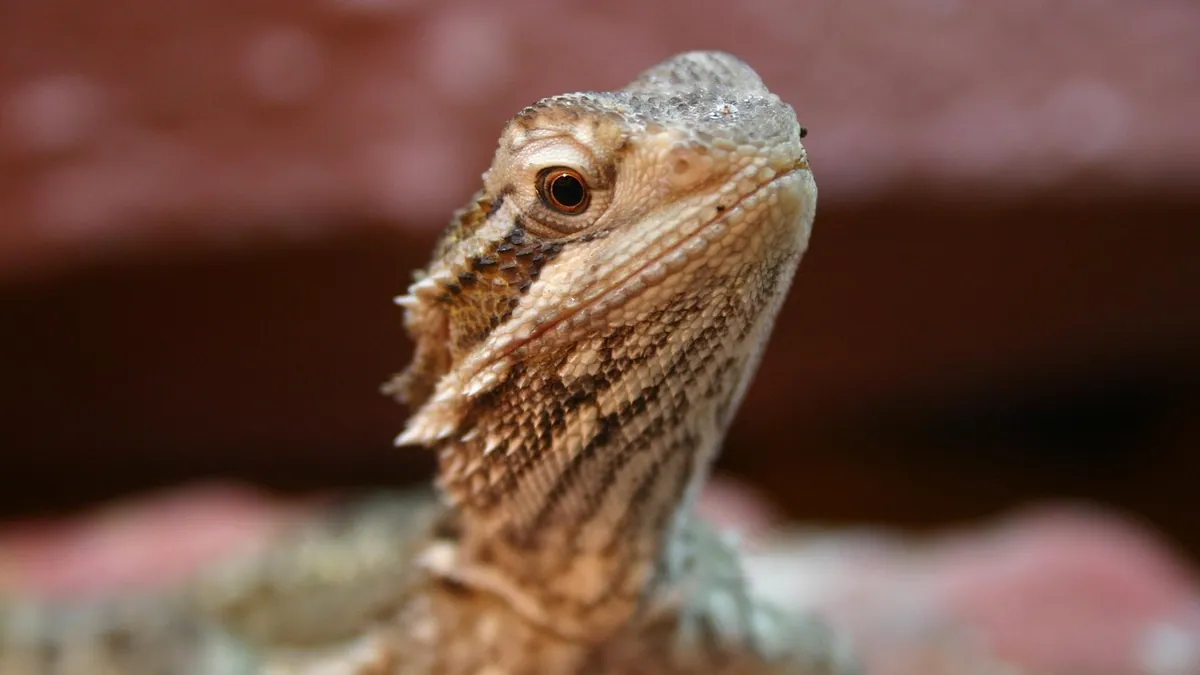
Many bearded dragons do not drink from a bowl, and that is often normal for the species. They can take in water from their food and from soaking, so a bearded dragon not drinking water is not automatically a medical problem. What matters is whether your dragon is actually hydrated, and that is something you can learn to judge at home.
This article is educational and is not a substitute for veterinary diagnosis or treatment.
Quick Answer
- Many healthy bearded dragons rarely or never drink from a water bowl, and that alone is not a sign of illness.
- Hydration status matters more than whether you see your dragon drink. Check the eyes, skin, droppings, and appetite.
- Offer water in several ways: a shallow bowl, misting, dripping water on the snout, and shallow baths.
- A dragon that is lethargic, has sunken eyes, or has stopped eating needs a veterinary visit, not just more water at home.
- Dehydration can be a sign of underlying disease, including respiratory infection, so a full exam is often needed [1].
What "Not Drinking" Looks Like and What Is Normal
Most owners never see their bearded dragon drink. That surprises people, because we are used to mammals that visit a bowl many times a day. Bearded dragons are different. They are adapted to dry habitats where standing water is scarce, and they often get moisture from the insects and greens they eat.
Research on insect-eating lizards shows that prey consumption does not actually restore hydration state, which suggests these animals depend mainly on drinking water when it is available [2]. That does not mean your dragon must drink daily. It means that when water is offered, some dragons will take it, and others will ignore it for long stretches and still be fine.
Normal looks like this. Your dragon is alert, holds its head up, moves around the enclosure, eats with interest, and passes droppings that are formed with a white chalky portion (urates). The eyes are clear and round, not sunken. The skin over the back and sides lies smooth and springs back when gently pinched.
Abnormal looks like this. The eyes look hollow or sunken. The skin stays tented when pinched and does not flatten out. The mouth or gums look dry or sticky. The dragon is dull, hides more than usual, refuses food, or loses weight. Droppings may become small, hard, or absent. These are the signs that matter, far more than whether you have seen your dragon drink.
Why Does My Bearded Dragon Not Drink Water? The Main Causes
There are many reasons a bearded dragon may not drink. Some are harmless. Some point to illness. The table below groups the common causes and how quickly you should act.
| Cause | Typical clues | How urgent |
|---|---|---|
| Normal species behavior | Alert, eating, normal droppings, no other signs | Not urgent, keep offering water |
| Water offered the wrong way | Bowl too deep, water moving, dragon never notices it | Not urgent, change the setup |
| Low enclosure humidity or high heat | Shedding problems, dry skin, dragon spending all day under the basking light | Address within a few days |
| Mild dehydration | Slightly sunken eyes, tacky skin, smaller droppings | See a vet soon |
| Illness such as respiratory infection | Lethargy, open mouth breathing, neck extension, weight loss, dehydration | Urgent, same day |
| Stress from a new home or handling | Hiding, reduced appetite, recent move | Monitor closely for a few days |
| Parasites or gut disease | Abnormal droppings, weight loss, poor appetite | See a vet soon |
Normal Behavior for the Species
Many bearded dragons simply do not drink from bowls. They may drink from moving water, from a drip on the snout, or during a bath. If your dragon is bright, eating, and passing normal droppings, a lack of bowl drinking is usually not a problem.
Water Offered in a Way the Dragon Cannot Use
A deep bowl can be risky and hard for a dragon to use. A very shallow dish, or water dripped slowly onto the snout, often works better. Some dragons respond to gentle misting on the head and body, then lick droplets off their own skin.
Dehydration From Heat or Low Humidity
Bearded dragons come from dry regions, but captive setups can still be too drying. If the basking area is very hot and the enclosure has no humid hide, a dragon can lose moisture steadily. This is also a common reason for shedding problems. If your dragon has stuck shed along with a dry look, see this guide on incomplete shedding and humidity.
Illness
Dehydration is often a symptom, not the whole story. In a group of young captive bearded dragons, an outbreak of Mycoplasma pogonae caused dehydration, lethargy, poor appetite, weight loss, neck extension, and open mouth breathing, with pneumonia found on necropsy [1]. That is a serious picture, and it shows why a dehydrated dragon with other signs needs a veterinarian quickly.
Dehydration is also a genuine physiological stressor in reptiles. In squamate reptiles, dehydration affects stress hormones and immune function, and species differ in how well they cope with water loss [3]. In two Amazonian lizard species, dehydration lowered the voluntary thermal maximum, meaning dehydrated lizards tolerated less heat [4]. A dehydrated bearded dragon may therefore handle heat poorly, which can make a hot enclosure more dangerous.
Red Flags That Make It an Emergency
Call an exotic or reptile veterinarian right away if you see any of these.
- Open mouth breathing, neck extension, or clicking sounds when breathing [1]
- Sudden collapse, severe weakness, or a dragon that cannot lift its head
- Sunken eyes with skin that stays tented after a gentle pinch
- No droppings for many days, or hard, dry droppings
- Refusing all food for more than a few days
- Weight loss you can see or feel along the spine and tail base
- Tremors, twitching, or a soft, rubbery jaw
- Any of these signs combined with a recent new dragon added to the home
A dragon that is dehydrated and breathing abnormally may have pneumonia, which is a medical emergency [1]. Do not wait to see if it improves on its own.
Safe Things You Can Do at Home While You Wait
These steps are supportive care. They do not replace a veterinary exam when your dragon is sick.
Offer Water in Several Ways
Try a very shallow dish with clean water. Add a few smooth stones so your dragon can climb out easily. Drip water slowly onto the tip of the snout with a syringe or dropper and let your dragon lick. Mist the head lightly and let droplets run down. Many dragons will drink from a drip but never from a bowl.
Give a Shallow Bath
A shallow, lukewarm bath is one of the easiest ways to offer water and support hydration. Keep the water no deeper than your dragon's elbows, supervise the whole time, and keep the room warm. A step-by-step method is in this guide on how to give a bearded dragon a bath. Never leave a dragon alone in water.
Fix the Enclosure
Check your temperatures with a reliable thermometer. Make sure there is a proper temperature gradient so your dragon can move away from the heat. Add a humid hide with damp moss for part of the day. Use a substrate that does not dry the air completely. Poor humidity is a common reason for both shedding trouble and a dry-looking dragon.
Support Eating and Drinking Gently
Offer fresh greens and gut-loaded insects. Do not force water into the mouth, because it can be inhaled into the lungs. Do not use a syringe to squirt water down the throat. If your dragon will not eat or drink at all, that is a reason to see a veterinarian, not a reason to force fluids at home.
Keep a Simple Log
Write down what you offer, when you offer it, and what your dragon does. Note droppings, appetite, and any breathing changes. This record helps your veterinarian a great deal.
What the Veterinarian Will Check and Test
Your veterinarian will start with a full physical exam. They will check your dragon's eyes, mouth, skin elasticity, body condition, breathing, and weight. They will ask about your enclosure, temperatures, humidity, diet, and how long you have noticed the problem.
Testing often includes a fecal exam to look for parasites, blood work to check organ function and hydration-related values, and imaging such as radiographs if pneumonia or another internal problem is suspected. In the bearded dragon outbreak described earlier, diagnosis required pathological investigation, molecular testing, and whole-genome sequencing to confirm Mycoplasma pogonae [1]. That level of testing is not needed for every case, but it shows how a veterinarian narrows down the cause.
Treatment depends on the cause. A dehydrated dragon may need fluids given under the skin or into a vein. The veterinarian calculates the fluid type and amount from your dragon's weight and health status, so there is no single number you can use at home. If an infection is found, antibiotics or other medications may be prescribed. If the problem is husbandry, your veterinarian will help you correct temperatures, humidity, and diet.
Prevention and Monitoring
Prevention is mostly about a good setup and steady observation.
- Offer water daily in a shallow dish, even if your dragon ignores it.
- Drip water on the snout a few times a week, especially in dry seasons or during shedding.
- Give shallow baths on a regular schedule, always supervised.
- Keep a temperature gradient and check it with a real thermometer, not a guess.
- Provide a humid hide, and watch for shedding problems.
- Feed a varied diet of appropriate insects and fresh greens.
- Weigh your dragon monthly on a small kitchen scale and record the number.
- Watch droppings. Formed droppings with white urates are a good sign.
- Quarantine any new reptile before adding it to the same room.
If you are tracking hydration in another pet too, the same principles of watching intake and output apply. This article on a dog not drinking water covers how owners monitor a very different species.
Limitations and When to Contact a Veterinarian
No article can tell you whether your individual dragon is dehydrated. Only a veterinarian who examines your pet can do that. Individual cases need a veterinarian, and reptiles hide illness well, so early signs can be easy to miss.
Contact a veterinarian the same day if your dragon has sunken eyes, skin that stays tented, no droppings for several days, or has stopped eating. Go to an emergency clinic now if you see open mouth breathing, neck extension, severe weakness, collapse, or tremors [1]. Schedule a routine visit if your dragon seems fine but you have never seen it drink and you want to confirm your setup is correct. A routine check is also wise for any new dragon, especially a young one from a breeder or pet store.
Frequently Asked Questions
How long can a bearded dragon go without drinking water?
There is no single safe number of days, because it depends on temperature, humidity, diet, and health. Some dragons go long stretches without drinking and stay hydrated through food and baths, while a sick dragon can decline quickly. Watch for signs of dehydration instead of counting days.
My bearded dragon never drinks water but seems healthy. Should I worry?
Usually not, as long as your dragon is alert, eating, and passing normal droppings. Many bearded dragons simply do not drink from bowls. Keep offering water in different ways and check hydration signs regularly.
Can I give my bearded dragon water with a syringe?
You can drip water slowly onto the snout and let your dragon lick, but never squirt water into the mouth or throat. Fluid can enter the lungs and cause serious problems. If your dragon will not take water at all, see a veterinarian.
Does bathing hydrate a bearded dragon?
A shallow, supervised bath helps many dragons take in water and supports shedding and hygiene. It is not a substitute for treating an underlying illness. Keep the water shallow and warm, and never leave your dragon alone.
What does dehydration look like in a bearded dragon?
Look for sunken eyes, skin that stays tented when gently pinched, dry or sticky gums, small or absent droppings, lethargy, and loss of appetite. Any of these signs, especially with breathing changes, means you should contact a veterinarian promptly.
Related Articles
- Bearded Dragon Care: Incomplete shedding dysecdysis and humidity guide
- How to Give a Bearded Dragon a Bath
- Do Bearded Dragons Drink Water? Hydration Basics
- Why Is My Bearded Dragon Not Eating? Causes and Next Steps
- Why Does My Bearded Dragon Sit or Sleep in Water?
References
- Molecular Characterization and Clinicopathological Findings of Mycoplasma pogonae Infection in Captive Central Bearded Dragons (Pogona vitticeps). Animals : an open access journal from MDPI, 2025.
- Prey consumption does not restore hydration state but mitigates the energetic costs of water deprivation in an insectivorous lizard. The Journal of experimental biology, 2023.
- Corticosterone and immune responses to dehydration in squamate reptiles. The Journal of experimental biology, 2023.
- Dehydration alters behavioral thermoregulation and the geography of climatic vulnerability in two Amazonian lizards. PloS one, 2023.