Ear Cropping in Dogs: Why Vets Advise Against It
By Dr. Zubair Khalid, DVM, MS, PhD ·
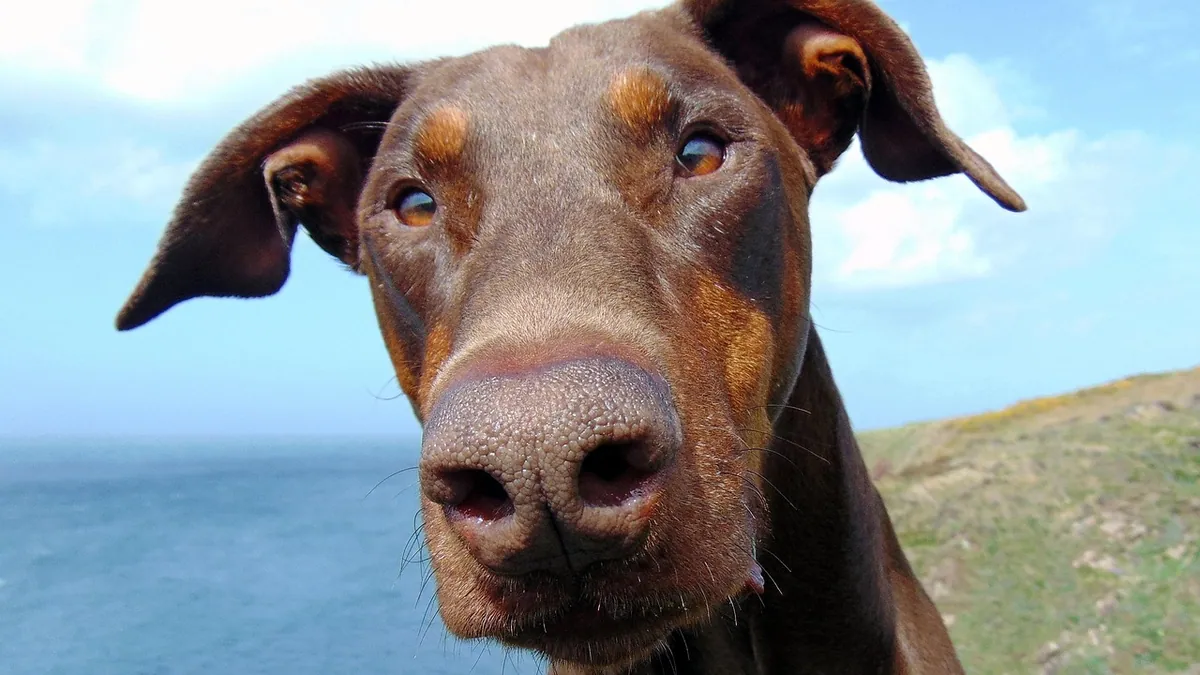
Dog ear cropping is a cosmetic surgery that removes part of a dog's pinna (the ear flap) so the ear stands upright. Veterinary organizations in the United States and abroad oppose it because it causes pain and offers no health benefit to the dog. This article is educational and is not a substitute for veterinary diagnosis or treatment.
Quick Answer
- Ear cropping is elective cosmetic surgery, not a treatment for any disease. Most U.S. veterinary associations discourage it.
- The procedure is painful. Postoperative pain, swelling, and infection are common, and aftercare often lasts weeks.
- Cropping is illegal or restricted in parts of Europe, the UK, and some other countries, but it remains legal in most of the United States.
- If you inherit a cropped dog, you do not need to do anything special. The ear is already healed, and routine ear care is the same as for any dog.
- If you are considering cropping, talk with your veterinarian about the risks and about leaving the ears natural.
What Dog Ear Cropping Is and Why It Is Done
Ear cropping removes the outer portion of the pinna, usually when a puppy is between 6 and 12 weeks old. After surgery, the ears are often taped or splinted for weeks so they heal in an upright position. The surgery is purely cosmetic. It does not prevent ear infections, improve hearing, or treat any medical condition.
Historically, some breeds were cropped for working reasons, such as guarding livestock. Today, most owners who request cropping do so for appearance or breed tradition. Veterinary groups in the United States generally oppose the practice as unnecessary surgery.
What the Ear Does for Your Dog
The pinna is not just decoration. It collects sound and helps direct it into the ear canal. It also helps your dog express mood and communicate with other dogs. The ear flap is made of skin, cartilage, and muscle, and it is well supplied with nerves and blood vessels.
Ear shape also plays a role in ear health. A study of 868 dogs found that dogs with erect ears were diagnosed with otitis externa (outer ear infection) more often than dogs with semi-erect ears [1]. That finding does not mean cropping prevents infection. It means ear shape, body size, and breed all interact with ear disease risk in ways that are still being studied.
If your dog is scratching or shaking its head, that is usually a sign of infection or allergy, not a reason for surgery. You can read more about the signs in Dog Ear Infection: How to Spot It and When to See the Vet.
Is Ear Cropping Legal?
Laws vary widely, so the answer depends on where you live.
In the United States, ear cropping is legal in most states. Some states and cities have restrictions, and a few require the procedure to be done by a licensed veterinarian with pain control. Rules can change, so check your state's veterinary practice act or ask your veterinarian.
In many other countries, cropping is banned or limited to cases where a veterinarian documents a medical need. The United Kingdom, most of the European Union, Australia, and New Zealand restrict or prohibit cosmetic cropping. If you are moving abroad with a cropped dog, the dog's existing ear shape is generally not a problem, but you should check import rules for your destination.
Ear Cropping Pain and What the Surgery Involves
Pain and Anesthesia
Cropping is a surgical amputation of living tissue. It causes pain, and puppies feel pain the same way adult dogs do. Proper anesthesia and pain medication reduce suffering, but they do not make the procedure painless.
The surgery is usually done under general anesthesia. The veterinarian cuts the pinna along a template, controls bleeding, and closes the skin edges with sutures. Some veterinarians place a local nerve block to numb the ear during and after surgery. Ear nerve anatomy is well described in animals, and nerve blocks are used to manage ear pain in clinical cases [2].
Aftercare and Taping
After surgery, the ears need to be bandaged, taped, or splinted so they heal upright. This phase can last several weeks and often requires repeated veterinary visits. The ears may be re-taped multiple times as they heal. If the ears are not supported correctly, they can scar and heal in an uneven or drooping position.
What Recovery Looks Like
Recovery is not a single event. It is a weeks-long process with several stages.
| Timeline | What to Expect | What You Do |
|---|---|---|
| Day 0 (surgery day) | Anesthesia recovery, grogginess, pain | Keep your dog quiet and follow the clinic's pain plan |
| Days 1 to 3 | Swelling, redness, tenderness at the incision | Give medications as directed, check the incision twice daily |
| Days 3 to 10 | Sutures in place, bandage or tape changes | Limit activity, keep the ear dry, attend recheck visits |
| Weeks 2 to 4 | Sutures removed, taping may continue | Continue ear support as instructed, watch for infection |
| Weeks 4 to 8+ | Ear shape settles, hair regrows | Finish all rechecks, call the vet with any concerns |
Exact timelines vary by dog, by surgeon, and by how much tissue was removed. Your veterinarian will set the schedule for your puppy.
Home Care Basics
Keep the incision clean and dry. Prevent your puppy from scratching or rubbing the ears, which may mean using an Elizabethan collar. Avoid rough play, bathing, and swimming until your veterinarian clears your dog. Give all pain medication exactly as prescribed. Do not stop pain medication early because your puppy seems comfortable. Puppies often hide discomfort.
If your dog has a history of ear problems, general ear care still matters. See Dog Ear Scratching Prevention for practical steps.
Ear Cropping Complications and Warning Signs
Complications are common enough that owners should plan for them.
- Infection. The surgical site can become infected. A study of a dog that had ear reconstruction after a degloving injury noted postoperative cellulitis that lasted about three months [3]. That case involved trauma and reconstruction, not cropping, but it shows how long ear wound complications can persist.
- Bleeding and hematoma. The pinna has a rich blood supply, and bleeding under the skin can form a pocket of blood.
- Scarring and poor ear carriage. The ear may heal crooked, droop, or develop thick scar tissue.
- Suture reactions and dehiscence. The incision can open if the puppy scratches or shakes its head.
- Chronic pain or sensitivity. Some dogs remain sensitive to ear handling long after healing.
- Anesthesia risks. Any general anesthesia carries risk, especially in very young puppies.
Warning Signs to Watch For
Call your veterinarian if you see:
- Foul odor, pus, or green discharge from the incision
- Increasing redness, swelling, or heat at the surgery site
- Bleeding that does not stop with gentle pressure
- The incision opening or sutures coming loose
- Head shaking, ear pawing, or crying that gets worse instead of better
- Refusing food, vomiting, or extreme lethargy
Ear Cropping Alternatives
The simplest alternative is to leave the ears natural. A natural ear is not a health problem. It is the shape the dog was born with.
If you are choosing a puppy, ask breeders whether they crop. Many breeders now leave ears natural, and some registries and breed clubs accept natural ears in the show ring.
If your dog already has cropped ears, you do not need to reverse anything. The ear is healed, and your job is routine care. Clean the ears when your veterinarian recommends it, and watch for infections. A vet-approved ear cleaner can help you do this safely. See Vet Approved Ear Cleaner For Dogs.
If your dog has an ear injury or a tumor on the pinna, surgery may be medically necessary. In those cases, the goal is to remove diseased tissue, not to change appearance. A study of a cat with a hemangiosarcoma on the ear used total ear canal ablation and cryotherapy to treat the lesion, and the cat remained free of recurrence one year later [4]. Another report described a dog with a viral plaque on the pinna that was excised, and new plaques developed in the same area [5]. These are medical situations, and your veterinarian will discuss the best option for your pet.
For dogs with pinna injuries, surgeons can sometimes reconstruct the ear instead of removing it. A case report described a caudal auricular axial pattern flap used to repair a degloving injury of the pinna in a French bulldog. The flap healed without necrosis, and the dog had functional ear movement and acceptable appearance 1.5 years later [3]. This is an option for trauma, not for cosmetic cropping.
Questions to Ask Your Veterinarian
If you are considering cropping or you have inherited a cropped dog, ask:
- Is this procedure medically necessary for my dog?
- What pain control will be used during and after surgery?
- What are the specific risks for my dog's breed, age, and health?
- How many follow-up visits will be needed, and what will they involve?
- What happens if the ears do not stand upright after healing?
- What signs mean I should call you right away?
- If I choose not to crop, what ear care do you recommend?
Write down the answers. It is easy to forget details after an appointment.
Limitations and When to Contact a Veterinarian
This article gives general information. Your dog's case is specific. Only your veterinarian can examine your dog, review its history, and recommend a plan.
Contact your veterinarian the same day if:
- Your dog has surgery scheduled and you have questions about medications or fasting
- Your dog is shaking its head, pawing at the ear, or has a bad smell from the ear
- The incision looks red, swollen, or has discharge
Go to an emergency clinic now if:
- Bleeding from the ear will not stop
- Your dog is having trouble breathing, collapses, or has a seizure
- The incision opens widely and tissue is exposed
- Your dog is in severe pain that medication does not control
Schedule a routine visit if:
- You want to discuss whether cropping is right for your dog
- Your dog has chronic ear infections or allergies
- You need help learning to clean and check your dog's ears
Ear infections are common and treatable. If you suspect one, read Dog Ear Infection Treatment From Vet and Dog Ear Infection Treatment At Vet to understand what to expect.
Frequently Asked Questions
Is ear cropping painful for puppies?
Yes. Cropping removes living tissue and causes pain during and after surgery. Anesthesia and pain medication reduce the pain, but they do not eliminate it. Puppies need proper pain control and careful monitoring during recovery.
Do cropped ears prevent ear infections?
No. There is no evidence that cropping prevents ear infections. Ear shape and breed can affect infection risk, but cropping does not protect the ear canal. A study of 868 dogs found that erect ears were associated with more otitis externa diagnoses, not fewer [1].
Can I leave my dog's ears natural if the breeder already cropped them?
If the ears are already cropped and healed, you cannot restore the original shape. You can still provide good ear care and watch for infections. If the ears were recently cropped, follow your veterinarian's aftercare instructions closely.
How long does ear cropping recovery take?
Recovery usually takes several weeks, and taping or splinting may continue longer. The exact timeline depends on the surgery and how your dog heals. Your veterinarian will give you a schedule for rechecks and bandage changes.
Is ear cropping legal in the United States?
It is legal in most U.S. states, but some states and cities have restrictions. Laws vary, and they can change. Check your state's rules or ask your veterinarian before scheduling the procedure.
Related Articles
- Dog Ear Infection: How to Spot It and When to See the Vet
- Dog Ear Infection Treatment From Vet
- Dog Ear Scratching Prevention
- Dog Ear Infection Treatment At Vet
- Vet Approved Ear Cleaner For Dogs
- Dog Ear Infection Drops: How to Apply Them Correctly
- Dog Ear Wraps and Bandages: How to Protect Your Dog's Ears
- Dog Ear Laceration: First Aid and When Stitches Are Needed
- Dog Ear Ulcer Treatment: Causes and Vet-Approved Care
References
- Brachycephaly, Ear Anatomy, and Co-Does Size Matter? A Retrospective Study on the Influence of Size-Dependent Features Regarding Canine Otitis Externa. Animals : an open access journal from MDPI, 2025.
- Musculocartilaginous structure of the external ear in dromedary camels with special reference to auricular nerve blocks. Frontiers in veterinary science, 2025.
- The use of a caudal auricular axial pattern flap for repair of a degloving pinna wound in a dog. The Canadian veterinary journal = La revue veterinaire canadienne, 2022.
- Total ear canal ablation for the treatment of auricular hemangiosarcoma in a cat: case report. Brazilian journal of veterinary medicine, 2026.
- Detection of a novel papillomaviral sequence in viral plaques confined to the pinna of a dog. Veterinary dermatology, 2023.