Dog Ear Infection Treatment At Vet
By Dr. Zubair Khalid, DVM, MS, PhD ·
Key Takeaways
- Veterinary diagnosis involves otoscopic examination to visualize the ear canal and tympanic membrane, crucial for determining appropriate medication choices.
- Cytology, a microscopic examination of ear discharge, is essential for identifying causative agents like bacteria (rods vs. cocci) and yeast, guiding targeted therapy.
- Professional ear cleaning, often performed under sedation for painful or severe cases, removes debris and microbes, facilitating topical medication efficacy.
- Treatment typically combines topical medications (antibiotic, antifungal, corticosteroid) for 7-14 days, with oral antibiotics or antifungals used for deeper infections or ruptured tympanic membranes.
- Addressing underlying causes such as allergies (requiring dietary changes or immunotherapy) or anatomical predispositions is critical for preventing recurrent otitis externa.
- Recheck examinations with repeat otoscopy and cytology 1-2 weeks post-treatment are vital to confirm infection resolution and prevent relapse.
When your dog is constantly shaking its head, scratching at its ears, or whining from discomfort, an ear infection is often the culprit. While mild cases may seem manageable at home, professional veterinary treatment is essential to resolve the infection, relieve pain, and prevent chronic issues. This article explains what to expect during a vet visit for dog ear infection treatment, from diagnosis to follow-up care.
Quick Q&A: Common Questions
Question: What happens during a vet visit for a dog ear infection? Answer: The vet will perform a thorough ear exam (otoscopy), take samples for cytology to identify bacteria or yeast, and possibly recommend a culture. Treatment usually includes professional ear cleaning, topical medications, and sometimes oral drugs to address the underlying cause.
Understanding Dog Ear Infections
Ear infections (otitis externa) in dogs are most commonly caused by bacteria, yeast, or a combination of both. Underlying factors such as allergies, ear mites, foreign bodies (e.g., grass seeds), excess moisture from swimming or bathing, and anatomical predispositions (long floppy ears) can trigger or perpetuate an infection. Signs include a foul odour, redness, swelling, discharge (wax, pus, or blood), and excessive head shaking or scratching. Recognising these signs early and seeking veterinary care is key, as untreated infections can progress to the middle or inner ear.
Initial At-Home Care (Before the Vet Visit)
While waiting for your appointment, avoid putting anything into the ear canal (e.g., drops, oils, or cleaners) unless specifically instructed by your vet. You can gently clean the outer flap (pinna) with a damp cloth to remove debris, but do not use cotton swabs, they can push material deeper. If your dog is in pain, minimise handling of the ear. Do not attempt any home remedies, as incorrect treatments may worsen the infection or delay healing. The safest action is to keep your dog comfortable and schedule a veterinary exam.
What to Expect During the Vet Visit
Physical Examination and Otoscopy
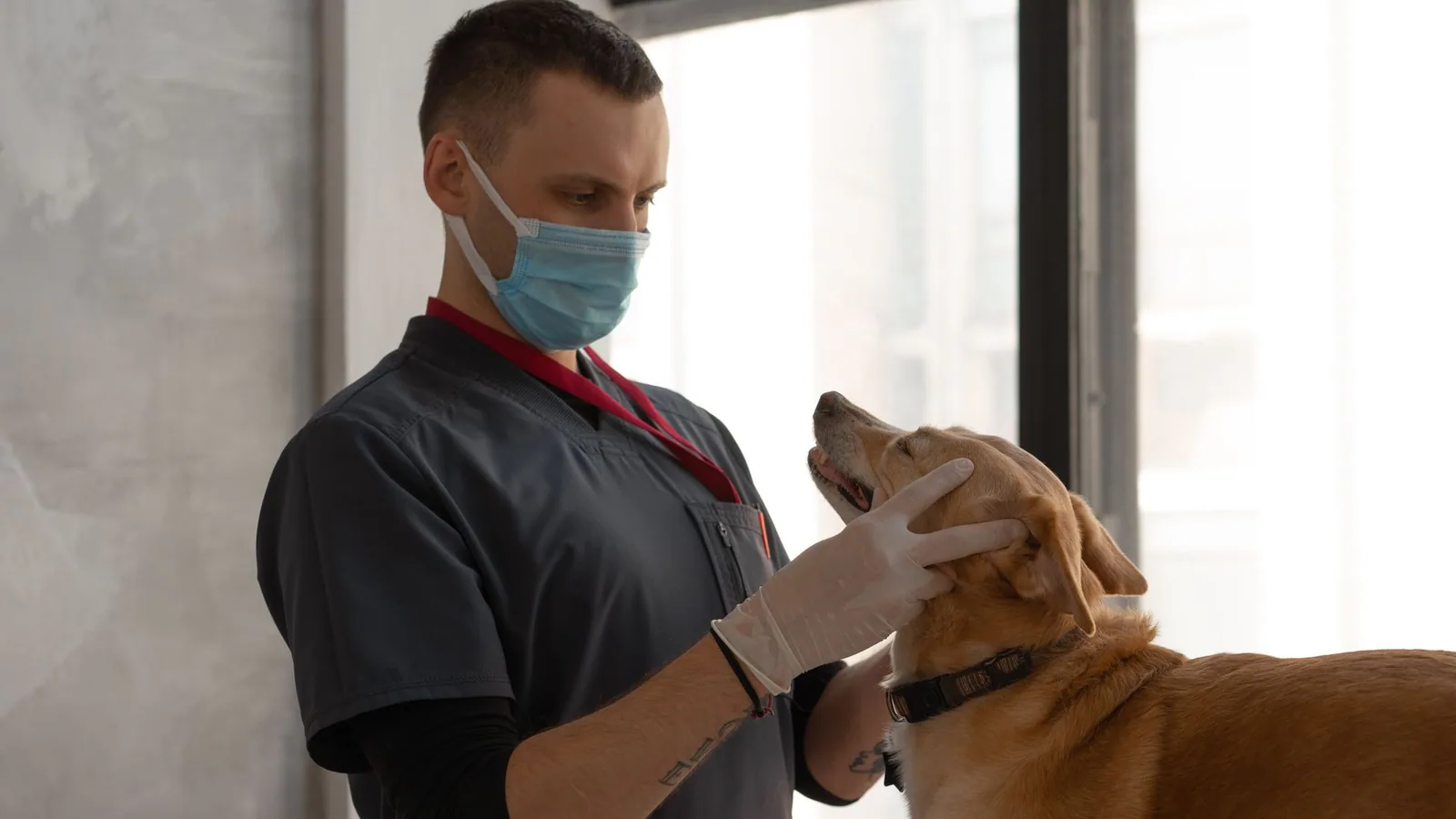
Your vet will begin with a general physical exam and then inspect both ears using an otoscope. This device allows visualisation of the ear canal and eardrum. Checking the eardrum is critical, if it is ruptured, certain medications (e.g., those containing salicylates or aminoglycosides) must be avoided. An intact eardrum is usually confirmed before deep cleaning or flushing.
Cytology and Culture
To determine the specific cause of the infection, the vet will collect a sample of ear discharge using a sterile swab. This sample is placed on a slide, stained, and examined under a microscope (cytology). This quick test reveals whether the infection is bacterial, yeast, or mixed, and sometimes suggests the type of bacteria (rods vs. cocci). If the infection is recurrent, severe, or does not respond to standard treatment, a bacterial culture and sensitivity test may be performed to identify the exact organism and the most effective antibiotic.
When Additional Tests Are Needed
If underlying problems are suspected, your vet may recommend further diagnostics. Blood tests (CBC, chemistry), thyroid hormone evaluation, and allergy testing can help identify metabolic disorders, endocrine imbalances, or atopic dermatitis that predispose your dog to ear infections. In chronic cases, imaging (such as X-rays or CT scans) may be used to evaluate the middle ear.
Professional Treatment Protocols
Treatment is tailored to the specific infection type and underlying cause, following consensus guidelines from organisations like the American Veterinary Medical Association (AVMA) and the American Animal Hospital Association (AAHA).
Ear Cleaning and Flushing
In many clinic visits, the vet or veterinary nurse will perform a professional ear cleaning using a cerumenolytic solution that breaks down wax and debris. This may be followed by a gentle flush to remove discharge and microbes from the ear canal. If the infection is severe or the dog is in pain, sedation or anaesthesia is often used to ensure thorough cleaning without stress or injury.
Topical Medications
After cleaning, the vet will apply a topical medication, usually a combination of an antibiotic, an antifungal, and a corticosteroid. These come as ear drops or ointments to be given at home, typically 1-2 times daily for 7-14 days. The steroid helps reduce inflammation and pain quickly. Compliance with the full course is crucial, even if the ear looks better.
Oral Medications
For deeper infections, when the eardrum is ruptured, or if topical therapy alone is insufficient, oral antibiotics or antifungals are prescribed. Oral steroids (corticosteroids) may be used for a short period to reduce severe inflammation. Always follow the dosage and duration prescribed. For chronic or recurrent cases, your vet may prescribe a long-term maintenance plan.
Addressing Underlying Causes
Effective treatment goes beyond clearing the current infection. Your vet will work with you to identify and manage the root cause. For allergies, this may involve dietary changes (e.g., hypoallergenic food), allergy medications, or immunotherapy. For hypoallergenic or conformational issues (e.g., floppy ears), regular ear cleaning and keeping the ears dry can prevent flares. For ear mites, a systemic antiparasitic will be given.
Follow-Up and Prevention
Importance of Recheck Appointments
A recheck examination 1-2 weeks after initial treatment is standard. The vet will repeat otoscopy and cytology to confirm the infection has resolved. Skipping this step can lead to subclinical infection that recurs later. If cytology still shows organisms, a longer or different treatment may be needed.
Long-Term Management
Preventing future ear infections involves several strategies:
- Keep ears dry: after bathing or swimming, dry your dog’s ears gently with a cotton ball. Avoid inserting anything deep.
- Regular cleaning: use a vet-approved ear cleaner weekly (or as recommended). Do not over-clean, as this can irritate the ear canal.
- Manage allergies: work with your vet on an allergy management plan, including flea control, dietary amendments, and environmental control.
- Check ears routinely: look for signs of redness, odour, or discharge. Early detection allows prompt treatment.
By following your vet’s treatment plan and prevention advice, most dogs with ear infections recover fully and enjoy a comfortable life. Remember, professional veterinary care is always the safest and most effective approach for treating dog ear infections.