Dog Ear Infection Treatment From Vet
By Dr. Zubair Khalid, DVM, MS, PhD ·
Key Takeaways
- Classic clinical signs of otitis externa include head shaking and ear scratching, often indicative of bacterial, yeast, or mite infestation within the L-shaped ear canal.
- Veterinary diagnosis involves a physical examination with an otoscope, followed by diagnostic tests such as cytology to identify pathogens and culture and sensitivity testing for targeted antibiotic selection.
- Treatment regimens are tailored to the specific diagnosis and commonly include thorough ear cleaning, topical medications (antibiotics, antifungals, anti-inflammatories), and potentially oral medications for severe infections.
- Underlying causes such as allergies (atopic dermatitis, food allergies), moisture exposure, foreign bodies, and anatomical predispositions (e.g., pendulous ears) are critical risk factors that necessitate long-term management.
- Effective home care and prevention strategies involve strict adherence to prescribed medication protocols, regular ear cleaning with vet-approved solutions, maintaining ear dryness, and prompt re-evaluation if symptoms recur or worsen.
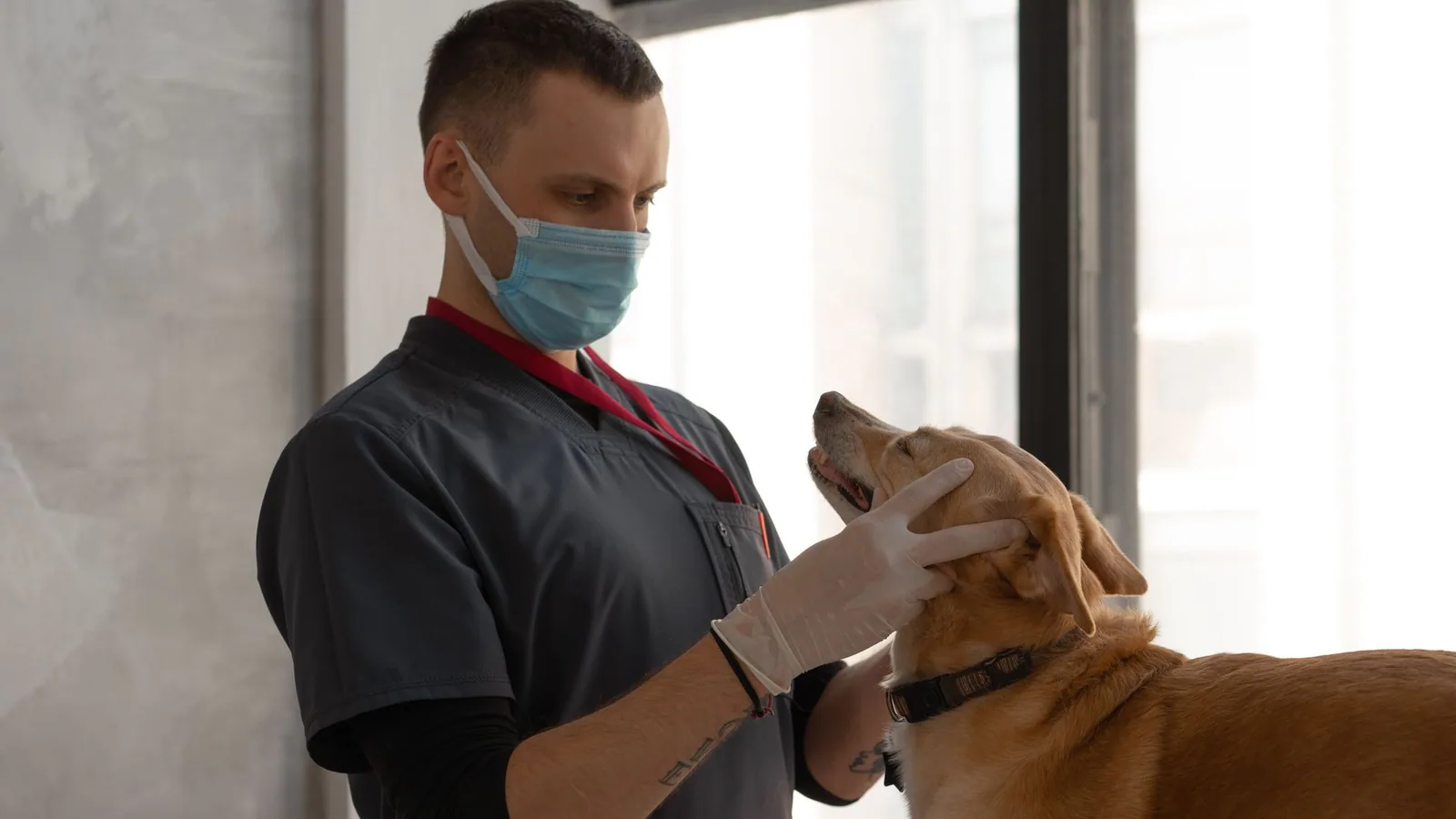
If your dog is shaking their head, scratching at their ears, or you notice a foul odor, they may have an ear infection (otitis externa). While it can be tempting to try home remedies, effective dog ear infection treatment from a vet is essential for resolving the infection, relieving pain, and preventing chronic issues. This article explains what to expect during a veterinary visit, the clinical methods used, and how you can support your pet's recovery.
Quick Q&A: Common Questions
Question: Why is my dog shaking their head and scratching their ears?
Answer: Head shaking and ear scratching are classic signs of an ear infection, often caused by bacteria, yeast, or ear mites. The inflammation and buildup of debris inside the ear canal cause intense itching and discomfort, prompting your dog to try to relieve it. A veterinarian can diagnose the underlying cause and provide appropriate treatment.
Understanding Dog Ear Infections
Ear infections are among the most common reasons dogs visit the vet. The ear canal is L-shaped, making it prone to moisture and debris accumulation. Infections are typically classified as:
- Otitis externa: Infection of the outer ear canal.
- Otitis media: Infection of the middle ear (often a progression of untreated external infections).
- Otitis interna: Infection of the inner ear, which can affect balance and hearing.
According to the American Veterinary Medical Association (AVMA) and the American Animal Hospital Association (AAHA), prompt diagnosis and treatment are critical to prevent chronic changes like ear canal thickening or rupture of the eardrum.
Common Causes and Risk Factors
Understanding why infections occur helps in both treatment and prevention. Common causes include:
- Allergies: Food allergies, atopic dermatitis (environmental allergies), or contact allergies are the most common underlying triggers.
- Moisture: Swimming or frequent bathing without proper ear drying.
- Ear mites: Common in puppies and outdoor dogs.
- Foreign bodies: Grass awns, foxtails, or debris.
- Hormonal disorders: Hypothyroidism or Cushing's disease.
- Anatomy: Dogs with floppy ears (e.g., Cocker Spaniels, Labradors) are predisposed.
What to Expect at the Vet
When you bring your dog for dog ear infection treatment from a vet, the process typically involves several steps.
1. History and Physical Exam
The vet will ask about your dog's symptoms, diet, environment, and any previous ear issues. They will then examine both ears with an otoscope to assess the ear canal and eardrum.
2. Diagnostic Tests
To identify the specific cause, the vet may perform:
- Cytology: A swab of ear discharge is examined under a microscope to identify bacteria, yeast, or mites.
- Culture and sensitivity: If bacteria are present, this test determines the most effective antibiotic.
- Imaging: In chronic or severe cases, X-rays or CT scans may be needed to evaluate the middle ear.
3. Treatment Plan
Treatment is tailored to the diagnosis and may include:
- Ear cleaning: The vet or technician will thoroughly clean the ears to remove debris and discharge. This is often done with a medicated ear cleaner.
- Topical medications: Ear drops or ointments containing antibiotics, antifungals, and anti-inflammatories (e.g., corticosteroids) are commonly prescribed.
- Oral medications: For severe infections, systemic antibiotics or antifungals may be necessary.
- Pain management: Non-steroidal anti-inflammatory drugs (NSAIDs) or other pain relievers may be given.
The AVMA and AAHA recommend a follow-up visit to ensure the infection has resolved, especially in recurrent cases.
Home Care and Recovery
After your vet visit, you play a key role in your dog's recovery. Follow these guidelines:
- Administer medications as directed: Do not skip doses or stop early, even if your dog seems better.
- Clean ears at home: Use the prescribed ear cleaner according to the vet's instructions. Gently wipe the outer ear with a cotton ball (never insert anything into the ear canal).
- Keep ears dry: After baths or swimming, dry your dog's ears with a soft cloth or a vet-approved drying solution.
- Monitor for side effects: Watch for signs of ear irritation, vomiting, or diarrhea (or diarrhoea) which may indicate a reaction to medication.
Prevention Strategies
Preventing future infections is especially important for dogs with underlying allergies or anatomical predispositions.
- Manage allergies: Work with your vet to identify and manage food or environmental allergies through diet changes, immunotherapy, or medications.
- Regular ear checks: Inspect your dog's ears weekly for redness, odor, or discharge.
- Routine cleaning: Use a vet-recommended ear cleaner, especially after swimming or bathing. The Canadian Veterinary Medical Association (CVMA) advises cleaning only when needed to avoid disrupting the ear's natural microbiome.
- Avoid over-cleaning: Excessive cleaning can cause irritation and increase infection risk.
- Keep ears dry: Use cotton balls in the ears during baths (remove afterward) and dry thoroughly.
When to See a Vet Again
If your dog's symptoms return or worsen, do not delay a follow-up visit. Signs that indicate a need for re-evaluation include:
- Persistent head shaking or scratching.
- Foul odor or discharge.
- Redness or swelling of the ear flap.
- Hearing loss or balance problems.
Chronic or recurrent infections may require advanced diagnostics, such as allergy testing or imaging, to address the root cause.
Conclusion
Dog ear infection treatment from a vet is a straightforward process when caught early. By understanding the causes, following your vet's treatment plan, and implementing preventive measures, you can help your dog stay comfortable and healthy. Always consult your veterinarian for any ear concerns, as untreated infections can lead to serious complications. With proper care, most dogs recover fully and enjoy happy, itch-free ears.