Dog Ear Wraps and Bandages: How to Protect Your Dog's Ears
By Dr. Zubair Khalid, DVM, MS, PhD ·
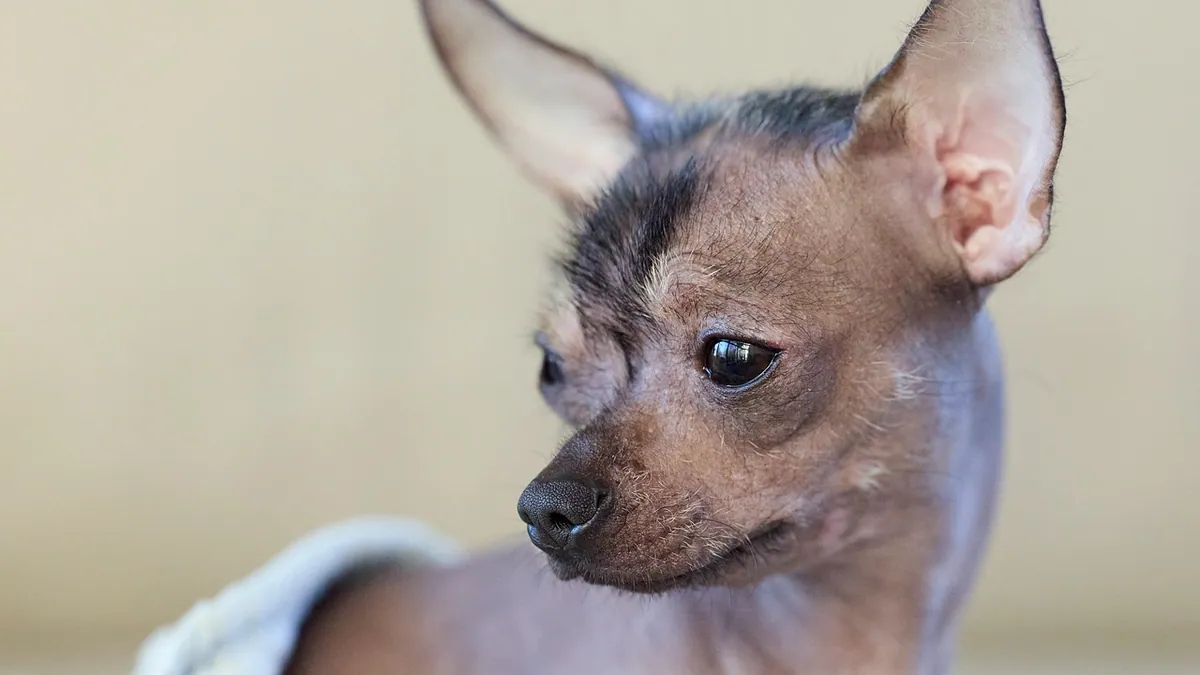
A dog ear wrap is a padded bandage that covers the ear flap or ear canal to keep a wound clean and stop your dog from scratching or shaking it. Wraps help most after surgery, injury, or during treatment for an ear infection. They can also cause serious harm when they are too tight, too wet, or left on too long.
This article is educational and is not a substitute for veterinary diagnosis or treatment.
Quick Answer
- Wrap only when your veterinarian tells you to, and follow their specific instructions for your dog's condition.
- Use three layers: a nonstick pad against the ear, soft padding, and a stretchy outer wrap that holds everything in place [1].
- Never wrap so tightly that you cannot slide one finger under the bandage, and never cover the ear canal opening completely unless your vet instructs it.
- Check the wrap at least twice a day for slipping, wetness, odor, swelling, or pain.
- Remove the wrap and call your vet right away if the ear swells, smells bad, or your dog paws at it constantly.
What a Dog Ear Wrap Can and Cannot Do
A wrap is a tool, not a treatment. It holds a dressing in place, blocks claws and debris, and keeps medication where it belongs. It does not cure an infection, remove a foreign object, or replace a diagnosis.
Ear disease in dogs is common. Otitis externa, which is inflammation of the ear canal lining, causes head shaking, foul odor, redness, swelling, scratching, discharge, and scaly skin [2]. The causes include parasites, objects stuck in the canal, allergies, bacteria, yeast, and middle ear disease [2]. Some dogs get repeat infections because of the shape of their ear flap or ear canal [2].
That matters for wrapping. If your dog has an untreated infection, a wrap may hide the discharge and odor that would tell you something is wrong. It may also trap moisture and warmth, which is the opposite of what an inflamed ear needs.
If your dog needs ear drops as part of treatment, learn the right technique before you add a wrap. See How to Give Your Dog Ear Drops Safely. For the bigger picture on infections, read How To Treat Dog Ear Infection.
When Wrapping Is Safe and When It Is Dangerous
Good reasons to wrap
- After ear surgery, such as a lateral ear canal resection, when your veterinarian wants the incision protected [3].
- After a cut, bite, or scrape on the ear flap that needs a dressing.
- To keep a medicated pad or ointment in contact with a wound.
- To stop a dog from reopening a healing scratch or hot spot.
Reasons to avoid wrapping
- A swollen, hot, painful ear that has not been examined. Wrapping can make it worse.
- Any ear with pus or heavy discharge. Pus can inactivate some medications, and debris packed in the canal keeps treatment from reaching the infection [4].
- A suspected foreign object, like a grass awn. A wrap will not remove it.
- A dog who panics or fights the bandage. Stress and thrashing can cause injury.
- An ear canal that your vet needs to examine. A wrap blocks the view.
Your veterinarian may need an otoscope to look inside the canal for objects, debris, parasites, and eardrum damage, and that exam may require sedation if the ear is painful or blocked [2]. Do not wrap before that appointment unless you were told to.
Step-by-Step: How to Apply a Dog Ear Bandage
Supplies you need
- Nonstick gauze pads or a nonadherent dressing for the primary layer [1].
- Roll cotton or cast padding for the secondary layer [1].
- Self-adherent stretch wrap or medical tape for the outer layer [1].
- Blunt-tip scissors.
- Medical tape to secure the ends.
- A clean towel and treats for distraction.
Step 1: Prepare the ear
Clean and dry the ear only as your veterinarian instructed. Do not push anything into the canal. If the ear is draining, blot the outside gently and let your vet know.
Step 2: Place the primary layer
Put the nonstick pad directly over the wound or incision. This layer touches the tissue. Keep it flat, with no wrinkles that can rub.
Step 3: Add padding
Wrap soft padding around the ear flap and the base of the ear. Padding spreads pressure and absorbs fluid. A bandage should be sufficiently padded and applied evenly and snugly [1]. Uneven pressure is what causes problems.
Step 4: Apply the outer layer
Wrap the self-adherent material over the padding in overlapping turns. Keep the tension even. You should be able to slide one finger under the bandage. If you cannot, it is too tight.
Step 5: Secure and check
Tape the end so it cannot unravel. Then check three things: the ear canal opening (do not block it unless told to), the skin at the edges of the wrap, and your dog's comfort. A dog who suddenly shakes, whines, or paws at the ear is telling you something.
Step 6: Change on schedule
Your veterinarian sets the change schedule. Wet or soiled bandages need to come off sooner. Dry adherent bandages are painful to remove because they stick to the wound, so ask your vet which type they want you to use at home [1].
Dog Ear Bandage Schedule and Checklist
| Task | How often | What to look for |
|---|---|---|
| Visual check | 2 times daily | Slipping, wetness, odor, discharge at edges |
| Finger test | With each check | One finger slides under the wrap easily |
| Toe and skin check | Daily | Swelling, coolness, pale or blue skin, pain |
| Bandage change | As your vet directs | Soiled, wet, or loose wraps come off sooner |
| Ear canal check | Each change | Redness, swelling, new discharge, bad smell |
| Comfort check | All day | Head tilting, pawing, reluctance to eat |
Write the date and time of each change on the outer wrap or in a note on your phone. That record helps your vet adjust the plan.
Dog Ear Covers, Tape, and Other Options
Not every dog needs a full wrap. Sometimes a cover or a cone is the better choice.
Dog ear covers are fabric sleeves or bonnets that keep the ear flap still and away from claws. They work well for mild scratching and for dogs who tolerate clothing. They do not apply pressure, so they are safer for long-term use than a tight bandage.
Dog ear tape usually means medical tape used to secure the outer layer or to hold the ear flap in a folded position. Tape directly on fur can pull hair and irritate skin. Use it on the outer wrap, not on bare skin, unless your vet says otherwise.
An Elizabethan collar or soft cone stops scratching at the source. For many dogs, a cone plus a light cover beats a wrap. If scratching is the main problem, see Dog Ear Scratch Protector and Stop Dog Scratching Ear Wound.
A head wrap that crosses over the top of the head can hold both ears, but it must not press on the eyes, throat, or ear canals. Ask your vet to show you this style before you try it alone.
Signs Something Is Wrong
Take the wrap off and look at the ear if you notice any of these:
- Swelling above or below the bandage.
- A bad smell, new pus, or yellow-green discharge.
- The ear feels hot, or the skin at the edges looks red and angry.
- Your dog cries, pulls away, or guards the ear.
- The ear flap or skin turns pale, blue, or cool.
- The bandage has slipped, bunched, or become wet.
- Your dog stops eating, seems depressed, or holds the head tilted.
- The ear canal opening is blocked and your dog is shaking the head hard.
Swelling and odor are the two signs owners most often miss. Check both every time.
Common Mistakes Owners Make
Wrapping too tight. This is the most dangerous error. A tight wrap cuts off blood flow and can damage the ear flap. Always do the finger test.
Leaving it on too long. A wrap that stays on for days without a check traps moisture and hides infection. Set a timer.
Wrapping a dirty ear. Debris and discharge need to come out first. Ear cleaning decreases debris, bacteria, and yeast, and it helps medications reach the infection [4]. If debris stays packed deep in the canal, medication cannot reach the deeper parts near the eardrum, and your vet may not be able to check the eardrum [4].
Using the wrong tape. Human bandage tape and duct tape do not belong on a dog's ear. They stick to fur, tear skin, and do not stretch with movement.
Skipping the cone. Many dogs need both a wrap and a cone. A wrap alone will not stop a determined scratcher.
Assuming the wrap is treating the problem. Wrapping is supportive care. The underlying cause still needs a diagnosis. Bacterial otitis externa is often caused by Staphylococcus pseudintermedius, and Pseudomonas aeruginosa infections have high recurrence rates and frequent resistance to common antibiotics [5]. Yeast overgrowth with Malassezia pachydermatis is also common, and treating it with antibiotics is unnecessary and goes against careful antimicrobial use [6]. Your vet picks the treatment based on what is actually growing in the ear.
Ignoring breed risk. The shape of the pinna or ear canal makes some dogs more likely to get otitis externa [2]. If your dog is one of them, ask your vet about a maintenance cleaning routine.
Supplies and Setup That Matter
Keep a small ear kit in one place. Include nonstick pads, cast padding, self-adherent wrap, blunt scissors, medical tape, saline, and your vet's written instructions. Store it away from moisture.
Trim the fur around the wound only if your vet asks. Fur actually cushions the skin, and clipping can cause nicks.
Keep your dog's nails short. Short nails do less damage if a paw gets past the wrap.
Use a cone that fits. A cone that is too short lets the dog reach the ear. One that is too long bangs into furniture and stresses the dog.
Keep the ear dry. No swimming, no baths that soak the head, and no running through sprinklers while the wrap is on.
If your dog has a chronic ear problem, your vet may discuss long-term options. Lateral ear canal resection is a surgery used when chronic otitis externa is hard to manage with medication alone, and owners in one study tracked how often ear cleaning was needed before and after surgery [3]. That is a decision for you and your veterinarian, not something a wrap can replace.
Limitations and When to Contact a Veterinarian
A wrap cannot fix an infection, remove a foreign body, or repair a torn ear flap. It also cannot tell you whether the eardrum is intact. Only a veterinary exam can do that.
Contact your veterinarian the same day if:
- The ear smells bad or has new discharge.
- The wrap slipped and the wound looks worse.
- Your dog is pawing at the ear or shaking the head more than before.
- The ear looks redder or more swollen than when you started.
- Your dog seems uncomfortable despite the wrap.
Go to an emergency clinic now if:
- The ear flap is swollen into a pillow shape (a hematoma).
- There is heavy bleeding that does not stop with gentle pressure.
- The skin around the wrap is blue, gray, or cold.
- Your dog is vomiting, wobbly, or suddenly very lethargic.
- Your dog cannot breathe normally or the wrap is around the neck.
Schedule a routine visit if:
- The ear problem keeps coming back after treatment.
- Your dog needs frequent ear cleanings.
- You want help choosing between a wrap, a cover, and a cone.
- You need a hands-on lesson in bandaging technique.
Individual cases vary, so your veterinarian needs to see your dog to set the right plan.
Frequently Asked Questions
How long can a dog wear an ear wrap?
Your veterinarian sets the duration based on the wound and the procedure. Most wraps are changed within a day or two, and some are removed at the first recheck. Leaving a wrap on longer than instructed raises the risk of moisture, odor, and infection.
Can I use a human bandage on my dog's ear?
Self-adherent stretch wrap and nonstick pads made for medical use are fine for the outer and primary layers. Avoid human adhesive bandages, duct tape, and anything that sticks to fur. If you are unsure, ask your vet to name the exact products they want you to use.
What if my dog keeps shaking the wrap off?
A properly fitted cone usually solves this. Check that the wrap is not too loose, then add a cone or a light ear cover. If your dog still works the wrap off, call your vet, because the bandage may need a different design.
Is it safe to wrap an ear that is infected?
Only if your veterinarian tells you to. An infected ear often has discharge and debris that need to be cleaned out first, and pus can inactivate some medications [4]. Wrapping over an uncleaned infection can trap moisture and hide the problem.
Can a dog ear wrap cause permanent damage?
Yes, if it is too tight or left on too long. Pressure that cuts off blood flow can damage the ear flap, and a wrap that traps moisture can worsen infection. Check the wrap twice daily, do the finger test, and remove it if anything looks wrong.
Related Articles
- How to Give Your Dog Ear Drops Safely
- How To Treat Dog Ear Infection
- Dog Ear Scratch Protector
- Dog Ear Scratching Prevention
- Stop Dog Scratching Ear Wound
- How To Safely Clean Dogs Ears
- Dog Ear Laceration: First Aid and When Stitches Are Needed
- Dog Paw Wound Care: How to Clean, Bandage, and Protect It
- Dog Ear Gel: What It Is, How to Use It, and Safety Tips
References
- Wound Bandages and Dressings for Small Animals - Emergency Medicine and Critical Care. Merck Veterinary Manual.
- Ear Infections and Otitis Externa in Dogs - Dog Owners. Merck Veterinary Manual.
- Clinical outcomes of lateral ear canal resection performed in routine clinical practice for chronic otitis externa in dogs: a retrospective descriptive study of 58 ears (2016-2025). The Journal of small animal practice, 2026.
- How to Clean Your Dog’s Ears. Cornell University College of Veterinary Medicine.
- Bacterial Agents and Antimicrobial-Resistance Patterns in Canine Otitis Externa. Animals : an open access journal from MDPI, 2025.
- A Randomised Placebo-Controlled Study to Evaluate the Efficacy and Safety of a Two-Dose Topical Terbinafine and Betamethasone Gel for the Treatment of Yeast (Malassezia pachydermatis) Otitis Externa in Dogs. Veterinary dermatology, 2026.