Oral Dexmedetomidine for Cats: Uses and Safety
By Dr. Zubair Khalid, DVM, MS, PhD ·
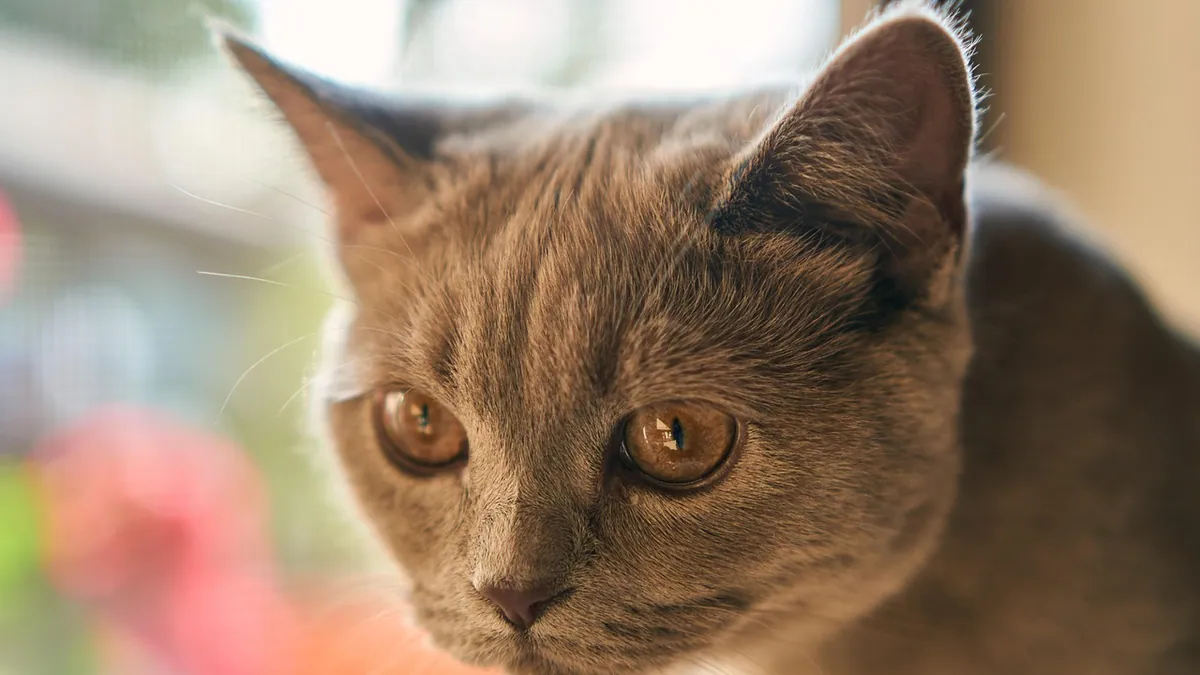
Oral dexmedetomidine for cats is a prescription sedative that veterinarians sometimes use to calm cats for exams, procedures, or travel. It is not a home remedy and should only be given when your veterinarian prescribes it for your specific cat. This article explains what it does, how it is given, and what side effects to watch for.
This article is educational and is not a substitute for veterinary diagnosis or treatment.
Quick Answer
- Oral dexmedetomidine is a sedative in the same drug family as medetomidine, and it is given by mouth or as a gel for calming and light sedation in cats.
- It is a prescription-only medication. Your veterinarian decides the dose based on your cat's weight, health, and the reason for sedation.
- Vomiting is a common side effect after dexmedetomidine, and antiemetics such as maropitant, ondansetron, or metoclopramide can reduce it [1].
- Dexmedetomidine lowers heart rate and can reduce cardiac systolic function, so cats with heart disease need careful evaluation first [2].
- Never give a dose from another pet or a leftover supply. Call your veterinarian or a poison control hotline if you suspect an overdose.
What Oral Dexmedetomidine Is and What Veterinarians Use It For
Dexmedetomidine is a sedative and pain-relieving medication that belongs to a class called alpha-2 adrenergic agonists. Medetomidine is the related drug, and dexmedetomidine is the more active form. In veterinary practice, dexmedetomidine is used in several ways, including injectable sedation, constant rate infusions during surgery, and oral or gel forms for at-home calming.
Veterinarians use dexmedetomidine for cats sedation in situations where a cat needs to be calm and still. Common reasons include:
- Pre-visit sedation so a stressed cat can be examined, vaccinated, or have blood drawn
- Sedation before minor procedures such as clipping nails, ear cleaning, or wound checks
- Calming for travel, grooming, or veterinary appointments when a cat becomes very fearful
- Part of a combination protocol with other drugs for anesthesia or pain control
Dexmedetomidine is also studied in combination with other medications. One study looked at dexmedetomidine, vatinoxan, and ketamine combinations in cats and measured sedation quality, time to recumbency, and recovery [3]. Another study examined how prior gabapentin administration affected sedation scores in cats given dexmedetomidine [4]. These combinations are chosen by veterinarians based on the procedure and the cat's health.
The oral and gel forms are usually prescribed for at-home use before a veterinary visit. Your veterinarian may send you home with a pre-measured syringe or a gel to apply to the gums or inside the cheek. The goal is to have your cat calm enough for handling without the stress of an injection at the clinic.
If you are managing other medications for your cat, it helps to understand how prescription drugs are chosen and monitored. You can read more in Prescription Medicine For Cats.
How Dexmedetomidine Works
Dexmedetomidine works by stimulating alpha-2 adrenergic receptors in the brain and body. This reduces the release of certain neurotransmitters, which leads to sedation, muscle relaxation, and pain relief. The effect is dose-dependent, meaning a higher dose produces deeper sedation.
The drug also affects the cardiovascular system. In a study of healthy cats, dexmedetomidine given intranasally or intramuscularly significantly reduced pulse rate and decreased fractional shortening, a measure of cardiac systolic function [2]. This means the heart pumps less forcefully and beats more slowly. In healthy cats, this is usually manageable. In cats with heart disease, it can be a concern.
Dexmedetomidine also commonly causes vomiting. A study of cats given dexmedetomidine found that vomiting was frequently observed, and antiemetics such as maropitant, ondansetron, and metoclopramide significantly reduced retching and vomiting compared with a control group [1]. This is why your veterinarian may give an anti-nausea medication before or with dexmedetomidine.
The sedative effect usually begins within 15 to 30 minutes after oral or gel administration, depending on the dose and the cat. Peak sedation may last for a period of time, and full recovery can take several hours. Your veterinarian will tell you what to expect based on the dose and route used.
Dosing Basics for Oral Dexmedetomidine for Cats
Who Decides the Dose
Only your veterinarian decides the dose. Dexmedetomidine is a prescription medication, and the dose depends on your cat's weight, age, health status, and the reason for sedation. There is no standard at-home dose that you can calculate yourself.
Doses used in veterinary studies are not home doses. For example, one study used dexmedetomidine at 10 μg/kg intranasally or intramuscularly in healthy cats [2]. Another used 25 μg/kg intramuscularly as part of a combination [3]. A separate study used 5 μg/kg intramuscularly after gabapentin [4]. These are clinical research doses given under supervision, not instructions for owners.
How It Is Given
Oral dexmedetomidine may come as a liquid, a pre-measured syringe, or a gel. Your veterinarian will show you how to give it. For a gel, you typically apply it to the inside of the cheek or gums using a syringe or applicator. Do not squirt it into the back of the throat, because that can cause choking or aspiration.
If your cat vomits after receiving the dose, do not give another dose unless your veterinarian tells you to. Vomiting is a known side effect, and repeating the dose can lead to overdose [1].
What to Do About a Missed Dose
If you miss a dose, do not double up. Call your veterinarian for instructions. In most cases, if the missed dose was meant to calm your cat before a visit, your veterinarian may adjust the plan or reschedule. Never give an extra dose to make up for a missed one.
Dexmedetomidine for Cats Side Effects
Side effects are common with dexmedetomidine, and some are expected. The table below lists the most common and serious ones.
| Side effect | How common or serious | What to do |
|---|---|---|
| Vomiting | Common, usually mild to moderate | This is a known effect of dexmedetomidine [1]. Do not repeat the dose. Call your veterinarian if vomiting is severe or continues. |
| Nausea signs (lip licking, drooling, retching) | Common | Keep your cat calm and quiet. Report to your veterinarian if it does not settle. |
| Slow heart rate | Expected, can be serious | Dexmedetomidine reduces pulse rate [2]. Your veterinarian monitors this. At home, watch for weakness or collapse. |
| Low blood pressure | Possible, can be serious | Blood pressure changes are monitored in clinical settings [5]. Seek emergency care if your cat is weak or unresponsive. |
| Reduced heart pumping function | Possible, serious in cats with heart disease | Fractional shortening decreases with dexmedetomidine [2]. Cats with heart disease should not receive it without careful evaluation. |
| Sedation and sleepiness | Expected | Keep your cat in a quiet, safe place. Do not leave them on high furniture or near stairs. |
| Muscle relaxation | Expected | Support your cat when moving them. Do not let them jump. |
| Slow breathing | Possible, can be serious | Watch for very slow or shallow breathing. Call your veterinarian or an emergency clinic right away. |
If your cat has any serious side effect, such as collapse, difficulty breathing, or extreme weakness, treat it as an emergency. Call your veterinarian or the nearest emergency clinic immediately.
For general information about which human medications are safe or unsafe for cats, see What Human Medications Are Safe for Cats? A Vet's Guide to OTC Options.
Who Should Not Take It and Drug Interactions
Dexmedetomidine is not right for every cat. Your veterinarian will review your cat's health history before prescribing it. Cats with certain conditions should not receive dexmedetomidine, or should receive it only with extra monitoring.
Cats that should not take dexmedetomidine without careful evaluation include:
- Cats with heart disease, especially conditions that affect how well the heart pumps
- Cats with low blood pressure or shock
- Cats with severe liver or kidney disease
- Cats that are very old, very young, or very small
- Cats with respiratory disease that makes breathing difficult
- Cats that are pregnant or nursing, unless your veterinarian decides the benefit outweighs the risk
Drug interactions matter. Dexmedetomidine can interact with other sedatives, anesthetics, and pain medications. In one study, gabapentin given before dexmedetomidine affected sedation scores and physiological parameters [4]. Other combinations, such as dexmedetomidine with vatinoxan and ketamine, are used in clinical settings and change how the drugs behave in the body [3][6].
Tell your veterinarian about every medication, supplement, or herbal product your cat receives. This includes flea and tick products, dewormers, and any prescription or over-the-counter drugs. If your cat is on other sedatives or pain medications, your veterinarian may adjust the dose or choose a different protocol.
If your cat is scheduled for a dental procedure or another procedure that requires sedation, ask your veterinarian how dexmedetomidine fits into the plan. You can also read about dental care in Home Dental Care for Cats: Brushing Alternatives and Dental Treats.
Overdose and When to Call a Veterinarian or Poison Control
An overdose of dexmedetomidine can cause severe sedation, very slow heart rate, low blood pressure, slow breathing, and loss of consciousness. If you think your cat received too much, call your veterinarian or an emergency clinic right away. Do not wait for symptoms to appear.
If your veterinarian is not available, contact a pet poison control hotline. The ASPCA Animal Poison Control Center is available at (888) 426-4435. The Pet Poison Helpline is available at (855) 764-7661. These services may charge a consultation fee.
Bring the medication packaging with you to the clinic or have it ready when you call. Tell the veterinarian how much your cat received, when it was given, and what other medications your cat takes. This information helps them decide on treatment.
Treatment for overdose may include supportive care, monitoring, and medications to reverse the sedative effect. Your veterinarian will decide what is needed based on your cat's condition.
Limitations and When to Contact a Veterinarian
This article gives general information, but every cat is different. Your veterinarian needs to evaluate your cat in person to decide if dexmedetomidine is safe and appropriate.
Contact your veterinarian the same day if your cat:
- Vomits more than once or vomits for more than a few minutes
- Seems more sleepy than expected or is hard to wake
- Has a very slow heart rate or seems weak
- Breathes slowly or with effort
- Does not return to normal behavior within the expected time
Go to an emergency clinic immediately if your cat:
- Collapses or cannot stand
- Has trouble breathing or gums that look pale or blue
- Has a seizure
- Is unresponsive or cannot be woken
- Has a known or suspected overdose
Schedule a routine visit if you have questions about dosing, side effects, or whether dexmedetomidine is right for your cat. Do not adjust the dose on your own.
Frequently Asked Questions
What is oral dexmedetomidine used for in cats?
Oral dexmedetomidine is used to calm cats for veterinary visits, grooming, travel, or minor procedures. It is a prescription sedative that your veterinarian chooses based on your cat's needs. It is not meant for everyday calming without veterinary guidance.
Is dexmedetomidine gel for cats safe to give at home?
Dexmedetomidine gel can be safe when your veterinarian prescribes it and shows you how to apply it. You must follow the exact dose and timing instructions. Do not use leftover gel from another pet or an old prescription.
Why does dexmedetomidine cause vomiting in cats?
Vomiting is a known side effect of dexmedetomidine, and it happens because the drug stimulates certain receptors in the body. Antiemetics such as maropitant, ondansetron, or metoclopramide can reduce vomiting when given before dexmedetomidine [1]. Your veterinarian may prescribe one of these to help.
How long does dexmedetomidine sedation last in cats?
Sedation usually starts within 15 to 30 minutes after oral or gel administration. The full effect can last for a few hours, and complete recovery may take longer. Your veterinarian will tell you what to expect based on the dose and your cat's health.
What should I do if my cat has a bad reaction to dexmedetomidine?
Call your veterinarian or an emergency clinic right away if your cat collapses, has trouble breathing, or is very weak. If your veterinarian is not available, call a pet poison control hotline. Bring the medication packaging with you so the veterinarian knows what was given.
Related Articles
- What Human Medications Are Safe for Cats? A Vet's Guide to OTC Options
- Prescription Medicine For Cats
- Onsior Robenacoxib for Cats: Feline NSAID Safe Dosing Protocol
- Home Dental Care for Cats: Brushing Alternatives and Dental Treats
- Deworming Medicine For Cats
- Can You Give Your Cat Benadryl? Dosage and Safety Guide
- Dexmedetomidine for Cats: Dose, Injection, and HCM Risk
- Dexmedetomidine Side Effects in Cats: What to Expect
- Diazepam for Cats: Dosage, Uses, and Safety
References
- The Effect of Maropitant, Ondansetron and Metoclopramide on Dexmedetomidine-Induced Vomiting in Cats. Veterinary medicine and science, 2025.
- Sedative and echocardiographic effects of intranasal or intramuscular administration of dexmedetomidine in healthy cats. Journal of feline medicine and surgery, 2025.
- Characterization of the anesthetic effects of dexmedetomidine-vatinoxan-ketamine combinations in cats. Veterinary anaesthesia and analgesia, 2025.
- Influence of prior administration of gabapentin and integrative practices on sedation scores, physiological parameters, and propofol requirement in cats sedated with dexmedetomidine. Topics in companion animal medicine, 2026.
- Evaluation of different constant rate infusions of dexmedetomidine in cats undergoing elective surgery. Journal of feline medicine and surgery, 2025.
- Pharmacokinetics of combinations of dexmedetomidine, vatinoxan and ketamine in male neutered cats. Veterinary anaesthesia and analgesia, 2025.