Dexmedetomidine for Cats: Dose, Injection, and HCM Risk
By Dr. Zubair Khalid, DVM, MS, PhD ·
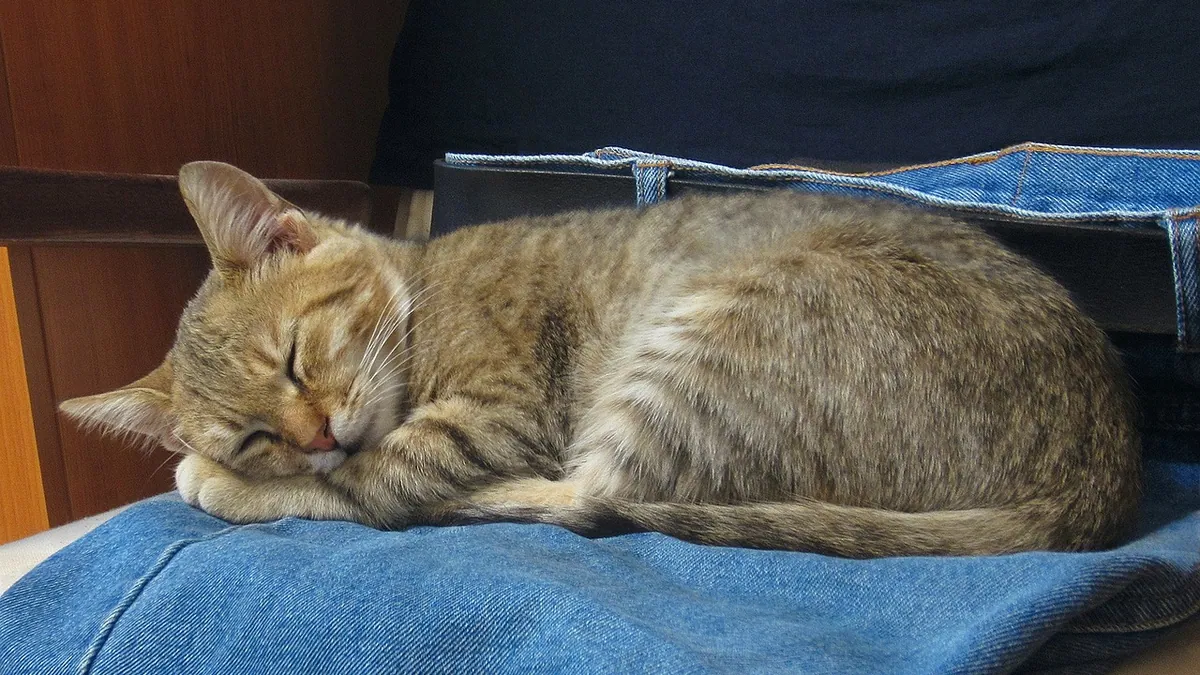
Dexmedetomidine for cats dose is never something you choose at home. This is a prescription injectable sedative that veterinarians give in a clinic, and the dose depends on your cat's weight, health, and the procedure. Cats with hypertrophic cardiomyopathy (HCM) need extra caution because the drug slows the heart and can affect how well the heart pumps.
This article is educational and is not a substitute for veterinary diagnosis or treatment.
Quick Answer
- Dexmedetomidine is an injectable veterinary sedative and pain reliever, not a pill you give at home.
- Doses are calculated by your veterinarian based on body weight, route (into the muscle, into the nose, or into a vein), and the procedure.
- Published feline doses range from about 5 µg/kg to 25 µg/kg for single injections, depending on the study and route [1][2].
- The drug lowers heart rate and can reduce systolic heart function, which is why cats with HCM need a careful heart check first [3].
- Never give a leftover vial or adjust a dose yourself. Call your vet or a poison control line if an accidental injection happens.
What Dexmedetomidine Is and What Veterinarians Use It For
Dexmedetomidine is a sedative and analgesic that veterinarians inject. It belongs to a class of drugs that calm the nervous system, reduce anxiety, and provide some pain relief. In cats, it is used for procedures like neutering, spaying, dental work, wound care, and imaging that requires the cat to stay still [1][2].
It is also used as part of a balanced anesthesia plan. A veterinarian may combine it with other drugs to reduce the amount of gas anesthesia needed during surgery [4]. In one study of cats having elective surgery, a dexmedetomidine constant rate infusion at 3 µg/kg/h reduced isoflurane requirements at one time point compared with other groups [4]. That is a specific research setting, not a home dose.
Dexmedetomidine is related to medetomidine, another veterinary sedative. Both are given by injection in a clinic. You will not find a take-home version for cats.
How Dexmedetomidine Works
Dexmedetomidine works by activating certain receptors in the brain and body that quiet nerve signals. The result is sedation, muscle relaxation, and some pain control. It also affects the cardiovascular system. Heart rate typically drops, and blood pressure can change [3][2].
In a study of healthy cats, dexmedetomidine given into the nose or into the muscle caused significant reductions in pulse rate and decreases in fractional shortening, a measure of how well the heart squeezes [3]. Both routes reduced cardiac systolic function, and there was no significant difference between them [3]. That finding matters for cats with heart disease.
The drug also commonly causes vomiting in cats. In one study, dexmedetomidine given intravenously at 25 µg/kg caused emesis in some cats, and researchers tested anti-nausea drugs to see if they helped [2]. If your cat vomits after a sedative injection, tell your veterinarian.
Dexmedetomidine Dosage for Cats: How the Dose Is Chosen
Your veterinarian decides the dexmedetomidine dosage for cats. There is no single dose that fits every cat or every situation. The dose depends on:
- Your cat's body weight
- The route of injection (intramuscular, intranasal, or intravenous)
- The procedure and how long sedation is needed
- Other drugs used at the same time
- Your cat's heart, liver, and kidney health
Published doses in feline studies include 5 µg/kg given into the muscle before neutering [1], 10 µg/kg given into the nose or muscle in healthy cats [3], and 25 µg/kg given intravenously before spaying [2]. These numbers come from research settings with healthy cats and close monitoring. They are not a dosing chart for you to use at home.
Some veterinarians use a constant rate infusion, which means the drug is given slowly through an IV line during a procedure. In one study, infusions of 1, 2, and 3 µg/kg/h were compared in cats having elective surgery [4]. Only the 3 µg/kg/h infusion reduced isoflurane requirements at one time point, and blood pressure was higher in that group at some points [4]. Your veterinarian will pick an infusion rate based on your cat's response and the surgery.
How Dexmedetomidine Injection for Cats Is Given
Dexmedetomidine injection for cats is given by a veterinarian or trained veterinary staff. The most common routes are:
- Intramuscular (into a muscle, often the back leg)
- Intranasal (into the nostril)
- Intravenous (into a vein, usually through a catheter)
A study comparing intranasal and intramuscular dexmedetomidine at 10 µg/kg found that both routes produced sedation and both affected heart function similarly [3]. Another study looked at medetomidine, a related drug, given into the nose or muscle at 40 µg/kg in cats having neuter surgery, and compared sedation and heart and lung values [5]. These studies help veterinarians choose a route, but the choice is still made case by case.
What to Do About a Missed Dose
There is no missed dose to manage at home. Dexmedetomidine is given in the clinic, and the effect wears off as the drug is cleared from the body. If your cat was sent home and you think sedation is wearing off too slowly or too quickly, call your veterinarian. Do not give any leftover medication.
If your cat takes other medications, such as a sedative for anxiety or a drug for appetite, review the full list with your veterinarian before any procedure. Related guides on Benadryl diphenhydramine cat dose and mirtazapine appetite stimulant dose for cats and dogs explain how other drugs are dosed in cats.
Common and Serious Side Effects
Dexmedetomidine has predictable effects. Some are expected and manageable. Others need immediate attention.
| Side effect | How common or serious | What to do |
|---|---|---|
| Lower heart rate | Common, expected | Your vet monitors this. It is usually short-lived. |
| Reduced heart pumping (lower fractional shortening) | Shown in healthy cats after intranasal and intramuscular dosing [3] | Your vet checks heart function before and during sedation. |
| Vomiting or retching | Common with dexmedetomidine in cats [2] | Tell your vet. Anti-nausea drugs may be used. |
| Changes in blood pressure | Possible, especially with infusions [4] | Blood pressure is monitored during the procedure. |
| Poor recovery or prolonged sedation | Uncommon | Call your vet if your cat is hard to wake or very wobbly after going home. |
| Slow breathing or low oxygen | Uncommon but serious | This is monitored in the clinic. Seek emergency care if it happens at home. |
Most side effects happen while your cat is still in the clinic and being watched. The drug's effects are dose-dependent and usually fade as it wears off. If your cat goes home and seems unusually dull, cold, or weak, call your veterinarian right away.
Who Should Not Take It and Drug Interactions
Dexmedetomidine is not right for every cat. Your veterinarian will avoid it or adjust the plan if your cat has:
- Hypertrophic cardiomyopathy (HCM) or other heart disease
- Low blood pressure or shock
- Severe liver or kidney disease
- Certain neurologic conditions
- An allergy to dexmedetomidine or related drugs
Cats with HCM are a special concern. Because dexmedetomidine lowers heart rate and reduces systolic function [3], a cat whose heart already has trouble relaxing and filling may not tolerate those changes well. Your veterinarian may recommend a heart ultrasound before sedation, choose a different drug, or use a lower dose with close monitoring.
Drug interactions matter too. Dexmedetomidine is often combined with other sedatives, anesthetics, and pain medications. In one study, cats received dexmedetomidine with either butorphanol or maropitant before spaying, and both combinations caused transient decreases in heart rate and mean arterial pressure [2]. In another study, gabapentin given before dexmedetomidine affected sedation scores and propofol requirements [1]. These combinations are planned by veterinarians who know how the drugs interact.
Tell your veterinarian about every medication, supplement, and herbal product your cat takes. That includes flea and tick products, heartworm preventives, and anything you might give for allergies or appetite. The guide on Benadryl for cats explains why even over-the-counter drugs need a veterinary dose.
Dexmedetomidine and HCM Risk in Cats
HCM is the most common heart disease in cats. In HCM, the heart muscle thickens, and the lower chamber may not fill or pump normally. Dexmedetomidine can make this worse because it slows the heart and reduces systolic function [3].
A study of healthy cats found that both intranasal and intramuscular dexmedetomidine reduced fractional shortening compared with baseline [3]. That does not mean every cat with HCM will have a crisis. It means the risk is real enough that your veterinarian needs to know your cat's heart status before using this drug.
If your cat has a heart murmur, an abnormal rhythm, or a known diagnosis of HCM, expect your veterinarian to:
- Listen carefully and possibly recommend an echocardiogram
- Review current heart medications
- Consider a different sedative protocol
- Use the lowest effective dose with continuous monitoring if dexmedetomidine is still the best choice
Never hide a heart diagnosis to speed up a procedure. The sedation plan depends on it.
Overdose and When to Call a Veterinarian or Poison Control
An overdose of dexmedetomidine can cause severe sedation, very slow heart rate, low blood pressure, slow breathing, and poor circulation. Because this drug is given in a clinic, an accidental overdose is most likely to happen there, and staff are trained to respond.
If you find that your cat received too much medication, or if you accidentally inject a pet with a veterinary vial, act fast. Call your veterinarian or an emergency clinic immediately. You can also call poison control:
- ASPCA Animal Poison Control Center: (888) 426-4435
- Pet Poison Helpline: (855) 764-7661
Signs that need emergency care include extreme sleepiness that will not wear off, trouble breathing, a very slow heartbeat, pale gums, or collapse. Do not wait to see if your cat improves on its own.
Limitations and When to Contact a Veterinarian
This article gives general information. It cannot tell you the right dose or the right drug for your cat. Only a veterinarian who examines your cat can do that.
Call your veterinarian the same day if:
- Your cat is unusually sleepy or wobbly hours after a procedure
- Your cat vomits repeatedly after sedation
- Your cat will not eat or drink after going home
- You notice a change in breathing rate or effort
Go to an emergency clinic now if:
- Your cat is hard to wake or will not respond
- Breathing is slow, labored, or noisy
- Gums are pale, blue, or white
- Your cat collapses or has a seizure
- You suspect an overdose
Schedule a routine visit if your cat has a heart murmur or you have been told your cat has HCM and a procedure is coming up. A heart check before sedation is the best way to lower risk. If your cat needs other injectable medications, the guide on vitamin B12 injections for cats explains how injectable drugs are handled in feline care.
Frequently Asked Questions
Can I give dexmedetomidine to my cat at home?
No. Dexmedetomidine is an injectable prescription sedative that veterinarians give in a clinic. It requires monitoring of heart rate, blood pressure, and breathing. Giving it at home without training or monitoring is dangerous.
How long does dexmedetomidine last in cats?
The sedative effect usually fades within a few hours, but the exact time depends on the dose, route, and your cat's health. Your veterinarian will tell you what to expect based on the procedure. Call if your cat seems too sleepy for too long.
Is dexmedetomidine safe for a cat with a heart murmur?
It depends on the cause of the murmur and how the heart is functioning. A murmur can be harmless or a sign of HCM. Your veterinarian may recommend an echocardiogram before deciding. Do not assume it is safe just because your cat has had it before.
What if my cat vomits after dexmedetomidine?
Vomiting is a known effect of dexmedetomidine in cats [2]. Tell your veterinarian so they can note it and consider anti-nausea options next time. If vomiting is severe or continues after going home, call your vet.
Can dexmedetomidine be reversed?
Yes, veterinarians have reversal drugs for this class of sedative. If your cat is too deeply sedated or has concerning heart effects, your veterinarian can give a reversal agent. This is another reason the drug is used only in a monitored setting.
If your cat is scheduled for a procedure and you have questions about dexmedetomidine, ask your veterinarian before the appointment. Bring a list of all medications and any heart history. That conversation is the best way to keep your cat safe.
Related Articles
- Mirtazapine Appetite Stimulant: Dose for Cats and Dogs Guide
- Benadryl Diphenhydramine Cat Dose: Feline Allergy and Sedation Guide
- Can You Give Your Cat Benadryl? Dosage and Safety Guide
- Vitamin B12 Injections for Cats: Cobalamin Deficiency and Dosing Schedule
- Onsior Robenacoxib for Cats: Feline NSAID Safe Dosing Protocol
- Prescription Medicine For Cats
- Dexmedetomidine Side Effects in Cats: What to Expect
- Oral Dexmedetomidine for Cats: Uses and Safety
- Dexmedetomidine for Dogs: Dose, Duration, and Safety
References
- Influence of prior administration of gabapentin and integrative practices on sedation scores, physiological parameters, and propofol requirement in cats sedated with dexmedetomidine. Topics in companion animal medicine, 2026.
- Evaluation of the antiemetic, sedative and analgesic effects of butorphanol and maropitant in combination with dexmedetomidine in cats undergoing ovariohysterectomy. The Veterinary record, 2025.
- Sedative and echocardiographic effects of intranasal or intramuscular administration of dexmedetomidine in healthy cats. Journal of feline medicine and surgery, 2025.
- Evaluation of different constant rate infusions of dexmedetomidine in cats undergoing elective surgery. Journal of feline medicine and surgery, 2025.
- EXPRESS: EFFECTS OF INTRAMUSCULAR AND INTRANASAL ADMINISTRATION OF MEDETOMIDINE ON SEDATION AND SOME CARDIOPULMONARY VARIABLES IN HEALTHY CATS. Journal of feline medicine and surgery, 2026.